
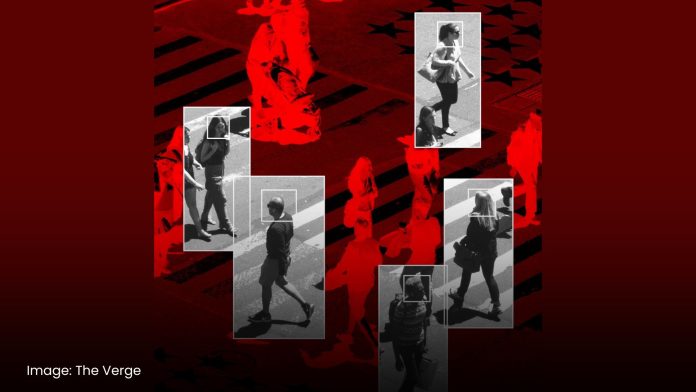
Flock Safety’s automated license-plate readers were sold as a relatively simple policing tool: cameras record passing vehicles so officers can find stolen cars, locate suspects and investigate serious crimes. Police departments say the technology has helped recover vehicles, investigate shootings and find missing people.
But as Flock expanded across thousands of American communities, local cameras became part of something much larger: a searchable network capable of recording where a vehicle appeared, when it was seen and, depending on access rules, allowing searches by agencies far from the community that installed the camera.


When Local Cameras Become National
Cleveland offers one of the clearest examples.
Among the agencies searching Cleveland Heights data was one in Grant County, Washington, thousands of miles away. The significance is difficult to miss: equipment purchased for local policing could become searchable by agencies on the other side of the country.
Flock says ICE is not a direct customer. But indirect immigration-enforcement pathways have been documented. University of Washington researchers found that at least eight Washington law-enforcement agencies had directly shared Flock networks with US Border Patrol during 2025.
At Least 50 Officers Accused of Misuse
The most disturbing evidence involves officers using plate-reader systems for personal surveillance.
The alleged conduct repeatedly involved women.
One Georgia police chief allegedly searched a woman and her teenage daughter’s plates roughly 600 times. A Kansas officer used Flock to monitor his estranged wife and later texted her that she had been “spotted.” Other cases involved officers allegedly searching spouses, ex-partners and relatives dozens of times.
These incidents expose a structural problem. Audit logs can document misuse after it occurs, but an authorized officer may already have accessed highly revealing location information before anyone realizes the search was improper.
Flock Considered Making the Network Mobile
Flock also explored expanding beyond fixed roadside cameras.
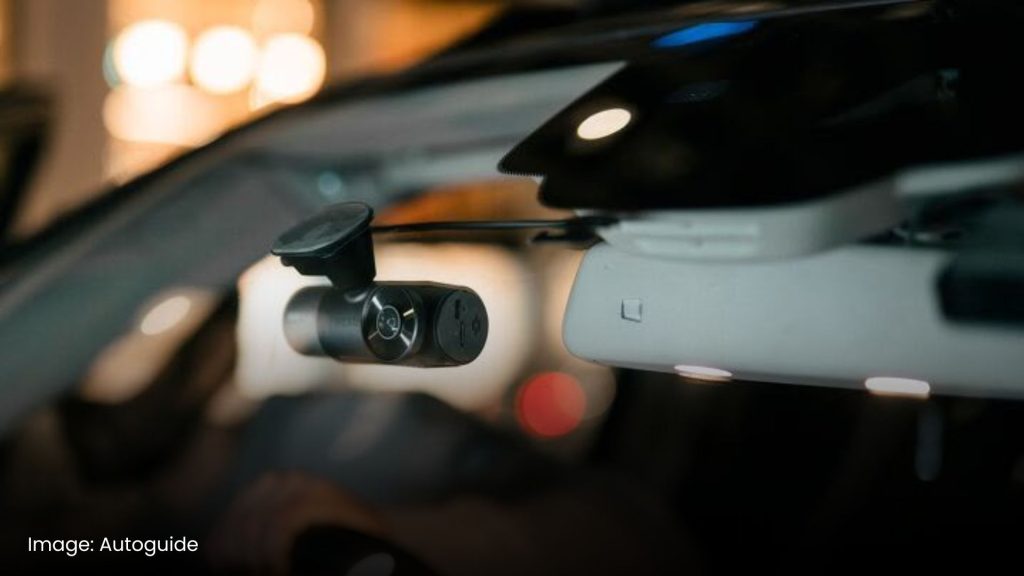
The concept was presented to Georgia officials.
Crucially, the partnership never went ahead. There is no evidence that 350,000 rideshare and delivery vehicles actually became Flock scanners.
But the proposal remains significant because it shows that the company considered moving from stationary roadside collection toward a mobile network embedded in ordinary commercial vehicles.
The Backlash Is Becoming National
Communities, civil-liberties groups and activists are increasingly challenging the expansion of automated plate-reader networks.
Cities have shortened contracts, imposed stricter access rules or reconsidered deployments. Activists behind projects such as DeFlock are mapping camera locations around the country. Flock CEO Garrett Langley later apologized after describing some anti-Flock activists as “terroristic.”
Legal challenges are also forcing courts to confront a harder question: when does observing cars travelling on public roads become persistent tracking capable of revealing a person’s routines, relationships and movements?
The wider surveillance environment extends beyond Flock. DHS has separately used administrative subpoenas seeking identifying information behind online accounts that criticized ICE or published information about agents, with some subpoenas withdrawn after legal challenges. That is a different surveillance mechanism, but it illustrates how rapidly government access to personal and behavioral data is expanding.
Flock cameras can help police solve crimes. That is not the central dispute.

The real question is whether connecting thousands of cameras into a searchable network creates a surveillance power fundamentally different from the local crime-fighting tool communities thought they were buying.
By Shizza Umer
Hyperlinked Sources
- Washington Post: How Rogue Officers Turned a Nationwide Camera Network Into a Tool for Stalking
- Signal Cleveland: Cleveland Wants to Keep Using Flock License Plate Readers Amid Growing Scrutiny
- Ideastream Public Media: Cleveland Extends Flock Contract 6 Months, Promises Guardrails
- University of Washington Center for Human Rights: Leaving the Door Wide Open
- 404 Media: Flock Pitched a Plan To Turn Uber and Lyft Drivers Into Roaming Surveillance Vehicles
- Forbes: Flock CEO Apologizes For Calling Activists ‘Terrorists’
- ACLU: How to Fight Deployment of Flock and Other Mass Surveillance License Plate Readers in Your Community
- ACLU: Fight Creepy ALPR Cameras (Get the Flock Out campaign)
- Institute for Justice: Police Have Reportedly Used License Plate Readers to Stalk Romantic Interests Dozens of Times in Recent Years
- EFF: EFF Sues DHS and ICE For Records on Subpoenas Seeking to Unmask Online Critics
- NewsNation/AOL: ‘You Were Spotted’: KS Officer Who Used Police Cameras to Stalk Estranged Wife Sentenced
- Yahoo/404 Media: Deputy Used Police Databases and Plate Readers to Stalk a Woman He Met On Apple TV+ Set