Beyond the Harvest: How Gaza’s Olive Trees Became a Symbol of Loss

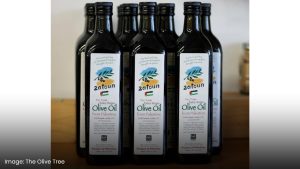
For generations, olive trees have been central to Palestinian life, providing food, income and a connection to ancestral land. In Gaza, however, the annual olive harvest has become a stark illustration of how war can destroy not only homes and infrastructure, but also the agricultural foundations that sustain communities.

A report published on 14 October 2026 estimates that Gaza’s olive-tree population has fallen from approximately two million before the war to around 150,000. The expected olive harvest has dropped from roughly 40,000 tonnes to just 5,000 tonnes, while olive oil production is projected to decline from 5,000 tonnes to around 700 tonnes. These figures reveal the devastating impact on an industry that once supported farmers, seasonal workers and local markets.

A Harvest Diminished

The losses are visible in individual family orchards. One family in central Gaza, which once cultivated a 220-acre olive grove, has seen most of its orchard destroyed or rendered inaccessible. Nearly half of the property lies beyond the Israeli-military-guarded “yellow line,” while most of the accessible portion has reportedly been bulldozed. Only around 20 to 30 trees remain, with an expected yield of just two drums of olive oil.

This illustrates two connected obstacles facing Gaza’s farmers: physical destruction and restricted access. Even where land has not been entirely destroyed, farmers may be unable to reach or cultivate it. The presence of surviving trees, therefore, does not necessarily mean agricultural production can resume.

The crisis also extends to the infrastructure needed to process the harvest. The number of functioning olive oil presses has reportedly fallen from around 40 before the war to just seven. Without operational presses, transport and access to markets, the remaining crop cannot easily be converted into income or food supplies.

The Economic Cost

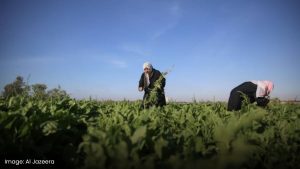
Olive cultivation has historically provided employment and supported household food security in Gaza. The collapse of the industry affects far more people than orchard owners alone. Seasonal workers lose paid work, processors lose business, and consumers face shortages.

The price of olive oil reflects this growing scarcity. A drum of olive oil has reportedly reached nearly $500, around three times its pre-war price. For households already struggling to afford basic necessities, a traditional staple has become increasingly difficult to obtain.

This is part of a wider agricultural crisis. Damage to farmland, infrastructure and productive assets undermines Gaza’s capacity to grow food and rebuild livelihoods. Even if major fighting subsides, recovery will remain difficult if farmers lack safe access to their fields, functioning equipment, water and reliable routes to market.
More Than an Economic Loss

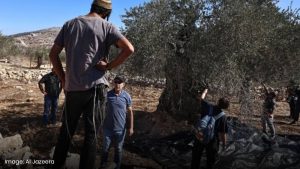
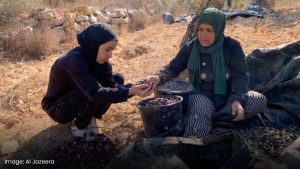
The significance of the olive tree extends beyond its market value. Olive harvesting is a longstanding Palestinian tradition, often involving several generations of a family. Trees may remain productive for decades, connecting present-day farmers with the labour, memories and land of their parents and grandparents.

For this reason, the destruction of olive groves carries cultural and social consequences alongside economic ones. A bulldozed orchard represents lost income, but it can also mean the disappearance of an inherited livelihood and a place around which family and community life have developed.

Olive trees have consequently become powerful symbols of Palestinian rootedness and continuity. Their significance is not simply that they grow on Palestinian land, but that generations of families have cultivated them, depended on them and incorporated them into everyday life. When these trees disappear, the loss extends beyond the current harvest to the future of the families who might otherwise have inherited the orchards.

The circumstances of individual incidents must still be assessed on the available evidence. Nevertheless, the reported scale of agricultural destruction raises serious questions about the protection of civilian livelihoods, property and access to land.

International humanitarian law requires parties to distinguish civilian objects from military objectives and to take the necessary precautions to limit harm to civilians. The legality of a particular act of destruction depends on its circumstances and the applicable legal rules. Given the scale of the reported damage, independent documentation and accountability remain important.
What Recovery Would Require

Rebuilding Gaza’s olive industry will take more than distributing seedlings. Newly planted trees need years to mature, while farmers require access to their land, water, equipment, processing facilities and markets. Families who have lost years of income will also need support to resume production.

The remaining harvest demonstrates that some families continue to work despite extraordinary obstacles. But survival should not be confused with recovery. Gathering a small crop cannot compensate for the destruction of an industry or the loss of access to farmland.

Gaza’s disappearing olive groves expose a central challenge of post-war reconstruction: rebuilding physical structures is not enough if people cannot safely return to their livelihoods and land. The future of these trees will depend on whether Palestinian farmers can regain meaningful access to their fields and whether the conditions for sustainable agricultural life can be restored.

Ultimately, the loss of Gaza’s olive trees is about more than agriculture. It is about food security, economic survival, cultural heritage and the relationship between a people and their land. The question is not simply how many trees can be replanted, but whether the families who cultivated them will have the opportunity to return, rebuild and pass that tradition on to another generation.

REERENCES

https://www.reuters.com/world/middle-east/gazans-harvest-dregs-olive-groves-bulldozed-cut-off-by-israel-2026-10-14/

https://islamic-relief.org/giving/olive-trees-a-symbol-and-a-lifeline-for-palestinians/

https://progressive.org/mourning-the-olive-harvest-in-gaza-dmeida-20261012/
https://www.reutersconnect.com/item/we-are-still-here-palestinians-plant-olive-trees-as-symbols-of-life-and-hope-in-gaza/dGFnOnJldXRlcnMuY29tLDIwMjY6bmV3c21sX09XQU5BQ0FBVklERU8yMDI2MTAwNzQyNjc5OTcz

For generations, olive trees have been central to Palestinian life, providing food, income and a connection to ancestral land. In Gaza, however, the annual olive harvest has become a stark illustration of how war can destroy not only homes and infrastructure, but also the agricultural foundations that sustain communities.

A report published on 14 October 2026 estimates that Gaza’s olive-tree population has fallen from approximately two million before the war to around 150,000. The expected olive harvest has dropped from roughly 40,000 tonnes to just 5,000 tonnes, while olive oil production is projected to decline from 5,000 tonnes to around 700 tonnes. These figures reveal the devastating impact on an industry that once supported farmers, seasonal workers and local markets.

A Harvest Diminished

The losses are visible in individual family orchards. One family in central Gaza, which once cultivated a 220-acre olive grove, has seen most of its orchard destroyed or rendered inaccessible. Nearly half of the property lies beyond the Israeli-military-guarded “yellow line,” while most of the accessible portion has reportedly been bulldozed. Only around 20 to 30 trees remain, with an expected yield of just two drums of olive oil.

This illustrates two connected obstacles facing Gaza’s farmers: physical destruction and restricted access. Even where land has not been entirely destroyed, farmers may be unable to reach or cultivate it. The presence of surviving trees, therefore, does not necessarily mean agricultural production can resume.

The crisis also extends to the infrastructure needed to process the harvest. The number of functioning olive oil presses has reportedly fallen from around 40 before the war to just seven. Without operational presses, transport and access to markets, the remaining crop cannot easily be converted into income or food supplies.

The Economic Cost

Olive cultivation has historically provided employment and supported household food security in Gaza. The collapse of the industry affects far more people than orchard owners alone. Seasonal workers lose paid work, processors lose business, and consumers face shortages.

The price of olive oil reflects this growing scarcity. A drum of olive oil has reportedly reached nearly $500, around three times its pre-war price. For households already struggling to afford basic necessities, a traditional staple has become increasingly difficult to obtain.

This is part of a wider agricultural crisis. Damage to farmland, infrastructure and productive assets undermines Gaza’s capacity to grow food and rebuild livelihoods. Even if major fighting subsides, recovery will remain difficult if farmers lack safe access to their fields, functioning equipment, water and reliable routes to market.

More Than an Economic Loss

The significance of the olive tree extends beyond its market value. Olive harvesting is a longstanding Palestinian tradition, often involving several generations of a family. Trees may remain productive for decades, connecting present-day farmers with the labour, memories and land of their parents and grandparents.

For this reason, the destruction of olive groves carries cultural and social consequences alongside economic ones. A bulldozed orchard represents lost income, but it can also mean the disappearance of an inherited livelihood and a place around which family and community life have developed.

Olive trees have consequently become powerful symbols of Palestinian rootedness and continuity. Their significance is not simply that they grow on Palestinian land, but that generations of families have cultivated them, depended on them and incorporated them into everyday life. When these trees disappear, the loss extends beyond the current harvest to the future of the families who might otherwise have inherited the orchards.

The circumstances of individual incidents must still be assessed on the available evidence. Nevertheless, the reported scale of agricultural destruction raises serious questions about the protection of civilian livelihoods, property and access to land.

International humanitarian law requires parties to distinguish civilian objects from military objectives and to take the necessary precautions to limit harm to civilians. The legality of a particular act of destruction depends on its circumstances and the applicable legal rules. Given the scale of the reported damage, independent documentation and accountability remain important.

What Recovery Would Require

Rebuilding Gaza’s olive industry will take more than distributing seedlings. Newly planted trees need years to mature, while farmers require access to their land, water, equipment, processing facilities and markets. Families who have lost years of income will also need support to resume production.

The remaining harvest demonstrates that some families continue to work despite extraordinary obstacles. But survival should not be confused with recovery. Gathering a small crop cannot compensate for the destruction of an industry or the loss of access to farmland.

Gaza’s disappearing olive groves expose a central challenge of post-war reconstruction: rebuilding physical structures is not enough if people cannot safely return to their livelihoods and land. The future of these trees will depend on whether Palestinian farmers can regain meaningful access to their fields and whether the conditions for sustainable agricultural life can be restored.

Ultimately, the loss of Gaza’s olive trees is about more than agriculture. It is about food security, economic survival, cultural heritage and the relationship between a people and their land. The question is not simply how many trees can be replanted, but whether the families who cultivated them will have the opportunity to return, rebuild and pass that tradition on to another generation.

REERENCES

https://www.reuters.com/world/middle-east/gazans-harvest-dregs-olive-groves-bulldozed-cut-off-by-israel-2026-10-14/

https://islamic-relief.org/giving/olive-trees-a-symbol-and-a-lifeline-for-palestinians/

https://progressive.org/mourning-the-olive-harvest-in-gaza-dmeida-20261012/

https://www.reutersconnect.com/item/we-are-still-here-palestinians-plant-olive-trees-as-symbols-of-life-and-hope-in-gaza/dGFnOnJldXRlcnMuY29tLDIwMjY6bmV3c21sX09XQU5BQ0FBVklERU8yMDI2MTAwNzQyNjc5OTcz

spot_img

Explore more

spot_img
Global Affairs

A Mosque Set on Fire in the West Bank: Who Is...

Oil as a Weapon: Saudi Arabia’s Warning to Sanaa and the...

Zaporizhzhia Under Fire: Civilian Deaths Amid Renewed Efforts to End the...

UN Warns Gaza Faces a Dangerous Winter as Shelter Needs Remain...

India’s 130 Million Voter Deletions: Inside the Election Commission Controversy

From France to Belgium: Why Students Are Taking to the Streets...

Oleshky: When Starvation Becomes a Weapon of War

Al-Aqsa, the Ibrahimi Mosque and the Struggle Over Religious Access