The ICC Went After Netanyahu. Now Trump Is Going After the World’s W*r Cr*mes Court.

The US Escalates Its Campaign Against the ICC

The confrontation between Washington and the International Criminal Court has reached the institution’s highest levels. On August 18, the Trump administration sanctioned ICC President Tomoko Akane and senior trial lawyer Abdoulaye Seye, imposing financial restrictions on two senior figures inside the world’s permanent criminal court.

The escalation follows a wider US campaign encouraging member states to reconsider their ICC membership, while the Court says sanctions against judges and prosecutors threaten judicial independence.
Netanyahu’s Arrest Warrant Is at the Centre of the Fight

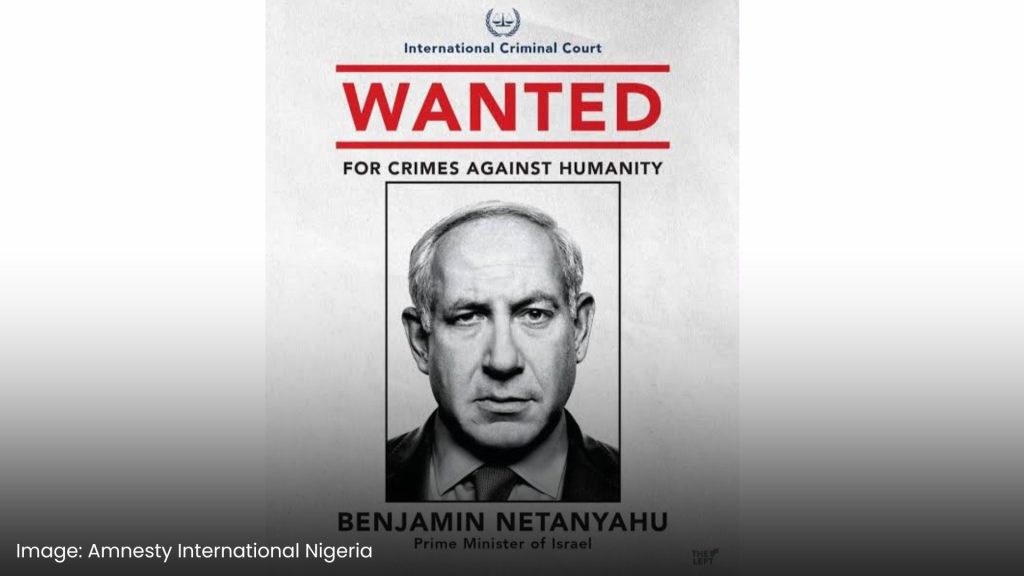
The confrontation is closely tied to the ICC’s case against Benjamin Netanyahu. The Court issued arrest warrants for Netanyahu and former defence minister Yoav Gallant over alleged war crimes and crimes against humanity connected to Gaza.

Trump has gone beyond leaving Washington’s motive to speculation. He said his campaign against the ICC was aimed at defending Netanyahu and others from prosecution, not himself.

The US rejects the Court’s jurisdiction over Isr*eli officials. The deeper dispute is therefore about whether an international court can realistically pursue leaders protected by powerful non-member states.

Five Countries Are Moving Toward the Exit

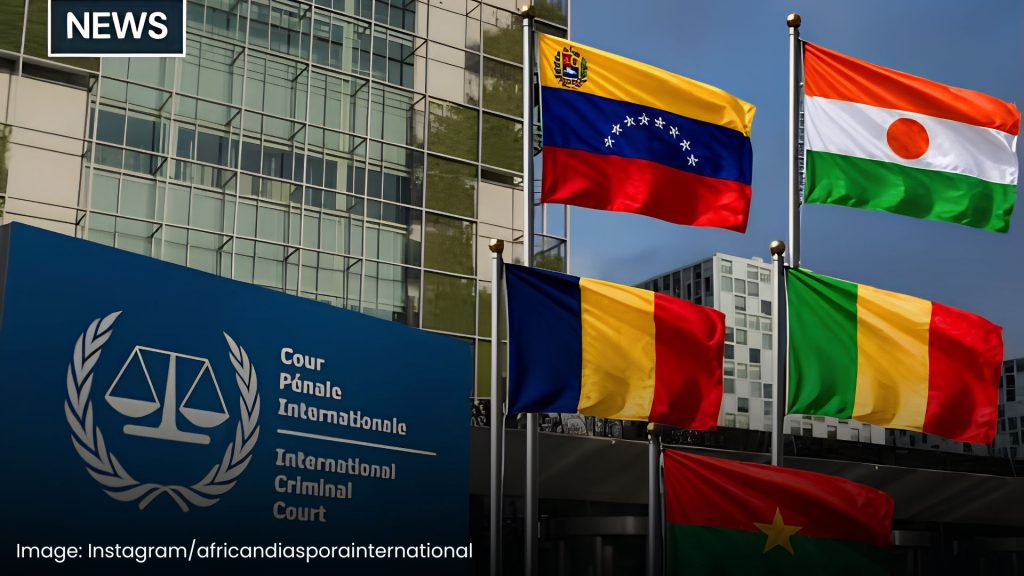
The ICC is also losing members. Burkina Faso, Mali and Niger formally began withdrawal procedures, while Venezuela also moved to leave the Court. Chad subsequently announced its withdrawal and Washington openly welcomed the decision.
Their motivations differ. Several governments accuse the ICC of bias or neocolonialism, meaning Washington cannot simply be credited with causing all five departures. But the withdrawals are unfolding alongside an explicit US effort to weaken the institution’s membership.

Russia and America Are Pressuring the Same Court

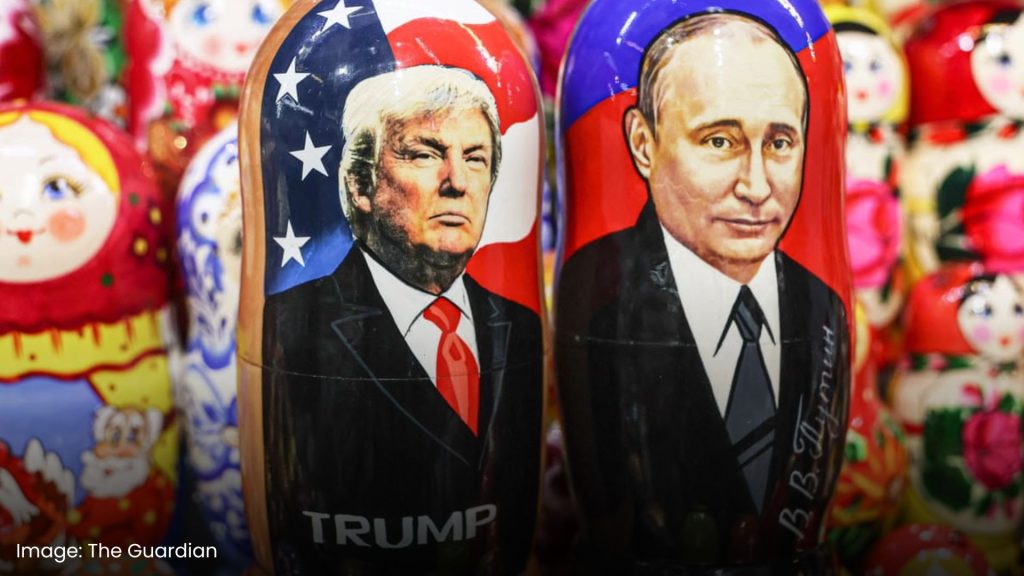
Washington is not the ICC’s only powerful opponent. After the Court pursued Vladimir Putin, a Moscow court convicted Karim Khan and eight ICC judges and officials in absentia, sentencing Khan to 15 years. Tomoko Akane was among the officials targeted.

That produces an extraordinary situation: Akane has faced a Russian criminal sentence and is now subject to US financial sanctions, imposed by rival powers confronting the same Court for different reasons.

Many Americans Do Not Share Washington’s Position

US policy also does not neatly reflect public opinion. A July Economist/YouGov poll found 49% of Americans supported arresting Netanyahu if he entered the United States under the ICC warrant, while 27% opposed doing so.

The same survey found 47% believed Netanyahu was guilty of at least one offence alleged in the warrant, compared with 24% who believed he was not. Those are opinions, not judicial findings, but they show Washington’s position is far from universally shared.

The ICC Has Serious Problems of Its Own

External pressure is only part of the crisis. ICC member states removed chief prosecutor Karim Khan following sexual misconduct allegations and findings of serious misconduct. Khan has denied wrongdoing throughout.

The removal carries its own controversy. Months before the allegations became public, a British-Isr*eli lawyer linked to one of Netanyahu’s legal advisers told Khan directly that he and the Court would be destroyed unless he withdrew the Netanyahu and Gallant warrants, according to a note of the meeting filed with the ICC. Khan’s wife, present at the meeting, told him afterward it was a clear threat. Khan agreed.

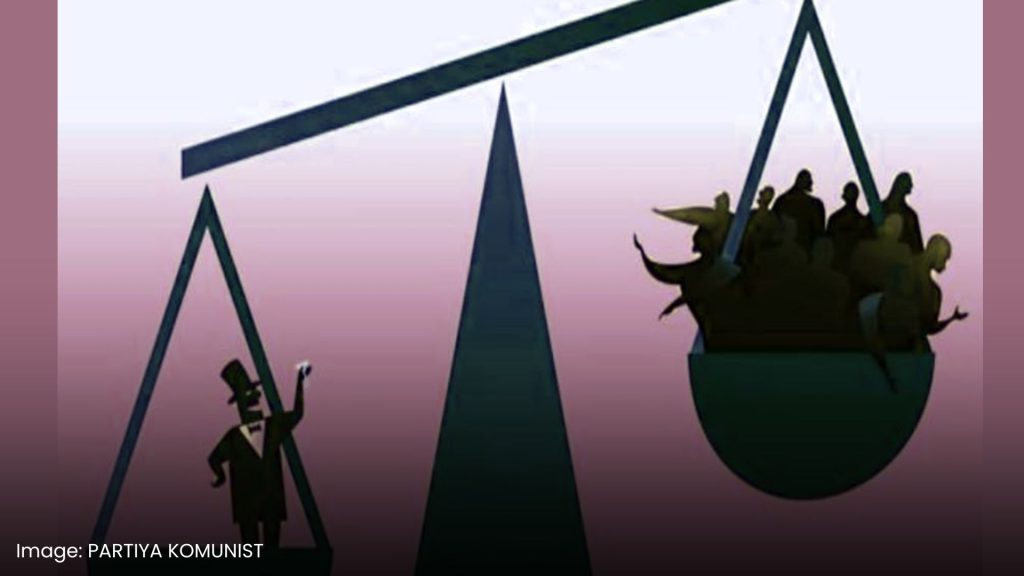
Netanyahu welcomed Khan’s dismissal, calling it proof that Khan pursued the warrants to distract from the misconduct claims against him. Khan’s legal team rejects that account entirely, arguing he was removed while under sanctions and while the Court faced immense political pressure. Former EU chief diplomat Josep Borrell called the case against Khan part of a larger offensive against the institution itself, and one war crimes researcher noted this marks the first time a sitting prosecutor has been removed after pursuing warrants against a Western ally.
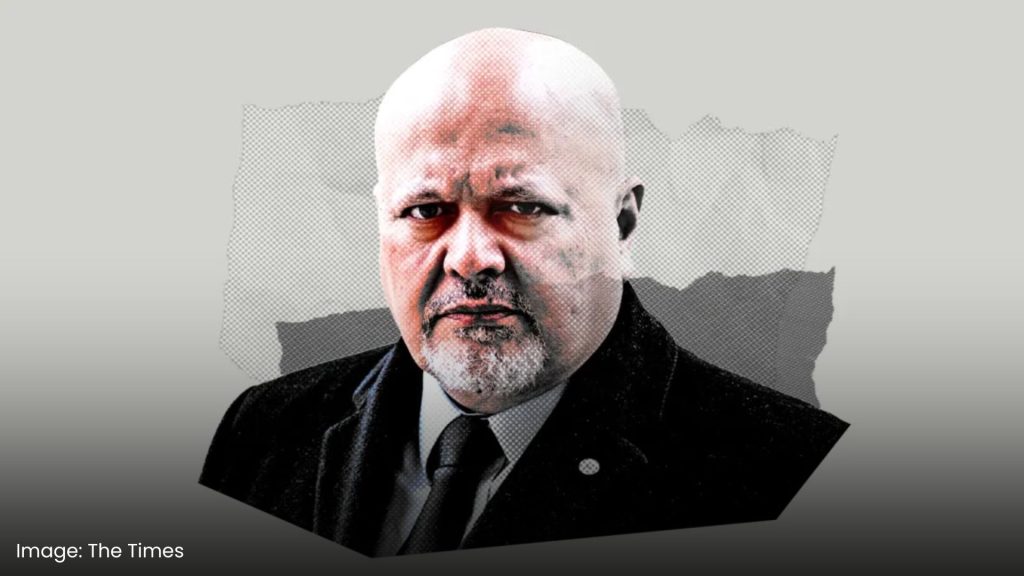
His removal was formally decided by the Court’s own member states, not by Washington directly, though the timing and circumstances remain sharply disputed.

The ICC also terminated the Abdallah Banda Darfur case after more than 15 years, leaving 103 recognised victims without a trial. Prosecutors said crucial evidence had deteriorated, while judges said that deterioration had not been conclusively demonstrated.

The contradiction is difficult to ignore. Powerful governments accuse the ICC of overreach. Victims who waited years for justice can reasonably question whether the Court has been effective enough.

The ICC is imperfect and capable of serious failure. But if governments can punish international judges whenever investigations become politically inconvenient, the larger question remains: who prosecutes alleged international crimes when powerful states refuse to prosecute themselves?

Read more about this at verumnetwork.com.

By Shizza Umer

Sources

Reuters: US sanctions ICC president, Aug 18, 2026

Reuters: Trump says ICC campaign aimed at defending Netanyahu

Reuters: ICC issues arrest warrants for Netanyahu, Gallant

Reuters: Burkina Faso, Mali, Niger move to leave ICC

Reuters: Venezuela notifies UN of ICC withdrawal

AP: Chad announces ICC withdrawal

OHCHR: UN experts on Russia’s reprisals against ICC officials

YouGov: Economist/YouGov poll on Netanyahu arrest

Reuters: ICC members vote to dismiss prosecutor Khan

AP: ICC drops Darfur war crimes case

The Moscow Times: Russia jails ICC judges, prosecutor in absentia

Middle East Eye: How Khan’s Israel probe was derailed by threats, leaks and sex claims

Middle East Eye: Netanyahu calls Khan’s ouster a “very positive development”

Al Jazeera: Khan removed over “political” sex abuse claims

PBS: ICC chief prosecutor removed over misconduct allegations

The US Escalates Its Campaign Against the ICC

The confrontation between Washington and the International Criminal Court has reached the institution’s highest levels. On August 18, the Trump administration sanctioned ICC President Tomoko Akane and senior trial lawyer Abdoulaye Seye, imposing financial restrictions on two senior figures inside the world’s permanent criminal court.

The escalation follows a wider US campaign encouraging member states to reconsider their ICC membership, while the Court says sanctions against judges and prosecutors threaten judicial independence.

Netanyahu’s Arrest Warrant Is at the Centre of the Fight

The confrontation is closely tied to the ICC’s case against Benjamin Netanyahu. The Court issued arrest warrants for Netanyahu and former defence minister Yoav Gallant over alleged war crimes and crimes against humanity connected to Gaza.

Trump has gone beyond leaving Washington’s motive to speculation. He said his campaign against the ICC was aimed at defending Netanyahu and others from prosecution, not himself.

The US rejects the Court’s jurisdiction over Isr*eli officials. The deeper dispute is therefore about whether an international court can realistically pursue leaders protected by powerful non-member states.

Five Countries Are Moving Toward the Exit

The ICC is also losing members. Burkina Faso, Mali and Niger formally began withdrawal procedures, while Venezuela also moved to leave the Court. Chad subsequently announced its withdrawal and Washington openly welcomed the decision.

Their motivations differ. Several governments accuse the ICC of bias or neocolonialism, meaning Washington cannot simply be credited with causing all five departures. But the withdrawals are unfolding alongside an explicit US effort to weaken the institution’s membership.

Russia and America Are Pressuring the Same Court

Washington is not the ICC’s only powerful opponent. After the Court pursued Vladimir Putin, a Moscow court convicted Karim Khan and eight ICC judges and officials in absentia, sentencing Khan to 15 years. Tomoko Akane was among the officials targeted.

That produces an extraordinary situation: Akane has faced a Russian criminal sentence and is now subject to US financial sanctions, imposed by rival powers confronting the same Court for different reasons.

Many Americans Do Not Share Washington’s Position

US policy also does not neatly reflect public opinion. A July Economist/YouGov poll found 49% of Americans supported arresting Netanyahu if he entered the United States under the ICC warrant, while 27% opposed doing so.

The same survey found 47% believed Netanyahu was guilty of at least one offence alleged in the warrant, compared with 24% who believed he was not. Those are opinions, not judicial findings, but they show Washington’s position is far from universally shared.

The ICC Has Serious Problems of Its Own

External pressure is only part of the crisis. ICC member states removed chief prosecutor Karim Khan following sexual misconduct allegations and findings of serious misconduct. Khan has denied wrongdoing throughout.

The removal carries its own controversy. Months before the allegations became public, a British-Isr*eli lawyer linked to one of Netanyahu’s legal advisers told Khan directly that he and the Court would be destroyed unless he withdrew the Netanyahu and Gallant warrants, according to a note of the meeting filed with the ICC. Khan’s wife, present at the meeting, told him afterward it was a clear threat. Khan agreed.

Netanyahu welcomed Khan’s dismissal, calling it proof that Khan pursued the warrants to distract from the misconduct claims against him. Khan’s legal team rejects that account entirely, arguing he was removed while under sanctions and while the Court faced immense political pressure. Former EU chief diplomat Josep Borrell called the case against Khan part of a larger offensive against the institution itself, and one war crimes researcher noted this marks the first time a sitting prosecutor has been removed after pursuing warrants against a Western ally.
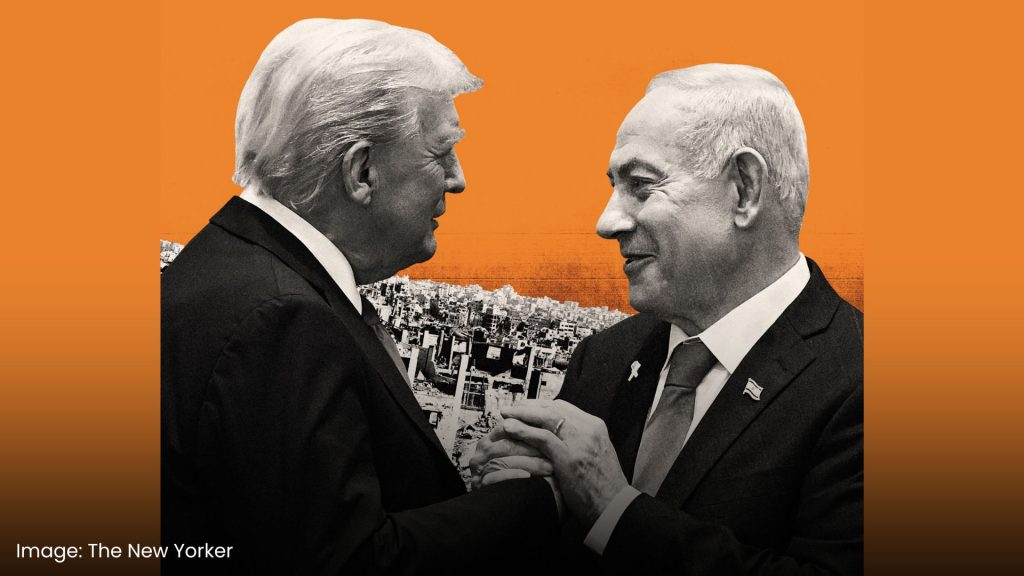
His removal was formally decided by the Court’s own member states, not by Washington directly, though the timing and circumstances remain sharply disputed.

The ICC also terminated the Abdallah Banda Darfur case after more than 15 years, leaving 103 recognised victims without a trial. Prosecutors said crucial evidence had deteriorated, while judges said that deterioration had not been conclusively demonstrated.

The contradiction is difficult to ignore. Powerful governments accuse the ICC of overreach. Victims who waited years for justice can reasonably question whether the Court has been effective enough.

The ICC is imperfect and capable of serious failure. But if governments can punish international judges whenever investigations become politically inconvenient, the larger question remains: who prosecutes alleged international crimes when powerful states refuse to prosecute themselves?

Read more about this at verumnetwork.com.

By Shizza Umer

Sources

Reuters: US sanctions ICC president, Aug 18, 2026

Reuters: Trump says ICC campaign aimed at defending Netanyahu

Reuters: ICC issues arrest warrants for Netanyahu, Gallant

Reuters: Burkina Faso, Mali, Niger move to leave ICC

Reuters: Venezuela notifies UN of ICC withdrawal

AP: Chad announces ICC withdrawal

OHCHR: UN experts on Russia’s reprisals against ICC officials

YouGov: Economist/YouGov poll on Netanyahu arrest

Reuters: ICC members vote to dismiss prosecutor Khan

AP: ICC drops Darfur war crimes case

The Moscow Times: Russia jails ICC judges, prosecutor in absentia

Middle East Eye: How Khan’s Israel probe was derailed by threats, leaks and sex claims

Middle East Eye: Netanyahu calls Khan’s ouster a “very positive development”

Al Jazeera: Khan removed over “political” sex abuse claims

PBS: ICC chief prosecutor removed over misconduct allegations
spot_img

Explore more

spot_img
Global Affairs

The UAE Files: Gold. W.rs. Spies. And One Disturbing Pattern.

Yemen Just Became Everyone’s Problem

Isr.el’s W.r on G.za’s Children: K.lled, Starved, Orphaned and Scarred

$1 BILLION For Isr.ael. A Palestinian Lawyer In Handcuffs. Welcome To...

Did the Houthis T*rget Makkah? Or Is Makkah Being Used To...

Sheeran’s own band quit, and named the “z*ionist lobby” on their...

Mosques. Homes. Water. Madrasas. How far will BJP go against India’s...

Fuel prices jumped 40%. Now Syria is erupting. Is Sharaa the...