The UAE has built one of the world’s most recognisable national brands: wealth, stability, global investment and increasingly ambitious diplomacy. But follow investigations across Africa, the Middle East and Europe, and another picture begins to emerge.
Sudan Gold and the UAE: Following the $100 Million Trail
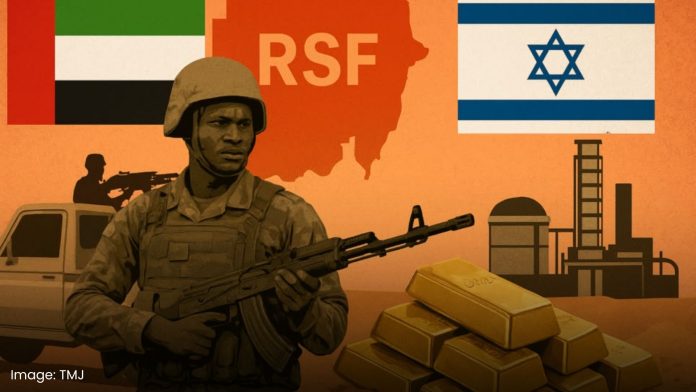
Start with Sudan. An investigation into the UAE’s expanding African footprint examined allegations surrounding 1.5 tonnes of Sudanese gold worth roughly $100 million, with witness testimony alleging that Emirati cargo aircraft collected bullion after it was moved through neighbouring countries. The account is contested, and a rebuttal published under the name of Dubai Multi Commodities Centre executive chairman Ahmed Bin Sulayem disputed both the evidence and the implications of the investigation.
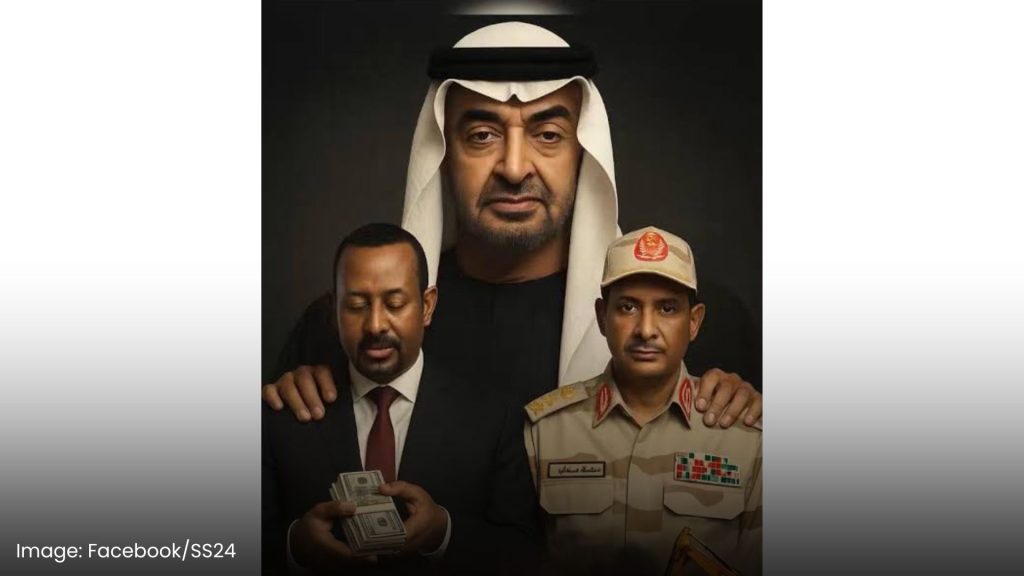
RSF Weapons: Chinese Bombs Traced to the UAE
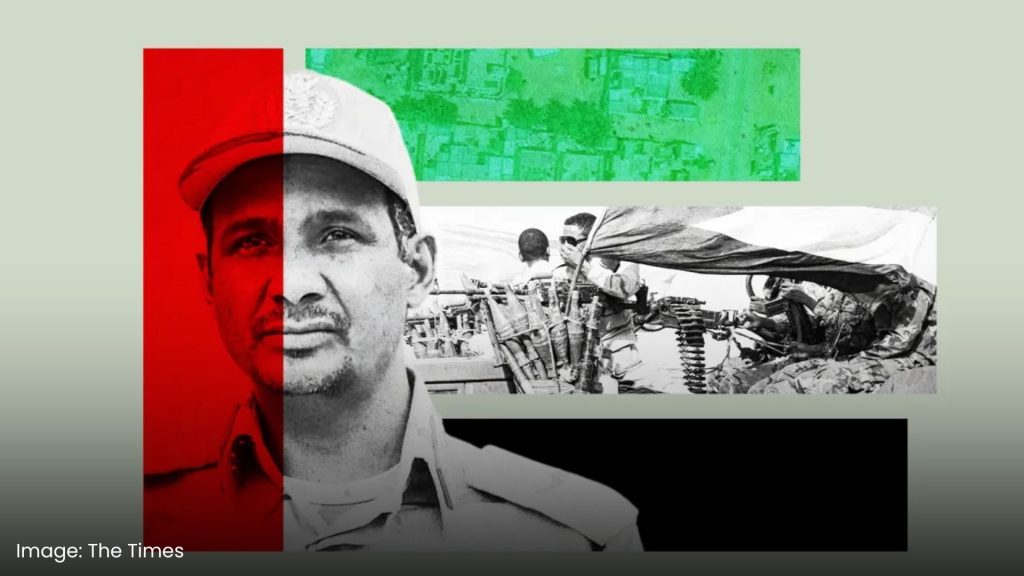
Then follow the weapons. Chinese GB50A guided bombs and AH-4 howitzers were identified in RSF use, and investigators concluded the weapons were “almost certainly” re-exported by the UAE. According to SIPRI data cited in that investigation, the UAE was the only country known to have imported the AH-4 from China. The UAE has consistently denied supporting the RSF.
Ethiopia Camp: 4,300 RSF Fighters in Training
The network extends beyond Sudan. In February, approximately 4,300 fighters were reported to be training at a secret camp in Ethiopia for the RSF. Sources said the facility was financed by the UAE, which also provided trainers and logistical support. The UAE denied involvement.
RSF and Israel: Reported Contacts With Tel Aviv
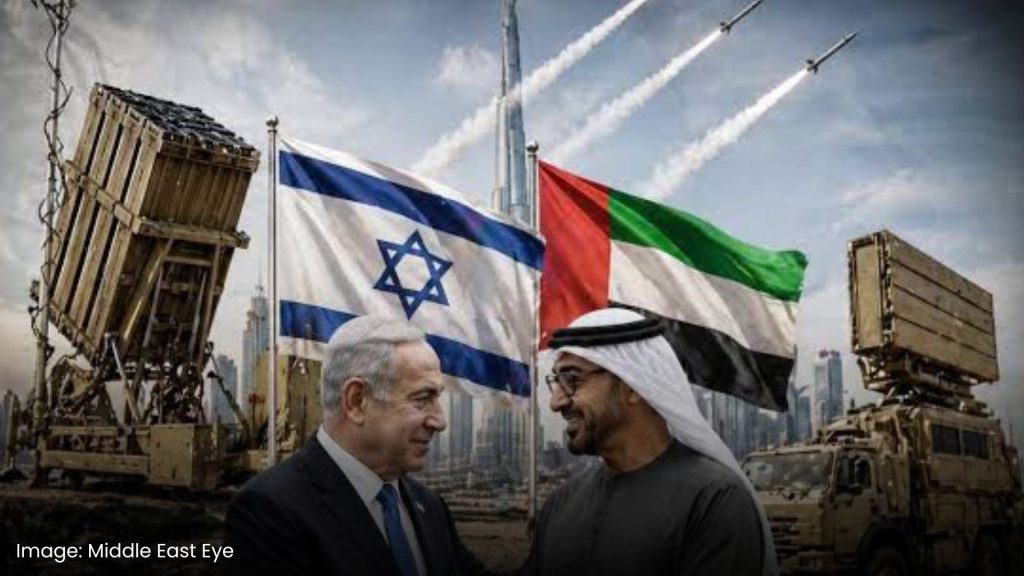
Then another relationship appears. Reporting in August described RSF leadership maintaining high-level contacts with Tel Aviv during Sudan’s war, with senior figures and members of Mohamed Hamdan Dagalo’s family making trips there as part of a security relationship predating the conflict. That establishes reported contacts. It does not establish a coordinated UAE-Isr.ael-RSF operation.
Mali Ransom: $50 Million and al-Qaeda’s JNIM
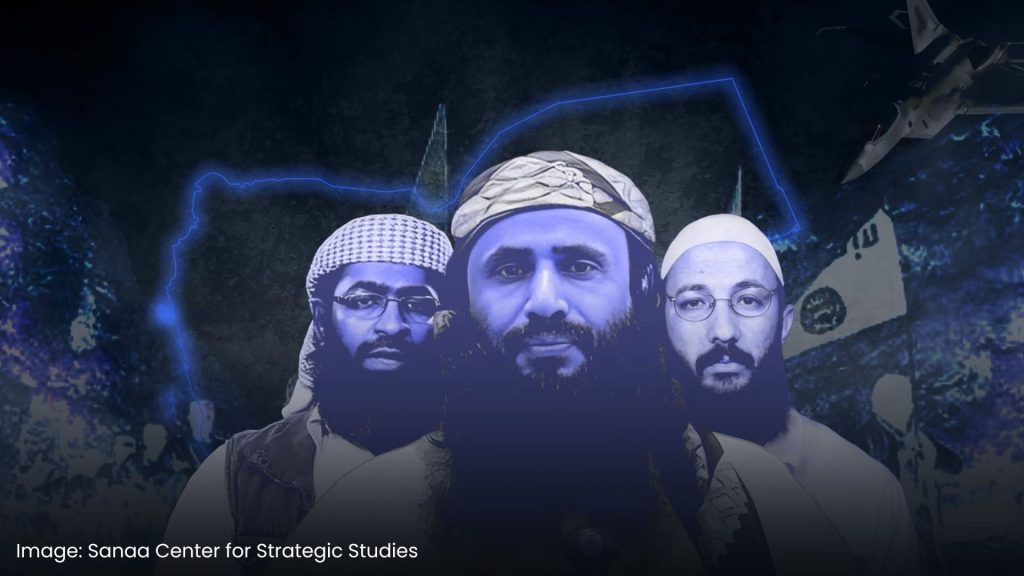
West Africa produces another extraordinary trail. UN experts found that an estimated $50 million hostage ransom paid in late 2025 subsequently helped finance al-Qaeda-linked JNIM’s operations and expansion across the Sahel. The UN did not identify the payer. But regional sources attributed the payment to the UAE, reportedly to secure the release of an Emirati and two other foreign nationals.
UAE and the Houthis: A Single-Source Allegation
Then there is Yemen. It has been alleged, citing a confidential source, that an Iran-brokered arrangement would see the UAE finance Houthi mobilisation while securing protection from Houthi attacks on Abu Dhabi.
That allegation would have enormous implications amid the Saudi-Houthi confrontation and wider Saudi-UAE tensions. But it carries a very different evidentiary weight from the weapons and training-camp findings above: it remains a single-source intelligence allegation that Verum has not independently verified.
Abu Dhabi Secrets: 1,000 Names Across Europe
And the trail doesn’t stop at battlefields. Swiss private-intelligence firm Alp Services had been contracted by the UAE government and sent Emirati intelligence the names of more than 1,000 individuals and 400 organisations across 18 European countries, labelling them as part of a Muslim Brotherhood network.
The significance is not that those people were proven Muslim Brotherhood members. It is that they were labelled as belonging to that network, with the investigation scrutinising how those classifications were constructed.
What the Evidence Shows, and What It Doesn’t
These cases do not carry equal evidentiary weight.
Some rest on physical weapons analysis, major investigations and multiple sources. Others involve leaked material, confidential sources or allegations that remain contested. UAE authorities have rejected key accusations, particularly claims that Abu Dhabi supports the RSF.
But the geography keeps expanding: Sudan. Chad. Libya. Ethiopia. The Sahel. Yemen. Isr.ael. Europe.
What began with Sudanese gold and weapons ends across three continents, touching armed groups, intelligence relationships, enormous financial flows and political influence.
Not every allegation has been proven.
But how many separate trails have to emerge before the pattern itself becomes the story?


By Shizza Umer
Sources
Financial Times | The UAE’s imperial push into Africa
Financial Times | UAE exchange boss rebuts Sudan gold claims
Ahmed Bin Sulayem | The Double Standard of Global Gold
Amnesty International | Advanced Chinese weaponry identified in Sudan
Reuters | Ethiopia camp training RSF fighters
Asharq Al-Awsat | Ethiopia builds secret camp to train Sudan RSF fighters
Sudan Tribune | Ethiopia hosts secret camp to train Sudan’s RSF with UAE support
OHCHR | Sudan: External support networks fuelling conflict, UN Fact-Finding Mission
UN News | Outside forces fuel Sudan war, new report finds
Africa Intelligence | Hemeti’s reported contacts with Isr.ael
Lighthouse Reports | Flight of the Predator
Haaretz | Jet linked to Isr.aeli spyware tycoon brings surveillance tech to Sudanese militia
Times of Isr.ael | Ex-army officer’s spy firm sent phone hacking tools to Sudanese militia
Times of Isr.ael | Leaked Elbit documents show talks to sell advanced drones to UAE
Reuters | $50 million ransom and JNIM financing
Business News Today | How a $50m hostage payment transformed JNIM’s war
Sheba Intelligence | Alleged UAE-Houthi arrangement
European Investigative Collaborations | Abu Dhabi Secrets
European People’s Party | Interference of Political Islam in European democratic processes
EUobserver | Von der Leyen’s party backs mapping Islamist networks