Did the Houthis T*rget Makkah? Or Is Makkah Being Used To Ignite The Muslim World?

Did the Houthis Target Makkah, Or Is Makkah Being Used To Ignite The Muslim World?

By Shizza Umer

A drone intercepted south of Makkah has opened a dispute far larger than the aircraft itself.

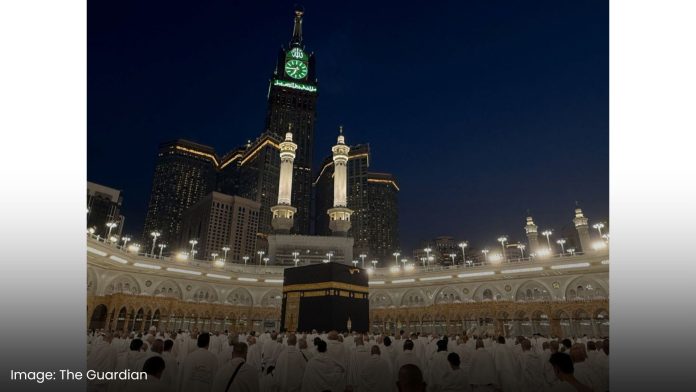
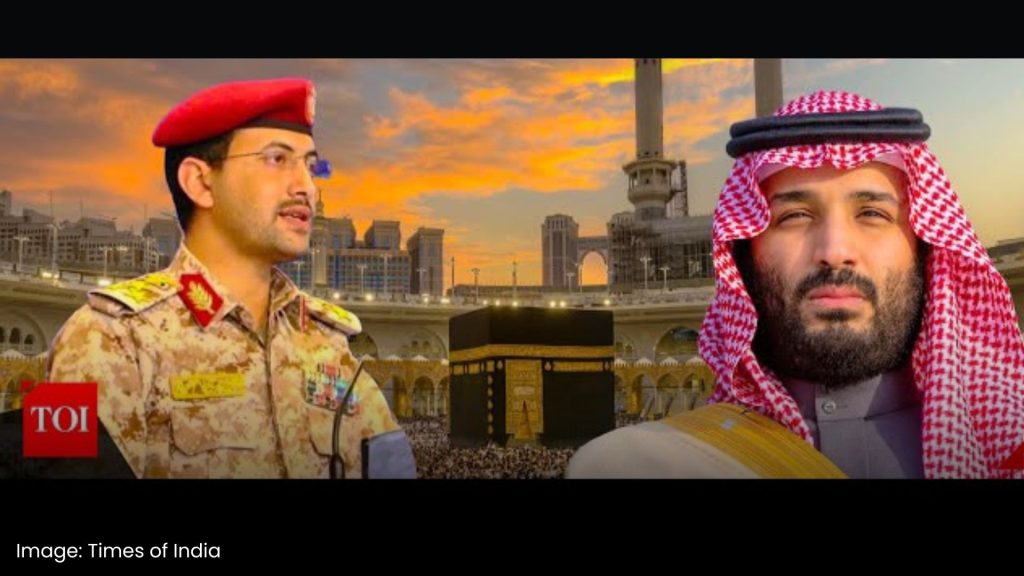
Saudi Arabia says its air defences destroyed a Houthi drone south of Makkah before it entered the city’s prohibited airspace. Saudi coalition spokesman Turki al-Malki described the security of the Two Holy Mosques and pilgrims as a “red line.”

The Houthis deny targeting Makkah. Houthi politburo member Hazem al-Assad dismissed the accusation as a “worn-out lie that has been used before.”

The most important fact therefore remains unresolved: publicly available independent evidence has not established the drone’s intended destination.

That distinction matters because an aircraft being intercepted near Makkah is not, by itself, proof that Makkah was its intended target.

The Houthis Say We Have Heard This Before

The Houthi response contains one claim that can be tested historically: allegations involving Makkah are not new.

In October 2016, Saudi Arabia said it intercepted a Houthi ballistic missile approximately 65 kilometres from Makkah. Houthi officials denied targeting the holy city and accused Riyadh of trying to rally Muslim opinion against them.

Similar disputes resurfaced in 2017 and 2019, with Saudi authorities reporting threats toward the Makkah region and Houthi officials again denying that Islam’s holiest city was their target.

Now, in 2026, essentially the same argument has returned.

Saudi Arabia says the Houthis threatened Makkah. The Houthis say Riyadh is again using the religious significance of the city to mobilise Muslim opinion.

The repetition is important, but it proves only that the dispute itself has history. It does not prove Saudi Arabia’s current allegation is false, nor does it establish that the Houthi denial is true.
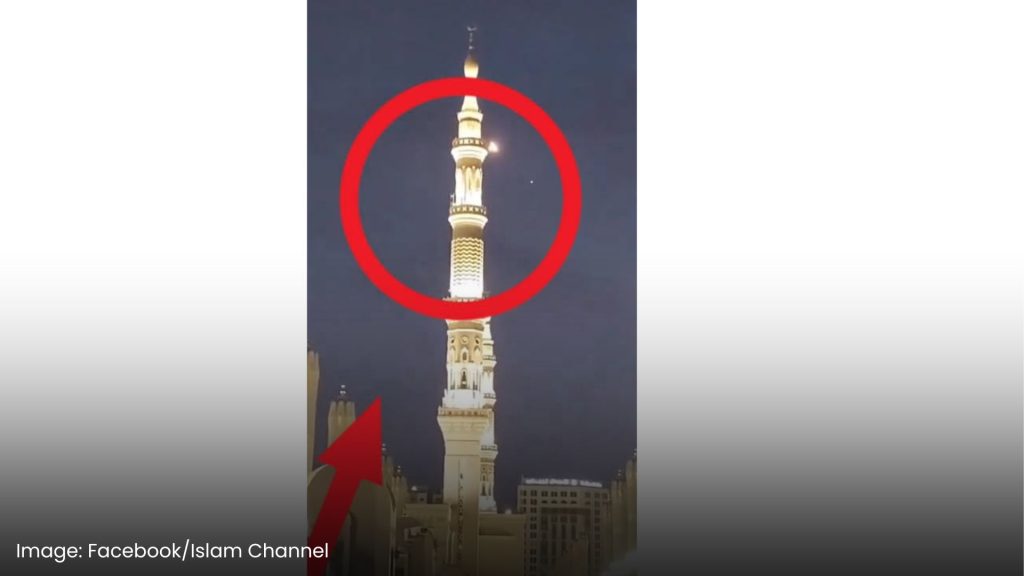
Is This An “Isr*eli Propaganda Playbook”?

Some commentators circulating the Houthi position have gone considerably further, asking whether the Makkah allegation resembles an Isr*eli-style information strategy, in which an existential or sacred threat is invoked to mobilise public support for escalation.

Some have gone as far as describing the Makkah incident as a possible false flag.

Those are allegations, not established findings.

There is currently no verified public evidence showing that Saudi Arabia fabricated the interception, coordinated the messaging with Isr*el, or that Isr*eli-backed channels organised a campaign to turn Muslims against the Houthis.

The defensible question is narrower and arguably more important:

Has Makkah been established as the drone’s intended target, or is the religious significance of the city shaping how an unresolved military incident is being understood?

At present, the public evidence cannot conclusively answer that.

Then The Makkah Pact Entered The Story

The timing is extraordinary.

On 7 August 2026, Saudi Crown Prince Mohammed bin Salman, Turkish President Recep Tayyip Erdoğan and Pakistani Prime Minister Shehbaz Sharif signed the Makkah Joint Defence Agreement at Al-Safa Palace in Makkah. The agreement is intended to strengthen collective deterrence and explicitly states that an armed attack against any one of the three states shall be regarded as an attack against them all.

The institutional framework was still developing when the current crisis arrived. On 31 August, the three countries held the inaugural meeting of the Strategic Political and Defence Committee in Istanbul. They agreed to further institutionalise cooperation and establish a secretariat in Saudi Arabia, initially headed by a Pakistani secretary-general.

The agreement has not been publicly announced as formally activated in response to the current Saudi-Houthi confrontation.
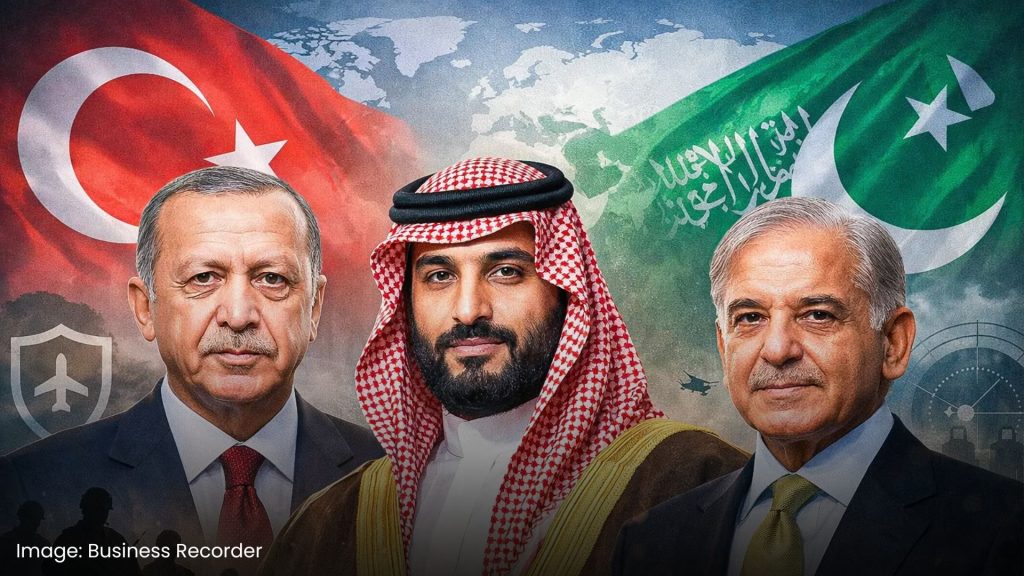
Pakistan Suddenly Has A Much Bigger Question To Answer

The Pakistan dimension is particularly significant.

The Makkah Agreement is explicitly defensive, and Pakistan’s Foreign Ministry says it is intended to strengthen collective deterrence rather than confrontation.

But a Saudi allegation that Makkah itself was threatened immediately raises the question of what those commitments mean in practice.

Pakistan therefore finds itself balancing its defence relationship with Saudi Arabia against the wider objective, repeatedly stated by the three pact members themselves, of de-escalation, restraint and peaceful resolution of regional crises.

A disputed drone incident near Makkah has therefore moved beyond a Saudi-Houthi accusation and into the strategic calculations of some of the Muslim world’s most consequential states.

This Is Already A Much Bigger Conflict

The Makkah dispute is unfolding during a much wider regional escalation.

Saudi Arabia and the Houthis have exchanged attacks, Saudi energy infrastructure has come under pressure, and Houthi territorial advances along Yemen’s Red Sea coastline have increased concern around the strategically critical Bab al-Mandab waterway. Reuters reports that the Houthis’ recent Red Sea offensive has significantly strengthened their position around the strait.

Saudi Arabia’s East-West pipeline, a crucial alternative route for moving oil away from the Strait of Hormuz, has also been knocked offline. Reuters reported that it had been rerouting around 4 million barrels per day toward the Red Sea and that a prolonged shutdown could threaten around 4% of global oil supply.

The disruption is already reaching overseas buyers. Poland’s Orlen purchased 16 additional crude cargoes after Saudi supply disruption, while Reuters reported Saudi Aramco had notified customers of late-September delivery cancellations.

Oil prices have also reacted sharply. Brent fell to $101.98 on September 17 as fears of immediate supply disruption eased, after trading substantially higher during the preceding regional escalation.

The Information War Matters Because The Stakes Are Real

The story is now being fought on two fronts.

One is physical: drones, missiles, air defences, shipping routes and energy infrastructure.

The other is informational: what happened near Makkah, who was responsible, and what Muslims should believe about it.

For Muslims, few accusations could carry greater emotional weight than a deliberate attack on Makkah. That is precisely why verification matters more here, not less.

Saudi Arabia says the Houthis threatened Islam’s holiest city.

The Houthis deny it and say Makkah is being invoked to rally Muslims against them.

Similar accusations and denials have occurred before. A new three-country defence agreement has raised the geopolitical stakes. Pakistan is now forced to consider what its new commitments mean in practice.

Yet the fact capable of changing how the entire story is understood remains unresolved:
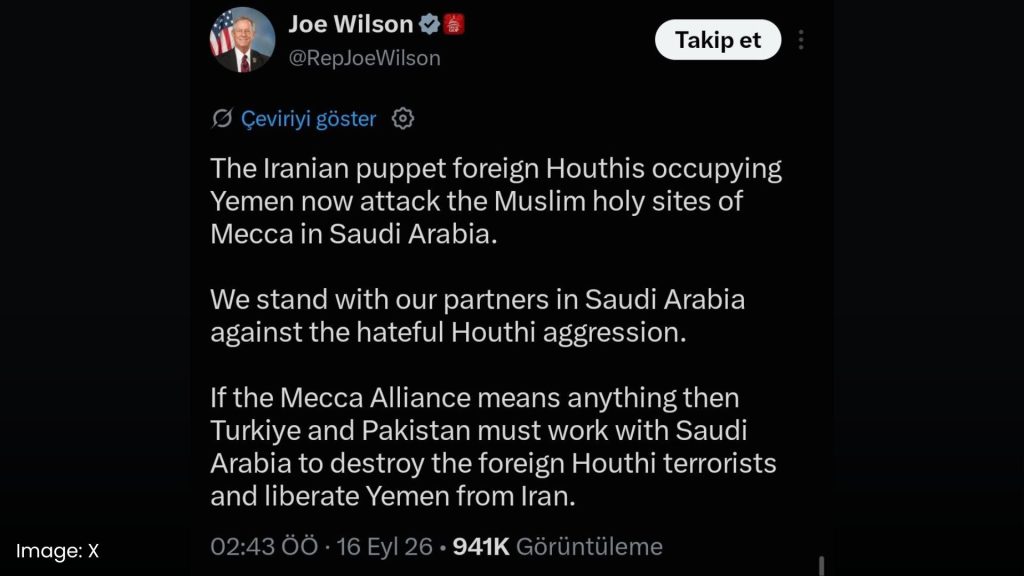
Where was the drone actually going?

Until independently verifiable evidence establishes that answer, neither “the Houthis tried to attack Makkah” nor “Saudi Arabia staged a false flag at Makkah” should be presented as proven fact.

When the allegation involves Islam’s holiest city and has the potential to mobilise governments and millions of Muslims, evidence cannot become an afterthought to outrage.

By Shizza Umer

Sources

1. Reuters | Saudi-led coalition says it destroyed Houthi drone south of Makkah

2. Pakistan Ministry of Foreign Affairs | Makkah Al-Mukarramah Summit for Joint Defence

3. Pakistan Ministry of Foreign Affairs | Message on signing of the Makkah Joint Defence Agreement

4. Pakistan Ministry of Foreign Affairs | Strategic Political and Defence Committee Joint Statement

5. Al Jazeera | Saudi Arabia intercepts Houthi missile near Makkah in 2016

6. Reuters | Saudi pipeline outage threatens 4% of global oil supply

7. Reuters | Houthi advance and Bab al-Mandab developments

8. Reuters | Oil falls as Saudi supply fears ease on September 17

9. SunnaFiles | Commentary supplied in the research bank on the false-flag allegation — Advocacy commentary, included as evidence of the allegation being made, not as independent evidence that the allegation is true.

Did the Houthis Target Makkah, Or Is Makkah Being Used To Ignite The Muslim World?

By Shizza Umer

A drone intercepted south of Makkah has opened a dispute far larger than the aircraft itself.

Saudi Arabia says its air defences destroyed a Houthi drone south of Makkah before it entered the city’s prohibited airspace. Saudi coalition spokesman Turki al-Malki described the security of the Two Holy Mosques and pilgrims as a “red line.”

The Houthis deny targeting Makkah. Houthi politburo member Hazem al-Assad dismissed the accusation as a “worn-out lie that has been used before.”

The most important fact therefore remains unresolved: publicly available independent evidence has not established the drone’s intended destination.

That distinction matters because an aircraft being intercepted near Makkah is not, by itself, proof that Makkah was its intended target.

The Houthis Say We Have Heard This Before

The Houthi response contains one claim that can be tested historically: allegations involving Makkah are not new.

In October 2016, Saudi Arabia said it intercepted a Houthi ballistic missile approximately 65 kilometres from Makkah. Houthi officials denied targeting the holy city and accused Riyadh of trying to rally Muslim opinion against them.

Similar disputes resurfaced in 2017 and 2019, with Saudi authorities reporting threats toward the Makkah region and Houthi officials again denying that Islam’s holiest city was their target.

Now, in 2026, essentially the same argument has returned.

Saudi Arabia says the Houthis threatened Makkah. The Houthis say Riyadh is again using the religious significance of the city to mobilise Muslim opinion.

The repetition is important, but it proves only that the dispute itself has history. It does not prove Saudi Arabia’s current allegation is false, nor does it establish that the Houthi denial is true.

Is This An “Isr*eli Propaganda Playbook”?

Some commentators circulating the Houthi position have gone considerably further, asking whether the Makkah allegation resembles an Isr*eli-style information strategy, in which an existential or sacred threat is invoked to mobilise public support for escalation.

Some have gone as far as describing the Makkah incident as a possible false flag.

Those are allegations, not established findings.

There is currently no verified public evidence showing that Saudi Arabia fabricated the interception, coordinated the messaging with Isr*el, or that Isr*eli-backed channels organised a campaign to turn Muslims against the Houthis.

The defensible question is narrower and arguably more important:

Has Makkah been established as the drone’s intended target, or is the religious significance of the city shaping how an unresolved military incident is being understood?

At present, the public evidence cannot conclusively answer that.

Then The Makkah Pact Entered The Story

The timing is extraordinary.

On 7 August 2026, Saudi Crown Prince Mohammed bin Salman, Turkish President Recep Tayyip Erdoğan and Pakistani Prime Minister Shehbaz Sharif signed the Makkah Joint Defence Agreement at Al-Safa Palace in Makkah. The agreement is intended to strengthen collective deterrence and explicitly states that an armed attack against any one of the three states shall be regarded as an attack against them all.

The institutional framework was still developing when the current crisis arrived. On 31 August, the three countries held the inaugural meeting of the Strategic Political and Defence Committee in Istanbul. They agreed to further institutionalise cooperation and establish a secretariat in Saudi Arabia, initially headed by a Pakistani secretary-general.

The agreement has not been publicly announced as formally activated in response to the current Saudi-Houthi confrontation.

Pakistan Suddenly Has A Much Bigger Question To Answer

The Pakistan dimension is particularly significant.

The Makkah Agreement is explicitly defensive, and Pakistan’s Foreign Ministry says it is intended to strengthen collective deterrence rather than confrontation.

But a Saudi allegation that Makkah itself was threatened immediately raises the question of what those commitments mean in practice.

Pakistan therefore finds itself balancing its defence relationship with Saudi Arabia against the wider objective, repeatedly stated by the three pact members themselves, of de-escalation, restraint and peaceful resolution of regional crises.

A disputed drone incident near Makkah has therefore moved beyond a Saudi-Houthi accusation and into the strategic calculations of some of the Muslim world’s most consequential states.

This Is Already A Much Bigger Conflict

The Makkah dispute is unfolding during a much wider regional escalation.

Saudi Arabia and the Houthis have exchanged attacks, Saudi energy infrastructure has come under pressure, and Houthi territorial advances along Yemen’s Red Sea coastline have increased concern around the strategically critical Bab al-Mandab waterway. Reuters reports that the Houthis’ recent Red Sea offensive has significantly strengthened their position around the strait.

Saudi Arabia’s East-West pipeline, a crucial alternative route for moving oil away from the Strait of Hormuz, has also been knocked offline. Reuters reported that it had been rerouting around 4 million barrels per day toward the Red Sea and that a prolonged shutdown could threaten around 4% of global oil supply.

The disruption is already reaching overseas buyers. Poland’s Orlen purchased 16 additional crude cargoes after Saudi supply disruption, while Reuters reported Saudi Aramco had notified customers of late-September delivery cancellations.

Oil prices have also reacted sharply. Brent fell to $101.98 on September 17 as fears of immediate supply disruption eased, after trading substantially higher during the preceding regional escalation.

The Information War Matters Because The Stakes Are Real

The story is now being fought on two fronts.

One is physical: drones, missiles, air defences, shipping routes and energy infrastructure.

The other is informational: what happened near Makkah, who was responsible, and what Muslims should believe about it.

For Muslims, few accusations could carry greater emotional weight than a deliberate attack on Makkah. That is precisely why verification matters more here, not less.

Saudi Arabia says the Houthis threatened Islam’s holiest city.

The Houthis deny it and say Makkah is being invoked to rally Muslims against them.

Similar accusations and denials have occurred before. A new three-country defence agreement has raised the geopolitical stakes. Pakistan is now forced to consider what its new commitments mean in practice.

Yet the fact capable of changing how the entire story is understood remains unresolved:
Where was the drone actually going?

Until independently verifiable evidence establishes that answer, neither “the Houthis tried to attack Makkah” nor “Saudi Arabia staged a false flag at Makkah” should be presented as proven fact.

When the allegation involves Islam’s holiest city and has the potential to mobilise governments and millions of Muslims, evidence cannot become an afterthought to outrage.

By Shizza Umer

Sources

1. Reuters | Saudi-led coalition says it destroyed Houthi drone south of Makkah

2. Pakistan Ministry of Foreign Affairs | Makkah Al-Mukarramah Summit for Joint Defence

3. Pakistan Ministry of Foreign Affairs | Message on signing of the Makkah Joint Defence Agreement

4. Pakistan Ministry of Foreign Affairs | Strategic Political and Defence Committee Joint Statement

5. Al Jazeera | Saudi Arabia intercepts Houthi missile near Makkah in 2016

6. Reuters | Saudi pipeline outage threatens 4% of global oil supply

7. Reuters | Houthi advance and Bab al-Mandab developments

8. Reuters | Oil falls as Saudi supply fears ease on September 17

9. SunnaFiles | Commentary supplied in the research bank on the false-flag allegation — Advocacy commentary, included as evidence of the allegation being made, not as independent evidence that the allegation is true.
spot_img

Explore more

spot_img
Global Affairs

Yemen Just Became Everyone’s Problem

Isr.el’s W.r on G.za’s Children: K.lled, Starved, Orphaned and Scarred

$1 BILLION For Isr.ael. A Palestinian Lawyer In Handcuffs. Welcome To...

Sheeran’s own band quit, and named the “z*ionist lobby” on their...

Mosques. Homes. Water. Madrasas. How far will BJP go against India’s...

Fuel prices jumped 40%. Now Syria is erupting. Is Sharaa the...

China Is Pulling Ahead. Is the West Getting Dumber?

Algeria vs UAE: Why now?