China Calls New US Iran Sanctions “Illegal” as Analysts Question Their Impact
Maryam Tariq
The United States has formally unveiled its long-promised economic offensive against Iran, dubbed Operation Economic Outcast, directly naming China among the trading partners now facing wider sanctions. China responded within hours, calling the move an illegal unilateral sanction and vowing to take all necessary measures to protect its interests, a response that arrived almost immediately after Treasury Secretary Scott Bessent’s announcement.
What the US Actually Announced
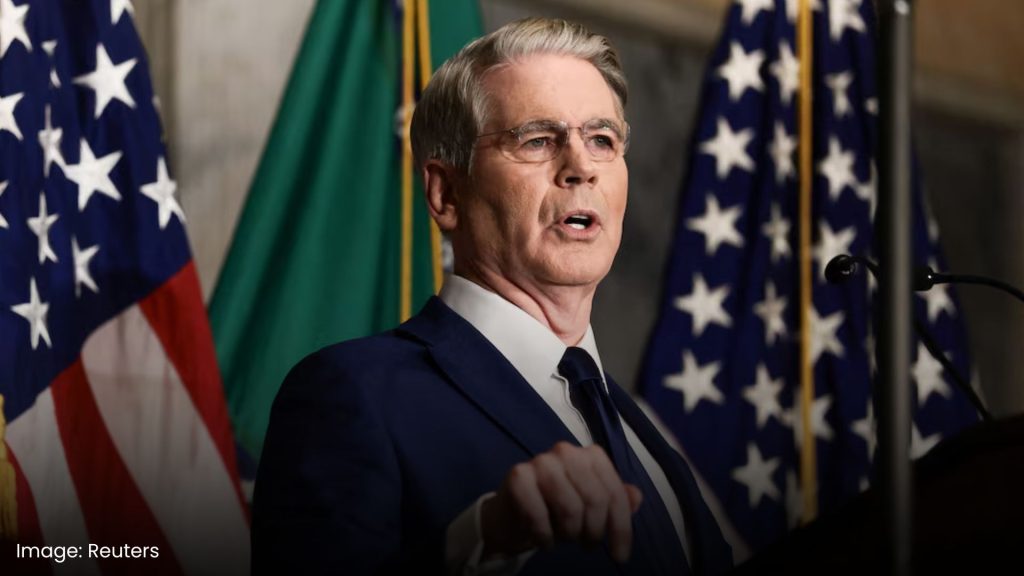
Bessent unveiled the sanctions Monday, describing them as the single greatest financial offensive ever mounted against Iran, warning that banks and businesses would share in Iran’s isolation if they refused to cut ties with the country. The Treasury said it had mapped the financial channels, facilitators and networks Iran uses to evade sanctions and trade oil, imposing sanctions on almost 60 entities, individuals and vessels. Bessent said Trump would personally call world leaders with specific requests to cease their interactions with the Iranian government, and declared that the US was no longer managing the Iranian threat, but ending it. Asked directly about Chinese banks, Bessent said plainly that no one was above the reach of US sanctions.
China’s Immediate Response
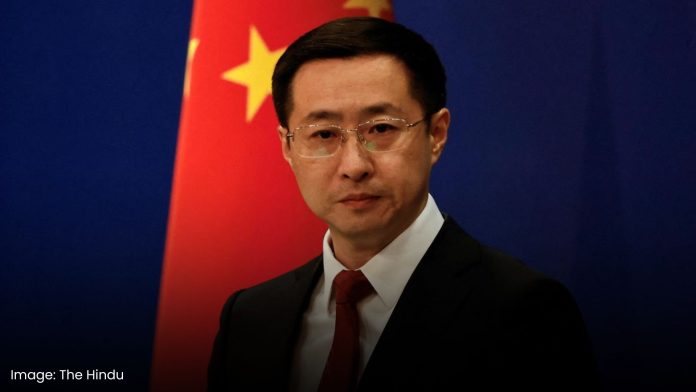
Chinese Foreign Ministry spokesman Lin Jian responded firmly, stating China was firmly opposed to what it called illegal unilateral sanctions and would take all necessary measures to safeguard its rights. He added that cooperation between China and Iran has always been conducted within the framework of international law and should not be interfered with or disrupted. China remains the largest buyer of Iranian oil, though that trade has declined under the ongoing US naval blockade of Iran’s ports.

Why Analysts Are Already Skeptical
Even before China’s formal response, economists were casting doubt on how much these sanctions could actually accomplish. David Oxley, chief climate and commodities economist at Capital Economics, told the BBC the direct impact on Iran’s energy revenues would likely be somewhat of a damp squib, since the new package will probably have only limited direct impact on Iranian energy flows in the short term. He pointed specifically to the fact that roughly 90 percent of Iran’s oil goes to China, which has not recognized US sanctions in the past and is unlikely to be cowed this time either. Ali Vaez, deputy director of the Middle East and North Africa Program at the International Crisis Group, added that China generally opposes unilateral sanctions, only complying with multilateral or internationally agreed measures, and views US-only sanctions as illegitimate. Vaez also argued the broader strategy doesn’t work because Iran’s government is willing to absorb any pain and pass it onto its own people rather than change course.
Iran’s Own Response
Iranian Economy Minister Ali Madanizadeh said Tehran was fully prepared for the wider sanctions, predicting they would lead to another defeat for the US. He said the government has had a two-year plan in place to manage exactly this kind of escalation, adding that Iran has its own tools and knows how to play the game, and had been waiting for these measures for a long time.
Why Washington Is Still Treading Carefully
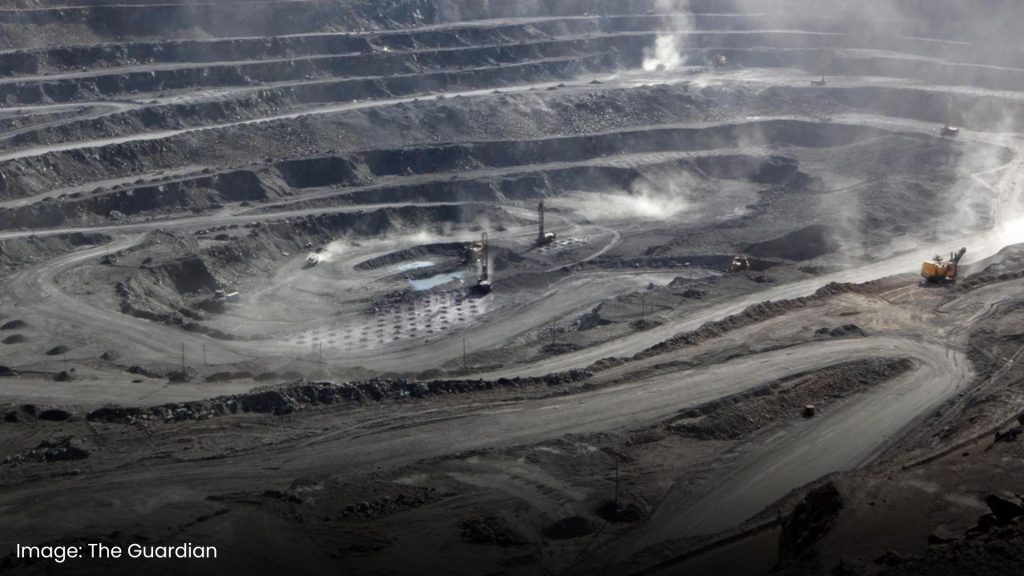
Despite the tough rhetoric, the US has real incentive for caution here. The sanctions announcement comes just weeks ahead of planned talks between Trump and Chinese President Xi Jinping. China also controls the majority of the world’s rare earth minerals and critical mineral processing, materials essential to manufacturing high-tech products, and has already tightened rare earth export controls once before during prior trade negotiations with Washington, a form of leverage Beijing could deploy again in response to sanctions pressure over Iran.
The Bigger Picture

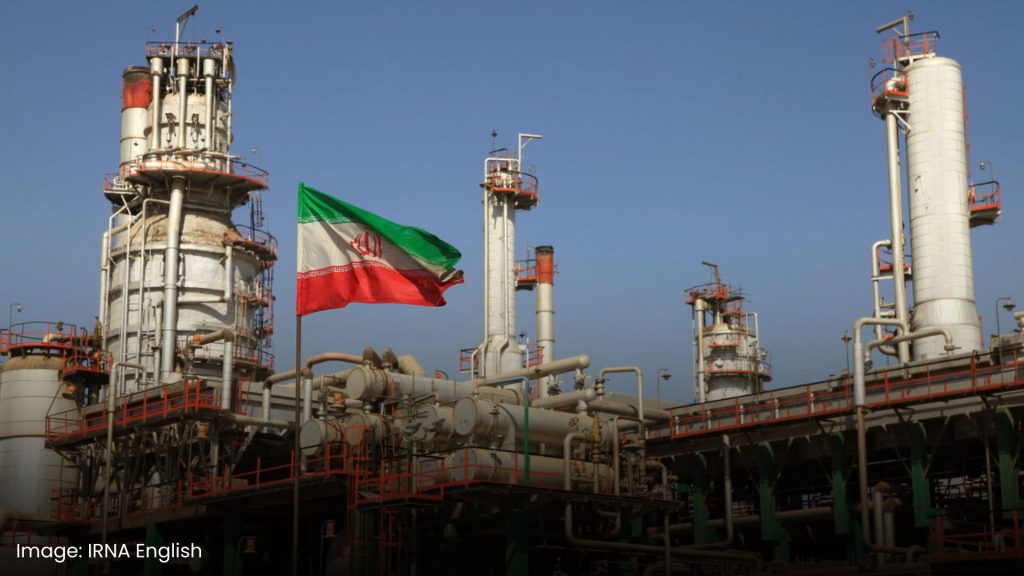
This announcement lands almost six months into the broader Iran war, which has already driven up global oil prices amid Iran’s effective blockade of exports through the Strait of Hormuz and the US Navy’s own blockade on the other side. A 60-day ceasefire formally expired last week with no settlement reached, and other countries with significant ties to Iran, including Pakistan, Turkey, Iraq, India and Russia, now face their own decisions about whether to fall in line with Washington’s demands or maintain relationships Vaez says they genuinely cannot afford to sever.
Sources:
· China hits out at “illegal” new US sanctions on Iran and trading partners — BBC: https://www.bbc.com/news/articles/china-us-iran-sanctions-illegal
· Iran says it is “fully prepared” to counter widened US economic sanctions — BBC: https://www.bbc.com/news/articles/iran-fully-prepared-sanctions