Kuwait Signs a Defense Pact With Pakistan, but It’s a Different Kind of Alliance
Maryam Tariq
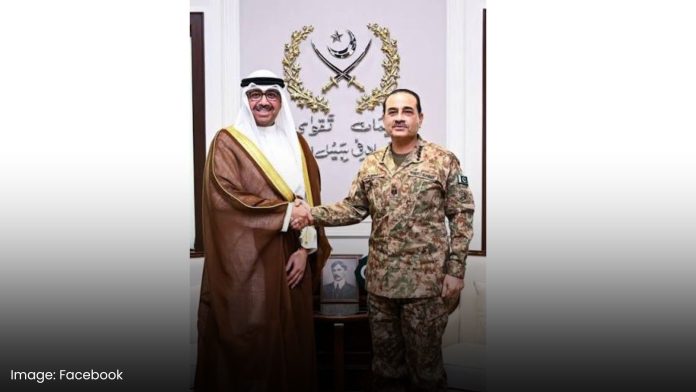
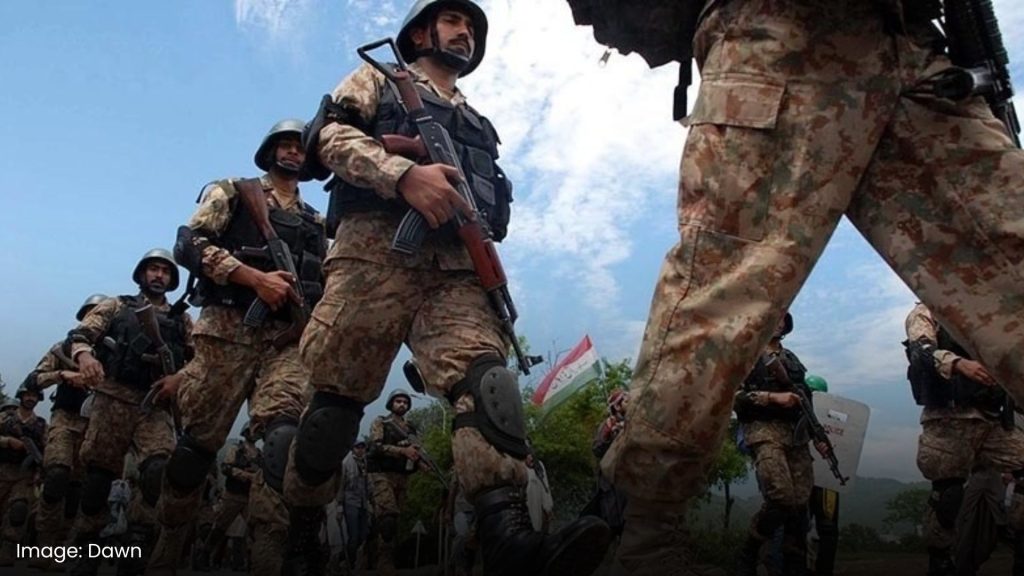
Pakistan and Kuwait signed a new military cooperation agreement in Rawalpindi this week, expanding a defense relationship that Kuwait first formally ratified in 2023. The agreement, finalized during a visit from Kuwaiti Defense Minister Sheikh Abdullah Ali Abdullah Al-Salem Al-Sabah and his Pakistani counterpart Khawaja Muhammad Asif, deepens security cooperation between the two countries, but it stops well short of the binding mutual defense commitment Pakistan has already made elsewhere in the region.
What the Kuwait Pact Actually Covers
The agreement centers on training, capacity building and technology transfer rather than combat commitments. Pakistan will deploy specialized personnel to help train Kuwaiti forces, provide technical support for border management and logistics infrastructure, and establish channels for intelligence and scientific defense research exchange. Given the wave of drone strikes and asymmetric threats currently facing Gulf states, much of the practical focus centers on counter-unmanned aircraft systems, early-warning radar, and integrated air defense frameworks, areas where Pakistan’s domestic defense industry has real expertise to offer. A Joint Military Committee will meet annually to review implementation and plan further cooperation. Crucially, the pact does not include a mutual defense clause, meaning Pakistan carries no automatic legal obligation to intervene militarily if Kuwait comes under attack, and Islamabad has explicitly ruled out deploying combat troops or fighter jets under the current terms, despite reported Kuwaiti interest in exactly that kind of physical presence.
How This Compares to Pakistan’s Mecca Pact
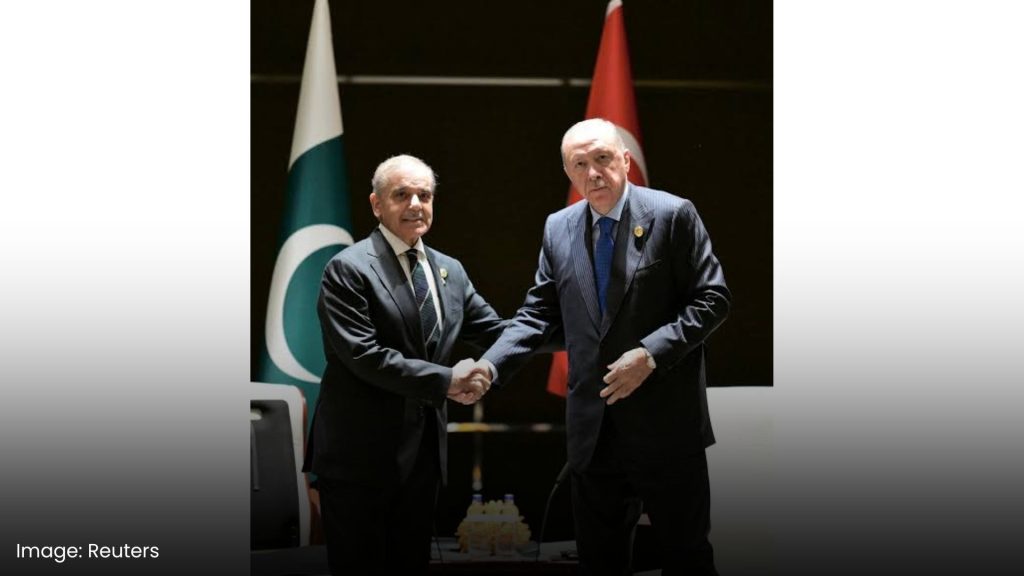
The contrast becomes sharper when placed next to the Mecca Joint Defense Agreement, which Pakistan signed alongside Saudi Arabia and Turkey on August 7, 2026. That trilateral pact, described by analysts as functioning like a regional collective defense bloc, contains an explicit clause declaring that an armed attack on any one signatory will be treated as an attack on all three. It builds on the earlier Strategic Mutual Defence Agreement Pakistan signed bilaterally with Saudi Arabia in September 2025, under which Pakistan has already deployed several thousand troops, fighter aircraft, drones and air defense systems directly onto Saudi soil. Defense analyst Mansoor Ahmed has described that arrangement as combining Saudi financial capital, Turkish defense manufacturing, and Pakistani manpower and nuclear deterrence into a single, self-reliant security ecosystem. Nothing in the Kuwait agreement approaches that level of integration or legal commitment, at least for now.


Why Kuwait Is Making This Move
Kuwait’s decision reflects a broader hedging strategy playing out across the Gulf. Historically, Kuwait has relied almost entirely on Western security guarantees, primarily from the United States, for its sovereign defense. Embedding a nuclear-armed South Asian partner into its security architecture signals Kuwait no longer views Washington as its sole guarantor, particularly amid escalating regional tensions tied to Iran and the broader instability following the recent US-Iran war. The timing lines up closely with the same pressures driving the Mecca pact itself, rising drone threats, contested shipping lanes, and growing skepticism among Gulf states about the durability of purely Western-anchored security arrangements.
Could Kuwait Eventually Join the Bigger Pact?
Several regional analysts and officials have floated exactly that possibility. Turkish Foreign Minister Hakan Fidan has said publicly that the Mecca pact’s founding members want to expand membership beyond the original three signatories, and former Qatari Prime Minister Sheikh Hamad bin Jassim Al Thani has expressed hope that all Gulf Cooperation Council members would eventually join. Analysts have specifically named Kuwait, alongside Qatar, as among the most likely near-term candidates. Viewed this way, the newly signed bilateral pact with Pakistan may function less as Kuwait’s final security destination and more as a preparatory step, building institutional familiarity and technical integration with Pakistan’s military before any potential move toward a fuller, binding alliance.
What This Means for the Region
Together, these overlapping agreements point toward a broader realignment in Gulf security architecture, one where Pakistan is emerging as a central, if uneven, security partner across multiple Gulf states simultaneously, offering deep binding commitments to some and lighter, technical partnerships to others, depending on how far each country is willing to formally diversify away from its traditional Western security relationships.

Sources:
· Kuwait, Pakistan sign joint defense agreement — Anadolu Agency: https://www.aa.com.tr/en/middle-east/kuwait-pakistan-sign-joint-defense-agreement/4039354
· Kuwait Pakistan defense pact, a step toward diversifying Gulf security partnerships — Emirates Policy Center: https://epc.ae/en/details/brief/kuwait-pakistan-defense-pact-a-step-toward-diversifying-gulf-security-partnerships
· Why Kuwait is turning to Pakistan as Gulf security shifts east — The New Arab: https://www.newarab.com/analysis/why-kuwait-turning-pakistan-gulf-security-shifts-east Why Saudi Arabia, Pakistan, and Turkey just signed a defense pact — Atlantic Council: https://www.atlanticcouncil.org/dispatches/why-saudi-arabia-pakistan-and-turkey-just-signed-a-defense-pact/