Egypt and Iran Came to Play Football. Seattle labelled their World Cup match a Pride Match. Here’s the full story

Egypt and Iran Came to the World Cup to Play Football. Seattle Made Their Match About Something Else.

Isla Montclair

A local organising committee in Seattle branded the Egypt-Iran World Cup fixture a Pride Match before the draw had even happened. Both nations formally objected, cited FIFA’s own rules, and made a straightforward argument: that cultural imposition goes both ways. Here is the full story.

How a Match Got a Political Label Before Anyone Knew Who Was Playing

The decision had been announced by Seattle’s local organising committee as part of the host city’s Pride Weekend celebrations, long before match dates and venues were assigned. Seattle PrideFest, which has been organised in the city since 2007 by a nonprofit, designated the June 26 game for celebration before FIFA made the World Cup draw. EBONY
The concept was to host activities such as an art competition celebrating creativity, inclusion, and the vibrant spirit of Seattle’s LGBTQ community. There were no particular plans for any Pride activities inside the stadium, which would fall under FIFA’s control, but Seattle World Cup 26 confirmed plans were for outside the arena and throughout the city. The Daily Beast

When the draw then confirmed that the teams playing that match would be Egypt and Iran, two Muslim-majority nations, the designation that had seemed straightforward became a flashpoint. Both Egypt and Iran complained to FIFA over the World Cup match in Seattle that was planned to celebrate LGBTQ Pride. LSE

What Egypt and Iran Actually Said and the FIFA Rule They Cited

The objections from both nations were formal, documented, and grounded in FIFA’s own rulebook.

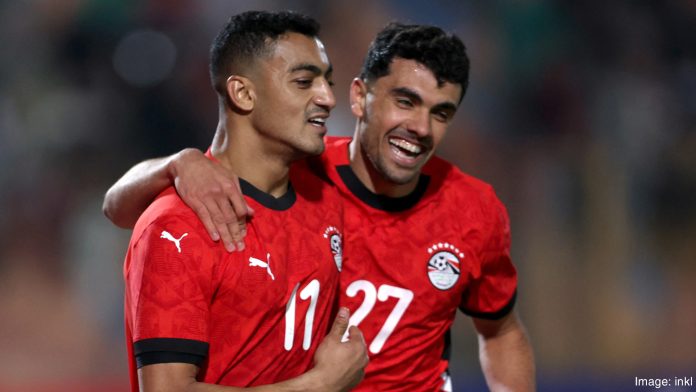
The Egyptian FA released a lengthy statement confirming they had officially complained in a letter to FIFA. It said the planned celebrations “directly contradict the cultural, religious and social values in the region, especially in Arab and Islamic societies.” It added that while FIFA is committed to a respectful and welcoming environment for all fans, it is necessary to avoid including activities that could provoke cultural and religious sensitivities between fans present from both countries, especially since such activities are culturally and religiously incompatible with Egypt and Iran. The Daily Beast

Egypt’s letter also cited Article 4 of FIFA’s own statutes, which calls for neutrality in political and social matters, and the disciplinary code’s requirement that World Cup events remain free of actions that could provoke tension among supporters. Iran issued a similar warning, arguing that designating the game as a Pride Match violates FIFA rules prohibiting political, religious or ideological messaging inside stadiums. sportanddev

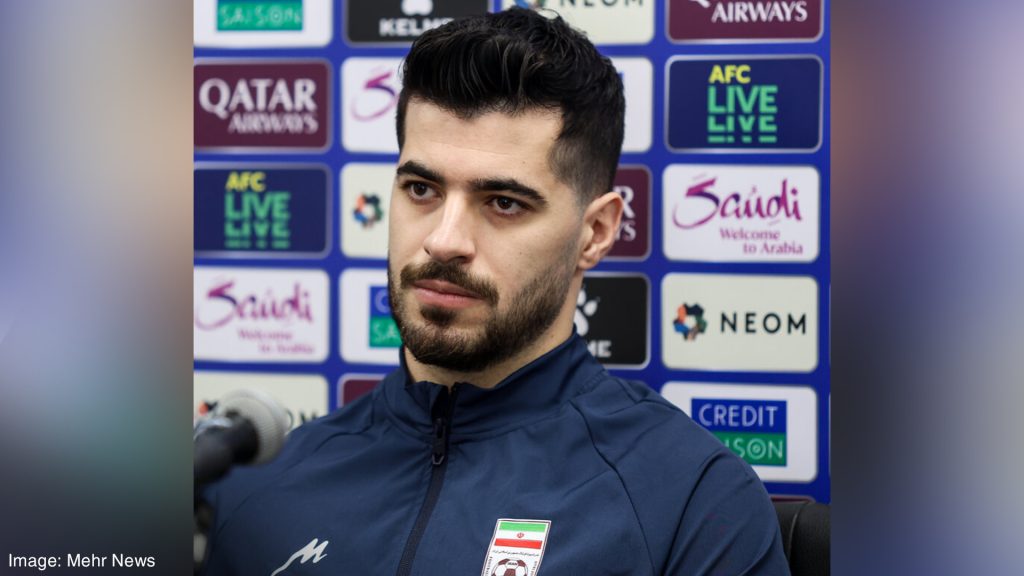
Iranian Football Federation President Mehdi Taj said: “Both Egypt and we have objected, because this is an unreasonable and illogical move that essentially signals support for a particular group, and we must definitely address this point.” LSE

The core argument both nations were making was not about the existence of Pride events in Seattle. It was about having a political and cultural designation attached specifically to their match, by a body operating independently of FIFA, before they had any say in the matter.

The FIFA Double Standard That Has Observers on Both Sides Paying Attention

The most pointed criticism of FIFA’s handling of this situation does not come from those defending anti-LGBTQ laws. It comes from those who remember exactly what happened in Qatar four years ago.

At the 2022 World Cup in Qatar, FIFA fiercely defended the right of the host nation’s cultural norms to be respected in full by visiting teams. A group of European federations wanted their team captains to wear a OneLove armband with rainbow colours symbolising human rights and diversity. FIFA and Qatari officials threatened sporting sanctions against any captain who wore one. Some Wales fans had rainbow hats removed before entering the stadium. The Washington Informer

At the 2022 World Cup in Qatar, FIFA threatened yellow cards for captains wearing the OneLove armband, citing its rules against political slogans. The message was clear: when the host nation has cultural objections, FIFA defers to those objections. MSN

In Seattle in 2026, Egypt and Iran are making structurally the same argument Qatar made. They are saying that a cultural designation attached to their match conflicts with the values of their players and fans. FIFA’s response this time has been the opposite. It has ruled that rainbow flags are permitted at all World Cup matches under its stadium code of conduct and will not be removed. The Washington Informer

Critics have pointed out that this time, while FIFA has emphasised that Seattle’s Pride events are locally organised and not part of the tournament itself, it has made clear that rainbow flags will be allowed inside the stadium despite objections from participating teams. The same organisation that removed rainbow hats in Doha is now permitting rainbow flags in Seattle over the explicit objections of two participating nations. That inconsistency is difficult to explain on principle. Yahoo Sports

FIFA’s Response and What Infantino Said

FIFA President Gianni Infantino sought to distance the organisation from the controversy, saying in an interview with Swiss publication Die Weltwoche: “First of all, I must clarify that there will be no Pride Match at the FIFA World Cup. There will be a FIFA World Cup match in Seattle, and on the same day, events organised by external organisations will be taking place in the city. But that has nothing to do with the match itself.” The Washington Informer

FIFA confirmed there would be no official Pride signage or branding inside the stadium. But it stopped well short of what Egypt and Iran asked for, which was the removal of all LGBTQ symbols from inside the venue entirely.

Seattle organising committee member Hedda McLendon told Reuters: “The Pride celebration has happened on this weekend for 50 plus years. It is going to happen this weekend. It is going to happen long after the World Cup.”

What Iran’s Coach Said Before the Match

The clearest statement of where both nations stood came not from a federation letter but from a press conference.

Before Iran coach Amir Ghalenoei and goalkeeper Alireza Beiranvand could answer any questions at their pre-match press conference, a FIFA official informed the media that the Iranian team was only willing to answer questions in relation to the game. Ghalenoei then said: “I said we are here to play football. For nothing else. Our entire focus is going to be on tomorrow’s game, on succeeding in tomorrow’s game.” The Washington Informer

That statement captures the argument Egypt and Iran have been making from the beginning. They entered a global football tournament to play football. A local committee, operating entirely independently of FIFA, attached a political designation to their specific match before the draw had even decided who would play it. When they formally objected using FIFA’s own rulebook, they were told the flags would stay.

Whether a city’s right to celebrate its own culture extends to branding a visiting nation’s football match as part of that celebration is the question at the centre of all of this. It is one that FIFA’s inconsistent record on the subject makes considerably harder to answer.

Sources:

·  FIFA won’t prohibit rainbow flags at Egypt-Iran match, ESPN: https://www.espn.com/soccer/story/_/id/49179384/fifa-not-prohibit-rainbow-flags-egypt-iran-match

·  Iran, Egypt protest Seattle’s Pride Match branding for 2026 World Cup game, Iran International: https://www.iranintl.com/en/202512095318

·  World Cup: How a group match scheduled in Seattle has caused outrage in Egypt and Iran, CNN: https://www.cnn.com/2025/12/11/sport/soccer-world-cup-pride-match-egypt-iran

·  World Cup 2026: FIFA refuses to ban rainbow flags despite Iran, Egypt objections, France 24: https://www.france24.com/en/world-cup-pride-match-fifa-refuses-to-ban-rainbow-flags-despite-iran-egypt-objections

·  FIFA to allow rainbow flags at Iran-Egypt Seattle Pride Match, NewsNation: https://www.newsnationnow.com/us-news/sports/world-cup/fifa-rainbow-flags-iran-egypt-pride-match/ ·  World Cup 2026 FIFA allows rainbow flags Egypt Iran match Seattle Pride, NBC News: https://www.nbcnews.com/sports/soccer/world-cup-2026-fifa-allows-rainbow-flags-egypt-iran-match-seattle-prid-rcna351792
Egypt and Iran Came to the World Cup to Play Football. Seattle Made Their Match About Something Else.

Isla Montclair

A local organising committee in Seattle branded the Egypt-Iran World Cup fixture a Pride Match before the draw had even happened. Both nations formally objected, cited FIFA’s own rules, and made a straightforward argument: that cultural imposition goes both ways. Here is the full story.

How a Match Got a Political Label Before Anyone Knew Who Was Playing

The decision had been announced by Seattle’s local organising committee as part of the host city’s Pride Weekend celebrations, long before match dates and venues were assigned. Seattle PrideFest, which has been organised in the city since 2007 by a nonprofit, designated the June 26 game for celebration before FIFA made the World Cup draw. EBONY

The concept was to host activities such as an art competition celebrating creativity, inclusion, and the vibrant spirit of Seattle’s LGBTQ community. There were no particular plans for any Pride activities inside the stadium, which would fall under FIFA’s control, but Seattle World Cup 26 confirmed plans were for outside the arena and throughout the city. The Daily Beast

When the draw then confirmed that the teams playing that match would be Egypt and Iran, two Muslim-majority nations, the designation that had seemed straightforward became a flashpoint. Both Egypt and Iran complained to FIFA over the World Cup match in Seattle that was planned to celebrate LGBTQ Pride. LSE

What Egypt and Iran Actually Said and the FIFA Rule They Cited

The objections from both nations were formal, documented, and grounded in FIFA’s own rulebook.

The Egyptian FA released a lengthy statement confirming they had officially complained in a letter to FIFA. It said the planned celebrations “directly contradict the cultural, religious and social values in the region, especially in Arab and Islamic societies.” It added that while FIFA is committed to a respectful and welcoming environment for all fans, it is necessary to avoid including activities that could provoke cultural and religious sensitivities between fans present from both countries, especially since such activities are culturally and religiously incompatible with Egypt and Iran. The Daily Beast

Egypt’s letter also cited Article 4 of FIFA’s own statutes, which calls for neutrality in political and social matters, and the disciplinary code’s requirement that World Cup events remain free of actions that could provoke tension among supporters. Iran issued a similar warning, arguing that designating the game as a Pride Match violates FIFA rules prohibiting political, religious or ideological messaging inside stadiums. sportanddev

Iranian Football Federation President Mehdi Taj said: “Both Egypt and we have objected, because this is an unreasonable and illogical move that essentially signals support for a particular group, and we must definitely address this point.” LSE

The core argument both nations were making was not about the existence of Pride events in Seattle. It was about having a political and cultural designation attached specifically to their match, by a body operating independently of FIFA, before they had any say in the matter.

The FIFA Double Standard That Has Observers on Both Sides Paying Attention

The most pointed criticism of FIFA’s handling of this situation does not come from those defending anti-LGBTQ laws. It comes from those who remember exactly what happened in Qatar four years ago.

At the 2022 World Cup in Qatar, FIFA fiercely defended the right of the host nation’s cultural norms to be respected in full by visiting teams. A group of European federations wanted their team captains to wear a OneLove armband with rainbow colours symbolising human rights and diversity. FIFA and Qatari officials threatened sporting sanctions against any captain who wore one. Some Wales fans had rainbow hats removed before entering the stadium. The Washington Informer

At the 2022 World Cup in Qatar, FIFA threatened yellow cards for captains wearing the OneLove armband, citing its rules against political slogans. The message was clear: when the host nation has cultural objections, FIFA defers to those objections. MSN

In Seattle in 2026, Egypt and Iran are making structurally the same argument Qatar made. They are saying that a cultural designation attached to their match conflicts with the values of their players and fans. FIFA’s response this time has been the opposite. It has ruled that rainbow flags are permitted at all World Cup matches under its stadium code of conduct and will not be removed. The Washington Informer

Critics have pointed out that this time, while FIFA has emphasised that Seattle’s Pride events are locally organised and not part of the tournament itself, it has made clear that rainbow flags will be allowed inside the stadium despite objections from participating teams. The same organisation that removed rainbow hats in Doha is now permitting rainbow flags in Seattle over the explicit objections of two participating nations. That inconsistency is difficult to explain on principle. Yahoo Sports

FIFA’s Response and What Infantino Said

FIFA President Gianni Infantino sought to distance the organisation from the controversy, saying in an interview with Swiss publication Die Weltwoche: “First of all, I must clarify that there will be no Pride Match at the FIFA World Cup. There will be a FIFA World Cup match in Seattle, and on the same day, events organised by external organisations will be taking place in the city. But that has nothing to do with the match itself.” The Washington Informer

FIFA confirmed there would be no official Pride signage or branding inside the stadium. But it stopped well short of what Egypt and Iran asked for, which was the removal of all LGBTQ symbols from inside the venue entirely.

Seattle organising committee member Hedda McLendon told Reuters: “The Pride celebration has happened on this weekend for 50 plus years. It is going to happen this weekend. It is going to happen long after the World Cup.”

What Iran’s Coach Said Before the Match

The clearest statement of where both nations stood came not from a federation letter but from a press conference.

Before Iran coach Amir Ghalenoei and goalkeeper Alireza Beiranvand could answer any questions at their pre-match press conference, a FIFA official informed the media that the Iranian team was only willing to answer questions in relation to the game. Ghalenoei then said: “I said we are here to play football. For nothing else. Our entire focus is going to be on tomorrow’s game, on succeeding in tomorrow’s game.” The Washington Informer

That statement captures the argument Egypt and Iran have been making from the beginning. They entered a global football tournament to play football. A local committee, operating entirely independently of FIFA, attached a political designation to their specific match before the draw had even decided who would play it. When they formally objected using FIFA’s own rulebook, they were told the flags would stay.

Whether a city’s right to celebrate its own culture extends to branding a visiting nation’s football match as part of that celebration is the question at the centre of all of this. It is one that FIFA’s inconsistent record on the subject makes considerably harder to answer.

Sources:

·  FIFA won’t prohibit rainbow flags at Egypt-Iran match, ESPN: https://www.espn.com/soccer/story/_/id/49179384/fifa-not-prohibit-rainbow-flags-egypt-iran-match

·  Iran, Egypt protest Seattle’s Pride Match branding for 2026 World Cup game, Iran International: https://www.iranintl.com/en/202512095318

·  World Cup: How a group match scheduled in Seattle has caused outrage in Egypt and Iran, CNN: https://www.cnn.com/2025/12/11/sport/soccer-world-cup-pride-match-egypt-iran

·  World Cup 2026: FIFA refuses to ban rainbow flags despite Iran, Egypt objections, France 24: https://www.france24.com/en/world-cup-pride-match-fifa-refuses-to-ban-rainbow-flags-despite-iran-egypt-objections

·  FIFA to allow rainbow flags at Iran-Egypt Seattle Pride Match, NewsNation: https://www.newsnationnow.com/us-news/sports/world-cup/fifa-rainbow-flags-iran-egypt-pride-match/ ·  World Cup 2026 FIFA allows rainbow flags Egypt Iran match Seattle Pride, NBC News: https://www.nbcnews.com/sports/soccer/world-cup-2026-fifa-allows-rainbow-flags-egypt-iran-match-seattle-prid-rcna351792

spot_img

Explore more

spot_img
Global Affairs

US Senators Push Bill to Punish India and China for Buying...

Behind the Cockroach Protests: A Broken Exam System That’s Cost Students...

The 2026 World Cup’s Real Price Tag: Billions Lost Before a...

Two US Service Members Killed in Jordan as Iran Suspends Its Ceasefire...

Mamdani Says He’s Exploring How to Arrest Netanyahu During His September...

Rubio Calls the Left a “Unique Evil” at Global Terrorism Summit,...

Trump Demands ABC, NBC Lose Licenses After Networks Skip Live Airing...