Lindsay Clancy’s Trial Ends in Mistrial. Then Two More Mothers Face Child Murder Charges.

The U.S. House Just Voted to Punish Universities That Boycott Isr*el

By Shizza Umer

The U.S. House has opened a new front in America’s battle over Isr*el, campus activism and free speech.

On September 3, lawmakers passed H.R. 4795, the Protect Economic and Academic Freedom Act of 2026, by 237 votes to 169. The official House roll call shows 203 Republicans, 33 Democrats and one Independent voted yes, while 167 Democrats and two Republicans voted no.

The bill is not law yet. It now heads to the Senate, where its prospects remain uncertain.

What H.R. 4795 Would Actually Do

The legislation targets what it defines as a “nonexpressive commercial boycott” of Isr*el by universities participating in federal student-aid programs.

According to the Congressional Budget Office, this can include refusing to do business, or terminating business activity, with Isr*el or entities organized, licensed or regulated under Isr*eli law when the purpose is to restrict commercial relations and there is no valid business reason.

The financial consequences could be substantial. Institutions violating their participation agreements could lose eligibility for federal student-aid programs, including Pell Grants and federal student loans.

That is more precise than saying the legislation simply strips universities of “all federal funding.” It does not.

The bill separately requires universities receiving or seeking certain federal international-education and foreign-language funding to certify annually that students and faculty can participate in programs in Isr*el on equivalent terms to programs in other countries, and that participants from Isr*eli institutions receive equivalent access.

33 Democrats Joined Republicans

The vote was overwhelmingly Republican, but it was not purely partisan.

Thirty-three Democrats voted for the legislation, joining 203 Republicans and one Independent. Only two Republicans voted against it.

The bill also has bipartisan authorship. Republican Rep. Virginia Foxx and Democratic Rep. Josh Gottheimer have championed the measure.

Gottheimer argues the legislation protects students and professors from discrimination and maintains that it does not prohibit protected speech, protests or academic debate.

Foxx has presented the legislation as a response to BDS activity on American campuses and argues taxpayers should not financially support institutions participating in such campaigns.
Even Some BDS Opponents Voted No

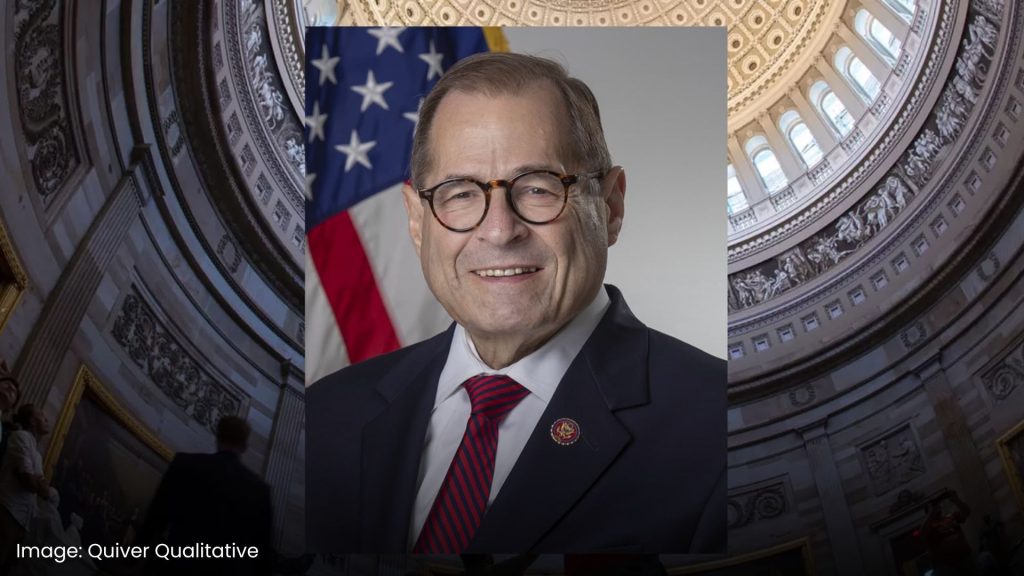
One of the most striking objections came from Democratic Rep. Jerry Nadler.

Nadler is himself a fierce opponent of BDS. Yet he voted against H.R. 4795 because he argues people retain a First Amendment right to participate in political boycotts even when he strongly disagrees with them.

House Democratic Leader Hakeem Jeffries also opposed the legislation. Jeffries said he continues to oppose BDS but argued H.R. 4795 is poorly written and could give the Trump administration power to pursue punitive political action against universities.

That distinction has become central to the controversy.

Supporters argue the legislation regulates commercial conduct rather than expression. Critics counter that calling a politically motivated boycott “nonexpressive” does not necessarily eliminate its First Amendment implications.

Why the West Bank Is Part of the Fight

Another controversy lies inside the bill’s definition.

Its restrictions extend beyond Isr*el itself to entities organized, licensed or regulated under Isr*eli law.

Critics, including Nadler and the liberal pro-Isr*el organization J Street, argue that this language could encompass Isr*eli entities operating in the occupied West Bank and potentially penalize universities for boycotting settlement-related activity.

Supporters maintain the legislation is necessary to prevent discriminatory treatment of Isr*eli institutions, academics and students.

What Happens Next in the Senate?

H.R. 4795 has cleared the House, but nothing changes for universities simply because of this vote. The legislation must still pass the Senate and be signed into law before its restrictions can take effect.

Whether enough senators will support it remains uncertain.

What is already clear is that the debate has moved beyond whether individual lawmakers support or oppose BDS.

Congress is confronting a much larger question: how far can the federal government use education funding to influence politically motivated commercial decisions made by American universities?

By Shizza Umer

Sources

U.S. House Clerk, Roll Call 295

Congressional Budget Office, H.R. 4795 Analysis

GovInfo, House-Passed Text of H.R. 4795

House Rules Committee, H.R. 4795

Reuters

The Guardian

Rep. Josh Gottheimer

House Democratic Leader Hakeem Jeffries

J Street

The U.S. House Just Voted to Punish Universities That Boycott Isr*el

By Shizza Umer

The U.S. House has opened a new front in America’s battle over Isr*el, campus activism and free speech.

On September 3, lawmakers passed H.R. 4795, the Protect Economic and Academic Freedom Act of 2026, by 237 votes to 169. The official House roll call shows 203 Republicans, 33 Democrats and one Independent voted yes, while 167 Democrats and two Republicans voted no.

The bill is not law yet. It now heads to the Senate, where its prospects remain uncertain.

What H.R. 4795 Would Actually Do

The legislation targets what it defines as a “nonexpressive commercial boycott” of Isr*el by universities participating in federal student-aid programs.

According to the Congressional Budget Office, this can include refusing to do business, or terminating business activity, with Isr*el or entities organized, licensed or regulated under Isr*eli law when the purpose is to restrict commercial relations and there is no valid business reason.

The financial consequences could be substantial. Institutions violating their participation agreements could lose eligibility for federal student-aid programs, including Pell Grants and federal student loans.

That is more precise than saying the legislation simply strips universities of “all federal funding.” It does not.

The bill separately requires universities receiving or seeking certain federal international-education and foreign-language funding to certify annually that students and faculty can participate in programs in Isr*el on equivalent terms to programs in other countries, and that participants from Isr*eli institutions receive equivalent access.

33 Democrats Joined Republicans

The vote was overwhelmingly Republican, but it was not purely partisan.

Thirty-three Democrats voted for the legislation, joining 203 Republicans and one Independent. Only two Republicans voted against it.

The bill also has bipartisan authorship. Republican Rep. Virginia Foxx and Democratic Rep. Josh Gottheimer have championed the measure.

Gottheimer argues the legislation protects students and professors from discrimination and maintains that it does not prohibit protected speech, protests or academic debate.

Foxx has presented the legislation as a response to BDS activity on American campuses and argues taxpayers should not financially support institutions participating in such campaigns.

Even Some BDS Opponents Voted No

One of the most striking objections came from Democratic Rep. Jerry Nadler.

Nadler is himself a fierce opponent of BDS. Yet he voted against H.R. 4795 because he argues people retain a First Amendment right to participate in political boycotts even when he strongly disagrees with them.

House Democratic Leader Hakeem Jeffries also opposed the legislation. Jeffries said he continues to oppose BDS but argued H.R. 4795 is poorly written and could give the Trump administration power to pursue punitive political action against universities.

That distinction has become central to the controversy.

Supporters argue the legislation regulates commercial conduct rather than expression. Critics counter that calling a politically motivated boycott “nonexpressive” does not necessarily eliminate its First Amendment implications.

Why the West Bank Is Part of the Fight

Another controversy lies inside the bill’s definition.

Its restrictions extend beyond Isr*el itself to entities organized, licensed or regulated under Isr*eli law.

Critics, including Nadler and the liberal pro-Isr*el organization J Street, argue that this language could encompass Isr*eli entities operating in the occupied West Bank and potentially penalize universities for boycotting settlement-related activity.

Supporters maintain the legislation is necessary to prevent discriminatory treatment of Isr*eli institutions, academics and students.

What Happens Next in the Senate?

H.R. 4795 has cleared the House, but nothing changes for universities simply because of this vote. The legislation must still pass the Senate and be signed into law before its restrictions can take effect.

Whether enough senators will support it remains uncertain.

What is already clear is that the debate has moved beyond whether individual lawmakers support or oppose BDS.

Congress is confronting a much larger question: how far can the federal government use education funding to influence politically motivated commercial decisions made by American universities?

By Shizza Umer

Sources

U.S. House Clerk, Roll Call 295

Congressional Budget Office, H.R. 4795 Analysis

GovInfo, House-Passed Text of H.R. 4795

House Rules Committee, H.R. 4795

Reuters

The Guardian

Rep. Josh Gottheimer

House Democratic Leader Hakeem Jeffries

J Street

spot_img

Explore more

spot_img
Global Affairs

Britain Bans Settlement Goods. Isr*el Retaliates Immediately.

Your receding hairline may be Wall Street’s next goldmine.

Jews then. Muslims now? Germany’s far right is rising again.

THE UN JUST ADMITTED THE 1.5°C PROMISE IS BROKEN

Mark Ruffalo’s Hollywood Showdown

WHO CONTROLS THE INDUS? THE HAGUE AND INDIA ARE NOW IN...

Two News Crews. Four Days. Both Att∗acked By Isr∗eli Settlers.

THE RSS TAKES MADISON SQUARE GARDEN