Five Days. Three Mosques Demolished. One Question India Still Won’t Answer.

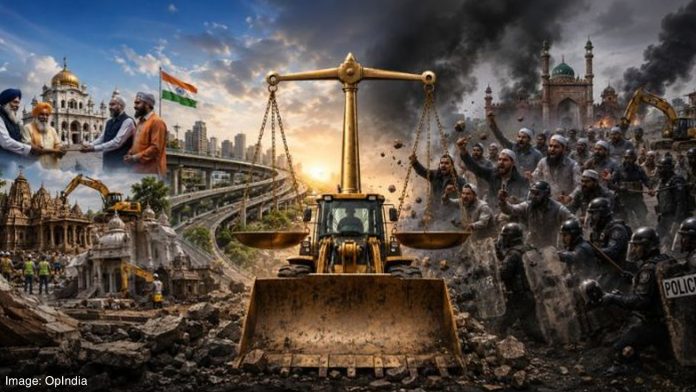
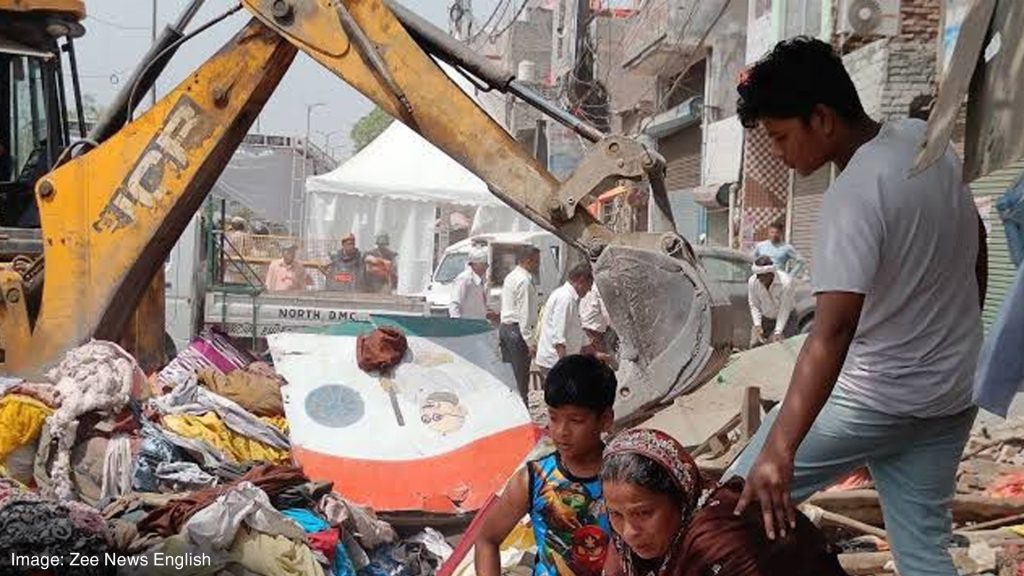
The Bulldozer Has Become One Of The Most Feared Symbols In Modi’s India

The bulldozer has become one of the most feared symbols in Modi’s India.

Authorities call it encroachment removal. Rights groups call it targeted punishment. Muslim communities call it a warning.

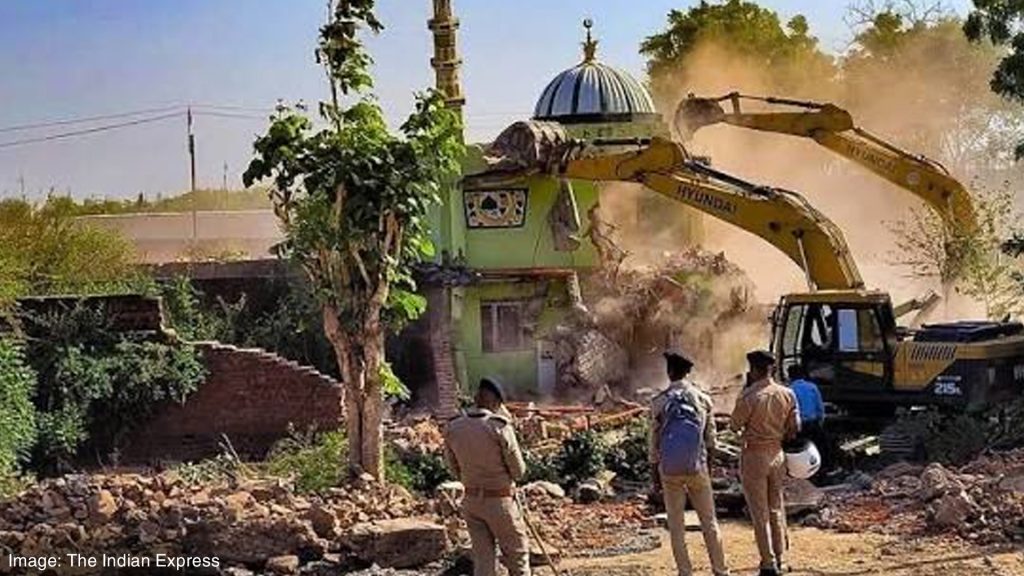
In just five days, three mosques were demolished across BJP-ruled Indian states. One in Varanasi. One in Sambhal. One in Jaipur. Each demolition came with an official explanation: railway land, village council land, road-widening, anti-encroachment action. But together, they have raised a much larger question about power, due process and Muslim places of worship in India.

The Wider Pattern Behind The Demolitions

Critics say the demolitions cannot be separated from the wider anti-Muslim politics of Modi’s BJP. Rights groups have repeatedly warned that bulldozer actions in India have disproportionately hit Muslim homes, businesses and places of worship. Amnesty International’s 2024 report said demolitions of Muslim homes, businesses and places of worship had been used unlawfully. Human Rights Watch said Indian authorities continued to discriminate against minority communities and targeted victims of violence through unlawful demolitions of Muslim homes and properties.
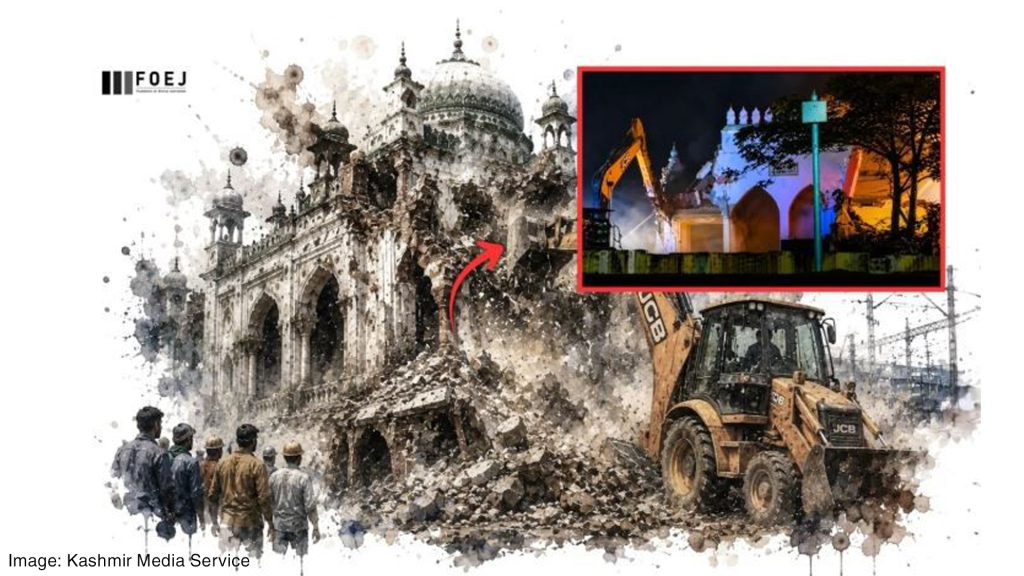
For many Muslims, the memory of Babri Masjid never disappeared. The Babri mosque was demolished by a Hindu nationalist mob in 1992. More than three decades later, Prime Minister Narendra Modi inaugurated a Ram temple built on the site, turning one of India’s most painful communal flashpoints into one of the BJP’s most powerful political symbols.

Now, critics say, the story has entered a new era. The bulldozer often arrives wrapped in the language of law, land and development.

Varanasi: Ajgaib Shaheed Mosque

The first demolition took place in Varanasi, Uttar Pradesh, where the Ajgaib Shaheed Mosque was brought down near Kashi railway station. The mosque, described by locals as nearly 200 years old, was demolished during a night operation connected to the Rs 304.61-crore Kashi Railway Station redevelopment project. Officials said the land belonged to Indian Railways and had to be cleared for expansion.

The operation began after midnight. More than 1,000 police and paramilitary personnel were deployed to keep the area clear. Five bulldozers were used. The whole structure was gone in 22 minutes. Debris was removed before dawn. By morning, there was nothing left to see.

For authorities, it was a land clearance. For locals, it was the loss of a mosque they said had stood for generations.

Sambhal: Masjid Mustafa Qadri

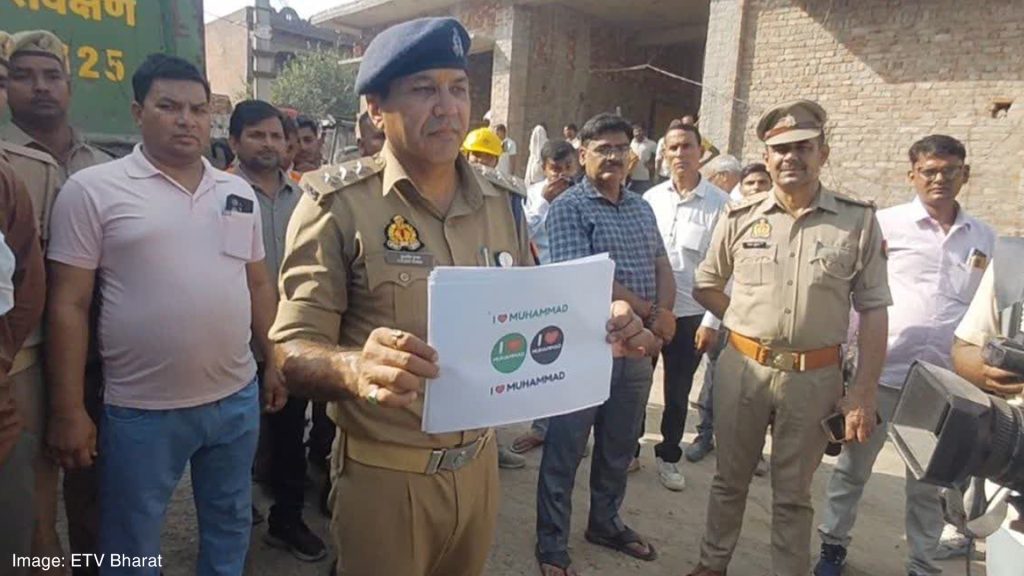
The second demolition was in Sambhal, Uttar Pradesh, where Masjid Mustafa Qadri in Kaserua village was demolished on June 6. Local residents described the mosque as around 150 years old. They said it was the only daily congregational prayer space for Muslims in the village. Officials said the structure stood on village council land linked to a graveyard.

Then the case became even more explosive. After the demolition, police filed a criminal case against eight Muslims, including the mosque caretaker, after reportedly recovering “I Love Muhammad” posters and an Islamic flag from inside. The Wire questioned what law had been violated by religious posters inside a mosque. “If there is no poster of ‘I Love Muhammad’ in the mosque, no Islamic flag, no Qur’an, then what else will be left in the mosque?” one journalist asked.

The mosque was demolished. Then Muslims were booked over Islamic symbols found inside it.

Jaipur: Noorani Mosque

The third demolition took place in Jaipur, Rajasthan, where the 45-year-old Noorani Mosque was demolished on June 8 during a Jaipur Development Authority road-widening drive. The road project was linked to widening a key stretch in the Jagatpura area to 80 feet.

Around 3,000 police and Rapid Action Force units were deployed. Internet services were suspended across parts of the city. Muslim groups said the demolition moved forward while legal questions were still unresolved. When authorities shut down the internet during a demolition, preventing footage from reaching the outside world, it raises its own questions about what they expect the reaction to be.

The Supreme Court Warning

The legal context matters. In November 2024, India’s Supreme Court ruled against “bulldozer justice” and issued guidelines requiring prior notice and documentation before any demolition. “The executive cannot become a judge and demolish properties,” the court said. “The chilling sight of a bulldozer demolishing a building reminds one of lawlessness where might was right.”

That ruling came 18 months before these three mosques were demolished.

Why This Story Cannot Be Treated As Isolated

Babri Masjid was not just a memory. It was a warning. And for many Muslims in India, the warning never ended. It simply changed form.

In today’s India, it can arrive as a survey, a notice, a road project, an encroachment claim, or a midnight demolition completed before anyone can gather.

But in the end, the rubble looks the same.

By Verity Quill | verumnetwork.com

SOURCES

The Statesman | PTI via The Siasat Daily | Kashmir Media Service | The Wire | Clarion India | Amnesty International (2024) | Human Rights Watch | Reuters | Al Jazeera | Supreme Court of India ruling, November 2024

The Bulldozer Has Become One Of The Most Feared Symbols In Modi’s India

The bulldozer has become one of the most feared symbols in Modi’s India.

Authorities call it encroachment removal. Rights groups call it targeted punishment. Muslim communities call it a warning.

In just five days, three mosques were demolished across BJP-ruled Indian states. One in Varanasi. One in Sambhal. One in Jaipur. Each demolition came with an official explanation: railway land, village council land, road-widening, anti-encroachment action. But together, they have raised a much larger question about power, due process and Muslim places of worship in India.

The Wider Pattern Behind The Demolitions

Critics say the demolitions cannot be separated from the wider anti-Muslim politics of Modi’s BJP. Rights groups have repeatedly warned that bulldozer actions in India have disproportionately hit Muslim homes, businesses and places of worship. Amnesty International’s 2024 report said demolitions of Muslim homes, businesses and places of worship had been used unlawfully. Human Rights Watch said Indian authorities continued to discriminate against minority communities and targeted victims of violence through unlawful demolitions of Muslim homes and properties.
For many Muslims, the memory of Babri Masjid never disappeared. The Babri mosque was demolished by a Hindu nationalist mob in 1992. More than three decades later, Prime Minister Narendra Modi inaugurated a Ram temple built on the site, turning one of India’s most painful communal flashpoints into one of the BJP’s most powerful political symbols.

Now, critics say, the story has entered a new era. The bulldozer often arrives wrapped in the language of law, land and development.

Varanasi: Ajgaib Shaheed Mosque

The first demolition took place in Varanasi, Uttar Pradesh, where the Ajgaib Shaheed Mosque was brought down near Kashi railway station. The mosque, described by locals as nearly 200 years old, was demolished during a night operation connected to the Rs 304.61-crore Kashi Railway Station redevelopment project. Officials said the land belonged to Indian Railways and had to be cleared for expansion.

The operation began after midnight. More than 1,000 police and paramilitary personnel were deployed to keep the area clear. Five bulldozers were used. The whole structure was gone in 22 minutes. Debris was removed before dawn. By morning, there was nothing left to see.

For authorities, it was a land clearance. For locals, it was the loss of a mosque they said had stood for generations.

Sambhal: Masjid Mustafa Qadri

The second demolition was in Sambhal, Uttar Pradesh, where Masjid Mustafa Qadri in Kaserua village was demolished on June 6. Local residents described the mosque as around 150 years old. They said it was the only daily congregational prayer space for Muslims in the village. Officials said the structure stood on village council land linked to a graveyard.
Then the case became even more explosive. After the demolition, police filed a criminal case against eight Muslims, including the mosque caretaker, after reportedly recovering “I Love Muhammad” posters and an Islamic flag from inside. The Wire questioned what law had been violated by religious posters inside a mosque. “If there is no poster of ‘I Love Muhammad’ in the mosque, no Islamic flag, no Qur’an, then what else will be left in the mosque?” one journalist asked.

The mosque was demolished. Then Muslims were booked over Islamic symbols found inside it.

Jaipur: Noorani Mosque

The third demolition took place in Jaipur, Rajasthan, where the 45-year-old Noorani Mosque was demolished on June 8 during a Jaipur Development Authority road-widening drive. The road project was linked to widening a key stretch in the Jagatpura area to 80 feet.

Around 3,000 police and Rapid Action Force units were deployed. Internet services were suspended across parts of the city. Muslim groups said the demolition moved forward while legal questions were still unresolved. When authorities shut down the internet during a demolition, preventing footage from reaching the outside world, it raises its own questions about what they expect the reaction to be.

The Supreme Court Warning

The legal context matters. In November 2024, India’s Supreme Court ruled against “bulldozer justice” and issued guidelines requiring prior notice and documentation before any demolition. “The executive cannot become a judge and demolish properties,” the court said. “The chilling sight of a bulldozer demolishing a building reminds one of lawlessness where might was right.”

That ruling came 18 months before these three mosques were demolished.

Why This Story Cannot Be Treated As Isolated

Babri Masjid was not just a memory. It was a warning. And for many Muslims in India, the warning never ended. It simply changed form.

In today’s India, it can arrive as a survey, a notice, a road project, an encroachment claim, or a midnight demolition completed before anyone can gather.

But in the end, the rubble looks the same.

By Verity Quill | verumnetwork.com

SOURCES

The Statesman | PTI via The Siasat Daily | Kashmir Media Service | The Wire | Clarion India | Amnesty International (2024) | Human Rights Watch | Reuters | Al Jazeera | Supreme Court of India ruling, November 2024

spot_img

Explore more

spot_img
Global Affairs

Hope Returned To The Middle East. So Did The Fear.

Trump Cut Off Cuba’s Oil. Now Its People Are Preparing For...

A French Company Paid Terrorists To Keep A Factory Running. Now...

They Were Burned Alive In Their Sleep. Police Say Their Classmates...

Musk Amplified The Rage. AI Made The Hitlist. Belfast Burned.

From Settlement Sales To Celebrity Ads: The Business Of Selling Israeli...

Bodies Of Evidence: The Explosive Al Jazeera Film Exposing Horrors Inside...

Isr*el Is Burning Lebanon From The Sky