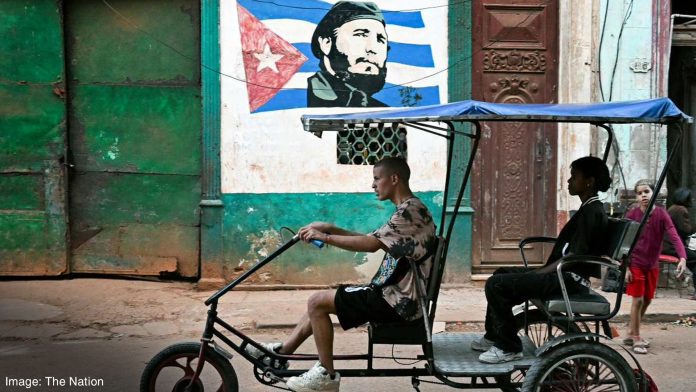
Trump did not need to send missiles to Cuba to push the island into crisis.
He went after oil.
In January 2026, the Trump administration threatened tariffs on countries supplying fuel to Cuba, turning the island’s energy lifeline into a target. Reuters reported that the White House framed the move as part of a national security and foreign policy emergency. But for ordinary Cubans, the result was not abstract policy. It was darkness, shortages and fear.
This is the part that matters most: Cuba did not simply run out of fuel. Its fuel supply was squeezed.
Cuba Oil Blockade: The Fuel Lifeline Was Targeted
By May, Cuba’s energy crisis had become severe. Reuters reported that Cuba had run out of diesel and fuel oil, while key suppliers including Mexico and Venezuela had not sent fuel since Trump’s tariff threat.
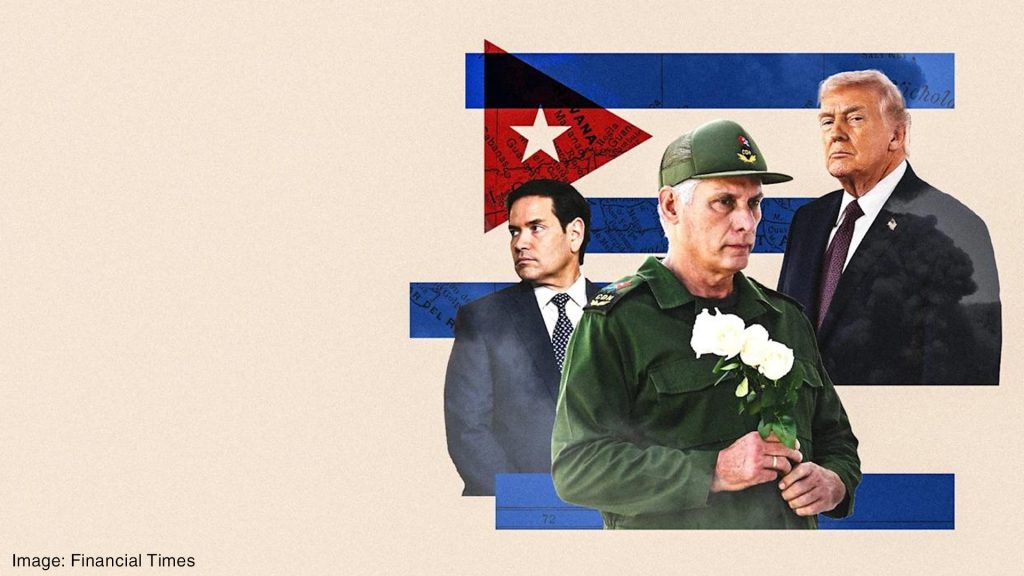
Trump made his intentions clear. He said regime change in Cuba was “just a question of time” after Iran. He said the US aims to change Cuba’s “state system.” He said Cuba looks “ready to fall.” Secretary of State Rubio addressed the Cuban people directly in a Spanish-language video, saying “the only thing standing in the way of a better future are those who control your country.”
Then the pressure escalated again. The US sanctioned Cuban President Miguel Díaz-Canel, members of the Castro family and military-linked entities. The DOJ indicted 94-year-old former Cuban President Raul Castro on murder charges. Days later, Washington sanctioned Cuba’s state oil company, CUPET, adding new barriers to fuel imports. Reuters reported that the sanctions froze US assets and blocked American dealings with the company.
That is why this story cannot be treated as a normal shortage. The island’s fuel crisis is happening under direct US economic pressure.
Cuba Blackouts: The Crisis Reached Homes And Hospitals
The oil squeeze did not stop at politics. It reached homes, hospitals and children.
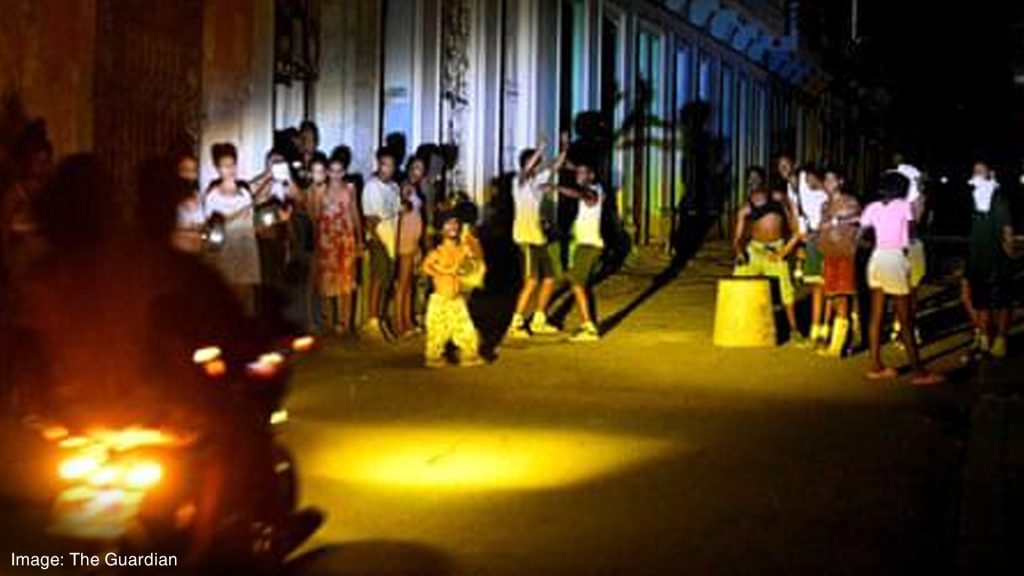
As fuel supplies collapsed, blackouts deepened across the island to more than 20 hours a day. Havana looked like a ghost town. Farmers had UN-donated tractors they could not use because there had been no diesel since February. Cubans cooked with wood and charcoal. People searched through rubbish piles for food. CNN’s Havana correspondent Patrick Oppmann described the building manager of CNN’s bureau rapping on the office door to ask whether staff would be using their space during “the imminent US invasion.” War preparedness had entered everyday administrative life.
Then came the human rights warning. Reuters reported that UN Human Rights Chief Volker Türk warned broad US sanctions were harming ordinary Cubans. His words were direct: “Children are dying because doctors lack access to essential medical supplies and medicines. This is unacceptable.”
The numbers behind that warning are devastating. Infant mortality in Cuba has doubled to 9.9 per 1,000 births. Childhood cancer survival rates have fallen from 85% to 65%. Essential medicines are available at only 5% of normal levels. More than 2,900 metric tonnes of humanitarian food cargo has been blocked by shipping company suspensions. Ten years ago, Cuba was one of the only countries in Latin America to have eliminated child malnutrition, according to UNICEF. That gain is now being reversed.
In other words, this is not only a fight between governments. It is a pressure campaign landing on civilians.
US Cuba Sanctions: From Economic Pressure To Military Escalation
The military dimensions of this crisis are real and documented.
The USS Nimitz carrier strike group arrived in the Caribbean in May 2026. Defense Secretary Pete Hegseth visited Guantanamo Bay and told US troops: “No matter what, the Department of War is going to be prepared and postured for any possible contingency.” Guantanamo troop numbers were raised to approximately 1,000. Two senior US military commanders have visited the base in recent weeks.
The crisis has already produced real violence. In February 2026, a Florida-registered speedboat carrying 10 armed Cuban-American men attempted to infiltrate Cuban territory. Cuban border forces intercepted it, killed five people and captured five more. At least one US citizen was among the dead. Assault rifles, Molotov cocktails, bulletproof vests and camouflage uniforms were seized. Cuba called it a “foiled armed infiltration for terrorist purposes.”
Cuba Preparing Civilians For War: The Real Story Is The Pressure Campaign
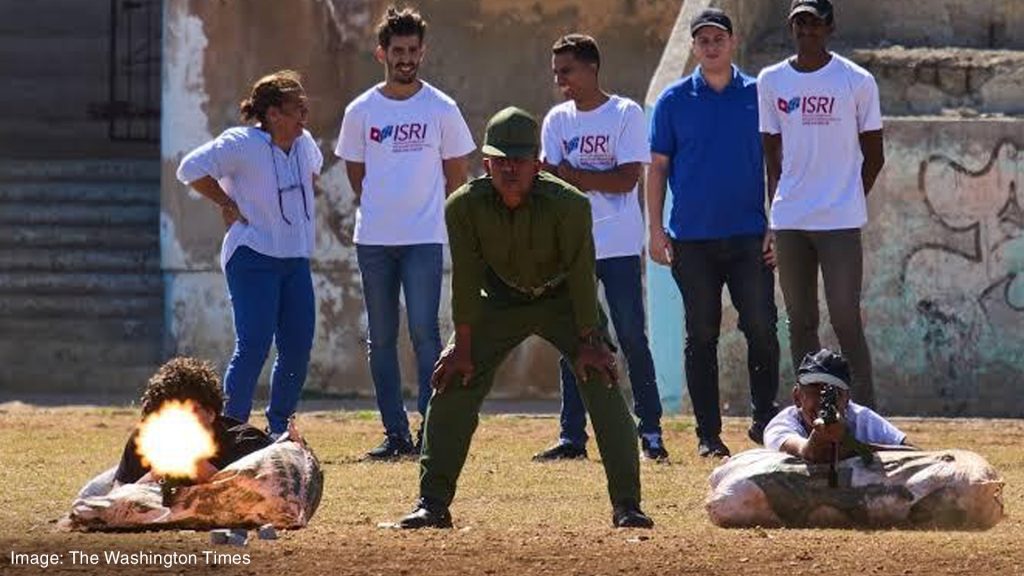
Reports say Cuba has begun distributing weapons to civilians and conducting military drills. The Guardian reported on the growing invasion anxiety gripping the island. The weapons distribution claim originates with Venezuelan newspaper Versión Final and has been corroborated by CNN’s Havana reporting, though a single definitive Reuters or AP confirmation has not yet been published. Verum reports it as what it is: credible regional reporting supported by CNN’s on-the-ground presence in Havana.
Cuba’s defensive doctrine has long imagined the entire civilian population resisting any foreign attack in a Vietnam-style guerrilla war. That is why the reports of civilian mobilisation matter. A military historian told CNN the island’s armed forces, despite pulling an anti-aircraft gun with oxen in training videos, could still put up dogged resistance to any US ground attack.
The viral version of this story is simple: Cuba is arming civilians.
But the real story is bigger.
First came the oil squeeze. Then came the sanctions. Then came the blackouts. Then came the UN warning that children were dying. Then came the carrier strike group in the Caribbean. Now come the reports of weapons in civilian hands.
Trump cut off Cuba’s oil.
Now Cuba is bracing for what may come next.
By Verity Quill | verumnetwork.com
SOURCES
Reuters | Reuters | Reuters | Reuters | The Guardian | CNN | Al Jazeera | UN News | ABC News