In Beirut, families did not experience the ceasefire as peace. They experienced it as a question.
Across the region, the announcement of a US-Iran ceasefire framework brought a rare moment of relief. Markets reacted. Oil prices eased. Diplomats praised the possibility of de-escalation. After weeks of fear, missile threats and regional anxiety, the idea that Washington and Tehran might step back from the edge gave the world a brief sense that something had shifted.
But in the Middle East, hope almost always arrives with a warning label.
The ceasefire changed the mood, not the reality.
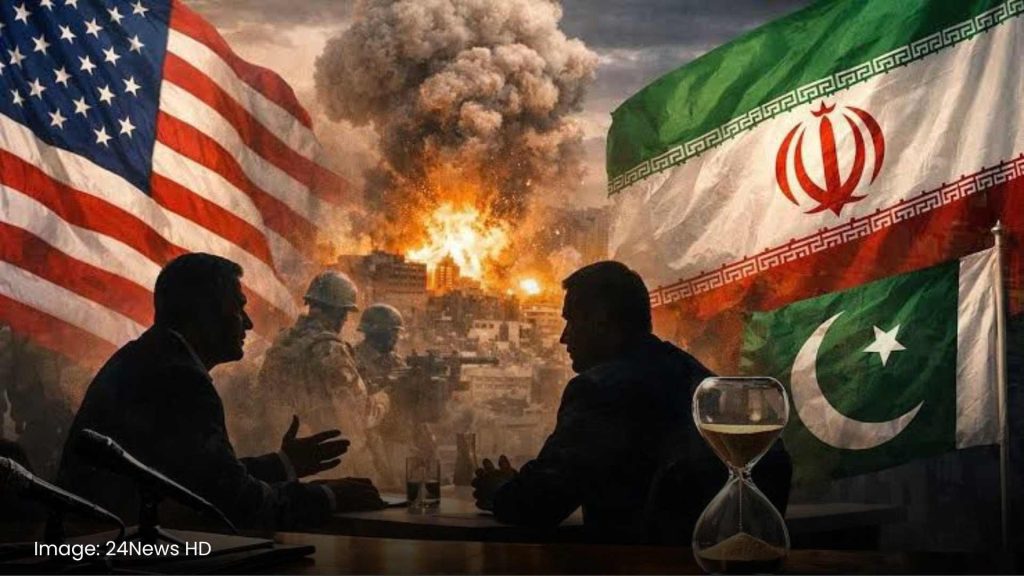
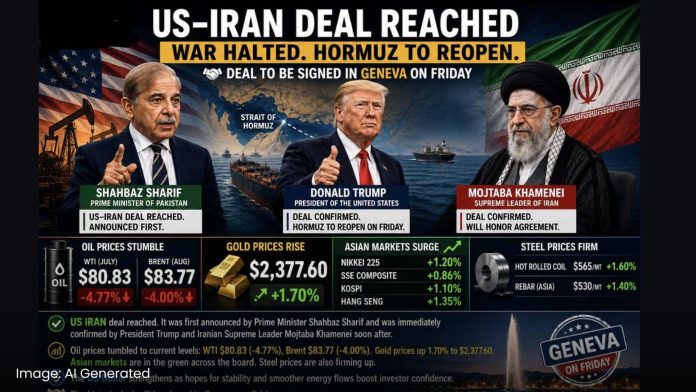
The US and Iran reached a preliminary agreement to halt hostilities and reopen the Strait of Hormuz, according to Reuters. The deal was described as a first step, not a final peace settlement, with deeper questions still unresolved around Iran’s nuclear program, sanctions, regional security and the future of proxy conflicts across the Middle East.
That is why this moment matters. The ceasefire is not the end of the crisis. It is the first fragile pause in a larger fire.
Pakistan helped open the door.
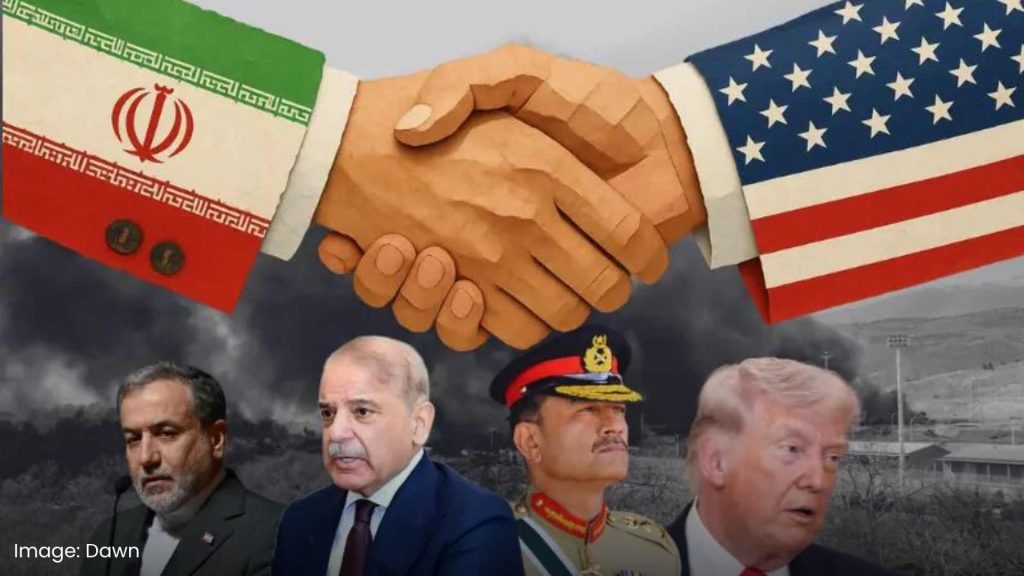
Pakistan’s role was central to the diplomatic story. Reuters reported that Pakistan announced the preliminary agreement and that Pakistani mediation helped move the US and Iran toward a ceasefire framework. For Islamabad, this was not a symbolic role. It was a rare moment where Pakistan appeared as a serious mediator in one of the world’s most dangerous standoffs.
That matters politically, especially at a time when regional stability affects energy, trade, migration and security across South Asia and the Gulf.
Beirut exposed the fragile part of the deal.
Even as the ceasefire language raised hopes, Isr*el’s strike on Beirut showed why the region remained nervous. Reuters reported that Trump criticised an Isr*eli strike on Lebanon that could complicate attempts to finalise the US-Iran framework. The message was clear: a US-Iran pause does not automatically stop every front.
Hormuz became the market story.
The Strait of Hormuz is one of the world’s most important energy chokepoints. When the ceasefire framework included reopening Hormuz, markets responded immediately. Reuters reported that oil prices fell sharply after the announcement, while Reuters also reported gains across several Gulf markets as investors priced in relief.
But markets move faster than people. Oil can fall within minutes. Families in Gaza, Lebanon and across the region still have to wait and see whether the next strike comes.
The fear has not ended. It has changed shape.
The ceasefire matters because it may prevent a direct US-Iran war. That alone is significant. A full regional war would have shaken global energy flows, pulled in multiple governments and escalated an already catastrophic moment.
But the fear now is different. The fear is that the ceasefire becomes a headline while the violence continues through other doors. The fear is that Gaza remains outside relief. The fear is that Lebanon becomes the next pressure valve. The fear is that the world moves on because oil prices calmed down.
Hope returned to the Middle East. So did the fear.
That is the honest version of this moment. Diplomacy has created an opening, but not peace. Pakistan helped move the region away from one disaster, but the wider system remains explosive.
The ceasefire may hold.
But no one living under the shadow of the next strike can afford to believe that yet.
Sources:
This story is based on reporting from Reuters, Reuters, Reuters, Reuters, and Reuters.