For much of the post-9/11 era, Islam occupied a familiar role in American conservative politics: the ideological threat from which the West supposedly needed defending. But inside parts of today’s New Right, that relationship is becoming considerably stranger.
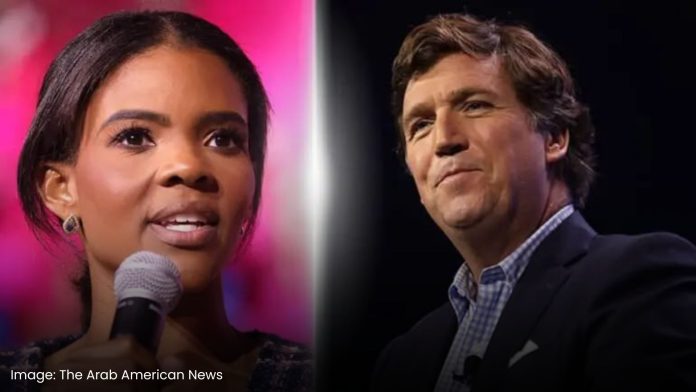
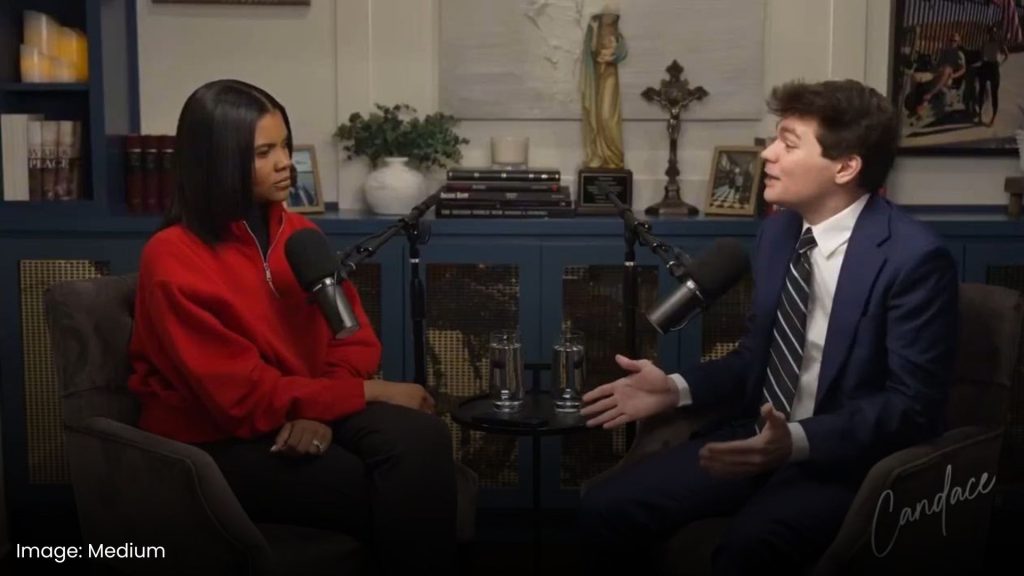
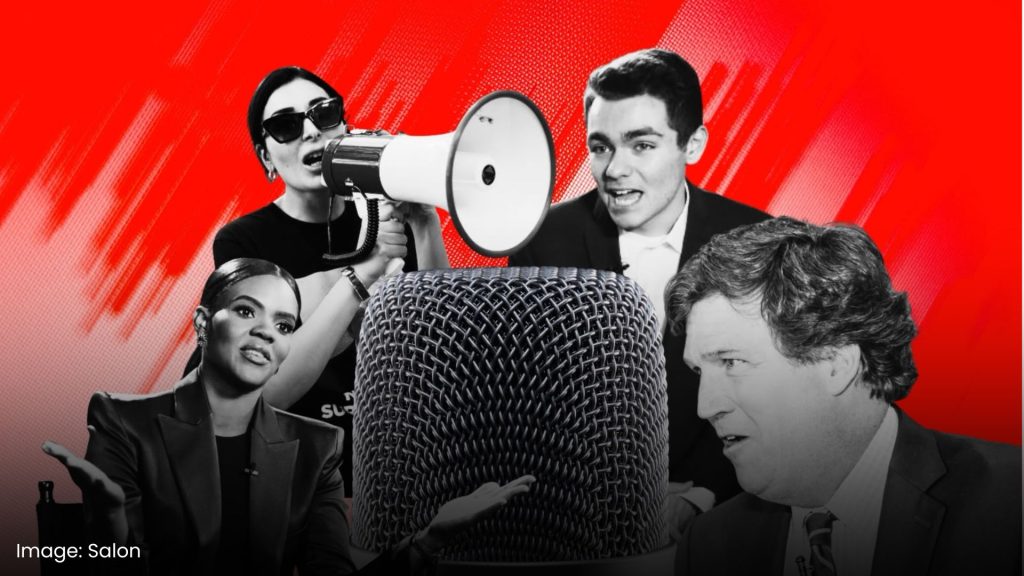
In May, an analysis identified an emerging “Islamo-Christian right,” pointing to Candace Owens reading from the Quran, Nick Fuentes criticizing anti-Muslim sentiment, Tucker Carlson praising sharia and the conversions of Andrew Tate and Sneako. These figures are not politically or religiously interchangeable. But together, they reveal a shift worth examining.
Tucker Carlson’s Reassessment of Islam
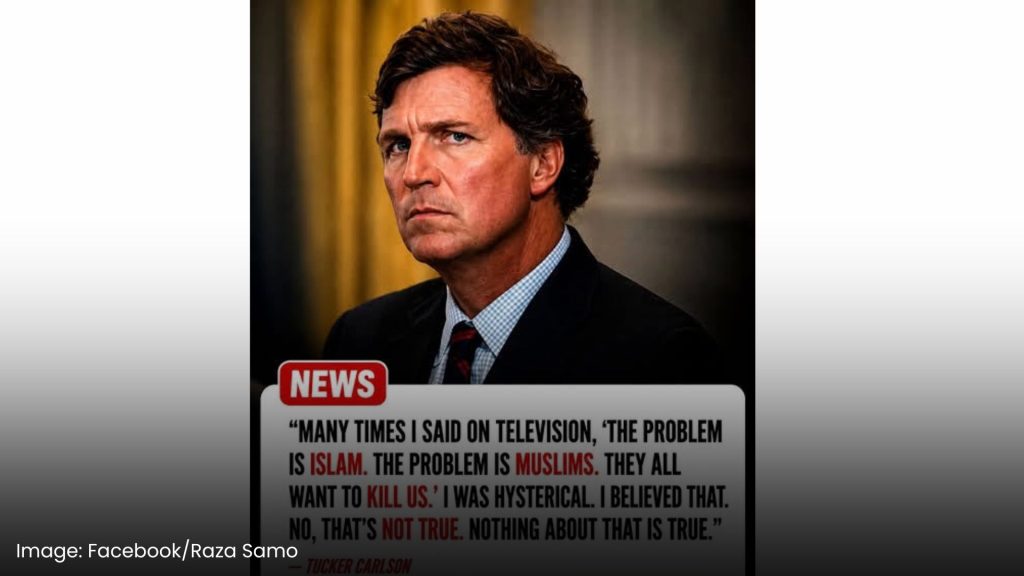
Carlson provides perhaps the clearest reversal. In June, while reflecting on the atmosphere following 9/11, he acknowledged that he had believed sweeping claims about Muslims and described his former state of mind with the words “I was hysterical.” He then explicitly said those beliefs were untrue.
His evolution also reflects a broader fascination among some anti-establishment conservatives with qualities they perceive Muslim societies as retaining: religious conviction, family structures, moral boundaries and cultural confidence.
For Tate and Sneako, engagement went further. Both publicly converted to Islam, placing the religion directly inside a digital ecosystem already preoccupied with masculinity, discipline and dissatisfaction with Western social norms. Sneako’s 2023 conversion is independently documented in contemporary video material.
Admiring Islam Without Becoming Muslim
Other figures remain outside the faith.
Owens and Fuentes illustrate yet another development. Neither has converted, but both have engaged with Islam or Muslims in ways strikingly different from the reflexive hostility associated with much post-9/11 conservatism. The emerging coalition described by commentators contains profound disagreements about Christianity, Islam, nationalism and foreign policy. What connects portions of it is less shared theology than dissatisfaction with liberal modernity.

The “Islam Without Islam” Question
Travis Alexander’s New Statesman analysis offers a more critical interpretation.
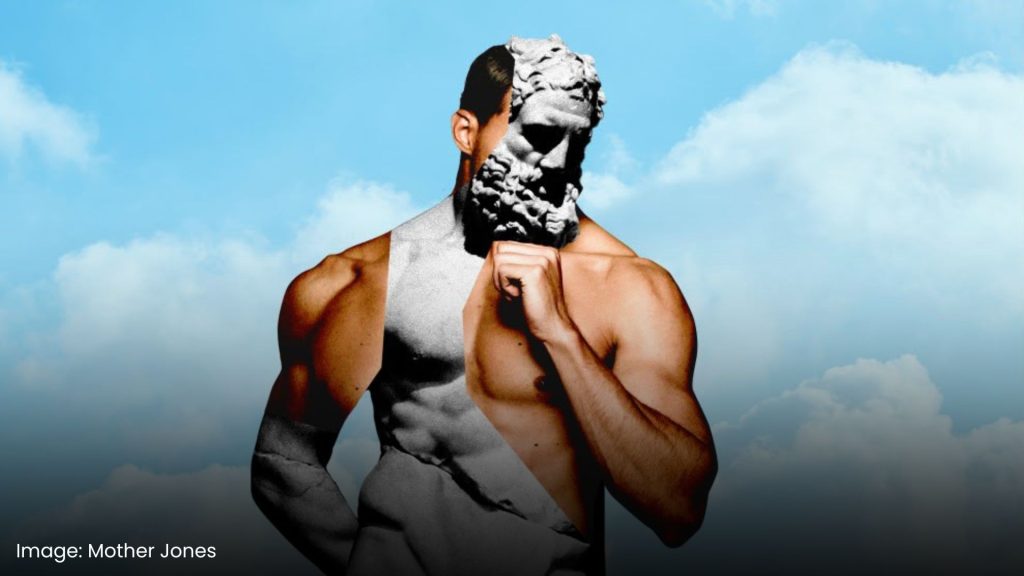
Alexander argues that some New Right fascination resembles “Islam without Islam”: admiration for an imagined Islamic aesthetic of masculinity, hierarchy, certainty and civilisational strength without necessarily embracing the theology, worship and submission to God at the heart of the religion.
That interpretation should not be treated as a proven explanation for every figure involved. But it exposes an important distinction between conversion, genuine religious engagement, political alliance and selective ideological appropriation.
The Darker Political Fracture
There is another layer requiring particular care.
Parts of this same New Right ecosystem have become embroiled in conflicts over Israel, Gaza, American interventionism and antisemitism. Alexander argues that antisemitism helps explain part of the fascination with Islam within some corners of the movement.
That remains an interpretation, not an established explanation for the broader shift.
Anti-interventionism, dissatisfaction with US foreign policy, religious conservatism and hostility toward liberal social norms provide other documented explanations. Treating all of these motives as interchangeable would go beyond the available evidence.
Islamophobia Has Not Disappeared
Perhaps the most important qualification is that the Western right has not collectively embraced Islam.
Current events demonstrate the opposite. Anti-Muslim political rhetoric remains active in the United States, while Muslim communities continue reporting hostility and attacks. Recent reporting from Ohio, for example, documented a mosque attacked for the third time in seven years amid broader concerns over rising anti-Muslim rhetoric.
That contradiction may be the real story.
Islam itself has not suddenly changed.
Parts of the Western right have changed the questions they are asking of it.
Some still see an enemy.
Others increasingly see something they believe the West lost.
By Shizza Umer
Read more about this at verumnetwork.com.
Sources
The Washington Post (Opinion) — Islam is becoming an ally of the Christian right
New Statesman — Alt-right Islamo-fetishism
Newsweek — Tucker Carlson does U-turn on past islamophobic views
Anadolu Agency — Tucker Carlson speaks on post-9/11 US views of Muslims
Sunna Files — The New Right’s changing relationship with Islam
The Guardian — Ohio mosque attack and contemporary anti-Muslim concerns
New Lines Magazine — Andrew Tate and the Moral Bankruptcy of Muslim Proselytization