Oil as a Weapon: Saudi Arabia’s Warning to Sanaa and the Houthis’ Thre*t to Aramco

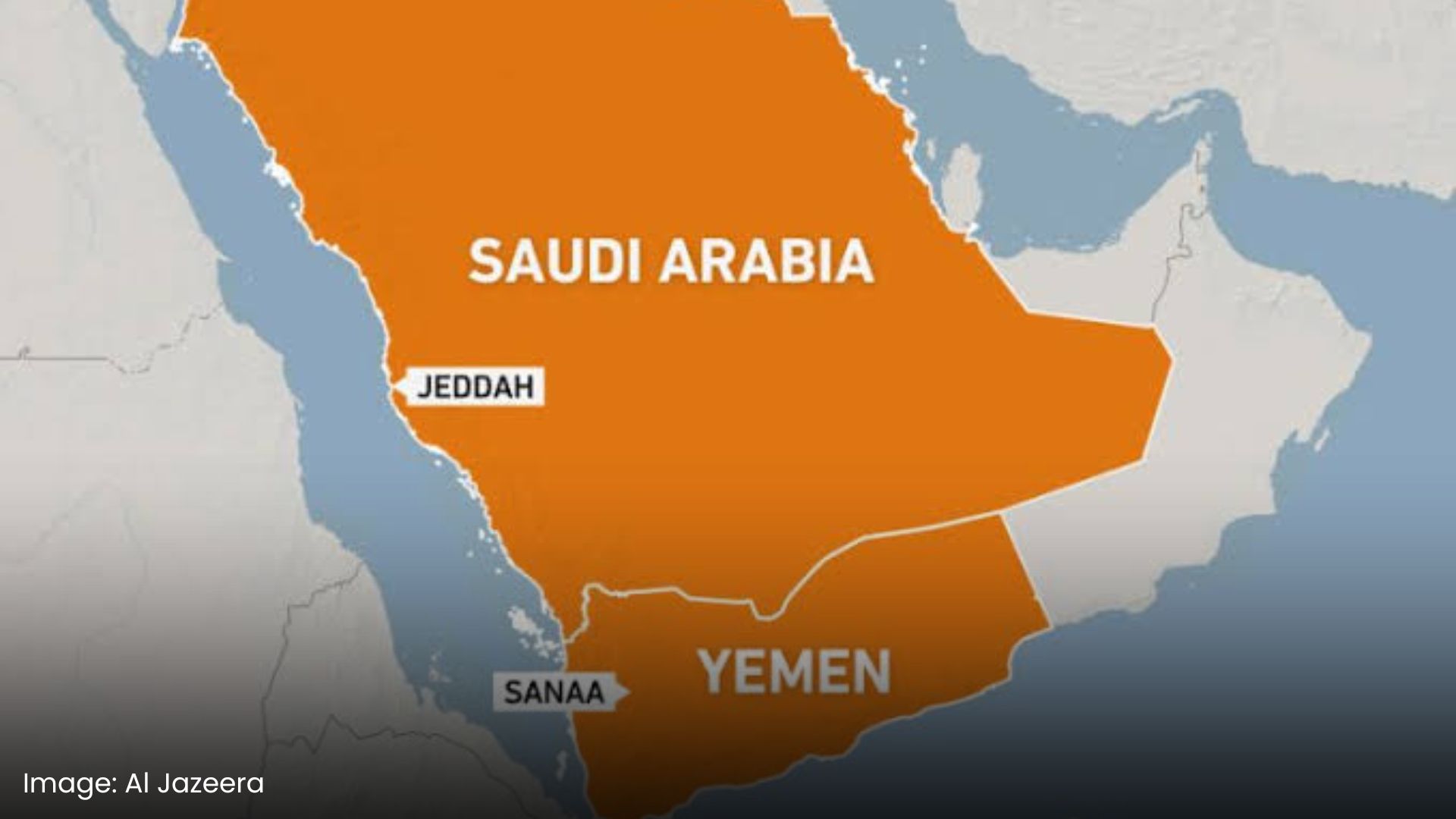
On October 13, the Saudi-led coalition urged residents near a state oil company facility in Sanaa, Yemen’s Houthi-controlled capital, to evacuate ahead of unspecified military operations. The warning prompted an immediate response from the Houthis, who threat*ned a “harsh and painful” retaliation against Riyadh and declared Saudi Aramco facilities legitimate targets.

The exchange marks a dangerous escalation in a conflict increasingly threatening energy infrastructure, civilian safety and regional stability.

What triggered the latest confrontation?

The evacuation warning followed a series of Houthi-claimed att*cks on Saudi airports. Saudi authorities reported that an att*ck on Riyadh’s international airport on October 10 k*lled 13 people and injured more than 300. A further att*ck the following day k*lled one person and injured nearly a dozen.

Saudi Arabia and its regional partners condemned the att*cks, demanding an immediate halt to the viol*nce. The Saudi-led coalition has also intensified military operations against Houthi-controlled areas in Yemen.

On October 13, coalition spokesman Turki al-Maliki called on civilians to leave the area around the Yemen Petroleum Company’s Al-Sabahah central station in western Sanaa. He said the warning was issued for civilian safety ahead of planned operations but did not specify the nature of the operation or its precise military objective.

The Houthis responded by warning that any att*ck on Sanaa would be met with retaliation against Riyadh. Military spokesman Yahya Saree also urged civilians and workers to stay away from Saudi Aramco facilities, which the group described as legitimate targets.

The two announcements have heightened fears that the conflict could expand into a sustained confrontation over energy infrastructure.

Why oil facilities matter

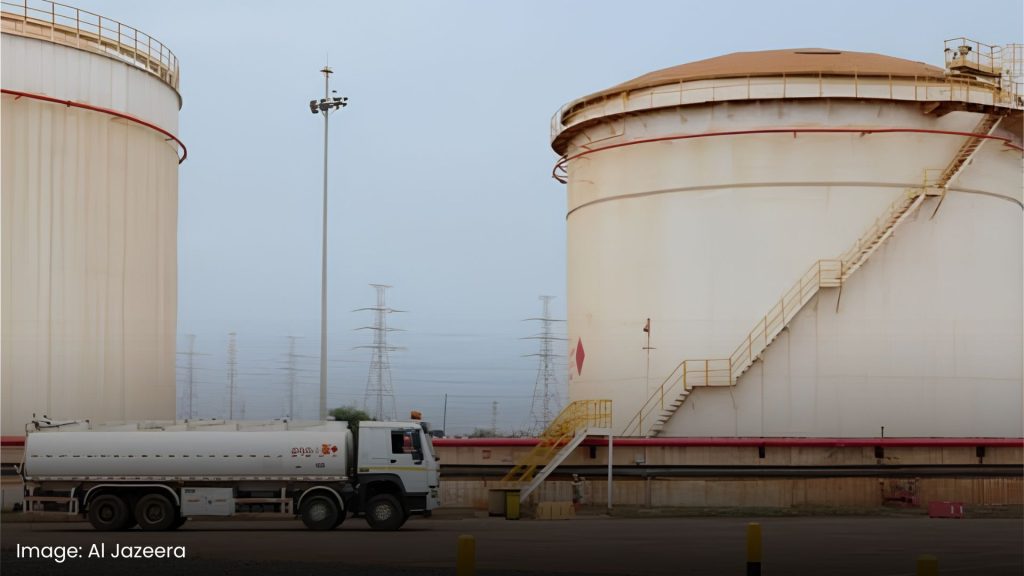
The threat*ned sites are significant for different reasons. The Sanaa facility is part of Yemen’s state oil infrastructure, which supports fuel distribution in a country already devastated by years of war. Disruption to fuel supplies can affect transport, electricity generation, water systems and humanitarian operations.

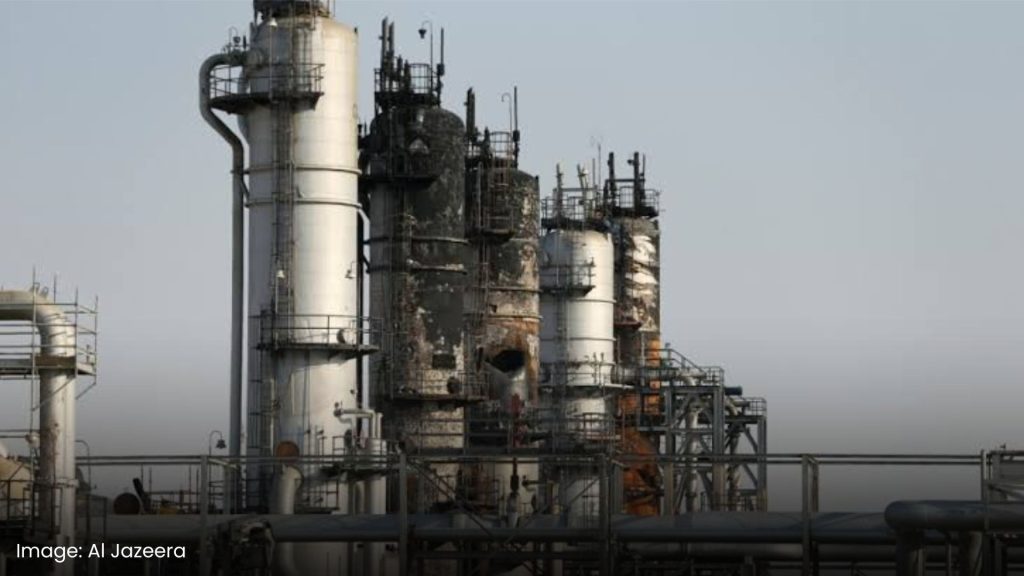
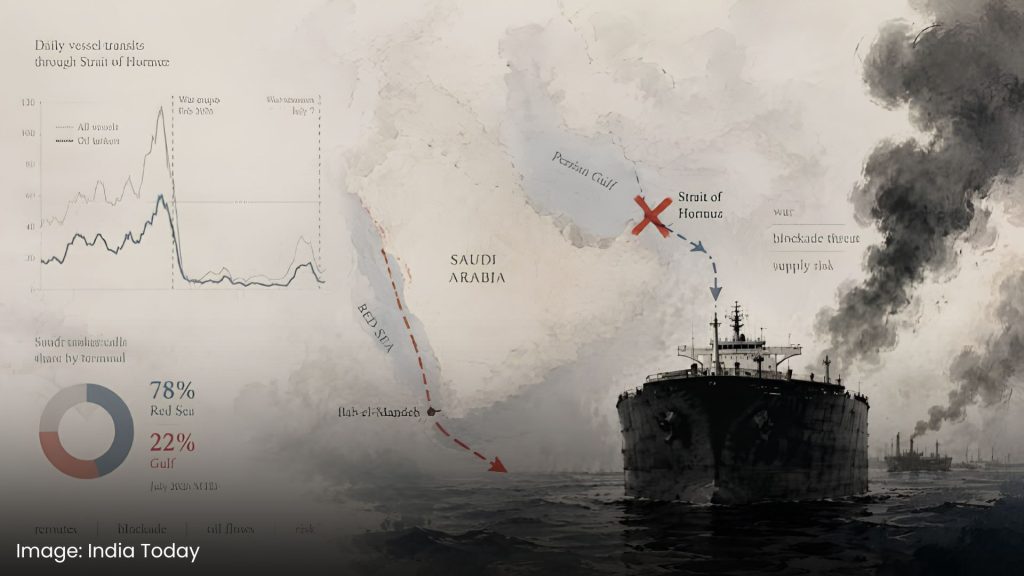
Saudi Aramco, meanwhile, is central to Saudi Arabia’s oil economy and export capacity. Thre*ts to its facilities can unsettle energy markets, damage investor confidence and increase concerns about the security of regional supply routes.

The strategic importance of the conflict extends beyond oil production. Yemen lies near the Bab el-Mandeb Strait, a key maritime chokepoint linking the Red Sea with the Gulf of Aden. If att*cks spread to ports, shipping or export infrastructure, the consequences could reach international trade.

A wider regional struggle

The confrontation is rooted in Yemen’s long-running conflict. The Houthis, also known as Ansar Allah, took control of Sanaa in 2014. Saudi Arabia led a military coalition in 2015 to support Yemen’s internationally recognised government against the movement.

The w*r has since become intertwined with regional rivalries. Iran supports the Houthis, while Saudi Arabia views their missile and drone capabilities as a serious thre*t to its territory and critical infrastructure. The Houthis, for their part, portray their military actions as a response to att*cks and pressure from their adversaries.

These competing narratives help explain the escalation, but they do not automatically justify att*cks on civilian infrastructure. The legality of any strike depends on the circumstances and the rules of international humanitarian law.
The civilian cost of targeting energy infrastructure

The greatest immediate concern is the risk to civilians. An evacuation warning may give people time to move away from a threatened site, but it cannot guarantee that everyone can leave safely. Residents may lack transport, information or a secure destination.

Damage to fuel storage and distribution infrastructure can also affect people far from the target. Fuel is essential for ambulances, generators, water pumping and the movement of food and medicine. In Yemen, where humanitarian needs remain severe, further disruption could deepen existing hardship.

Under international humanitarian law, parties must distinguish military objectives from civilian objects, take feasible precautions to reduce civilian harm and avoid att*cks expected to cause excessive civilian damage relative to the anticipated military advantage. Declaring a facility a target does not, by itself, settle its legal status.

Deterrence or a cycle of retaliation?

Saudi Arabia’s warning and the Houthi counter-threat may be intended to deter further att*cks. But reciprocal threats can also create a cycle in which each side escalates in response to the other. A strike in Sanaa could trigger an attempt to hit Saudi oil infrastructure, prompting further military operations and increasing the risk to civilians and regional energy supplies.

Preventing that outcome will require more than warnings. It will require restraint, communication and efforts to protect civilian infrastructure. Regional diplomatic engagement will also be important, particularly as neighbouring states consider how to support Saudi Arabia without widening the conflict.
REFERENCES

https://www.dawn.com/news/2036883/saudi-led-coalition-says-to-issue-evacuation-warning-to-residents-of-sanaa-site-ahead-of-operation
https://aa.com.tr/en/middle-east/saudi-led-coalition-to-issue-evacuation-warning-ahead-of-planned-operation-in-houthi-held-sanaa/4087313

https://gulfnews.com/world/gulf/saudi/saudi-led-coalition-warns-of-imminent-sanaa-operation-as-houthis-threaten-riyadh-1.500708990

On October 13, the Saudi-led coalition urged residents near a state oil company facility in Sanaa, Yemen’s Houthi-controlled capital, to evacuate ahead of unspecified military operations. The warning prompted an immediate response from the Houthis, who threat*ned a “harsh and painful” retaliation against Riyadh and declared Saudi Aramco facilities legitimate targets.

The exchange marks a dangerous escalation in a conflict increasingly threatening energy infrastructure, civilian safety and regional stability.

What triggered the latest confrontation?

The evacuation warning followed a series of Houthi-claimed att*cks on Saudi airports. Saudi authorities reported that an att*ck on Riyadh’s international airport on October 10 k*lled 13 people and injured more than 300. A further att*ck the following day k*lled one person and injured nearly a dozen.

Saudi Arabia and its regional partners condemned the att*cks, demanding an immediate halt to the viol*nce. The Saudi-led coalition has also intensified military operations against Houthi-controlled areas in Yemen.

On October 13, coalition spokesman Turki al-Maliki called on civilians to leave the area around the Yemen Petroleum Company’s Al-Sabahah central station in western Sanaa. He said the warning was issued for civilian safety ahead of planned operations but did not specify the nature of the operation or its precise military objective.

The Houthis responded by warning that any att*ck on Sanaa would be met with retaliation against Riyadh. Military spokesman Yahya Saree also urged civilians and workers to stay away from Saudi Aramco facilities, which the group described as legitimate targets.

The two announcements have heightened fears that the conflict could expand into a sustained confrontation over energy infrastructure.

Why oil facilities matter

The threat*ned sites are significant for different reasons. The Sanaa facility is part of Yemen’s state oil infrastructure, which supports fuel distribution in a country already devastated by years of war. Disruption to fuel supplies can affect transport, electricity generation, water systems and humanitarian operations.

Saudi Aramco, meanwhile, is central to Saudi Arabia’s oil economy and export capacity. Thre*ts to its facilities can unsettle energy markets, damage investor confidence and increase concerns about the security of regional supply routes.

The strategic importance of the conflict extends beyond oil production. Yemen lies near the Bab el-Mandeb Strait, a key maritime chokepoint linking the Red Sea with the Gulf of Aden. If att*cks spread to ports, shipping or export infrastructure, the consequences could reach international trade.

A wider regional struggle

The confrontation is rooted in Yemen’s long-running conflict. The Houthis, also known as Ansar Allah, took control of Sanaa in 2014. Saudi Arabia led a military coalition in 2015 to support Yemen’s internationally recognised government against the movement.

The w*r has since become intertwined with regional rivalries. Iran supports the Houthis, while Saudi Arabia views their missile and drone capabilities as a serious thre*t to its territory and critical infrastructure. The Houthis, for their part, portray their military actions as a response to att*cks and pressure from their adversaries.

These competing narratives help explain the escalation, but they do not automatically justify att*cks on civilian infrastructure. The legality of any strike depends on the circumstances and the rules of international humanitarian law.

The civilian cost of targeting energy infrastructure

The greatest immediate concern is the risk to civilians. An evacuation warning may give people time to move away from a threatened site, but it cannot guarantee that everyone can leave safely. Residents may lack transport, information or a secure destination.

Damage to fuel storage and distribution infrastructure can also affect people far from the target. Fuel is essential for ambulances, generators, water pumping and the movement of food and medicine. In Yemen, where humanitarian needs remain severe, further disruption could deepen existing hardship.

Under international humanitarian law, parties must distinguish military objectives from civilian objects, take feasible precautions to reduce civilian harm and avoid att*cks expected to cause excessive civilian damage relative to the anticipated military advantage. Declaring a facility a target does not, by itself, settle its legal status.

Deterrence or a cycle of retaliation?

Saudi Arabia’s warning and the Houthi counter-threat may be intended to deter further att*cks. But reciprocal threats can also create a cycle in which each side escalates in response to the other. A strike in Sanaa could trigger an attempt to hit Saudi oil infrastructure, prompting further military operations and increasing the risk to civilians and regional energy supplies.

Preventing that outcome will require more than warnings. It will require restraint, communication and efforts to protect civilian infrastructure. Regional diplomatic engagement will also be important, particularly as neighbouring states consider how to support Saudi Arabia without widening the conflict.

REFERENCES
https://www.dawn.com/news/2036883/saudi-led-coalition-says-to-issue-evacuation-warning-to-residents-of-sanaa-site-ahead-of-operation
https://aa.com.tr/en/middle-east/saudi-led-coalition-to-issue-evacuation-warning-ahead-of-planned-operation-in-houthi-held-sanaa/4087313

https://gulfnews.com/world/gulf/saudi/saudi-led-coalition-warns-of-imminent-sanaa-operation-as-houthis-threaten-riyadh-1.500708990

spot_img

Explore more

spot_img
Global Affairs

A Mosque Set on Fire in the West Bank: Who Is...

Beyond the Harvest: How Gaza’s Olive Trees Became a Symbol of...

Zaporizhzhia Under Fire: Civilian Deaths Amid Renewed Efforts to End the...

UN Warns Gaza Faces a Dangerous Winter as Shelter Needs Remain...

India’s 130 Million Voter Deletions: Inside the Election Commission Controversy

From France to Belgium: Why Students Are Taking to the Streets...

Oleshky: When Starvation Becomes a Weapon of War

Al-Aqsa, the Ibrahimi Mosque and the Struggle Over Religious Access