Hamas Ended Gaza’s Government. Nobody Knows Who Really Rules Now.

Hamas’s Announcement Is Not A Full Power Transfer

Hamas says it has dissolved the civilian governing body that ran Gaza and is preparing to transfer authority to a technocratic committee backed under the U.S.-brokered ceasefire framework. On paper, that sounds like a historic break after nearly two decades of Hamas rule in the enclave. But the announcement stops short of the one issue that decides whether power has actually moved. Weapons and security control.

AP reported that Hamas did not clarify whether it would disarm or hand over security control, while the Board of Peace said the new committee must control all weapons in Gaza and that the transition would be judged by actions, not promises. That is the difference between resigning from civilian administration and surrendering real coercive power. One can be announced in a statement. The other decides who controls streets, checkpoints, policing, fighters, fear, and survival.
Why Isr*el Calls It Meaningless

Isr*el’s response was not relief. It was pressure. Reuters reported that Hamas said it had dissolved its de facto Gaza government and was ready to hand over to Palestinian technocrats, but Isr*el dismissed the move as a stunt. Le Monde also reported that Isr*el viewed the step as largely symbolic while Hamas’s disarmament and Isr*eli military control over Gaza remain unresolved.

This is why the announcement is so dangerous to misread. A civilian resignation may shift the appearance of governance, but it does not automatically shift command, weapons, security control, or the ability to decide what happens on the ground. If Hamas remains armed, Isr*el can call the transition fake. If Hamas disarms without guarantees, Hamas may see itself as surrendering its final leverage after years of war. Gaza’s civilians are left trapped inside that calculation, because rebuilding a shattered society now apparently requires solving everyone else’s security doctrine first.

The New Government Cannot Govern From Outside Gaza

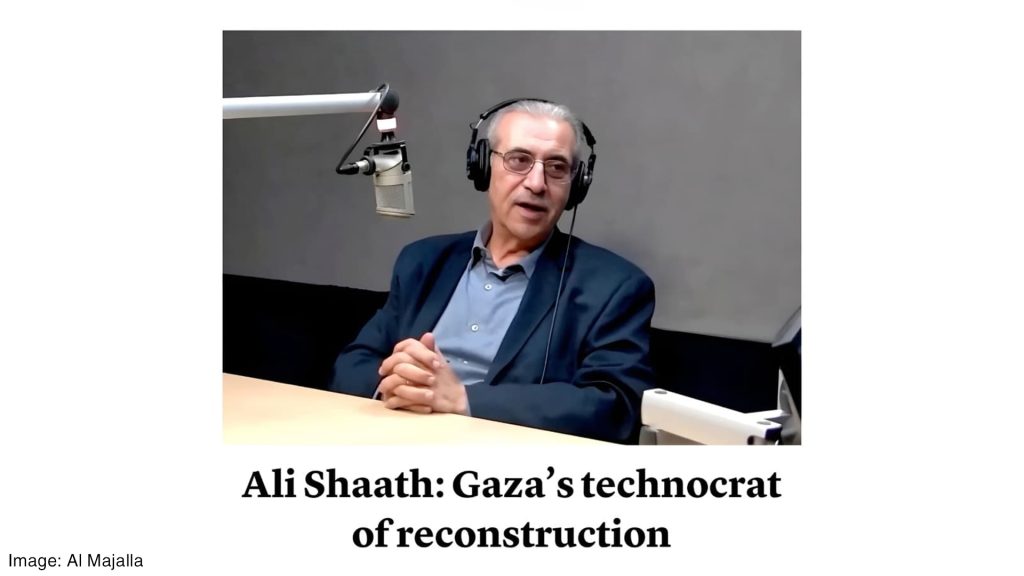
The National Committee for the Administration of Gaza, chaired by Ali Shaath, is supposed to become Gaza’s civilian authority. But the committee’s power remains theoretical while it lacks the basic conditions to function inside the territory. AP described Shaath as the committee’s chair and reported that the body is based in Cairo, while Le Monde reported that Isr*el is blocking the committee’s entry into Gaza, for six months and counting.

That is not a technical detail. It is the story. A committee cannot run crossings, organize reconstruction, oversee ministries, restore public services, or protect civilians from outside Gaza. Governance without access is not governance. It is paperwork with a border problem.

Le Monde reported that the move remains limited, with technical and professional staff, including thousands of police officers, expected to remain in place. Al Jazeera separately reported that Isr*eli forces now control roughly 80 percent of Gaza’s territory, while the central questions of governance and Hamas’s disarmament remain unresolved.

Why Hamas May Not Disarm

The core tension is brutal but simple. Hamas may view weapons as survival, leverage, deterrence, and political relevance. Isr*el views those same weapons as proof that nothing meaningful has changed.

This does not make the stalemate good for Palestinians. It makes it catastrophic. If disarmament becomes the only real test of the transition, then Gaza’s civilian future may remain locked behind a military demand Hamas is unlikely to accept without guarantees. But if Hamas keeps its weapons, Isr*el and the U.S.-backed framework can argue that the handover is symbolic, not real.

That is Gaza’s trap. Hamas may not disarm without guarantees. Isr*el may not ease pressure without disarmament. The committee cannot govern without access. Reconstruction cannot begin without security. Civilians cannot survive on diplomatic sequencing.

What This Means For Gaza’s Future

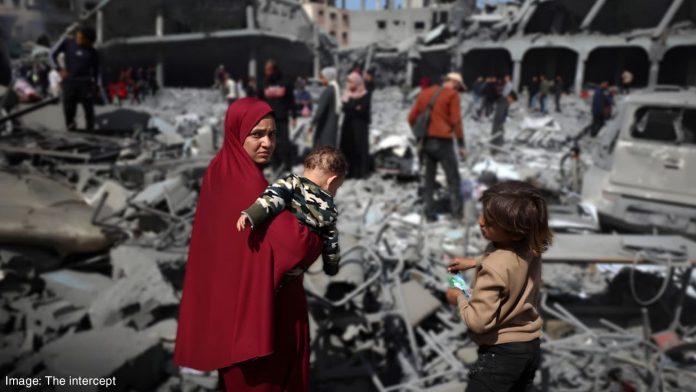
AP reported that Gaza’s Health Ministry death toll has passed 73,000 since October 2023, with more than 2 million people displaced and humanitarian conditions still deteriorating. AP also reported that Isr*eli strikes and expansion in Gaza have continued despite the October 2025 ceasefire, with more than 1,000 Palestinians killed since the truce began.

There is also a deadline hiding behind the diplomacy. Isr*eli officials have told local broadcasters they expect the US-led Board of Peace to rule within two to three months that Hamas violated the ceasefire by refusing to disarm, a determination that could open the door to renewed strikes on the parts of Gaza Isr*el does not already occupy. That, not the resignation itself, is the clock actually running on Gaza’s future.

So the real question is not whether Hamas resigned from civilian administration. The real question is whether Gaza can rebuild while armed power, Isr*eli military pressure, blocked technocratic governance, and foreign-designed conditions still decide its future.

A government can be dissolved on paper. A committee can be named from Cairo. A ceasefire can be written into diplomatic language. But unless Gaza gets actual access, protection, reconstruction, accountable authority, and a political settlement that does not leave civilians hostage to disarmament bargaining, nobody should pretend this is a real transfer of power.

Gaza’s future is not blocked by one missing committee. It is blocked by the collision between armed power, Isr*eli pressure, external control, and civilians who are being asked to wait for governance while living inside ruins.

By Verity Quill

Sources

AP   |   Reuters   |   Le Monde   |   The Guardian   |   PBS NewsHour   |   Al Jazeera   |   Euronews

Hamas’s Announcement Is Not A Full Power Transfer

Hamas says it has dissolved the civilian governing body that ran Gaza and is preparing to transfer authority to a technocratic committee backed under the U.S.-brokered ceasefire framework. On paper, that sounds like a historic break after nearly two decades of Hamas rule in the enclave. But the announcement stops short of the one issue that decides whether power has actually moved. Weapons and security control.

AP reported that Hamas did not clarify whether it would disarm or hand over security control, while the Board of Peace said the new committee must control all weapons in Gaza and that the transition would be judged by actions, not promises. That is the difference between resigning from civilian administration and surrendering real coercive power. One can be announced in a statement. The other decides who controls streets, checkpoints, policing, fighters, fear, and survival.

Why Isr*el Calls It Meaningless

Isr*el’s response was not relief. It was pressure. Reuters reported that Hamas said it had dissolved its de facto Gaza government and was ready to hand over to Palestinian technocrats, but Isr*el dismissed the move as a stunt. Le Monde also reported that Isr*el viewed the step as largely symbolic while Hamas’s disarmament and Isr*eli military control over Gaza remain unresolved.

This is why the announcement is so dangerous to misread. A civilian resignation may shift the appearance of governance, but it does not automatically shift command, weapons, security control, or the ability to decide what happens on the ground. If Hamas remains armed, Isr*el can call the transition fake. If Hamas disarms without guarantees, Hamas may see itself as surrendering its final leverage after years of war. Gaza’s civilians are left trapped inside that calculation, because rebuilding a shattered society now apparently requires solving everyone else’s security doctrine first.

The New Government Cannot Govern From Outside Gaza

The National Committee for the Administration of Gaza, chaired by Ali Shaath, is supposed to become Gaza’s civilian authority. But the committee’s power remains theoretical while it lacks the basic conditions to function inside the territory. AP described Shaath as the committee’s chair and reported that the body is based in Cairo, while Le Monde reported that Isr*el is blocking the committee’s entry into Gaza, for six months and counting.

That is not a technical detail. It is the story. A committee cannot run crossings, organize reconstruction, oversee ministries, restore public services, or protect civilians from outside Gaza. Governance without access is not governance. It is paperwork with a border problem.

Le Monde reported that the move remains limited, with technical and professional staff, including thousands of police officers, expected to remain in place. Al Jazeera separately reported that Isr*eli forces now control roughly 80 percent of Gaza’s territory, while the central questions of governance and Hamas’s disarmament remain unresolved.

Why Hamas May Not Disarm

The core tension is brutal but simple. Hamas may view weapons as survival, leverage, deterrence, and political relevance. Isr*el views those same weapons as proof that nothing meaningful has changed.

This does not make the stalemate good for Palestinians. It makes it catastrophic. If disarmament becomes the only real test of the transition, then Gaza’s civilian future may remain locked behind a military demand Hamas is unlikely to accept without guarantees. But if Hamas keeps its weapons, Isr*el and the U.S.-backed framework can argue that the handover is symbolic, not real.

That is Gaza’s trap. Hamas may not disarm without guarantees. Isr*el may not ease pressure without disarmament. The committee cannot govern without access. Reconstruction cannot begin without security. Civilians cannot survive on diplomatic sequencing.

What This Means For Gaza’s Future

AP reported that Gaza’s Health Ministry death toll has passed 73,000 since October 2023, with more than 2 million people displaced and humanitarian conditions still deteriorating. AP also reported that Isr*eli strikes and expansion in Gaza have continued despite the October 2025 ceasefire, with more than 1,000 Palestinians killed since the truce began.

There is also a deadline hiding behind the diplomacy. Isr*eli officials have told local broadcasters they expect the US-led Board of Peace to rule within two to three months that Hamas violated the ceasefire by refusing to disarm, a determination that could open the door to renewed strikes on the parts of Gaza Isr*el does not already occupy. That, not the resignation itself, is the clock actually running on Gaza’s future.

So the real question is not whether Hamas resigned from civilian administration. The real question is whether Gaza can rebuild while armed power, Isr*eli military pressure, blocked technocratic governance, and foreign-designed conditions still decide its future.

A government can be dissolved on paper. A committee can be named from Cairo. A ceasefire can be written into diplomatic language. But unless Gaza gets actual access, protection, reconstruction, accountable authority, and a political settlement that does not leave civilians hostage to disarmament bargaining, nobody should pretend this is a real transfer of power.

Gaza’s future is not blocked by one missing committee. It is blocked by the collision between armed power, Isr*eli pressure, external control, and civilians who are being asked to wait for governance while living inside ruins.

By Verity Quill

Sources

AP   |   Reuters   |   Le Monde   |   The Guardian   |   PBS NewsHour   |   Al Jazeera   |   Euronews
spot_img

Explore more

spot_img
Global Affairs

China Has Written Uyghur Erasure Into Law.

Christopher Nolan Filmed The Odyssey On Occupied Land. Behind It Sits...

From Teen Suicide To Fake Nudes: The Human Cost Of The...

She Was Blinded At 14. Bollywood Called It “Limited Damage.”

Isr*el’s Sexual Abuse Crisis Is Not A Scandal. It Is A...

Qualified, Shortlisted, Then Shut Out: Black Doctors In The UK Face...

Behind Messi’s Silence On Gaza Lies A Web Of Isr*eli Ties

The Fight For Jerusalem Begins With Who Controls Its Story