Isr*el’s Sexual Abuse Crisis Is Not A Scandal. It Is A System.

A Pattern Larger Than One Institution

Sexual-abuse allegations in Isr*el have emerged from religious schools, political offices, charities, prisons and military detention facilities. Each case has its own evidence and legal status. But taken together, they expose a recurring institutional pattern: victims report harm, powerful organisations protect their own, investigations move slowly and accountability arrives late, if it arrives at all.

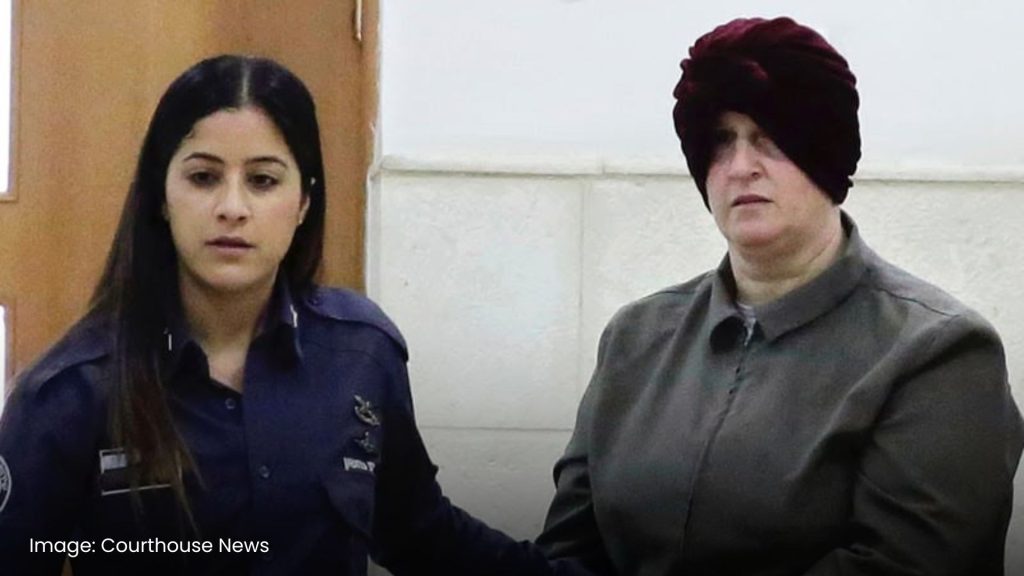
Malka Leifer And The Cost Of Political Protection

Malka Leifer, a former school principal accused of sexually abusing pupils in Australia, avoided extradition for years. Survivors including Dassi Erlich and Elly Sapper fought publicly to bring her back before an Australian court. Former health minister Yaakov Litzman was accused of pressuring officials to alter psychiatric assessments used in Leifer’s extradition proceedings. The case showed how political influence could become another wall placed between survivors and justice.
Walder, Meshi-Zahav And Allegations Around Powerful Men

Author and ultra-Orthodox public figure Chaim Walder died by suicide in December 2021 after multiple women and girls accused him of sexual abuse. ZAKA founder Yehuda Meshi-Zahav died in June 2022 after numerous allegations of sexual violence and exploitation. Neither man was convicted of the allegations before his death. That distinction matters. So does the record of people who said they had tried for years to be heard.

Sexual Violence In Detention

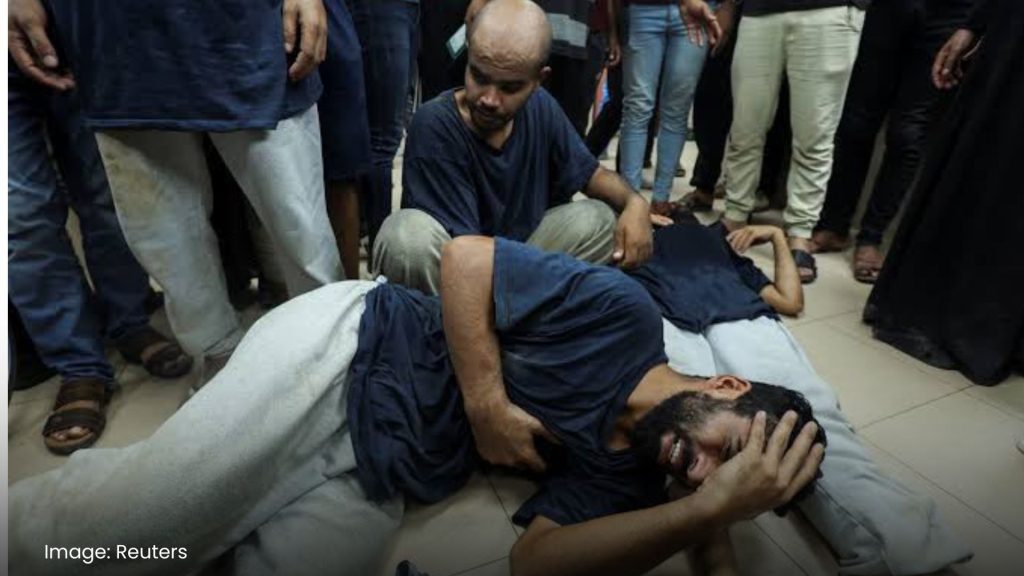
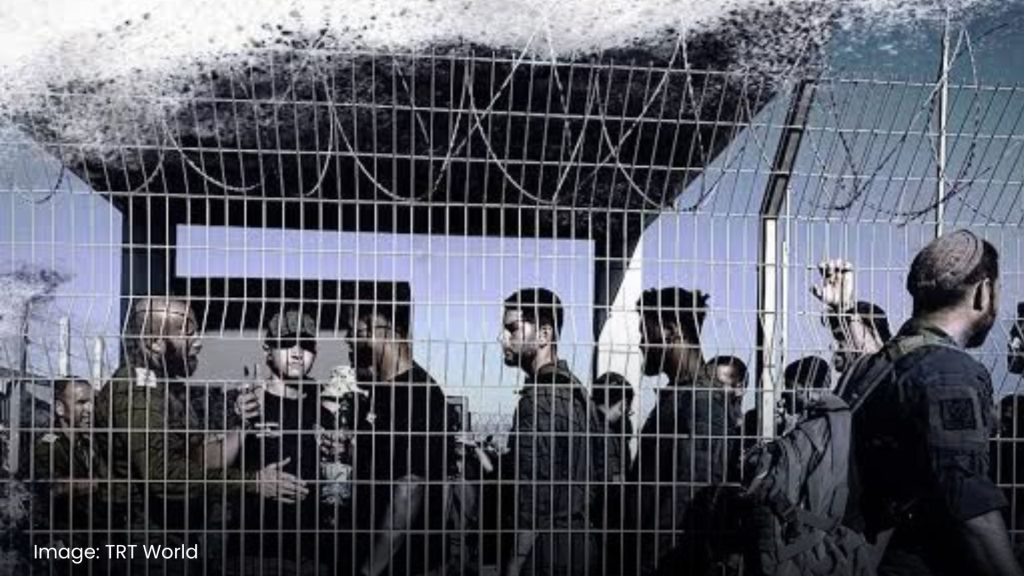
The crisis extends beyond civilian institutions. B’Tselem collected testimony from 55 Palestinian detainees describing beatings, humiliation, forced nudity and sexual violence in Isr*eli custody. The Public Committee Against Torture in Isr*el has reported hundreds of abuse allegations since October 2023, while indictments were brought in only two incidents. Sde Teiman became the most visible symbol of that system, but the testimony describes abuse across multiple facilities.

Children Inside A Military Justice System

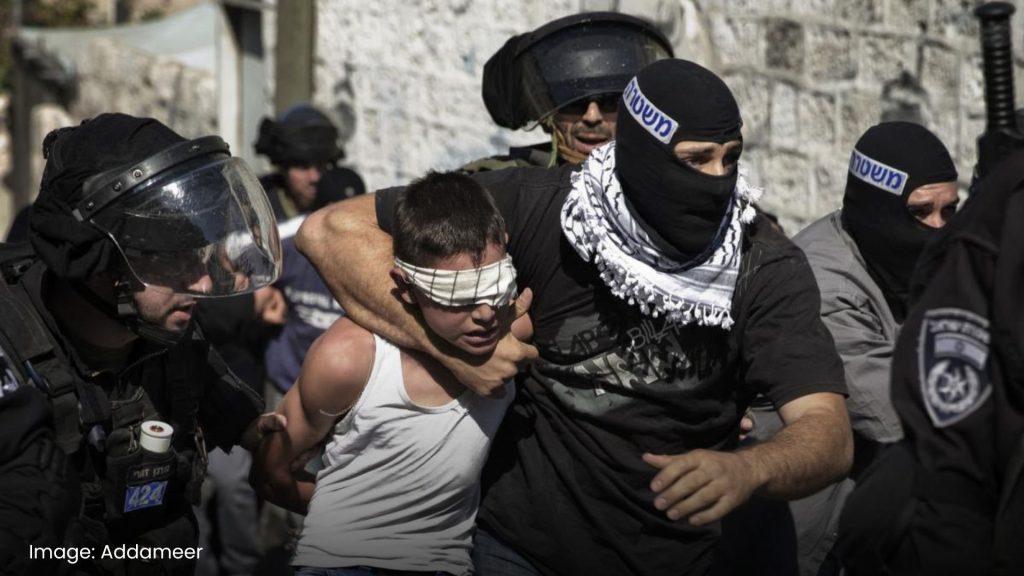
Palestinian children are routinely detained and prosecuted under military law. Rights organisations have documented allegations of night arrests, intimidation, physical abuse, denial of legal advice and coercive interrogation. A system that treats children as security subjects first and children second creates conditions in which abuse becomes easier to hide and harder to challenge.

Evidence Matters

Some online discussions attach unverified ritual-abuse or organised-conspiracy claims to documented cases. Those claims must not be treated as established evidence without credible proof. But false or exaggerated material should not be used to dismiss the verified record. Court filings, survivor testimony, protective orders, official investigations and reports from established rights organisations already reveal a serious accountability crisis.

A System Protecting Itself

The common thread is not that every allegation is identical. It is that institutions repeatedly respond in familiar ways: delay, disbelief, secrecy, reputational defence and limited consequences. When abuse allegations cross religious, political, charitable and military structures, the issue can no longer be dismissed as a handful of individual scandals. A scandal is an interruption. A system is what keeps happening.

Sources

A Pattern Larger Than One Institution

Sexual-abuse allegations in Isr*el have emerged from religious schools, political offices, charities, prisons and military detention facilities. Each case has its own evidence and legal status. But taken together, they expose a recurring institutional pattern: victims report harm, powerful organisations protect their own, investigations move slowly and accountability arrives late, if it arrives at all.

Malka Leifer And The Cost Of Political Protection

Malka Leifer, a former school principal accused of sexually abusing pupils in Australia, avoided extradition for years. Survivors including Dassi Erlich and Elly Sapper fought publicly to bring her back before an Australian court. Former health minister Yaakov Litzman was accused of pressuring officials to alter psychiatric assessments used in Leifer’s extradition proceedings. The case showed how political influence could become another wall placed between survivors and justice.
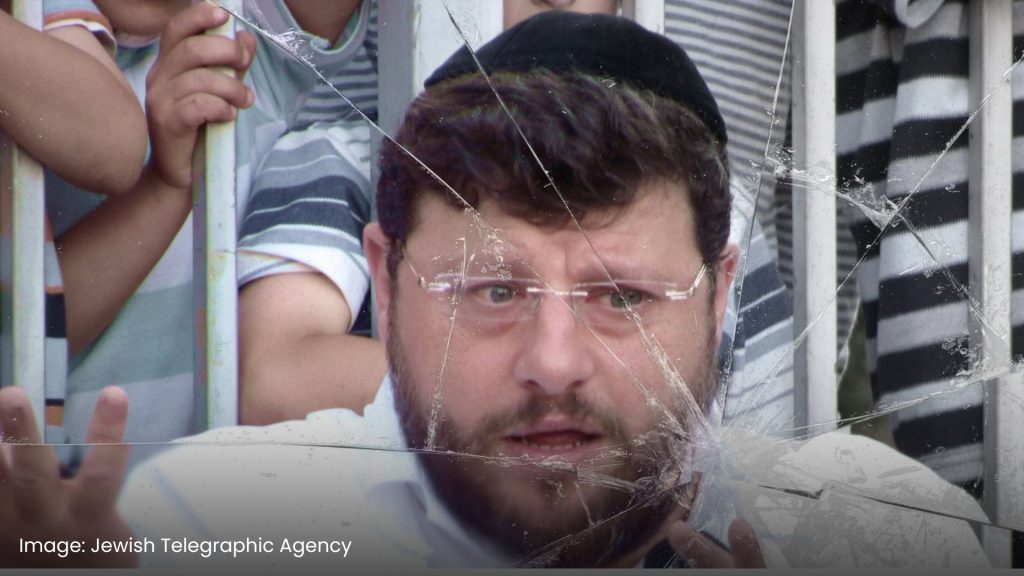
Walder, Meshi-Zahav And Allegations Around Powerful Men

Author and ultra-Orthodox public figure Chaim Walder died by suicide in December 2021 after multiple women and girls accused him of sexual abuse. ZAKA founder Yehuda Meshi-Zahav died in June 2022 after numerous allegations of sexual violence and exploitation. Neither man was convicted of the allegations before his death. That distinction matters. So does the record of people who said they had tried for years to be heard.

Sexual Violence In Detention

The crisis extends beyond civilian institutions. B’Tselem collected testimony from 55 Palestinian detainees describing beatings, humiliation, forced nudity and sexual violence in Isr*eli custody. The Public Committee Against Torture in Isr*el has reported hundreds of abuse allegations since October 2023, while indictments were brought in only two incidents. Sde Teiman became the most visible symbol of that system, but the testimony describes abuse across multiple facilities.

Children Inside A Military Justice System

Palestinian children are routinely detained and prosecuted under military law. Rights organisations have documented allegations of night arrests, intimidation, physical abuse, denial of legal advice and coercive interrogation. A system that treats children as security subjects first and children second creates conditions in which abuse becomes easier to hide and harder to challenge.
Evidence Matters

Some online discussions attach unverified ritual-abuse or organised-conspiracy claims to documented cases. Those claims must not be treated as established evidence without credible proof. But false or exaggerated material should not be used to dismiss the verified record. Court filings, survivor testimony, protective orders, official investigations and reports from established rights organisations already reveal a serious accountability crisis.

A System Protecting Itself
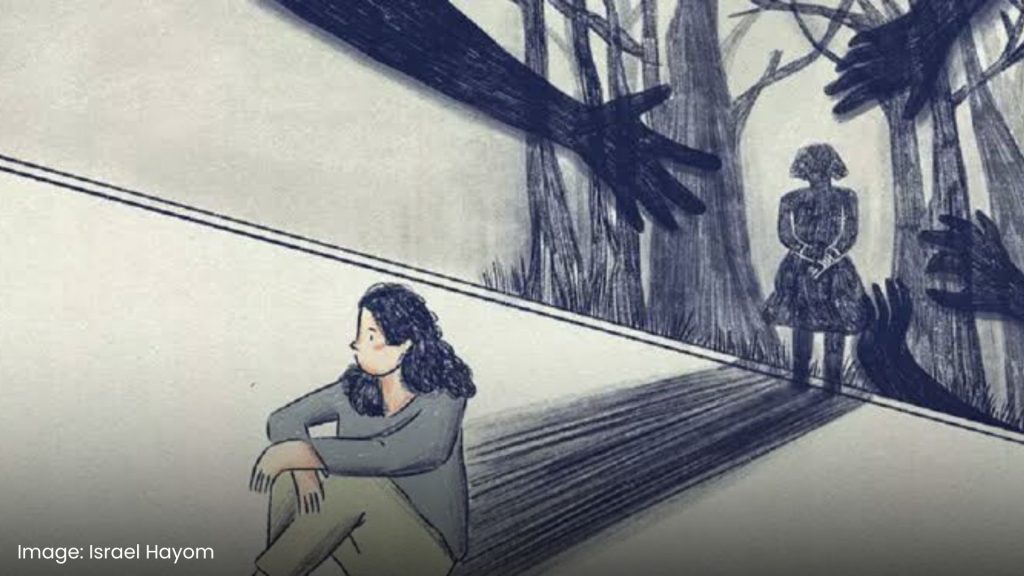
The common thread is not that every allegation is identical. It is that institutions repeatedly respond in familiar ways: delay, disbelief, secrecy, reputational defence and limited consequences. When abuse allegations cross religious, political, charitable and military structures, the issue can no longer be dismissed as a handful of individual scandals. A scandal is an interruption. A system is what keeps happening.

Sources

spot_img

Explore more

spot_img
Global Affairs

Five Years In, the Taliban Has Turned Women’s Exclusion Into a...

These Cameras Were Supposed to Catch Criminals. Police Have Used Them...

Austria Tried to Ban the Hijab Once. Its Highest Court Said...

Is Netanyahu Losing the One Ally Isr*el Cannot Replace?

What Happens When Anti-Muslim Hate Becomes Normal? Britain May Be Finding...

Saudi Money. Turkish Firepower. Pakistan’s Bomb. Islamic NATO?

No One Has Declared World W*r Three. So Why Does It...