
Qualified, Shortlisted, Then Shut Out: Black Doctors In The UK Face Racial Prejudice

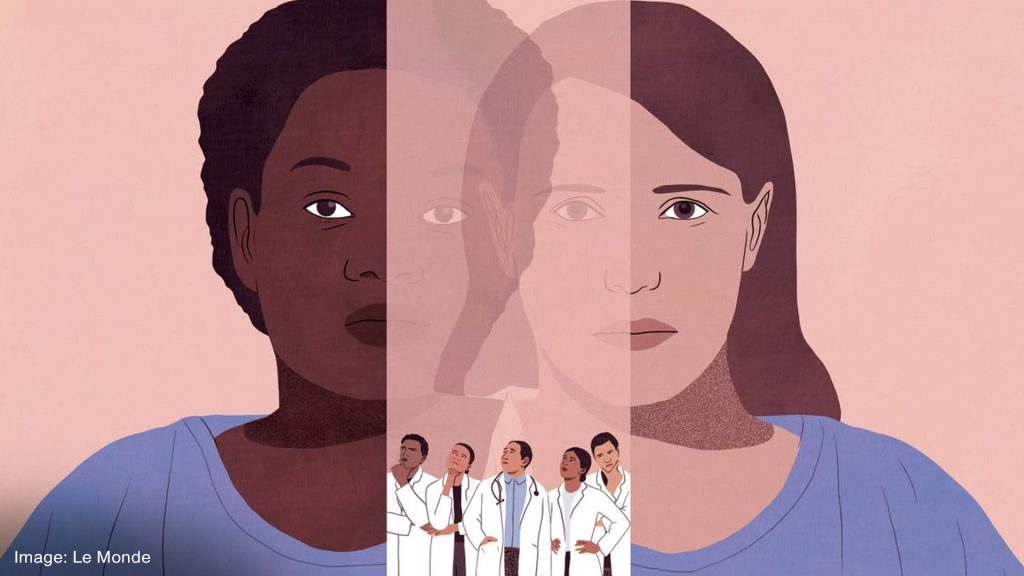
Black doctors applying for specialist medical training in England were dramatically less likely than white applicants to receive offers, despite reaching the shortlisting stage at broadly similar rates. The data points to one conclusion: racial prejudice is shaping who gets to become a doctor in Britain.

An analysis written by independent researcher Sheila Cunliffe for The BMJ, using NHS England data obtained through a Freedom of Information request, found that 47% of white applicants received training offers in 2024, compared with 19% of Asian applicants and only 12% of Black applicants.

Across all specialties, Black doctors were approximately four times less likely than white applicants to secure a place. In some fields, the divide was far worse.
Fewer Than 1% Succeeded In Anaesthetics

The most extreme disparity appeared in anaesthetics CT1 recruitment.

Only 10 of 1,158 Black applicants, fewer than one in 100, received an offer. By comparison, 556 of 1,668 white applicants, approximately one in three, secured places.

Asian applicants also faced major disadvantage, with 111 of 1,696 receiving offers, an acceptance rate of roughly 7%.

The figures amount to an almost 30-fold difference between the success rates of white and Black applicants in one of medicine’s most important training pathways.

Obstetrics and gynaecology showed a similarly severe divide, with white applicants nearly 11 times more likely than Black candidates to receive an offer.

The Gap Opened After Shortlisting

The most damning feature of the data is where the disparity emerged.

Black, Asian and white candidates progressed through initial shortlisting at broadly comparable rates. The racial gap opened later, at the final decision, when the people choosing who advances made their calls.

A Black trauma and orthopaedics consultant told The BMJ this reflects “an unwritten curriculum,” where some applicants have very different life experiences than others and find it harder to build the relationships and mentoring that carry candidates through the process. Anton Emmanuel, WRES lead for Wales and former WRES director at NHS England, said the data reveals a pattern that has been “hiding in plain sight” for years.

It is worth describing the BMJ report accurately: this was a news analysis based on official NHS England data, not a peer-reviewed academic study. That does not weaken what it found. Cunliffe argues NHS England is failing its legal obligations to eliminate discrimination in selection processes, and the numbers back her.

Stronger Research Points In The Same Direction

The 2024 figures do not stand alone.

A separate peer-reviewed study examined nearly 38,000 applications submitted during the UK’s 2021 to 2022 specialty recruitment cycle. Researchers statistically adjusted for whether candidates had qualified in the UK or abroad, closing off the most common excuse offered for ethnic disparities in medical recruitment.

Even after that adjustment, applicants from 11 of 15 minority ethnic groups had significantly lower odds of securing training positions than white British applicants. Candidates classified as Mixed White and Black African had roughly half the odds of success. The peer-reviewed study is publicly available.

That study covered a different recruitment year, but it confirms the pattern is not a fluke of one dataset or one excuse. When researchers control for the explanation NHS England leans on most, the racial gap remains.
The NHS Already Knows There Is A Wider Problem

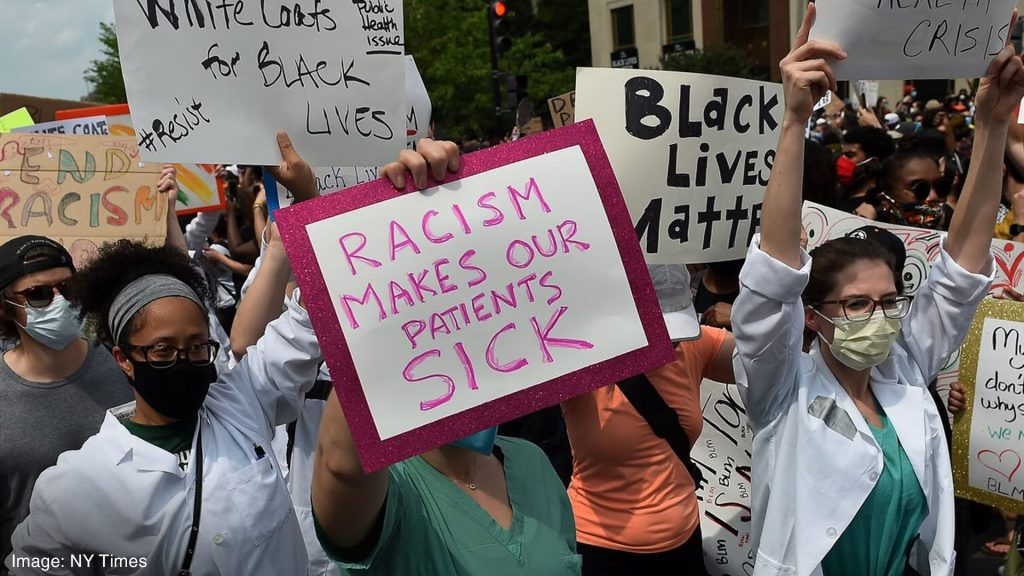
NHS England’s own Workforce Race Equality Standard has repeatedly documented unequal recruitment and career progression, year after year, with no meaningful correction.

Its 2024 Workforce Race Equality Standard report found that at 80% of NHS trusts, white applicants were significantly more likely than ethnic-minority candidates to be appointed after shortlisting.

Only 42.3% of Black staff believed their organisation provided equal opportunities for career progression or promotion.

NHS England has pointed to measures including interviewer training and external observers. Neither has moved the numbers.

UK Racism Reaches Even Medicine

Medicine is among society’s most essential fields. It depends on competence, evidence and public trust. Yet the same racial inequalities visible across employment, housing, policing and education are deciding which doctors are permitted to advance.

A blocked training post is not just a missed opportunity. It is a blocked path to a consultant’s salary, years of lost seniority, and a say in how the next generation of doctors is trained. Preventing Black doctors from accessing specialist training shapes who becomes a consultant, who leads hospital departments, and whether patients ever see themselves represented in positions of medical authority.

When Black doctors qualify, reach the shortlist, and still see their acceptance rates collapse to below 1% in a major specialty, that is not an unexplained anomaly. It is racial prejudice, operating inside one of Britain’s most trusted institutions. UK racism is reaching even medicine, and the consequences will be felt by doctors, patients and the future leadership of British healthcare for a generation.

Sources

The BMJ | Peer-Reviewed Study, NCBI | NHS England WRES 2024

Black doctors applying for specialist medical training in England were dramatically less likely than white applicants to receive offers, despite reaching the shortlisting stage at broadly similar rates. The data points to one conclusion: racial prejudice is shaping who gets to become a doctor in Britain.

An analysis written by independent researcher Sheila Cunliffe for The BMJ, using NHS England data obtained through a Freedom of Information request, found that 47% of white applicants received training offers in 2024, compared with 19% of Asian applicants and only 12% of Black applicants.

Across all specialties, Black doctors were approximately four times less likely than white applicants to secure a place. In some fields, the divide was far worse.

Fewer Than 1% Succeeded In Anaesthetics

The most extreme disparity appeared in anaesthetics CT1 recruitment.

Only 10 of 1,158 Black applicants, fewer than one in 100, received an offer. By comparison, 556 of 1,668 white applicants, approximately one in three, secured places.

Asian applicants also faced major disadvantage, with 111 of 1,696 receiving offers, an acceptance rate of roughly 7%.

The figures amount to an almost 30-fold difference between the success rates of white and Black applicants in one of medicine’s most important training pathways.

Obstetrics and gynaecology showed a similarly severe divide, with white applicants nearly 11 times more likely than Black candidates to receive an offer.

The Gap Opened After Shortlisting

The most damning feature of the data is where the disparity emerged.

Black, Asian and white candidates progressed through initial shortlisting at broadly comparable rates. The racial gap opened later, at the final decision, when the people choosing who advances made their calls.

A Black trauma and orthopaedics consultant told The BMJ this reflects “an unwritten curriculum,” where some applicants have very different life experiences than others and find it harder to build the relationships and mentoring that carry candidates through the process. Anton Emmanuel, WRES lead for Wales and former WRES director at NHS England, said the data reveals a pattern that has been “hiding in plain sight” for years.

It is worth describing the BMJ report accurately: this was a news analysis based on official NHS England data, not a peer-reviewed academic study. That does not weaken what it found. Cunliffe argues NHS England is failing its legal obligations to eliminate discrimination in selection processes, and the numbers back her.

Stronger Research Points In The Same Direction

The 2024 figures do not stand alone.

A separate peer-reviewed study examined nearly 38,000 applications submitted during the UK’s 2021 to 2022 specialty recruitment cycle. Researchers statistically adjusted for whether candidates had qualified in the UK or abroad, closing off the most common excuse offered for ethnic disparities in medical recruitment.

Even after that adjustment, applicants from 11 of 15 minority ethnic groups had significantly lower odds of securing training positions than white British applicants. Candidates classified as Mixed White and Black African had roughly half the odds of success. The peer-reviewed study is publicly available.

That study covered a different recruitment year, but it confirms the pattern is not a fluke of one dataset or one excuse. When researchers control for the explanation NHS England leans on most, the racial gap remains.

The NHS Already Knows There Is A Wider Problem

NHS England’s own Workforce Race Equality Standard has repeatedly documented unequal recruitment and career progression, year after year, with no meaningful correction.

Its 2024 Workforce Race Equality Standard report found that at 80% of NHS trusts, white applicants were significantly more likely than ethnic-minority candidates to be appointed after shortlisting.

Only 42.3% of Black staff believed their organisation provided equal opportunities for career progression or promotion.

NHS England has pointed to measures including interviewer training and external observers. Neither has moved the numbers.

UK Racism Reaches Even Medicine

Medicine is among society’s most essential fields. It depends on competence, evidence and public trust. Yet the same racial inequalities visible across employment, housing, policing and education are deciding which doctors are permitted to advance.

A blocked training post is not just a missed opportunity. It is a blocked path to a consultant’s salary, years of lost seniority, and a say in how the next generation of doctors is trained. Preventing Black doctors from accessing specialist training shapes who becomes a consultant, who leads hospital departments, and whether patients ever see themselves represented in positions of medical authority.

When Black doctors qualify, reach the shortlist, and still see their acceptance rates collapse to below 1% in a major specialty, that is not an unexplained anomaly. It is racial prejudice, operating inside one of Britain’s most trusted institutions. UK racism is reaching even medicine, and the consequences will be felt by doctors, patients and the future leadership of British healthcare for a generation.

Sources

The BMJ | Peer-Reviewed Study, NCBI | NHS England WRES 2024

spot_img

Explore more

spot_img
Global Affairs

Five Years In, the Taliban Has Turned Women’s Exclusion Into a...

These Cameras Were Supposed to Catch Criminals. Police Have Used Them...

Austria Tried to Ban the Hijab Once. Its Highest Court Said...

Is Netanyahu Losing the One Ally Isr*el Cannot Replace?

What Happens When Anti-Muslim Hate Becomes Normal? Britain May Be Finding...

Saudi Money. Turkish Firepower. Pakistan’s Bomb. Islamic NATO?

No One Has Declared World W*r Three. So Why Does It...