Rubio’s “Unique Evil” Rhetoric at the Far Left Terrorism Summit Doesn’t Match the Data
Maryam Tariq
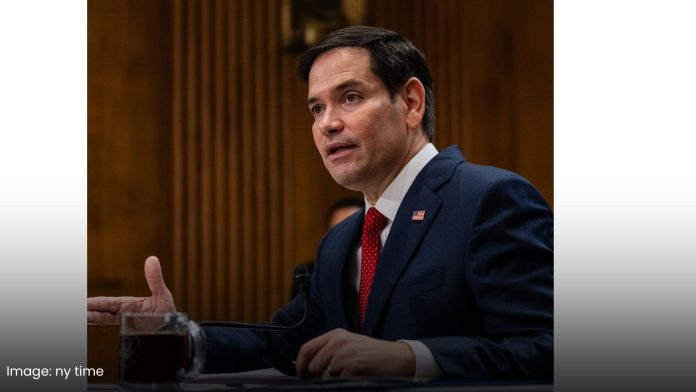
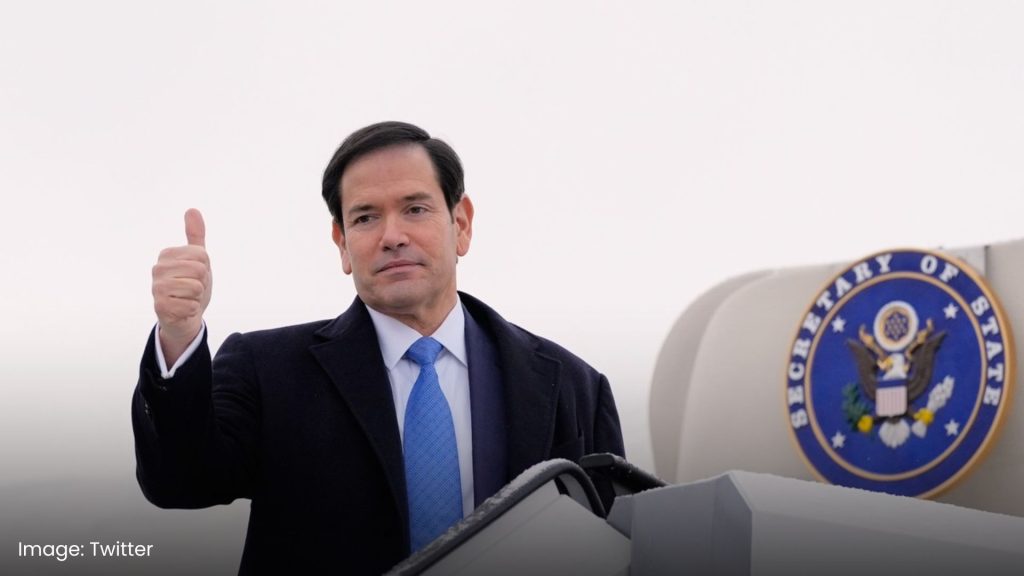
On July 16, Secretary of State Marco Rubio hosted a ministerial summit in Washington with officials from between 65 and 70 countries, focused on what the State Department is calling the resurgence of transnational far left terrorism. The event marked a significant escalation, not just in policy, but specifically in language, and that language is worth examining closely, because it doesn’t line up cleanly with what the available data actually shows.
What Happened at the Summit
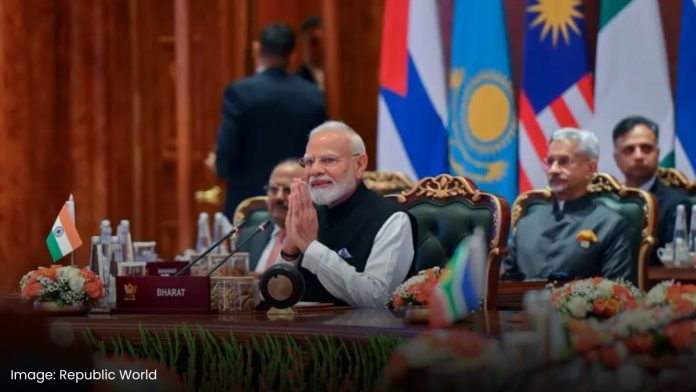
The summit brought together representatives from countries including the UK, Germany, France, India, Japan and Israel, among dozens of others, according to a State Department list. Rubio used the event to push for international coordination against left wing political violence, building on steps the administration had already taken domestically. In November, the US designated four European leftist groups as foreign terrorist organizations and announced a 10 million dollar reward for information on their financing. Antifa, a decentralized far left movement, was designated a domestic terrorist organization in October, following an executive order, NSPM-7, that expanded the FBI, IRS, DOJ and Treasury’s authority to investigate nonprofit and tax exempt organizations for alleged terrorist links. Rubio said more designations are coming.
The Language Rubio Chose to Use
What stood out most from the summit wasn’t the policy itself, it was the rhetoric used to frame it. Rubio called the threat a distinctive and unique evil, saying it has always been driven by a hatred for civilization itself, and described it as a revolt of the worst against the best, the weak and cowardly against the strong and the good. He explicitly compared the effort to the post 9/11 global war on terror, arguing the international community needs to rebuild its counterterrorism infrastructure the same way it did to confront radical Islamist extremism two decades ago. This is not typical language for a policy summit focused on domestic political violence, it is the language of civilizational conflict.
Miller and Bessent Escalated the Framing Further
White House Deputy Chief of Staff Stephen Miller spoke after Rubio and pushed the framing even further, describing left wing extremism as aimed at the overthrow of the entire system of government. He specifically told attendees that appeals to civil liberties from the left should fall on deaf ears, calling such appeals a disingenuous tactic used to avoid accountability. Treasury Secretary Scott Bessent closed the remarks by extending the definition beyond violence entirely, citing quieter forms of left wing terrorism such as campaigns to suppress speech, intimidate political opposition and sabotage institutions. Widening the definition this far, from bombings and shootings to speech and institutional criticism, is a meaningful shift in scope, and it happened inside the same speech that opened the summit.
What the Actual Data Shows
This is where the rhetoric runs into a documented gap. A September 2025 Cato Institute study found that over the last five years, right wing terrorists were responsible for 54 percent of US political violence deaths, compared to 22 percent from left wing terrorism and 21 percent from Islamist extremism. Looking back to 1975, the same study found 391 deaths from right wing terror attacks against 65 from left wing attacks. A separate 2024 analysis published by the National Institute of Justice, the Justice Department’s own research arm, found far right extremists committed 520 deaths across 227 incidents since 1990, compared to 78 deaths across 42 attacks attributed to far left extremists. A 2025 CSIS study did find that left wing incidents outnumbered right wing incidents for the first time in 2025, but total deaths over the 2016 to 2025 period still favored the right, 82 deaths compared to 13.
Why This Gap Matters
None of this means left wing political violence isn’t real or worth addressing, the CSIS data shows it is genuinely rising. But the gap between Rubio’s civilizational language and the actual death toll data raises a real question about proportionality. Civil liberties groups, including the ACLU, have already argued this framework is being used to target peaceful activists and donors under the pretext of counterterrorism. Rubio has dismissed this criticism as partisan fiction. Whichever side of that argument proves correct, language this intense, unique evil, enemies of civilization, rarely stays contained to its narrowest definition once it becomes official government terminology.
Sources:
· U.S. Hosts Conference on Far Left Terrorism With Representatives From Over 65 Countries, What to Know — TIME: https://time.com/article/2026/07/16/far-left-terrorism-conference-us-rubio/
· Marco Rubio convenes global summit to address rise of far left political violence — The Hill: https://thehill.com/homenews/administration/5972315-state-department-transnational-political-threat/
· Rubio urges international counterterrorism crackdown on the far left — ABC News: https://abcnews.com/Politics/rubio-urges-international-counterterrorism-crackdown-left/story?id=134820036
· Rubio expands plans for high level meeting focused on far left terrorism — ABC News: https://abcnews.com/Politics/rubio-expands-plans-high-level-meeting-focused-left/story?id=134730067