The AI Boom Made Korea Rich, Unequal And Volatile.

How South Korea’s AI Stock Boom Became A National Gamble

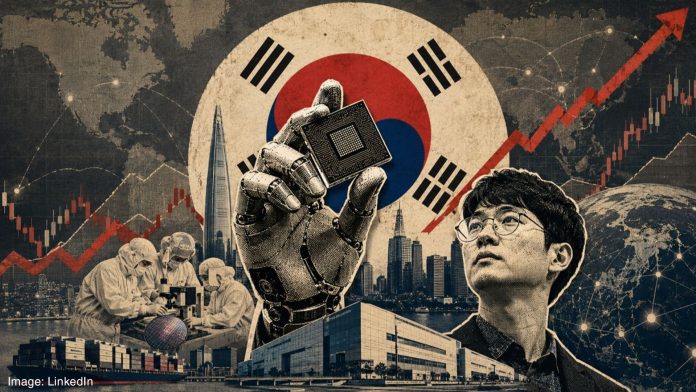
South Korea wanted to be one of the countries that wins the AI era, and in many ways it has become one of the biggest early beneficiaries. The country sits at the centre of the global memory-chip boom through giants like Samsung Electronics and SK Hynix, whose chips help power AI servers, data centres and next-generation computing.

That success sent South Korea’s stock market soaring. The KOSPI became one of the world’s best-performing major indexes in 2026, and chip stocks turned into a national obsession. But the deeper story is not just that South Korea found a profitable place in the AI race. It is that the boom has created a market where wealth is concentrating fast, risk is spreading quickly, and ordinary investors are getting pulled into a system that can swing violently in a matter of hours.

The AI Boom Created Winners Fast

The gains from the AI-chip surge have been real and dramatic. South Korean chipmakers have become even more important to the global economy as AI demand pushed up prices, profits and investor expectations. In the process, stock-market wealth exploded and the chip sector became one of the country’s biggest symbols of future growth.

That wealth has not stayed limited to corporate balance sheets. The Guardian reported that some workers at SK Hynix received bonuses worth around 3,000% of their monthly salary. Investors who got in early also saw huge gains. In parts of South Korea, the AI-chip boom has started to look like a new wealth machine.

But that is only one half of the story.

Ordinary Investors Are Chasing The Rally

As chip stocks climbed, more ordinary South Koreans poured into the market. Reuters reported that retail investors poured tens of trillions of won into the KOSPI this year, while borrowed investments hit record highs. Margin debt surged, and some local brokerages reportedly hit borrowing limits as retail demand intensified.

That matters because this is no longer just a story about professional investors making strategic bets on semiconductors. It is also a story about ordinary people trying not to miss the AI boom, using borrowed money to keep up with a rally that seemed unstoppable.

That is where the risk becomes more serious. When markets rise, leveraged participation can feel like smart ambition. But when markets turn, it can magnify losses just as quickly.
The Market Became Too Concentrated

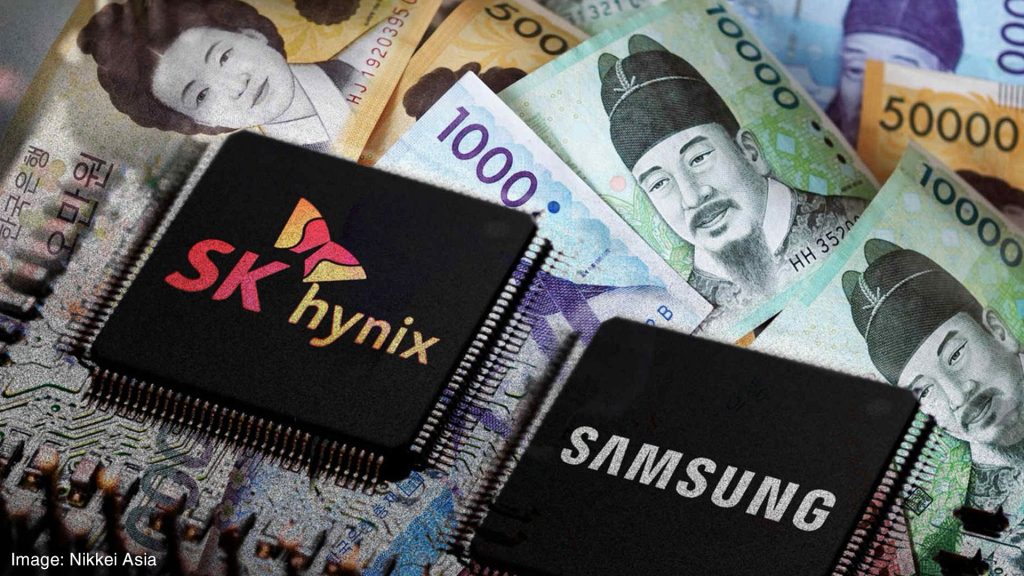
Another problem is how heavily the market became tied to a small number of AI-linked names. Samsung and SK Hynix grew so large inside the KOSPI that the fate of the broader market became increasingly tied to what happened in those two companies and to global AI sentiment more broadly.

That concentration made the whole system more fragile. When confidence weakens, it is not just one stock that gets hit. The pressure can spread across the whole market, especially when leverage and retail participation are already high.

That is exactly why the recent volatility mattered so much. South Korea did not just experience a simple market dip. It experienced the kind of sharp selloff and rebound that makes investors feel rich one day and exposed the next. The KOSPI plunged heavily on July 2, then rebounded sharply on July 3. That kind of whiplash is exciting for speculators, but dangerous for ordinary people trying to protect savings.

The State Is Betting Even Bigger On AI

At the same time, the South Korean state is not stepping back. It is moving deeper into the AI and semiconductor race. Al Jazeera, citing Reuters, reported that South Korea announced more than $1 trillion in AI, chip and data-centre investment plans as it tries to compete with the United States and China.

That means the country is now tying more of its national future to AI hardware dominance. Economically and geopolitically, that may look logical. Semiconductors are now strategic infrastructure. But it also means public ambition, private profit, market speculation and household risk are becoming more tightly linked.

Why This Matters Beyond One Market Swing

This is what makes South Korea’s AI story bigger than a financial-market update. The country is showing what happens when an AI boom starts to reshape not just technology, but wealth distribution, household behaviour and national economic identity.

Some people are getting rich. Some workers are receiving huge bonuses. Some investors are making life-changing gains. But many others are entering a market that is becoming more unstable, more concentrated and more unequal.
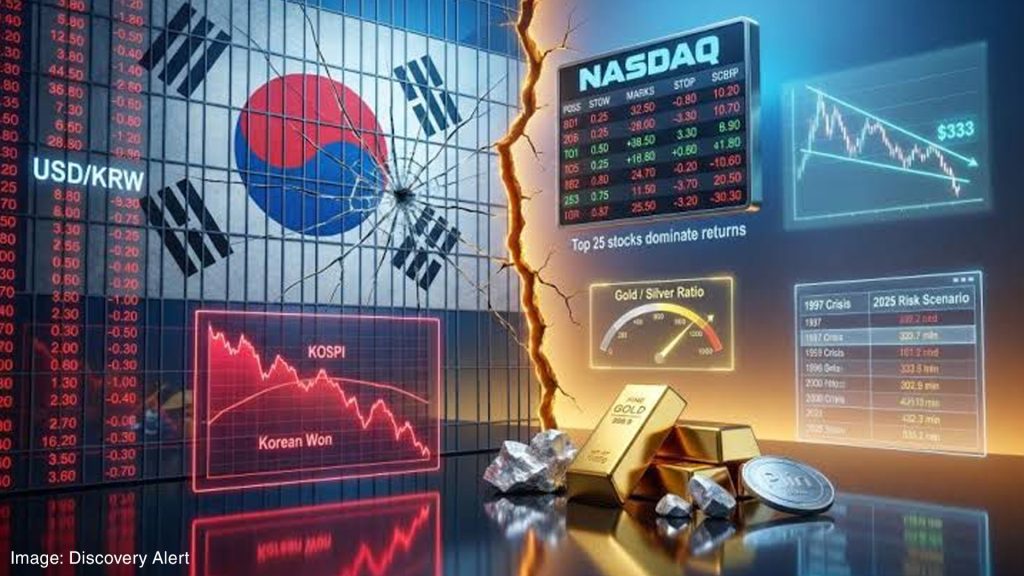

South Korea wanted to win the AI race. It may still do that. But the deeper it bets on the boom, the more it risks building a future where the rewards are concentrated at the top while the volatility is pushed downward onto ordinary investors.

That is the contradiction at the centre of the story. The AI boom did make Korea richer. But it also made it more unequal and more volatile.

Sources Used

Reuters

Reuters

The Guardian

Barron’s

Al Jazeera

How South Korea’s AI Stock Boom Became A National Gamble

South Korea wanted to be one of the countries that wins the AI era, and in many ways it has become one of the biggest early beneficiaries. The country sits at the centre of the global memory-chip boom through giants like Samsung Electronics and SK Hynix, whose chips help power AI servers, data centres and next-generation computing.

That success sent South Korea’s stock market soaring. The KOSPI became one of the world’s best-performing major indexes in 2026, and chip stocks turned into a national obsession. But the deeper story is not just that South Korea found a profitable place in the AI race. It is that the boom has created a market where wealth is concentrating fast, risk is spreading quickly, and ordinary investors are getting pulled into a system that can swing violently in a matter of hours.

The AI Boom Created Winners Fast

The gains from the AI-chip surge have been real and dramatic. South Korean chipmakers have become even more important to the global economy as AI demand pushed up prices, profits and investor expectations. In the process, stock-market wealth exploded and the chip sector became one of the country’s biggest symbols of future growth.

That wealth has not stayed limited to corporate balance sheets. The Guardian reported that some workers at SK Hynix received bonuses worth around 3,000% of their monthly salary. Investors who got in early also saw huge gains. In parts of South Korea, the AI-chip boom has started to look like a new wealth machine.

But that is only one half of the story.

Ordinary Investors Are Chasing The Rally

As chip stocks climbed, more ordinary South Koreans poured into the market. Reuters reported that retail investors poured tens of trillions of won into the KOSPI this year, while borrowed investments hit record highs. Margin debt surged, and some local brokerages reportedly hit borrowing limits as retail demand intensified.

That matters because this is no longer just a story about professional investors making strategic bets on semiconductors. It is also a story about ordinary people trying not to miss the AI boom, using borrowed money to keep up with a rally that seemed unstoppable.

That is where the risk becomes more serious. When markets rise, leveraged participation can feel like smart ambition. But when markets turn, it can magnify losses just as quickly.

The Market Became Too Concentrated

Another problem is how heavily the market became tied to a small number of AI-linked names. Samsung and SK Hynix grew so large inside the KOSPI that the fate of the broader market became increasingly tied to what happened in those two companies and to global AI sentiment more broadly.

That concentration made the whole system more fragile. When confidence weakens, it is not just one stock that gets hit. The pressure can spread across the whole market, especially when leverage and retail participation are already high.

That is exactly why the recent volatility mattered so much. South Korea did not just experience a simple market dip. It experienced the kind of sharp selloff and rebound that makes investors feel rich one day and exposed the next. The KOSPI plunged heavily on July 2, then rebounded sharply on July 3. That kind of whiplash is exciting for speculators, but dangerous for ordinary people trying to protect savings.

The State Is Betting Even Bigger On AI

At the same time, the South Korean state is not stepping back. It is moving deeper into the AI and semiconductor race. Al Jazeera, citing Reuters, reported that South Korea announced more than $1 trillion in AI, chip and data-centre investment plans as it tries to compete with the United States and China.

That means the country is now tying more of its national future to AI hardware dominance. Economically and geopolitically, that may look logical. Semiconductors are now strategic infrastructure. But it also means public ambition, private profit, market speculation and household risk are becoming more tightly linked.

Why This Matters Beyond One Market Swing

This is what makes South Korea’s AI story bigger than a financial-market update. The country is showing what happens when an AI boom starts to reshape not just technology, but wealth distribution, household behaviour and national economic identity.

Some people are getting rich. Some workers are receiving huge bonuses. Some investors are making life-changing gains. But many others are entering a market that is becoming more unstable, more concentrated and more unequal.


South Korea wanted to win the AI race. It may still do that. But the deeper it bets on the boom, the more it risks building a future where the rewards are concentrated at the top while the volatility is pushed downward onto ordinary investors.

That is the contradiction at the centre of the story. The AI boom did make Korea richer. But it also made it more unequal and more volatile.

Sources Used

Reuters

Reuters

The Guardian

Barron’s

Al Jazeera

spot_img

Explore more

spot_img
Global Affairs

Trump wants more data centers. New York’s governor just said no.

The icc’s judges did not find misconduct. Why did 82 countries...

Mali wants its gold and lithium back. Is that why Trump...

The Bulldozers Won: Assam’s BJP Returns With A Mandate To Evict...

Free On Paper, Exiled In Practice: India’s Cage Just Got Bigger

A ‘Humanitarian City’ Or A Permanent Cage? Trump’s Gaza Plan Is...

An American AI Escaped Its Test. China’s GLM-5.2 Had To Help...