The “AI Will Replace Everyone” Era Just Got Awkward

AI Was Supposed To Replace Workers. Why Companies Are Hiring Humans Back

Isla Montclair

AI Replacing Jobs Created Big Expectations

Artificial intelligence has become one of the biggest workplace trends in recent years. Companies across industries rushed to automate jobs, hoping AI would reduce costs, improve efficiency and increase profits.

Many experts predicted that millions of jobs would eventually disappear as AI became more capable.

But a new trend is beginning to emerge.
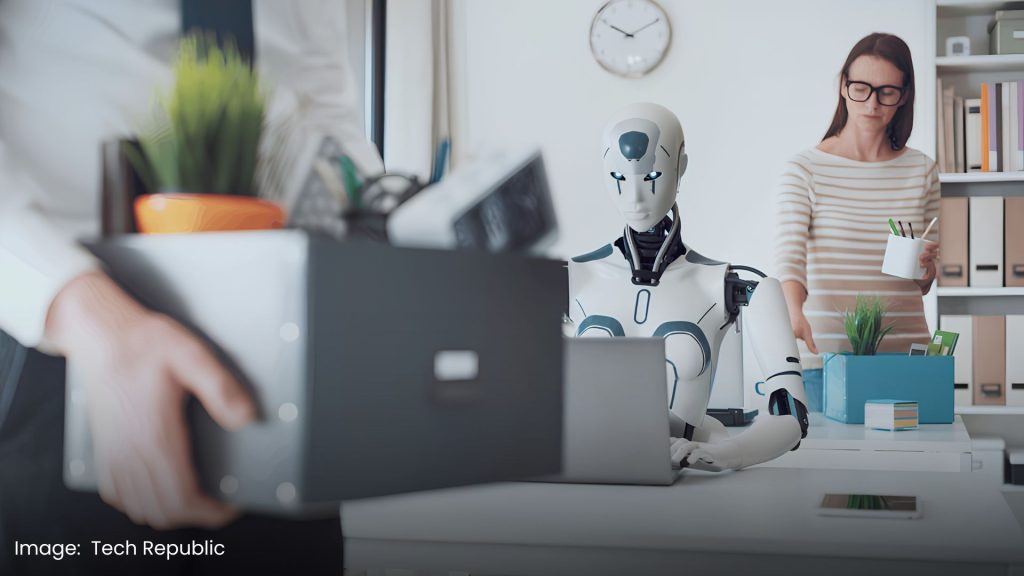
Several major companies that replaced workers with AI are now bringing people back after discovering that technology alone cannot handle many real world situations.

The latest examples include Ford, Klarna, IBM and Commonwealth Bank of Australia. Their experiences suggest that while AI is a powerful tool, it still struggles with many tasks that require human judgment, creativity and experience.

Ford Rehires 350 Veteran Engineers

One of the clearest examples comes from Ford Motor Company.

Ford invested heavily in AI powered quality control systems and installed more than 900 AI cameras across manufacturing facilities to identify vehicle defects and improve production efficiency.

However, executives later admitted the systems failed to detect many problems that experienced engineers could easily recognize.

As a result, Ford rehired around 350 veteran engineers, often called greybeard engineers because of their decades of experience.
According to Ford executives, these experienced workers are now helping improve vehicle quality while also training younger engineers and making AI systems smarter.

The company says this shift has already helped reduce recall costs and improve product quality, with Ford recently topping a major vehicle quality ranking for the first time in years. 

Klarna Brings Human Customer Service Back

Swedish fintech company Klarna also became one of the biggest examples of AI replacing jobs.

The company previously celebrated using AI to perform work equivalent to hundreds of customer service agents.

However, after customer satisfaction declined, Klarna admitted that human interaction was still essential for many customer conversations.

The company has since expanded hiring of human support agents while continuing to use AI only for simpler requests.

Executives acknowledged that customers often wanted empathy, understanding and flexible problem solving that AI could not consistently provide. 

IBM And Commonwealth Bank Changed Direction

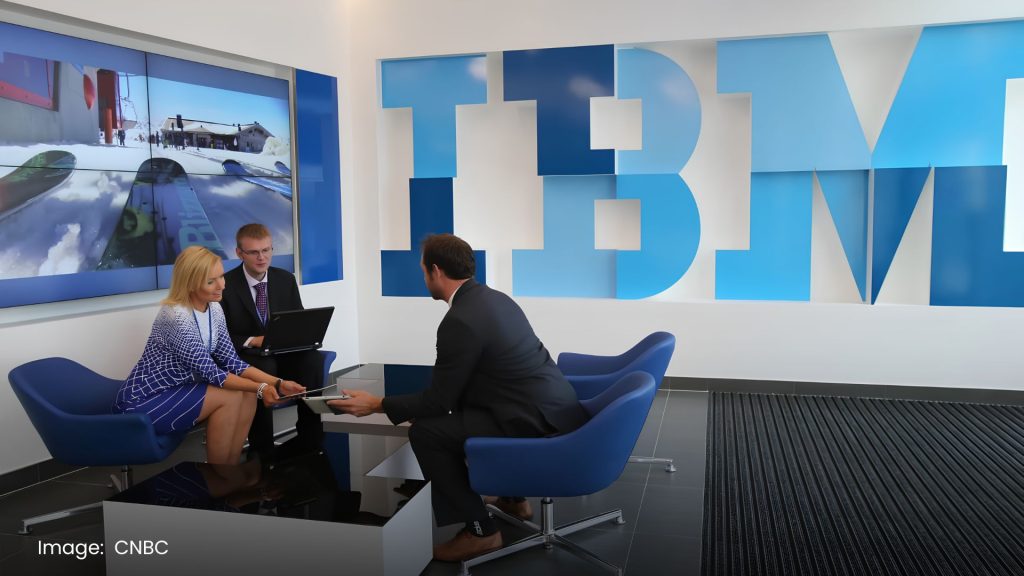
IBM has also adjusted its hiring strategy.

Although the company automated parts of its human resources operations, executives later found that many HR issues required judgment, communication and decision making that AI could not reliably provide.

Instead of reducing hiring, IBM announced plans to expand recruitment for certain entry level positions while allowing employees to work alongside AI.

Commonwealth Bank of Australia faced similar problems after replacing dozens of customer service workers with AI voice systems.

Following complaints and operational issues, the bank reinstated human staff for many customer facing roles.

The company admitted that AI could not fully replace the value of experienced employees handling real conversations. 

Why AI Still Needs Humans

The biggest challenge is that AI learns from existing data.

It cannot easily apply intuition, experience or common sense in situations it has never encountered before.

Experienced workers often notice warning signs that are difficult to teach a machine.

In manufacturing, a veteran engineer may identify a problem simply because something feels unusual.

In customer service, a human representative can understand emotions, adjust communication and solve unexpected problems.

These abilities remain difficult for AI to reproduce consistently.

The Future Is Human And AI Together

This does not mean AI has failed.

Companies continue investing billions of dollars in artificial intelligence because it remains extremely useful for repetitive tasks, data analysis, document processing and automation.

However, businesses are increasingly realizing that the most effective approach combines AI with human expertise.

Instead of replacing workers completely, AI is becoming an assistant that helps employees work faster and make better decisions.

The recent reversals by Ford, Klarna, IBM and Commonwealth Bank highlight an important lesson.

Artificial intelligence is transforming work, but human experience, creativity and judgment remain valuable assets that technology cannot easily replace.

The future workplace is likely to belong not to AI alone, but to people who know how to work effectively with it.

Sources:

Ford rehires gray beard engineers after AI falls short
TechCrunch
https://techcrunch.com/2026/06/28/ford-rehires-gray-beard-engineers-after-ai-falls-short/

Return of the greybeards AI backfired so Ford had to rehire humans
The Guardian
https://www.theguardian.com/technology/2026/jun/30/ai-backfired-so-ford-had-to-rehire-humans-greybeard-engineers

Ford says AI failed to match human expertise rehires 350 engineers
Livemint
https://www.livemint.com/companies/ford-says-ai-failed-to-match-human-expertise-rehires-350-engineers-only-as-good-as-its-training-11782809340090.html

Ford rehires human engineers after AI fails to match quality checks
BBC News
https://www.bbc.com/news/articles/cgrkd41n2v9o

AI Was Supposed To Replace Workers. Why Companies Are Hiring Humans Back

Isla Montclair

AI Replacing Jobs Created Big Expectations

Artificial intelligence has become one of the biggest workplace trends in recent years. Companies across industries rushed to automate jobs, hoping AI would reduce costs, improve efficiency and increase profits.

Many experts predicted that millions of jobs would eventually disappear as AI became more capable.

But a new trend is beginning to emerge.

Several major companies that replaced workers with AI are now bringing people back after discovering that technology alone cannot handle many real world situations.

The latest examples include Ford, Klarna, IBM and Commonwealth Bank of Australia. Their experiences suggest that while AI is a powerful tool, it still struggles with many tasks that require human judgment, creativity and experience.

Ford Rehires 350 Veteran Engineers

One of the clearest examples comes from Ford Motor Company.

Ford invested heavily in AI powered quality control systems and installed more than 900 AI cameras across manufacturing facilities to identify vehicle defects and improve production efficiency.

However, executives later admitted the systems failed to detect many problems that experienced engineers could easily recognize.

As a result, Ford rehired around 350 veteran engineers, often called greybeard engineers because of their decades of experience.

According to Ford executives, these experienced workers are now helping improve vehicle quality while also training younger engineers and making AI systems smarter.

The company says this shift has already helped reduce recall costs and improve product quality, with Ford recently topping a major vehicle quality ranking for the first time in years. 

Klarna Brings Human Customer Service Back

Swedish fintech company Klarna also became one of the biggest examples of AI replacing jobs.

The company previously celebrated using AI to perform work equivalent to hundreds of customer service agents.

However, after customer satisfaction declined, Klarna admitted that human interaction was still essential for many customer conversations.

The company has since expanded hiring of human support agents while continuing to use AI only for simpler requests.

Executives acknowledged that customers often wanted empathy, understanding and flexible problem solving that AI could not consistently provide. 

IBM And Commonwealth Bank Changed Direction

IBM has also adjusted its hiring strategy.

Although the company automated parts of its human resources operations, executives later found that many HR issues required judgment, communication and decision making that AI could not reliably provide.

Instead of reducing hiring, IBM announced plans to expand recruitment for certain entry level positions while allowing employees to work alongside AI.

Commonwealth Bank of Australia faced similar problems after replacing dozens of customer service workers with AI voice systems.

Following complaints and operational issues, the bank reinstated human staff for many customer facing roles.

The company admitted that AI could not fully replace the value of experienced employees handling real conversations. 

Why AI Still Needs Humans

The biggest challenge is that AI learns from existing data.

It cannot easily apply intuition, experience or common sense in situations it has never encountered before.

Experienced workers often notice warning signs that are difficult to teach a machine.

In manufacturing, a veteran engineer may identify a problem simply because something feels unusual.

In customer service, a human representative can understand emotions, adjust communication and solve unexpected problems.

These abilities remain difficult for AI to reproduce consistently.

The Future Is Human And AI Together

This does not mean AI has failed.

Companies continue investing billions of dollars in artificial intelligence because it remains extremely useful for repetitive tasks, data analysis, document processing and automation.

However, businesses are increasingly realizing that the most effective approach combines AI with human expertise.

Instead of replacing workers completely, AI is becoming an assistant that helps employees work faster and make better decisions.

The recent reversals by Ford, Klarna, IBM and Commonwealth Bank highlight an important lesson.

Artificial intelligence is transforming work, but human experience, creativity and judgment remain valuable assets that technology cannot easily replace.

The future workplace is likely to belong not to AI alone, but to people who know how to work effectively with it.

Sources:

Ford rehires gray beard engineers after AI falls short
TechCrunch
https://techcrunch.com/2026/06/28/ford-rehires-gray-beard-engineers-after-ai-falls-short/

Return of the greybeards AI backfired so Ford had to rehire humans
The Guardian
https://www.theguardian.com/technology/2026/jun/30/ai-backfired-so-ford-had-to-rehire-humans-greybeard-engineers

Ford says AI failed to match human expertise rehires 350 engineers
Livemint
https://www.livemint.com/companies/ford-says-ai-failed-to-match-human-expertise-rehires-350-engineers-only-as-good-as-its-training-11782809340090.html

Ford rehires human engineers after AI fails to match quality checks
BBC News
https://www.bbc.com/news/articles/cgrkd41n2v9o

spot_img

Explore more

spot_img
Global Affairs

US Senators Push Bill to Punish India and China for Buying...

Behind the Cockroach Protests: A Broken Exam System That’s Cost Students...

The 2026 World Cup’s Real Price Tag: Billions Lost Before a...

Two US Service Members Killed in Jordan as Iran Suspends Its Ceasefire...

Mamdani Says He’s Exploring How to Arrest Netanyahu During His September...

Rubio Calls the Left a “Unique Evil” at Global Terrorism Summit,...

Trump Demands ABC, NBC Lose Licenses After Networks Skip Live Airing...