The Biggest Healthcare Fraud Bust in US History

The Largest Healthcare Fraud Bust in US History Just Exposed a 6.5 Billion Dollar Criminal Web

Isla Montclair

Doctors, brokers, fake clinics and international fugitives. The DOJ’s 2026 National Health Care Fraud Takedown has uncovered schemes so brazen that some of them billed for physically impossible hours of care. Here is the full breakdown of what investigators found.

The Numbers Behind the Largest Healthcare Fraud Takedown Ever

The US Department of Justice announced its 2026 National Health Care Fraud Takedown with numbers that immediately marked it as historic. The operation resulted in criminal charges against 455 defendants, including 90 doctors and other licensed medical professionals, across 56 federal districts and 45 states and territories, involving more than 6.5 billion dollars in alleged false claims.

What makes this takedown genuinely different from past operations is where the focus landed. The DOJ expressly described the takedown as including the largest number of Medicaid fraud defendants and the largest Medicaid fraud loss charged in department history, with 295 defendants and more than 518 million dollars in alleged false claims submitted to Medicaid alone. For the first time in department history, all 50 state Medicaid Fraud Control Units participated in a single coordinated operation.

That shift matters more than it might first appear. Medicaid is jointly funded by states and the federal government, with federal funding percentages ranging from 50 to 76.9 percent depending on the state. Unlike Medicare, which operates under a single national framework, Medicaid is administered separately by each state under its own rules, waiver programs, managed care contracts and provider manuals. Targeting Medicaid fraud at this scale required federal investigators to navigate 50 different legal systems simultaneously.

Inside the Schemes That Stunned Investigators

The individual cases described in the takedown read like something out of a crime thriller, and the sheer audacity of the alleged fraud is what has made this story spread so fast.
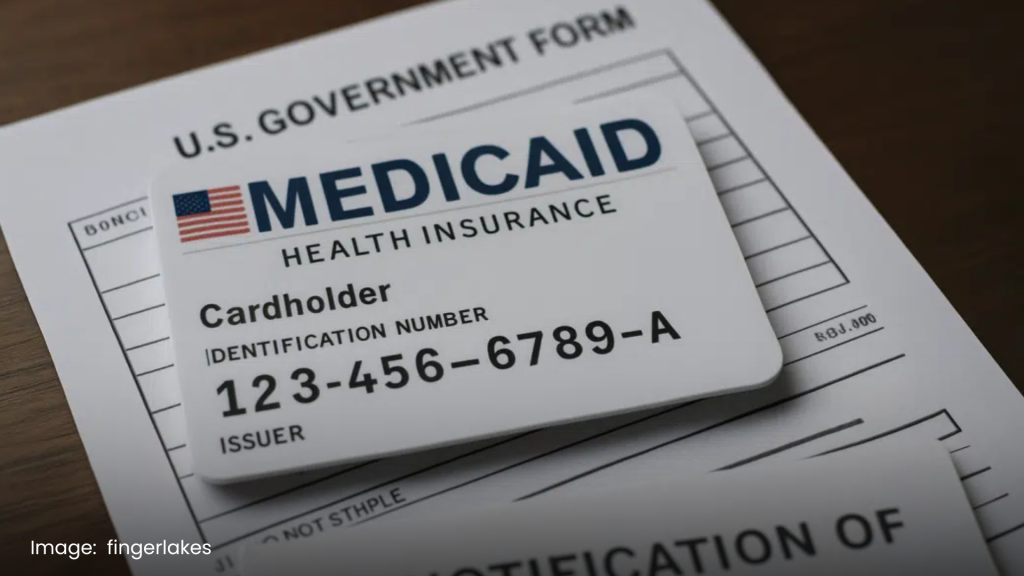
In Illinois, the DOJ described a Medicaid behavioral health case in which a defendant allegedly billed for 500 or more hours of counseling and therapy services per day, a number that would be physically impossible to deliver even if every staff member worked around the clock without stopping. Investigators allege the operation diverted more than 27 million dollars to brokerage accounts, 10 million dollars to a luxury car dealership, 4 million dollars toward real estate purchases and home improvements, and additional funds toward jewelry, watches and vehicles.

In New York, prosecutors described an alleged 38 million dollar Medicaid fraud scheme involving a social adult day care operation. The facility was licensed for a maximum occupancy of 30 people. Investigators allege it billed Medicaid for hundreds of beneficiaries per day for services that were either medically unnecessary, procured through kickbacks to marketers and beneficiaries, or never provided at all.

In Virginia, the alleged scheme was even more disturbing in its targeting. A mental health company is accused of running a 49 million dollar fraud in which homeless individuals were offered free hotel stays in exchange for their Medicaid numbers. Those numbers were then allegedly used to bill for crisis stabilization services the individuals never needed and never received.

In Alaska, state prosecutors brought a smaller but deeply troubling case in which a personal care attendant allegedly submitted false claims for regularly attending to a Medicaid recipient’s health and hygiene, while that same recipient had actually been hospitalized after suffering severe neglect.

A New Era of AI Powered Fraud Detection

What separates the 2026 takedown from previous years is not just the scale of the fraud uncovered, but the sophistication of how it was caught. The federal government has shifted from a reactive pay and chase model, where fraud is investigated only after payments have already gone out, toward a pre-payment detection model powered by a newly established Data Fusion Center using advanced AI and data analytics to flag outlier billing patterns and halt suspicious payments before money leaves government accounts.

A new National Fraud Enforcement Division acted as the central coordinating hub, rapidly converting local audits into full multi-agency investigations. Alongside the criminal charges, the Centers for Medicare and Medicaid Services immediately suspended 1,079 providers and revoked billing privileges for another 1,403, cutting off ongoing financial exposure even before cases reach trial.

The operation’s reach extended well beyond US borders. Unprecedented international coordination led investigators to track down and return fugitives connected to the broader fraud network who had been hiding in countries including Estonia and the Philippines.

Why Medicaid Fraud Has Become the Government’s New Priority

Behind the headline numbers lies a deeper structural reason why Medicaid fraud is now drawing this level of attention. Medicaid covers some of the most vulnerable populations in the country, including low-income adults, children, pregnant women, elderly adults and people with disabilities. It also includes service categories that are notoriously difficult to verify after the fact, including behavioral health, home and community based services, personal care, social adult day care and crisis stabilization.

These categories can be entirely legitimate and clinically essential. But they also create significant enforcement risk whenever documentation is thin, supervision is weak, or billing data reveals implausible utilization patterns, such as a single clinic claiming to provide more hours of care in a day than is humanly possible.

Legal experts say the scale of this takedown signals a permanent shift in how healthcare fraud enforcement will operate going forward. Providers across the country are now being advised to treat Medicaid compliance as an entirely separate discipline from Medicare compliance, given how dramatically the rules, oversight bodies and enforcement culture differ between the two programs. With AI now actively scanning billing data in real time, the era of large scale undetected Medicaid fraud appears to be closing fast.

Sources:

·  2026 National Health Care Fraud Takedown, US Department of Justice: https://www.justice.gov/usao-pr/pr/2026-national-health-care-fraud-takedown

·  Medicaid Takes Center Stage in DOJ’s 2026 Health Care Fraud Takedown, Foley and Lardner: https://www.foley.com/insights/publications/2026/06/medicaid-takes-center-stage-in-dojs-2026-health-care-fraud-takedown/

·  DOJ’s 2026 Health Care Fraud Takedown: Details Behind the Headline Number, Foley and Lardner: https://www.foley.com/insights/publications/2026/06/dojs-2026-health-care-fraud-takedown-details-behind-the-headline-number-and-what-it-means-for-health-care-providers/

·  The 2026 National Health Care Fraud Takedown: A Data Driven Whole of Government Approach to Preventing Fraud, Akin Gump: https://www.akingump.com/en/insights/alerts/the-2026-national-health-care-fraud-takedown-a-data-driven-whole-of-government-approach-to-preventing-fraud ·  Medicaid Takes Center Stage in DOJ’s 2026 Health Care Fraud Takedown, Mondaq: https://www.mondaq.com/unitedstates/corporate-and-company-law/1809214/medicaid-takes-center-stage-in-dojs-2026-health-care-fraud-takedown


The Largest Healthcare Fraud Bust in US History Just Exposed a 6.5 Billion Dollar Criminal Web

Isla Montclair

Doctors, brokers, fake clinics and international fugitives. The DOJ’s 2026 National Health Care Fraud Takedown has uncovered schemes so brazen that some of them billed for physically impossible hours of care. Here is the full breakdown of what investigators found.

The Numbers Behind the Largest Healthcare Fraud Takedown Ever

The US Department of Justice announced its 2026 National Health Care Fraud Takedown with numbers that immediately marked it as historic. The operation resulted in criminal charges against 455 defendants, including 90 doctors and other licensed medical professionals, across 56 federal districts and 45 states and territories, involving more than 6.5 billion dollars in alleged false claims.

What makes this takedown genuinely different from past operations is where the focus landed. The DOJ expressly described the takedown as including the largest number of Medicaid fraud defendants and the largest Medicaid fraud loss charged in department history, with 295 defendants and more than 518 million dollars in alleged false claims submitted to Medicaid alone. For the first time in department history, all 50 state Medicaid Fraud Control Units participated in a single coordinated operation.

That shift matters more than it might first appear. Medicaid is jointly funded by states and the federal government, with federal funding percentages ranging from 50 to 76.9 percent depending on the state. Unlike Medicare, which operates under a single national framework, Medicaid is administered separately by each state under its own rules, waiver programs, managed care contracts and provider manuals. Targeting Medicaid fraud at this scale required federal investigators to navigate 50 different legal systems simultaneously.

Inside the Schemes That Stunned Investigators

The individual cases described in the takedown read like something out of a crime thriller, and the sheer audacity of the alleged fraud is what has made this story spread so fast.

In Illinois, the DOJ described a Medicaid behavioral health case in which a defendant allegedly billed for 500 or more hours of counseling and therapy services per day, a number that would be physically impossible to deliver even if every staff member worked around the clock without stopping. Investigators allege the operation diverted more than 27 million dollars to brokerage accounts, 10 million dollars to a luxury car dealership, 4 million dollars toward real estate purchases and home improvements, and additional funds toward jewelry, watches and vehicles.

In New York, prosecutors described an alleged 38 million dollar Medicaid fraud scheme involving a social adult day care operation. The facility was licensed for a maximum occupancy of 30 people. Investigators allege it billed Medicaid for hundreds of beneficiaries per day for services that were either medically unnecessary, procured through kickbacks to marketers and beneficiaries, or never provided at all.

In Virginia, the alleged scheme was even more disturbing in its targeting. A mental health company is accused of running a 49 million dollar fraud in which homeless individuals were offered free hotel stays in exchange for their Medicaid numbers. Those numbers were then allegedly used to bill for crisis stabilization services the individuals never needed and never received.

In Alaska, state prosecutors brought a smaller but deeply troubling case in which a personal care attendant allegedly submitted false claims for regularly attending to a Medicaid recipient’s health and hygiene, while that same recipient had actually been hospitalized after suffering severe neglect.

A New Era of AI Powered Fraud Detection

What separates the 2026 takedown from previous years is not just the scale of the fraud uncovered, but the sophistication of how it was caught. The federal government has shifted from a reactive pay and chase model, where fraud is investigated only after payments have already gone out, toward a pre-payment detection model powered by a newly established Data Fusion Center using advanced AI and data analytics to flag outlier billing patterns and halt suspicious payments before money leaves government accounts.

A new National Fraud Enforcement Division acted as the central coordinating hub, rapidly converting local audits into full multi-agency investigations. Alongside the criminal charges, the Centers for Medicare and Medicaid Services immediately suspended 1,079 providers and revoked billing privileges for another 1,403, cutting off ongoing financial exposure even before cases reach trial.

The operation’s reach extended well beyond US borders. Unprecedented international coordination led investigators to track down and return fugitives connected to the broader fraud network who had been hiding in countries including Estonia and the Philippines.

Why Medicaid Fraud Has Become the Government’s New Priority

Behind the headline numbers lies a deeper structural reason why Medicaid fraud is now drawing this level of attention. Medicaid covers some of the most vulnerable populations in the country, including low-income adults, children, pregnant women, elderly adults and people with disabilities. It also includes service categories that are notoriously difficult to verify after the fact, including behavioral health, home and community based services, personal care, social adult day care and crisis stabilization.

These categories can be entirely legitimate and clinically essential. But they also create significant enforcement risk whenever documentation is thin, supervision is weak, or billing data reveals implausible utilization patterns, such as a single clinic claiming to provide more hours of care in a day than is humanly possible.

Legal experts say the scale of this takedown signals a permanent shift in how healthcare fraud enforcement will operate going forward. Providers across the country are now being advised to treat Medicaid compliance as an entirely separate discipline from Medicare compliance, given how dramatically the rules, oversight bodies and enforcement culture differ between the two programs. With AI now actively scanning billing data in real time, the era of large scale undetected Medicaid fraud appears to be closing fast.

Sources:

·  2026 National Health Care Fraud Takedown, US Department of Justice: https://www.justice.gov/usao-pr/pr/2026-national-health-care-fraud-takedown

·  Medicaid Takes Center Stage in DOJ’s 2026 Health Care Fraud Takedown, Foley and Lardner: https://www.foley.com/insights/publications/2026/06/medicaid-takes-center-stage-in-dojs-2026-health-care-fraud-takedown/

·  DOJ’s 2026 Health Care Fraud Takedown: Details Behind the Headline Number, Foley and Lardner: https://www.foley.com/insights/publications/2026/06/dojs-2026-health-care-fraud-takedown-details-behind-the-headline-number-and-what-it-means-for-health-care-providers/

·  The 2026 National Health Care Fraud Takedown: A Data Driven Whole of Government Approach to Preventing Fraud, Akin Gump: https://www.akingump.com/en/insights/alerts/the-2026-national-health-care-fraud-takedown-a-data-driven-whole-of-government-approach-to-preventing-fraud ·  Medicaid Takes Center Stage in DOJ’s 2026 Health Care Fraud Takedown, Mondaq: https://www.mondaq.com/unitedstates/corporate-and-company-law/1809214/medicaid-takes-center-stage-in-dojs-2026-health-care-fraud-takedown

spot_img

Explore more

spot_img
Global Affairs

US Senators Push Bill to Punish India and China for Buying...

Behind the Cockroach Protests: A Broken Exam System That’s Cost Students...

The 2026 World Cup’s Real Price Tag: Billions Lost Before a...

Two US Service Members Killed in Jordan as Iran Suspends Its Ceasefire...

Mamdani Says He’s Exploring How to Arrest Netanyahu During His September...

Rubio Calls the Left a “Unique Evil” at Global Terrorism Summit,...

Trump Demands ABC, NBC Lose Licenses After Networks Skip Live Airing...