
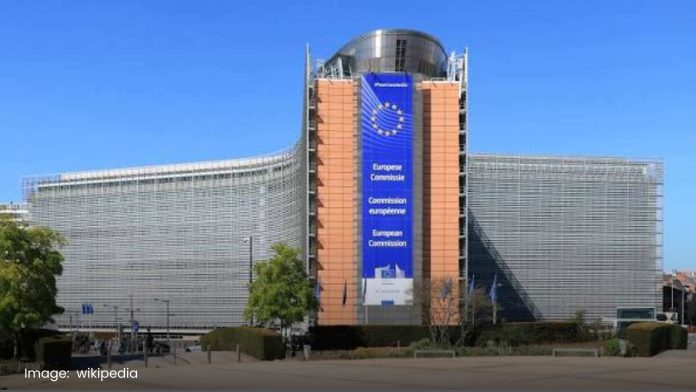
The EU headquarters shut down AC for the lower staff during extreme heat. Staff called the situation “feudalism.

EU Commission Heatwave AC Shutdown Sparks Backlash

A heatwave at the European Commission headquarters in Brussels has sparked controversy after parts of the building lost air conditioning while upper floors continued receiving cooling.

The incident took place at the Berlaymont building, the headquarters of the European Commission, which houses around 3,000 employees, European Commission President Ursula von der Leyen, and the EU’s 26 commissioners.

During extreme heat on June 26, staff were informed that cooling systems on floors one through seven would be shut down for the rest of the day due to pressure on the building’s cooling system.

The decision quickly became controversial because higher floors, including offices used by senior officials, were reportedly not affected in the same way.

“Feudalism” Backlash From EU Staff

The biggest reaction came from employees who questioned the difference in conditions inside the same building.

Some staff members criticized the situation, with one official describing it as “feudalism” and another calling it “a disgrace.”

The criticism was not only about the heat but also about the perception that regular employees faced the consequences while senior officials remained in cooler offices.

The Berlaymont building became a symbol of a wider workplace debate about fairness during extreme weather conditions.

Was The AC Shutdown Targeted At Lower Staff?

Despite the backlash, the European Commission said the decision was not an intentional move against lower level employees.

Officials explained that the cooling system faced pressure because of extreme temperatures, forcing a partial shutdown affecting specific floors.

The Commission’s explanation suggests the situation was caused by technical limitations rather than a planned decision to prioritize certain workers over others.

However, the optics of the situation continued to fuel criticism because the affected floors and unaffected areas appeared divided by staff hierarchy.

Ursula Von Der Leyen Office And Upper Floors Remain Cool

The controversy grew because the upper floors of the Berlaymont building include offices used by senior European Commission officials.

European Commission President Ursula von der Leyen’s office is located on the 13th floor, while many commissioner offices are located on floors eight and above.

Reports stated that these areas continued receiving air conditioning while floors one through seven experienced the shutdown.

Although the Commission said the situation was linked to the building’s cooling system, the difference created frustration among some employees.

Brussels Heatwave Exposes Bigger Infrastructure Problem

The incident happened during a period of intense heat across Europe, putting pressure on buildings, electricity networks, and transport systems.
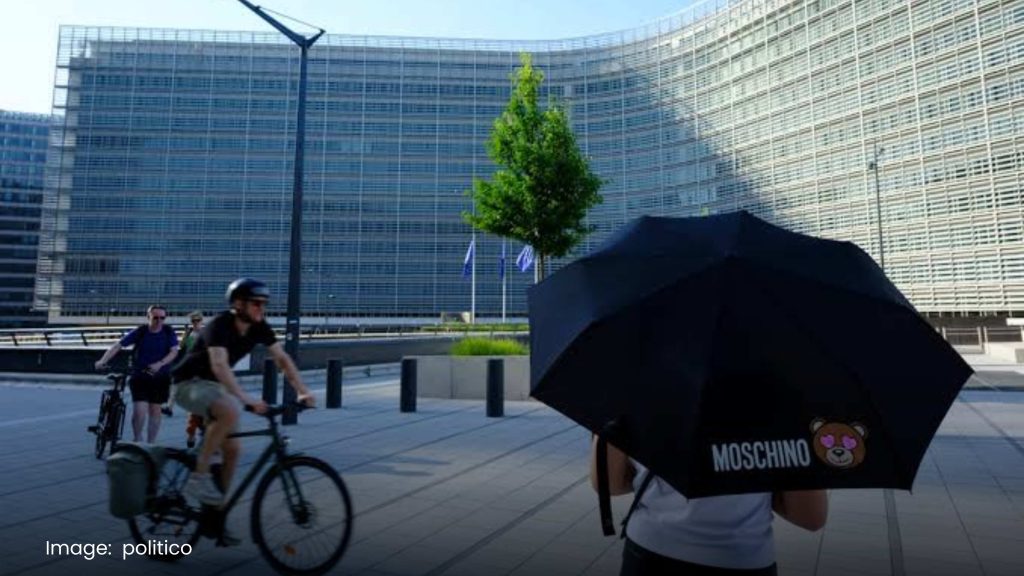
The same heatwave affected wider infrastructure, including reports of power issues at the European Parliament and transport disruptions in Belgium.

The situation highlighted a growing challenge for Europe as extreme temperatures become more frequent.

Many buildings and public systems were not originally designed for repeated periods of severe heat, creating pressure on cooling systems and energy networks.

Europe’s Heatwave Response Under Pressure

The EU Commission had already advised staff to stay hydrated, avoid the hottest hours of the day, and reduce heat exposure.

However, some employees criticized the guidance, arguing that personal measures cannot replace proper workplace cooling during extreme temperatures.

The debate reflects a larger question about how governments and institutions prepare for climate challenges while ensuring worker safety.

A Viral Controversy With A Bigger Message

The Berlaymont AC shutdown became more than a building management issue.

For critics, it represented a gap between leadership and ordinary workers. For officials, it was a technical response to an overloaded cooling system during an extreme heat event.

The controversy shows how climate events can quickly become social and political issues, especially when people feel the impact is not shared equally.
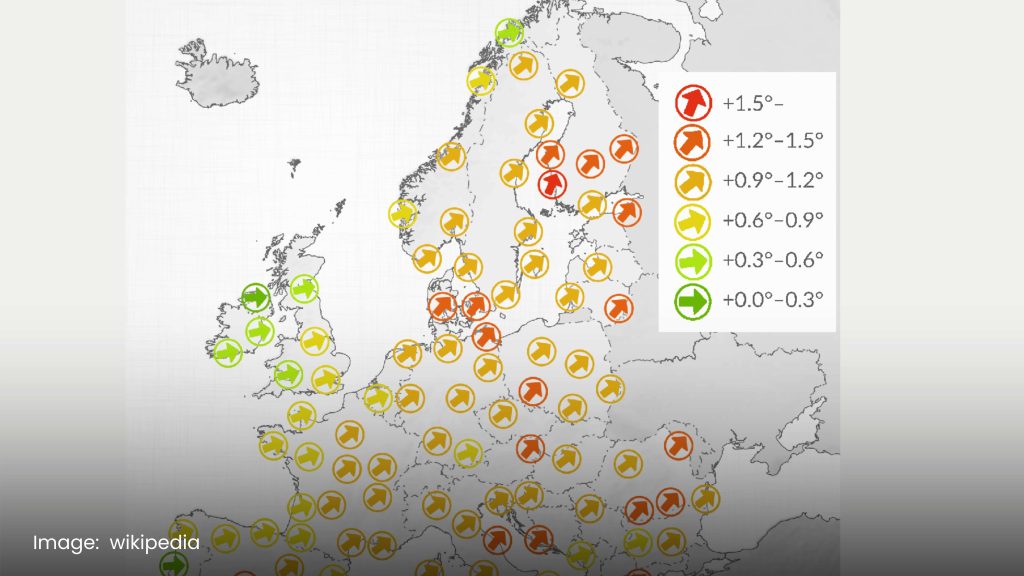
As Europe faces hotter summers and more frequent heatwaves, the incident has raised questions about infrastructure, workplace conditions, and how institutions adapt to a changing climate.

Sources:

EU Commission HQ shuts down air conditioning for lower staffers, but keeps it on for most commissioners

Anadolu Agency Article

EU Commission HQ forced to shut down air conditioning amid heat wave

POLITICO Europe Article

EU Commission heatwave criticism and infrastructure context SFG Media Report

EU Commission Heatwave AC Shutdown Sparks Backlash

A heatwave at the European Commission headquarters in Brussels has sparked controversy after parts of the building lost air conditioning while upper floors continued receiving cooling.

The incident took place at the Berlaymont building, the headquarters of the European Commission, which houses around 3,000 employees, European Commission President Ursula von der Leyen, and the EU’s 26 commissioners.

During extreme heat on June 26, staff were informed that cooling systems on floors one through seven would be shut down for the rest of the day due to pressure on the building’s cooling system.

The decision quickly became controversial because higher floors, including offices used by senior officials, were reportedly not affected in the same way.

“Feudalism” Backlash From EU Staff

The biggest reaction came from employees who questioned the difference in conditions inside the same building.

Some staff members criticized the situation, with one official describing it as “feudalism” and another calling it “a disgrace.”

The criticism was not only about the heat but also about the perception that regular employees faced the consequences while senior officials remained in cooler offices.

The Berlaymont building became a symbol of a wider workplace debate about fairness during extreme weather conditions.

Was The AC Shutdown Targeted At Lower Staff?

Despite the backlash, the European Commission said the decision was not an intentional move against lower level employees.

Officials explained that the cooling system faced pressure because of extreme temperatures, forcing a partial shutdown affecting specific floors.

The Commission’s explanation suggests the situation was caused by technical limitations rather than a planned decision to prioritize certain workers over others.

However, the optics of the situation continued to fuel criticism because the affected floors and unaffected areas appeared divided by staff hierarchy.

Ursula Von Der Leyen Office And Upper Floors Remain Cool

The controversy grew because the upper floors of the Berlaymont building include offices used by senior European Commission officials.

European Commission President Ursula von der Leyen’s office is located on the 13th floor, while many commissioner offices are located on floors eight and above.

Reports stated that these areas continued receiving air conditioning while floors one through seven experienced the shutdown.

Although the Commission said the situation was linked to the building’s cooling system, the difference created frustration among some employees.

Brussels Heatwave Exposes Bigger Infrastructure Problem

The incident happened during a period of intense heat across Europe, putting pressure on buildings, electricity networks, and transport systems.

The same heatwave affected wider infrastructure, including reports of power issues at the European Parliament and transport disruptions in Belgium.

The situation highlighted a growing challenge for Europe as extreme temperatures become more frequent.

Many buildings and public systems were not originally designed for repeated periods of severe heat, creating pressure on cooling systems and energy networks.

Europe’s Heatwave Response Under Pressure

The EU Commission had already advised staff to stay hydrated, avoid the hottest hours of the day, and reduce heat exposure.

However, some employees criticized the guidance, arguing that personal measures cannot replace proper workplace cooling during extreme temperatures.

The debate reflects a larger question about how governments and institutions prepare for climate challenges while ensuring worker safety.

A Viral Controversy With A Bigger Message

The Berlaymont AC shutdown became more than a building management issue.

For critics, it represented a gap between leadership and ordinary workers. For officials, it was a technical response to an overloaded cooling system during an extreme heat event.

The controversy shows how climate events can quickly become social and political issues, especially when people feel the impact is not shared equally.

As Europe faces hotter summers and more frequent heatwaves, the incident has raised questions about infrastructure, workplace conditions, and how institutions adapt to a changing climate.

Sources:

EU Commission HQ shuts down air conditioning for lower staffers, but keeps it on for most commissioners

Anadolu Agency Article

EU Commission HQ forced to shut down air conditioning amid heat wave

POLITICO Europe Article

EU Commission heatwave criticism and infrastructure context SFG Media Report

spot_img

Explore more

spot_img
Global Affairs

UN Official Calls West Bank Attacks “Pogroms,” Wants Weapons Ban on...

UN Rights Chief Wins Second Term, But the US, Israel and...

A Super El Nino Could Cost the World Up to 7...

Trump to Use Frozen Iranian Money, Worth Billions, to Pay for...

Iran Rejects New US Ceasefire Offer, Says It Rejected a Broken...

Houthis Strike Two Saudi Oil Tankers, Block Red Sea as Oil...

UK Mosques Attacked Every 5 Days, But One Boy Is Fighting...