The US and Iran Have Agreed a Peace Framework. Here Is What the Islamabad MOU Actually Means.
Isla Montclair
After weeks of negotiations, the United States released the official 14-point text of its memorandum of understanding with Iran on Wednesday. The document covers everything from the Strait of Hormuz to nuclear weapons to 300 billion dollars in reconstruction funding. Here is a complete breakdown of what was agreed, what it means, and what still needs to happen.
What the Islamabad MOU Is and How It Came to Be Public
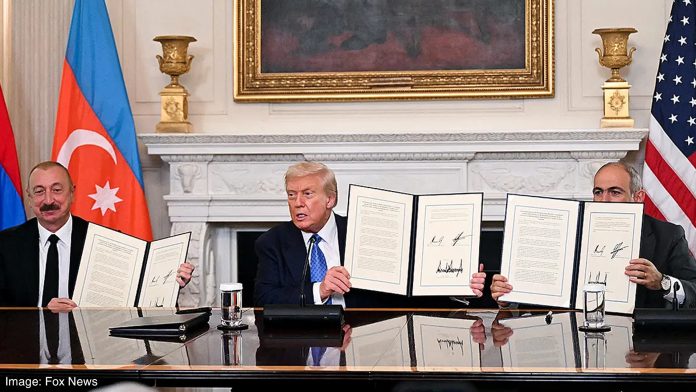
The document is formally titled the Islamabad Memorandum of Understanding between the United States of America and the Islamic Republic of Iran. It was digitally signed over the weekend by US President Donald Trump, Vice President JD Vance, and Iranian parliamentary speaker Mohammad Bagher Ghalibaf. The formal in-person signing is scheduled for Friday in Switzerland.
The text was only released publicly on Wednesday after significant pressure and outcry that it had not been shared. A senior US administration official read out the 14-point document and described it as an agreement that allows the immediate opening of the Strait of Hormuz, commits Iran to neutralising its nuclear stockpile, and creates a mechanism where economic and sanctions relief increases in proportion to Iran’s positive behaviour.
CNN had earlier obtained and published a draft version of the agreement. The official text released by the US is largely similar but includes two notable additions the draft did not contain: a minimum methodology clause for dealing with Iran’s highly enriched uranium stockpile, specifying that it will be down-blended on site under IAEA supervision, and a provision that Iran will allow commercial vessels to transit the Strait of Hormuz free of charge for 60 days only.
The War Ends, Lebanon Is Included, and the Strait Reopens
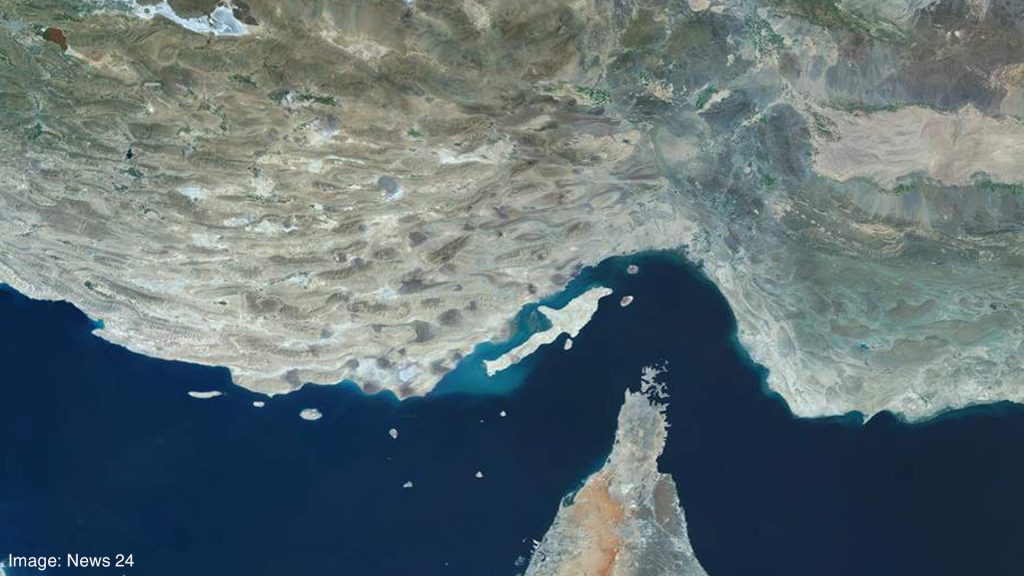
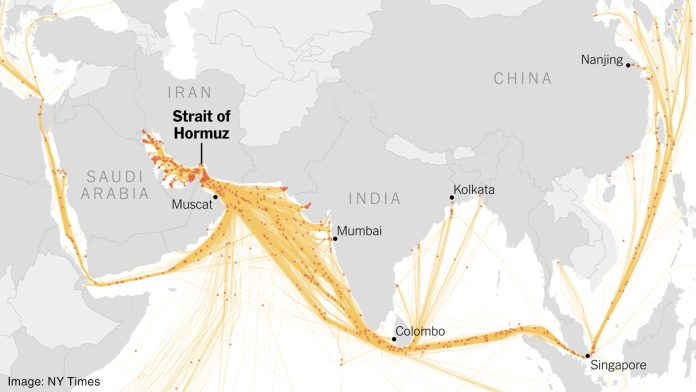
The first five points of the Islamabad MOU deal with the immediate end of military operations and the reopening of the Strait of Hormuz, one of the world’s most critical shipping lanes.
Point one declares an immediate and permanent end to all military operations on all fronts including Lebanon. Both sides commit never to use or threaten force against each other again and to guarantee Lebanon’s sovereignty. Point two requires both countries to respect each other’s sovereignty and stop interfering in each other’s internal affairs. Point three sets a 60 day deadline to negotiate a final permanent deal, extendable by mutual consent.
Point four requires the United States to begin lifting its naval blockade on Iran immediately upon signing and to complete the full removal within 30 days. US forces are to withdraw from the proximity of Iran within 30 days after the final deal is signed. Point five requires Iran to immediately arrange safe passage for commercial vessels through the Strait of Hormuz free of charge, with full traffic restored within 30 days. Iran will also demine the strait during that period and will hold talks with Oman and other Persian Gulf coastal states on the future administration of the waterway under international law.
300 Billion Dollars, Full Sanctions Relief and Oil Export Waivers
Points six through ten cover the economic and nuclear dimensions of the agreement and represent the most consequential long-term commitments in the document.
Point six commits the United States and its regional partners to developing a 300 billion dollar plan for the reconstruction and economic development of Iran, with the implementation mechanism to be finalised within 60 days. Point seven commits the US to ending all sanctions on Iran including United Nations Security Council resolutions, IAEA board of governors resolutions, and all primary and secondary US sanctions on an agreed schedule as part of the final deal.
Point eight addresses the nuclear program directly. Iran reaffirms it will not procure or develop nuclear weapons. Its stockpile of highly enriched uranium will be down-blended on site under IAEA supervision as the agreed minimum methodology for neutralising it. Both sides will continue to discuss enrichment levels and Iran’s broader nuclear needs within the final deal framework. Point nine establishes that until the final deal is signed both sides maintain the current status quo, meaning Iran keeps its nuclear program as it is and the US does not impose new sanctions or deploy additional forces to the region. Point ten requires the US Treasury to issue oil export waivers for Iran immediately upon signing, covering crude oil, petroleum products and all associated services including banking, insurance and transportation.
Frozen Assets Released, a Monitoring Body Created, and the UN to Seal the Final Deal
The final four points of the Islamabad MOU deal with implementation, oversight and the path to a permanent agreement.
Point eleven requires the United States to make fully available all of Iran’s frozen or restricted funds and assets once the MOU is implemented, with Iran’s Central Bank having full authority over how those funds are used. Point twelve establishes an executive monitoring body to oversee compliance with the MOU and the future final deal. Point thirteen sets the sequencing of negotiations, stating that once the US begins acting on the war termination, blockade removal, Strait of Hormuz, oil waiver and frozen assets provisions, formal final deal negotiations on the remaining points will begin. Point fourteen states that the final deal will be endorsed through a binding United Nations Security Council resolution, giving it the force of international law.
What US Officials Have Said and What Remains Unresolved
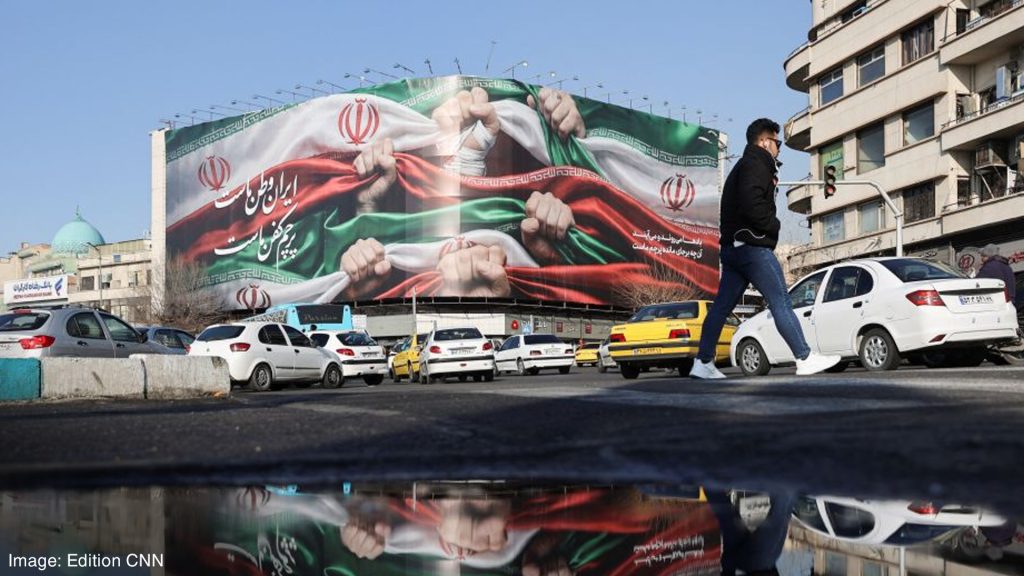
Despite the significance of the document, senior US administration officials have been careful to frame the MOU itself as a political document rather than a binding agreement, stating that it does not reflect back-channel commitments Iran has made to Washington specifically regarding the nuclear program. The semi-official Iranian news agency Tasnim had previously described earlier leaked versions of the draft as inaccurate.
The 60 day window to negotiate a final deal begins from the formal signing on Friday in Switzerland. Whether that window produces a comprehensive permanent agreement covering enrichment levels, the precise sanctions removal schedule, the 300 billion dollar reconstruction mechanism, and verification procedures for the nuclear program is the question the entire region is now watching.
What exists today is the most detailed and significant written framework between the United States and Iran in decades, and for the first time it is public.
Sources:
US releases official agreement with Iran. Read the 14-point text,
CNN: https://edition.cnn.com/2026/06/17/politics/us-iran-agreement-official-text