When June 18 Meant War, and Then Peace: The War of 1812 and the US-Iran Ceasefire 214 Years Apart
Isla Montclair
History has a long memory, but not always an obvious one. The date June 18 sits quietly in the calendar, unmarked by most people going about their day. Yet twice in American history, separated by more than two centuries, that single date became a turning point in how the United States related to the world, once when it chose to go to war, and once when it agreed to stop.
A Young Republic Declares Its First War
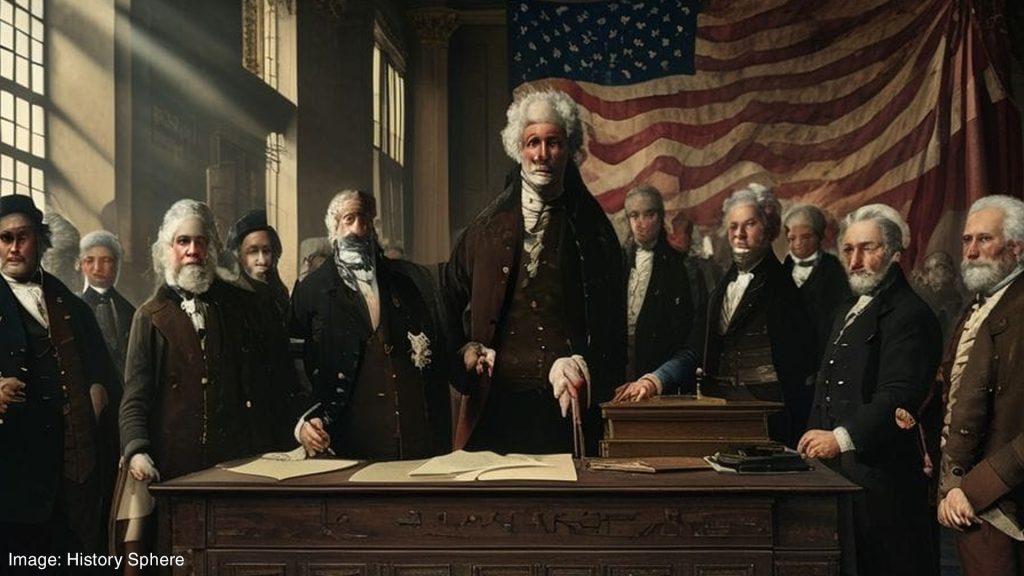
On June 18, 1812, President James Madison signed into law a declaration of war against Great Britain, the first formal declaration of war in American history. The grievances were economic and sovereign in nature. Britain’s Royal Navy had been blockading American trade routes across the Atlantic, systematically disrupting commerce that the fledgling United States depended on. More provocatively, British officers had been forcibly impressing American sailors into service, a practice that struck at the very idea of national sovereignty that the republic had fought to establish barely three decades earlier. Congress passed the declaration under pressure from the War Hawks, a faction that saw conflict as necessary to assert American independence on the world stage. The war that followed lasted until 1815, ending with the Treaty of Ghent, which restored the pre-war status quo without resolving the core issues that had started it.
The 2026 War and the Road to a Ceasefire
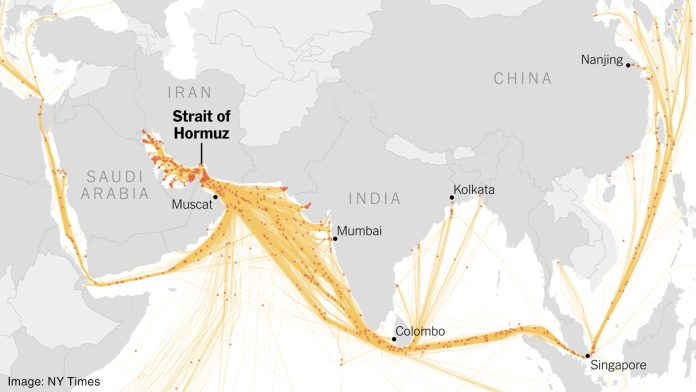
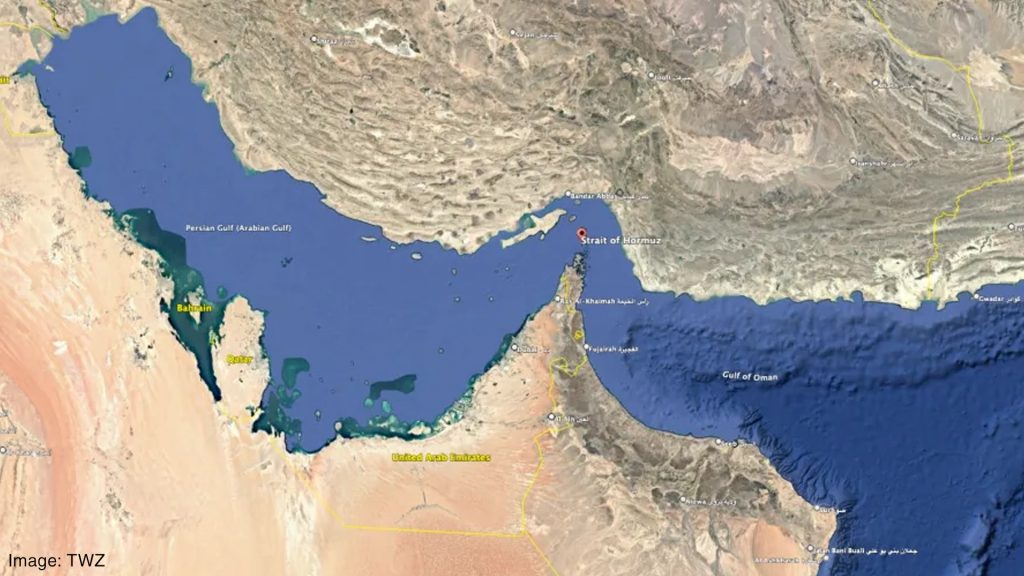
On February 28, 2026, the United States and Israel launched a series of coordinated strikes against Iran, targeting its nuclear and ballistic missile programme and seeking to induce regime change. The opening salvo killed Iran’s Supreme Leader Ali Khamenei and triggered waves of retaliatory missiles and thousands of counter-strikes. Among Iran’s most consequential responses was the closure of the Strait of Hormuz, one of the world’s most critical oil chokepoints. The strait, a crucial waterway for the world’s oil and natural gas, was effectively sealed, triggering an energy crisis that could take months to ease even after it fully reopens. House of Commons Library + 2
After more than five weeks of fighting, the United States and Iran agreed on April 7 and 8 to a ceasefire that included Israel, mediated by Pakistan. That ceasefire held unsteadily, with low-intensity exchanges continuing and both sides testing the limits of the agreement. On June 11, Trump announced that a further 60-day ceasefire had been reached, calling for an immediate halt to hostilities, the reopening of the Strait of Hormuz, and a 15 to 20 day period of negotiations. Encyclopedia BritannicaWikipedia
The Islamabad Memorandum and What It Contains
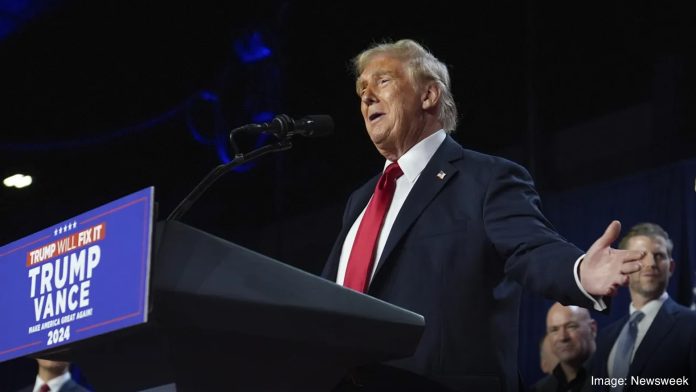
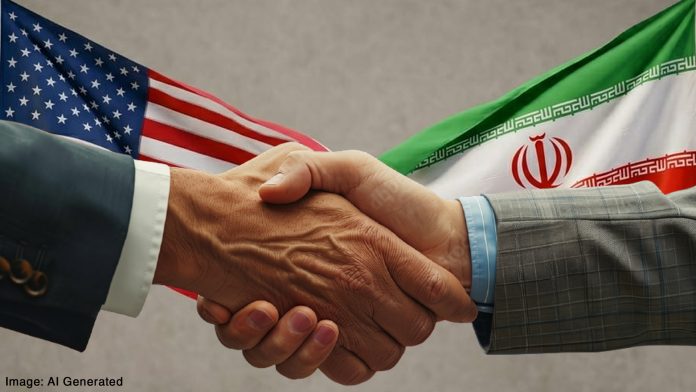
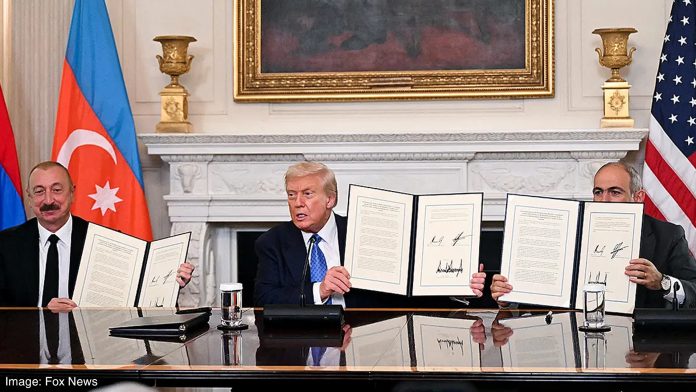
The United States and Iran electronically signed a memorandum of understanding to extend their ceasefire and reopen the Strait of Hormuz. Iran’s Foreign Affairs spokesperson Esmaeil Baghaei confirmed the agreement had gone into effect, stating: “The text of the Islamabad Memorandum of Understanding was finalised with the signatures of the presidents.” Trump told reporters he had signed the memorandum at the Palace of Versailles. The agreement extends the ceasefire for 60 days, with Iran gradually reopening the strait and the US lifting its blockade of Iranian ports, paving the way for further negotiations over Iran’s nuclear programme, and the US moving to waive some wide-ranging sanctions. Al JazeeraAl Jazeera
The MOU sets out a 60-day ceasefire period during which discussions will address unresolved issues including Iran’s nuclear programme, uranium enrichment levels, the status of its highly enriched uranium stockpile, sanctions relief, and the possible release of up to $25 billion in frozen Iranian assets, depending on future compliance. Wikipedia
Waterways at the Heart of Both Conflicts
The parallel between 1812 and 2026 is not merely calendrical. Both wars turned fundamentally on control of critical waterways and what that control meant for global commerce. In 1812, Britain’s mastery of Atlantic shipping lanes strangled American trade. In 2026, Iran’s closure of the Strait of Hormuz, through which roughly 20% of the world’s traded oil moves, had a cascading effect on energy markets worldwide. Oil prices fell on June 18 after investors weighed the interim peace deal, with US crude dropping to $75.83 a barrel and Brent crude falling to $78.41, continuing declines after the MOU was signed. The International Energy Agency said the oil market could move into a significant supply surplus by 2027 following the reopening of the Strait of Hormuz. RFE/RLRFE/RL
What Remains Unresolved
The Treaty of Ghent in 1815 restored the pre-war status quo without answering the impressment question or guaranteeing American trading rights, the two issues that had started the war. The pattern holds. Both sides have emphasised that the memorandum of understanding is not a final settlement. Iran’s nuclear programme remains the largest unresolved issue. The IAEA said it is ready to begin implementing the agreement, under which Tehran has agreed to dilute its enriched uranium stockpile, with IAEA Director General Rafael Grossi noting the operation would be highly complex. Lebanon’s status, Israel’s continued military presence in southern Lebanon, and the question of Hezbollah remain live issues that the 60-day window is expected to address. Al JazeeraRFE/RL
The Diplomacy Behind the Deal
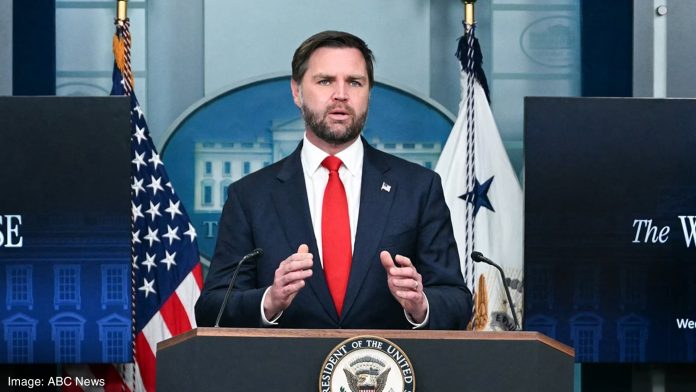
Direct negotiations took place in Islamabad, Pakistan, between US Vice President JD Vance and Iranian parliament speaker Mohammad Bagher Ghalibaf, the highest-level direct engagement between the United States and Iran since the 1979 Iranian Revolution. Pakistan served as the primary mediator throughout. China also played a role in nudging the ceasefire forward. UN Secretary-General António Guterres called the deal a critical step, with his spokesperson saying he hopes parties will redouble their efforts towards a final resolution of the conflict. Encyclopedia BritannicaNPR
In 1812, the world was watching a young republic test its will. In 2026, it is watching a superpower negotiate the limits of its reach. Both moments landed on June 18. Both left the harder questions for the next room.
Sources:
· Iran, US presidents sign deal to extend ceasefire, reopen Strait of Hormuz, Al Jazeera — https://www.aljazeera.com/news/2026/6/17/iran-confirms-that-mou-has-been-signed-electronically-by-both-sides
· 2026 Iran war, Britannica — https://www.britannica.com/event/2026-Iran-war
· Iran and US reach an initial deal to extend the ceasefire and open the Strait of Hormuz, PBS NewsHour — https://www.pbs.org/newshour/amp/world/iran-and-u-s-reach-an-initial-deal-to-extend-the-ceasefire-and-open-the-strait-of-hormuz-but-challenges-remain
· US and Iran announce an initial deal to end the war and reopen the Strait of Hormuz, NPR — https://www.npr.org/2026/06/15/nx-s1-5858590/us-iran-deal-updates
· 2025-2026 Iran-United States negotiations, Wikipedia — https://en.wikipedia.org/wiki/2025%E2%80%932026_Iran%E2%80%93United_States_negotiations
· Oil Prices Fall, Dollar Steady As US-Iran Deal Eases Supply Concerns, RFE/RL — https://www.rferl.org/a/iran-war-us-hormuz-oil-blockade-gulf-israel/33640284.html
· US-Iran ceasefire and nuclear talks in 2026, House of Commons Library — https://commonslibrary.parliament.uk/research-briefings/cbp-10637/