
What Are the US and Iran Actually Negotiating Through Oman

Maryam Tariq

After 13 consecutive nights of US strikes on Iran, both countries have paused active fighting, and diplomats are trying to give negotiations room to develop. But the talks currently underway are narrower and more indirect than the broad ceasefire framing suggests. Here is a breakdown of what is actually being discussed, where both sides agree, and where they remain fundamentally at odds.

What the Two Sides Are Actually Talking About

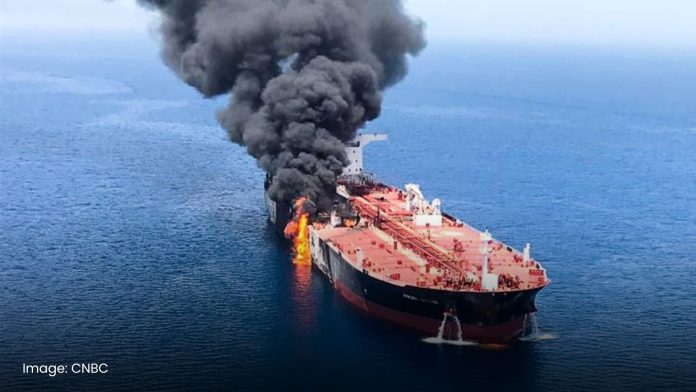
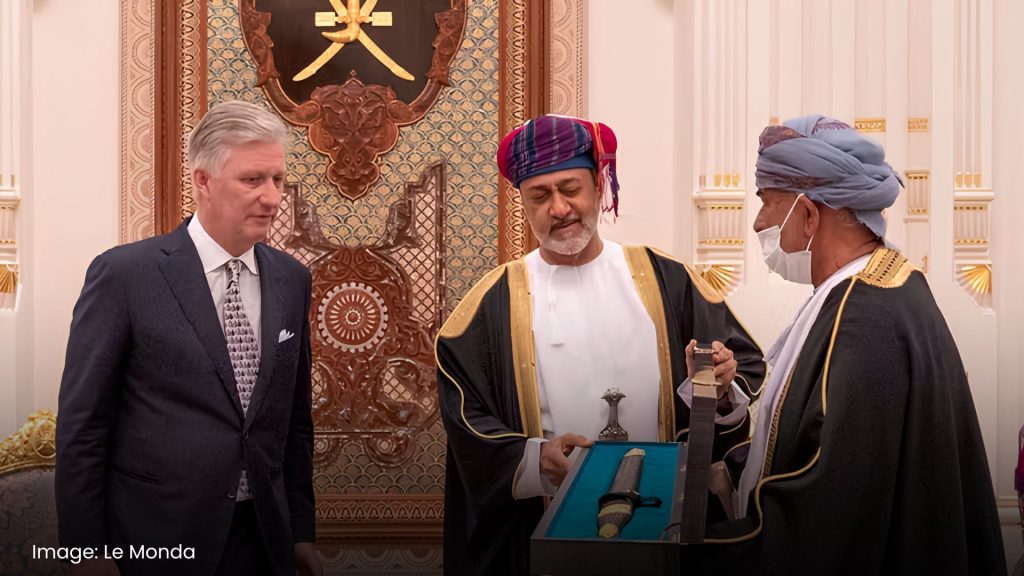
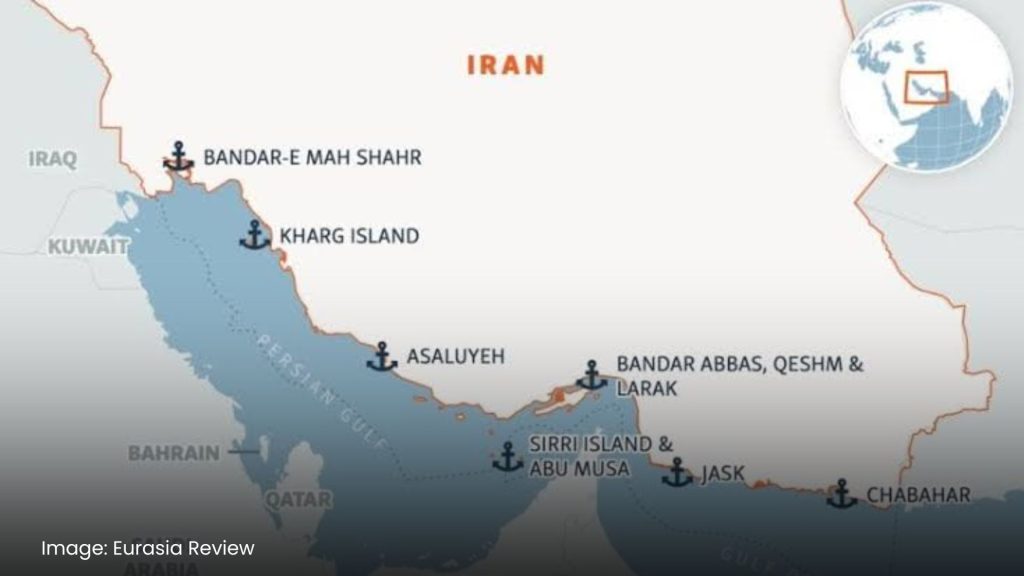
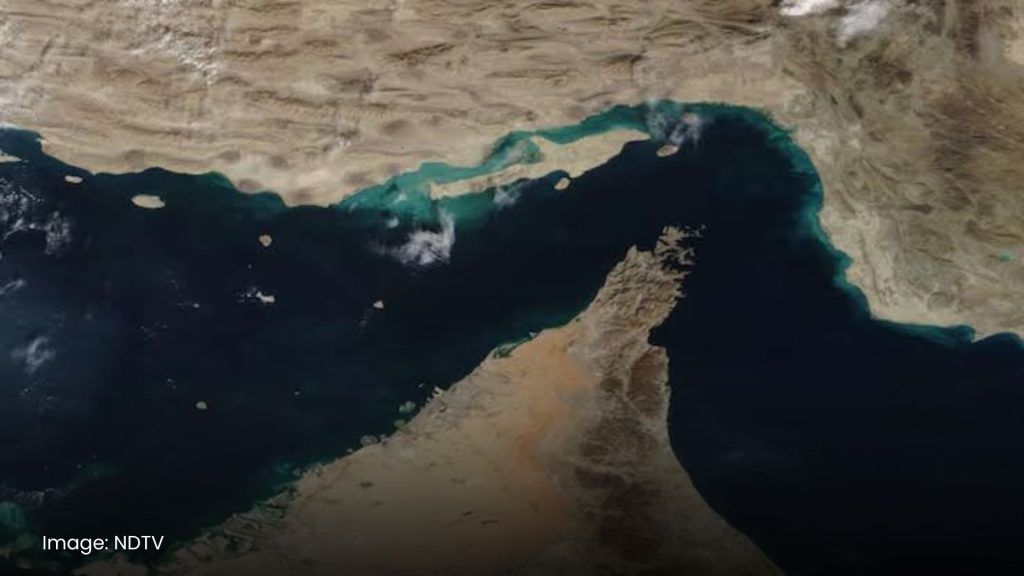
The central topic is restoring safe passage for international commercial vessels through the Strait of Hormuz, a waterway through which roughly a fifth of global oil supply flowed before the conflict began. Beyond that, negotiators are working through de-escalation terms meant to formalize the current pause and prevent the conflict from expanding further. A third major topic is the transit framework itself, whether a legally recognized system will govern how shipping moves through Iranian claimed waters, and whether that includes tolls or fees. Finally, both sides are working out the exact role mediators will play, Oman has served as the primary channel since talks began in February, with Qatar and Pakistan also hosting rounds and facilitating discussions.
Where the US and Iran Actually Agree

Despite months of hostility, there are a few areas of genuine alignment. Both countries appear to accept that a tactical pause is necessary right now, continuing the US bombing campaign or Iranian retaliatory strikes carries more risk than either side currently wants to absorb. Both sides have also consistently relied on indirect communication through Oman rather than direct contact, a structure that has held since the first round of talks in Muscat back in February, when Iranian state media explicitly confirmed there was no face to face meeting between Iranian and American officials. This arrangement lets both governments negotiate without the domestic political cost of appearing to sit down directly with the other side.

The Shipping Route Dispute

One of the most concrete points of disagreement involves a proposed new transit route through the strait. The US has floated establishing a separate maritime corridor positioned closer to Oman’s side of the waterway rather than Iran’s. Iran has rejected this proposal outright, arguing it represents a deliberate attempt to bypass Iranian authority over the strait entirely. This dispute captures the heart of the broader disagreement, it is less about whether ships can move safely and more about whose permission that movement ultimately requires.

The Blockade Standoff

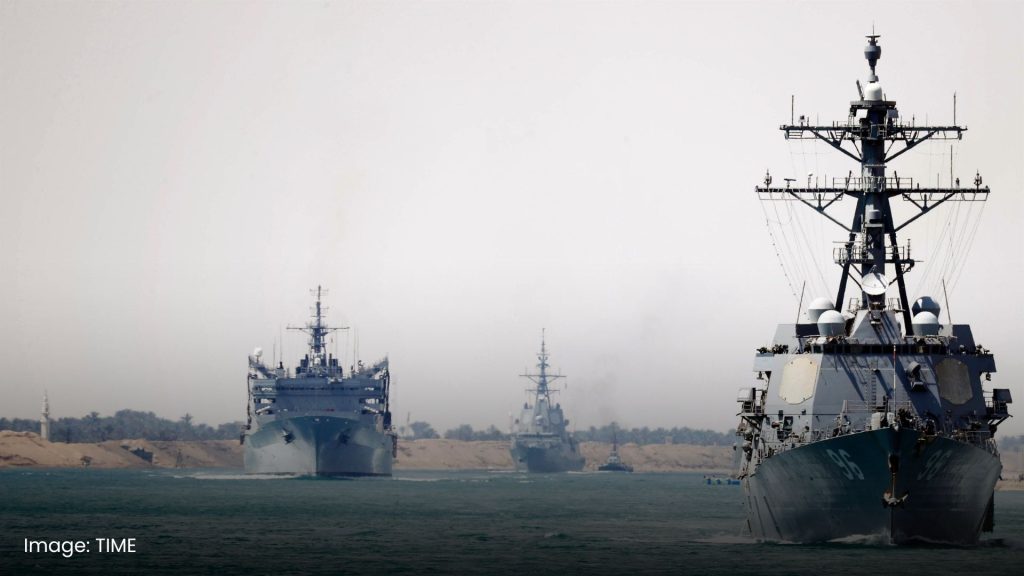
A second major sticking point is the US naval blockade currently enforced around Iranian ports. Iran wants that blockade lifted immediately as a condition of any further progress. The Trump administration has refused, saying the blockade will remain in place until a permanent maritime security agreement is actually signed, effectively using it as leverage to keep Iran negotiating rather than as something up for early removal.

The Question of Tolls

Iran has also pushed to establish a new regime governing the strait that would include charging tolls for transit, a position one Iranian negotiator confirmed in June. Oman itself has separately proposed a service fee model for shipping companies using the strait, a detail that complicates the picture further since it shows even Iran’s own mediator isn’t fully aligned with Tehran’s approach. This entire toll question sits in tension with earlier statements from the International Maritime Organization and US officials describing mandatory tolls on international straits as illegal under international law.

Who’s Actually Under Pressure

Beyond the concrete demands, both governments are engaged in a battle over narrative. US officials have suggested Iran’s economic strain is what’s driving Tehran toward the negotiating table, framing the pause as a position of strength rather than necessity. Iranian officials reject this characterization entirely, insisting they are not negotiating out of weakness or economic desperation, and that any progress reflects mutual interest rather than one side being forced to the table.

Why This Still Matters

None of the core disputes, the shipping route, the blockade, the toll question, or the underlying question of who holds leverage, have actually been resolved. With the geography of related conflict already expanding toward the Red Sea and Bab al-Mandeb, where Iran backed Houthi forces have declared their own blockade of Saudi shipping, the narrow progress made through Oman remains fragile, built on a handful of shared interests rather than any resolved agreement.

Sources:

US and Iran pause fighting to give peace talks some space, here’s where negotiations stand — CNBC: https://www.cnbc.com/2026/07/27/us-iran-war-trump-hormuz.html

US-Iran ceasefire and nuclear talks in 2026 — House of Commons Library: https://commonslibrary.parliament.uk/research-briefings/cbp-10637/

Iran-US talks in Oman, what we know so far — Gulf News: https://gulfnews.com/amp/story/world%2Fmena%2Firanus-talks-in-oman-what-we-know-so-far-1.500434517

July 1, 2026, Meetings in Doha, Vance says talks going well — CNN: https://www.cnn.com/2026/07/01/world/live-news/iran-war-trump

Maryam Tariq

After 13 consecutive nights of US strikes on Iran, both countries have paused active fighting, and diplomats are trying to give negotiations room to develop. But the talks currently underway are narrower and more indirect than the broad ceasefire framing suggests. Here is a breakdown of what is actually being discussed, where both sides agree, and where they remain fundamentally at odds.

What the Two Sides Are Actually Talking About

The central topic is restoring safe passage for international commercial vessels through the Strait of Hormuz, a waterway through which roughly a fifth of global oil supply flowed before the conflict began. Beyond that, negotiators are working through de-escalation terms meant to formalize the current pause and prevent the conflict from expanding further. A third major topic is the transit framework itself, whether a legally recognized system will govern how shipping moves through Iranian claimed waters, and whether that includes tolls or fees. Finally, both sides are working out the exact role mediators will play, Oman has served as the primary channel since talks began in February, with Qatar and Pakistan also hosting rounds and facilitating discussions.
Where the US and Iran Actually Agree

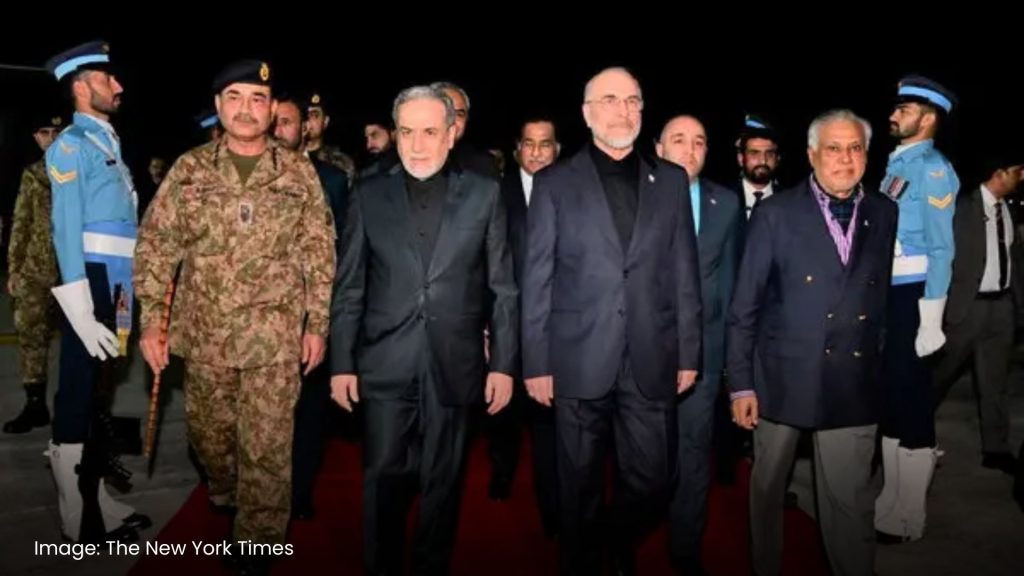
Despite months of hostility, there are a few areas of genuine alignment. Both countries appear to accept that a tactical pause is necessary right now, continuing the US bombing campaign or Iranian retaliatory strikes carries more risk than either side currently wants to absorb. Both sides have also consistently relied on indirect communication through Oman rather than direct contact, a structure that has held since the first round of talks in Muscat back in February, when Iranian state media explicitly confirmed there was no face to face meeting between Iranian and American officials. This arrangement lets both governments negotiate without the domestic political cost of appearing to sit down directly with the other side.

The Shipping Route Dispute

One of the most concrete points of disagreement involves a proposed new transit route through the strait. The US has floated establishing a separate maritime corridor positioned closer to Oman’s side of the waterway rather than Iran’s. Iran has rejected this proposal outright, arguing it represents a deliberate attempt to bypass Iranian authority over the strait entirely. This dispute captures the heart of the broader disagreement, it is less about whether ships can move safely and more about whose permission that movement ultimately requires.

The Blockade Standoff

A second major sticking point is the US naval blockade currently enforced around Iranian ports. Iran wants that blockade lifted immediately as a condition of any further progress. The Trump administration has refused, saying the blockade will remain in place until a permanent maritime security agreement is actually signed, effectively using it as leverage to keep Iran negotiating rather than as something up for early removal.

The Question of Tolls

Iran has also pushed to establish a new regime governing the strait that would include charging tolls for transit, a position one Iranian negotiator confirmed in June. Oman itself has separately proposed a service fee model for shipping companies using the strait, a detail that complicates the picture further since it shows even Iran’s own mediator isn’t fully aligned with Tehran’s approach. This entire toll question sits in tension with earlier statements from the International Maritime Organization and US officials describing mandatory tolls on international straits as illegal under international law.
Who’s Actually Under Pressure

Beyond the concrete demands, both governments are engaged in a battle over narrative. US officials have suggested Iran’s economic strain is what’s driving Tehran toward the negotiating table, framing the pause as a position of strength rather than necessity. Iranian officials reject this characterization entirely, insisting they are not negotiating out of weakness or economic desperation, and that any progress reflects mutual interest rather than one side being forced to the table.

Why This Still Matters
None of the core disputes, the shipping route, the blockade, the toll question, or the underlying question of who holds leverage, have actually been resolved. With the geography of related conflict already expanding toward the Red Sea and Bab al-Mandeb, where Iran backed Houthi forces have declared their own blockade of Saudi shipping, the narrow progress made through Oman remains fragile, built on a handful of shared interests rather than any resolved agreement.

Sources:

US and Iran pause fighting to give peace talks some space, here’s where negotiations stand — CNBC: https://www.cnbc.com/2026/07/27/us-iran-war-trump-hormuz.html

US-Iran ceasefire and nuclear talks in 2026 — House of Commons Library: https://commonslibrary.parliament.uk/research-briefings/cbp-10637/

Iran-US talks in Oman, what we know so far — Gulf News: https://gulfnews.com/amp/story/world%2Fmena%2Firanus-talks-in-oman-what-we-know-so-far-1.500434517

July 1, 2026, Meetings in Doha, Vance says talks going well — CNN: https://www.cnn.com/2026/07/01/world/live-news/iran-war-trump

spot_img

Explore more

spot_img
Global Affairs

Foreign Countries Are Fueling Myanmar’s War for Their Own Benefit

UN Official Calls West Bank Attacks “Pogroms,” Wants Weapons Ban on...

UN Rights Chief Wins Second Term, But the US, Israel and...

A Super El Nino Could Cost the World Up to 7...

Trump to Use Frozen Iranian Money, Worth Billions, to Pay for...

Iran Rejects New US Ceasefire Offer, Says It Rejected a Broken...

Houthis Strike Two Saudi Oil Tankers, Block Red Sea as Oil...