

Your Boss May Know When You Can’t Afford To Say No

What Is Surveillance Pay?

What if your salary was determined not only by your experience, performance or the value of your work, but by how little an algorithm believed you could afford to accept?

That concern sits at the heart of a growing debate over “surveillance pay,” a form of algorithmic wage-setting in which extensive information about workers can be used to personalize compensation.

Research published by the Washington Center for Equitable Growth in August 2025 examined 500 vendors offering AI-powered labor-management technologies. Researchers Veena Dubal and Wilneida Negrón identified 20 vendors they considered particularly high-risk for facilitating algorithmic wage discrimination, 16 of which had already linked their products directly into employer payroll or HR systems.

That distinction matters. The research did not conclude that all 500 vendors were secretly lowering wages. Instead, it examined an expanding employment-technology ecosystem and how some systems could give employers increasingly sophisticated ways to monitor, evaluate and predict workers. Named customers of these tools include Intuit, Salesforce, Colgate-Palmolive, Amwell and Healthcare Services Group.
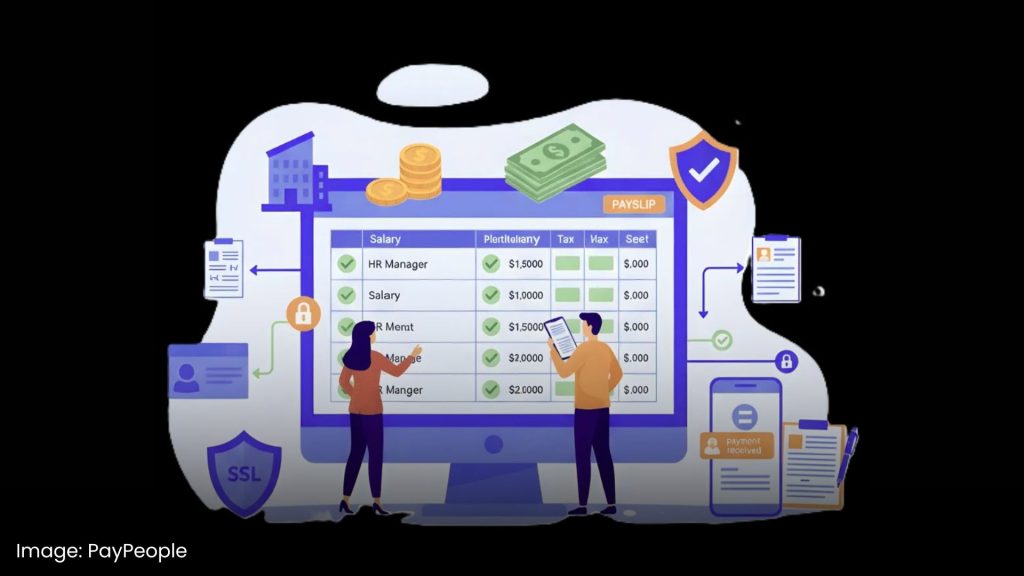

How AI Can Influence Worker Wages

Traditional wage-setting generally starts with the job: what is the role worth, what does the market pay and what qualifications does the worker bring?

Surveillance pay can invert that relationship.

Instead of asking only what the work is worth, data-driven systems can enable compensation to become increasingly individualized around what a particular worker is predicted to accept.

Researchers warn that this can uncouple harder work from higher compensation and create the possibility of workers performing comparable work receiving different pay.

How Algorithmic Wage Discrimination Works

Think of it as the reverse of surveillance pricing.

With personalized pricing, companies can use detailed information to estimate how much an individual consumer might pay. The Federal Trade Commission’s own study found that companies frequently use a person’s location, browsing history and even mouse movements on a webpage to set individualized prices for the same goods and services.

Applied to labor, the economic incentive runs in the opposite direction: determine not the highest price someone might pay, but how little compensation an individual worker might accept.

The concern is therefore bigger than workplace monitoring itself. Personal information can become bargaining leverage.

Regulators Have Circled This Before, Then Backed Off

This isn’t a blind spot regulators just discovered. It’s one they already started to close, then stepped back from.

Federal guidance issued in 2024 warned employers that background dossiers and algorithmic scores used in hiring, promotion or pay decisions can fall under the same consumer protection law that governs credit reports, meaning employers using them without proper disclosure could already be breaking the law. That guidance was quietly withdrawn in May 2025.

On the pricing side, the same pattern repeated. The FTC’s surveillance pricing study, opened under one leadership team, lost its public comment period under the next. Current leadership says the work continues internally, but no new rule has followed.

Congress And The States Are Trying Again

Two federal lawmakers are trying to close the gap the regulators left open. Representatives Greg Casar of Texas and Rashida Tlaib of Michigan introduced the Stop AI Price Gouging and Wage Fixing Act in 2025, aiming to ban companies from using AI and personal data to set individualized prices or wages. It has not yet passed. Congress is also watching from the oversight side: the House Oversight Committee opened its own inquiry into AI-driven pricing in March 2026, and the House Energy and Commerce Committee opened a parallel investigation into grocery and retail pricing two months later. Similar bills are now pending in New York, New Jersey and Pennsylvania.

Colorado Tried to Ban Surveillance-Based Wage Setting

The issue has already reached state legislatures, and one state got further than any other.

Colorado lawmakers passed HB26-1210, legislation targeting surveillance-based price and wage setting. The bill cleared both chambers before Governor Jared Polis vetoed it on June 2.

Polis argued that the measure was too broad and could interfere with legitimate personalization and discounting alongside the practices lawmakers wanted to restrict.

Supporters saw a more fundamental danger: allowing sophisticated systems to transform personal information and unequal bargaining power into economic leverage.

The Fight Over AI, Worker Data and Fair Pay

Colorado is not the end of the debate. Federal lawmakers have proposed restrictions on surveillance-based wage setting, while regulators have examined how personal data can influence individualized economic decisions, then repeatedly pulled back before finishing the job.

The central question is therefore not simply whether employers should be allowed to use AI.

It is what those systems should be allowed to know about workers, and what employers should be permitted to do with that knowledge.

Workplace technology can legitimately improve scheduling, evaluate performance and make organizations more efficient. But if increasingly detailed profiles allow compensation to reflect what individual workers can be pressured into accepting, the relationship changes.

Your data stops merely describing you. It becomes leverage.

And if two people doing the same work can receive different offers because an algorithm concludes one is easier to pressure, what does “fair pay” mean anymore?

Read more about this at verumnetwork.com.

By Shizza Umer

Sources

Washington Center for Equitable Growth: How artificial intelligence uncouples hard work from fair wages through “surveillance pay” practices, and how to fix it

Governing: AI Shouldn’t Be Setting Prices or Wages, States Need to Push Back

Colorado General Assembly: HB26-1210, Prohibit Surveillance Price & Wage Setting

FTC: Surveillance Pricing Study Indicates Wide Range of Personal Data Used to Set Individualized Consumer Prices

CFPB: Background Dossiers and Algorithmic Scores for Hiring, Promotion, and Other Employment Decisions

Congress: Stop AI Price Gouging and Wage Fixing Act of 2025

What Is Surveillance Pay?

What if your salary was determined not only by your experience, performance or the value of your work, but by how little an algorithm believed you could afford to accept?

That concern sits at the heart of a growing debate over “surveillance pay,” a form of algorithmic wage-setting in which extensive information about workers can be used to personalize compensation.

Research published by the Washington Center for Equitable Growth in August 2025 examined 500 vendors offering AI-powered labor-management technologies. Researchers Veena Dubal and Wilneida Negrón identified 20 vendors they considered particularly high-risk for facilitating algorithmic wage discrimination, 16 of which had already linked their products directly into employer payroll or HR systems.

That distinction matters. The research did not conclude that all 500 vendors were secretly lowering wages. Instead, it examined an expanding employment-technology ecosystem and how some systems could give employers increasingly sophisticated ways to monitor, evaluate and predict workers. Named customers of these tools include Intuit, Salesforce, Colgate-Palmolive, Amwell and Healthcare Services Group.

How AI Can Influence Worker Wages

Traditional wage-setting generally starts with the job: what is the role worth, what does the market pay and what qualifications does the worker bring?

Surveillance pay can invert that relationship.

Instead of asking only what the work is worth, data-driven systems can enable compensation to become increasingly individualized around what a particular worker is predicted to accept.

Researchers warn that this can uncouple harder work from higher compensation and create the possibility of workers performing comparable work receiving different pay.

How Algorithmic Wage Discrimination Works

Think of it as the reverse of surveillance pricing.

With personalized pricing, companies can use detailed information to estimate how much an individual consumer might pay. The Federal Trade Commission’s own study found that companies frequently use a person’s location, browsing history and even mouse movements on a webpage to set individualized prices for the same goods and services.

Applied to labor, the economic incentive runs in the opposite direction: determine not the highest price someone might pay, but how little compensation an individual worker might accept.

The concern is therefore bigger than workplace monitoring itself. Personal information can become bargaining leverage.

Regulators Have Circled This Before, Then Backed Off

This isn’t a blind spot regulators just discovered. It’s one they already started to close, then stepped back from.

Federal guidance issued in 2024 warned employers that background dossiers and algorithmic scores used in hiring, promotion or pay decisions can fall under the same consumer protection law that governs credit reports, meaning employers using them without proper disclosure could already be breaking the law. That guidance was quietly withdrawn in May 2025.

On the pricing side, the same pattern repeated. The FTC’s surveillance pricing study, opened under one leadership team, lost its public comment period under the next. Current leadership says the work continues internally, but no new rule has followed.

Congress And The States Are Trying Again

Two federal lawmakers are trying to close the gap the regulators left open. Representatives Greg Casar of Texas and Rashida Tlaib of Michigan introduced the Stop AI Price Gouging and Wage Fixing Act in 2025, aiming to ban companies from using AI and personal data to set individualized prices or wages. It has not yet passed. Congress is also watching from the oversight side: the House Oversight Committee opened its own inquiry into AI-driven pricing in March 2026, and the House Energy and Commerce Committee opened a parallel investigation into grocery and retail pricing two months later. Similar bills are now pending in New York, New Jersey and Pennsylvania.

Colorado Tried to Ban Surveillance-Based Wage Setting

The issue has already reached state legislatures, and one state got further than any other.

Colorado lawmakers passed HB26-1210, legislation targeting surveillance-based price and wage setting. The bill cleared both chambers before Governor Jared Polis vetoed it on June 2.

Polis argued that the measure was too broad and could interfere with legitimate personalization and discounting alongside the practices lawmakers wanted to restrict.

Supporters saw a more fundamental danger: allowing sophisticated systems to transform personal information and unequal bargaining power into economic leverage.

The Fight Over AI, Worker Data and Fair Pay

Colorado is not the end of the debate. Federal lawmakers have proposed restrictions on surveillance-based wage setting, while regulators have examined how personal data can influence individualized economic decisions, then repeatedly pulled back before finishing the job.

The central question is therefore not simply whether employers should be allowed to use AI.

It is what those systems should be allowed to know about workers, and what employers should be permitted to do with that knowledge.

Workplace technology can legitimately improve scheduling, evaluate performance and make organizations more efficient. But if increasingly detailed profiles allow compensation to reflect what individual workers can be pressured into accepting, the relationship changes.

Your data stops merely describing you. It becomes leverage.

And if two people doing the same work can receive different offers because an algorithm concludes one is easier to pressure, what does “fair pay” mean anymore?

Read more about this at verumnetwork.com.

By Shizza Umer

Sources

Washington Center for Equitable Growth: How artificial intelligence uncouples hard work from fair wages through “surveillance pay” practices, and how to fix it

Governing: AI Shouldn’t Be Setting Prices or Wages, States Need to Push Back

Colorado General Assembly: HB26-1210, Prohibit Surveillance Price & Wage Setting

FTC: Surveillance Pricing Study Indicates Wide Range of Personal Data Used to Set Individualized Consumer Prices

CFPB: Background Dossiers and Algorithmic Scores for Hiring, Promotion, and Other Employment Decisions

Congress: Stop AI Price Gouging and Wage Fixing Act of 2025

spot_img

Explore more

spot_img
Global Affairs

From “The Problem Is Islam” to Praising Sharia: The Right’s Reversal

India Is Blocking Speech Every 68 Seconds

The ICC Went After Netanyahu. Now Trump Is Going After the...

Iran Is Rebuilding. Isr*el Is Escalating. Diplomacy Is Failing.

“Free Pal*stine” Won Chelsea’s Vote. Then Got Deleted.

The UAE Denied Paying Off Iran Before. The Flights Kept Happening...

What’s Really Happening Aboard the USS Abraham Lincoln?

Smart Glasses Look Harmless. That May Be What Makes Them So...