Deadly Hantavirus Outbreak Triggers Global Health Monitoring

Cruise Ship Hantavirus Outbreak Raises Global Health Monitoring Concerns

Maryam Tariq

Overview of the Outbreak

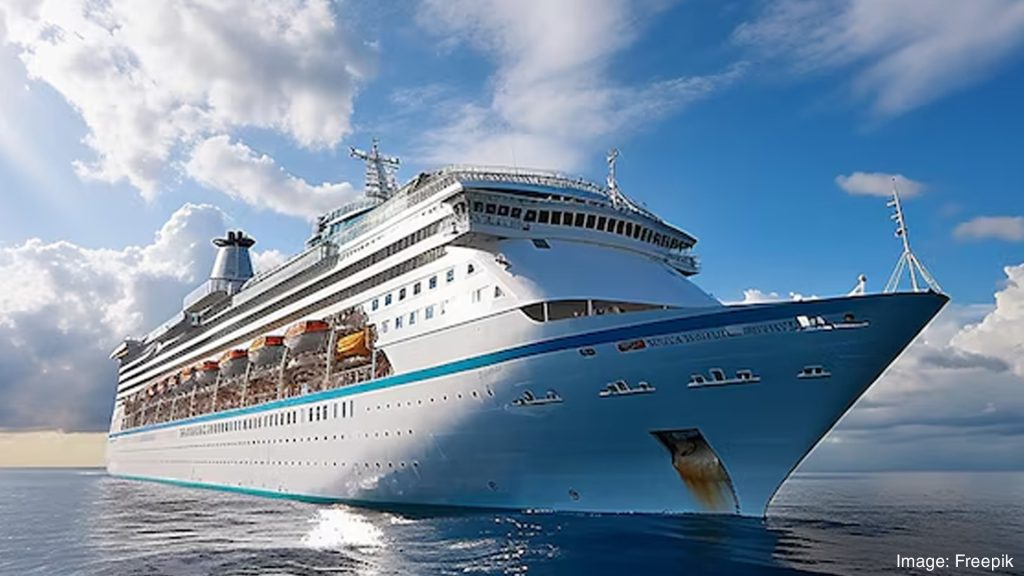
Health authorities are monitoring a hantavirus outbreak linked to the cruise ship MV Hondius during an April–May 2026 voyage.

The outbreak has resulted in multiple confirmed and suspected cases, including at least three deaths. The situation has prompted coordinated monitoring efforts by the World Health Organization (WHO), the European Centre for Disease Prevention and Control (ECDC), and national health agencies across several countries.

Passengers from more than a dozen countries have been traced following disembarkation at various ports.

The Virus Behind the Outbreak

The outbreak involves the Andes strain of hantavirus, a rare variant found primarily in South America.

Unlike most hantaviruses, which spread from rodents to humans, the Andes strain is notable for its rare ability to spread between humans through close and prolonged contact.

Health officials emphasize that this form of transmission remains uncommon and typically occurs in confined settings.

Symptoms and Disease Progression

Reported symptoms among infected individuals include:
Fever
Gastrointestinal distress
Rapid onset respiratory complications
Severe pulmonary illness in advanced cases

In serious infections, the disease can progress quickly, requiring intensive medical care. Hantavirus infections are known to have a high fatality rate in severe cases.
Containment Measures and Global Response

In response to the outbreak:

Passengers have been isolated or placed under monitoring

Some travellers are required to self-isolate for up to 45 days

Contact tracing has been initiated across multiple countries including the UK, US, Singapore, and European states

Health agencies are coordinating surveillance of asymptomatic individuals

The cruise ship is expected to dock in Spain, where further medical assessments and repatriation procedures are planned.

Risk Assessment and Official Warnings

Despite confirmed deaths and infections, health agencies including WHO and CDC stress that:

The global public risk remains low

Transmission is not easily sustained between humans

The outbreak is contained to a known exposure cluster

Officials also emphasize that hantavirus is not related to COVID-19 or influenza and spreads in a very different way.

Conclusion

The MV Hondius outbreak highlights how rare zoonotic viruses can still trigger international health responses, especially when human-to-human transmission is possible in limited conditions.

While the situation remains contained, the long incubation period and multi-country exposure continue to require careful monitoring.

Sources: WHO \ The New York Times \ BBC \ Al Jazeera \ Reuters \ The Guardian

Cruise Ship Hantavirus Outbreak Raises Global Health Monitoring Concerns

Maryam Tariq

Overview of the Outbreak

Health authorities are monitoring a hantavirus outbreak linked to the cruise ship MV Hondius during an April–May 2026 voyage.

The outbreak has resulted in multiple confirmed and suspected cases, including at least three deaths. The situation has prompted coordinated monitoring efforts by the World Health Organization (WHO), the European Centre for Disease Prevention and Control (ECDC), and national health agencies across several countries.

Passengers from more than a dozen countries have been traced following disembarkation at various ports.

The Virus Behind the Outbreak

The outbreak involves the Andes strain of hantavirus, a rare variant found primarily in South America.

Unlike most hantaviruses, which spread from rodents to humans, the Andes strain is notable for its rare ability to spread between humans through close and prolonged contact.

Health officials emphasize that this form of transmission remains uncommon and typically occurs in confined settings.

Symptoms and Disease Progression

Reported symptoms among infected individuals include:
Fever
Gastrointestinal distress
Rapid onset respiratory complications
Severe pulmonary illness in advanced cases

In serious infections, the disease can progress quickly, requiring intensive medical care. Hantavirus infections are known to have a high fatality rate in severe cases.

Containment Measures and Global Response

In response to the outbreak:

Passengers have been isolated or placed under monitoring

Some travellers are required to self-isolate for up to 45 days

Contact tracing has been initiated across multiple countries including the UK, US, Singapore, and European states

Health agencies are coordinating surveillance of asymptomatic individuals

The cruise ship is expected to dock in Spain, where further medical assessments and repatriation procedures are planned.

Risk Assessment and Official Warnings

Despite confirmed deaths and infections, health agencies including WHO and CDC stress that:

The global public risk remains low

Transmission is not easily sustained between humans

The outbreak is contained to a known exposure cluster

Officials also emphasize that hantavirus is not related to COVID-19 or influenza and spreads in a very different way.

Conclusion

The MV Hondius outbreak highlights how rare zoonotic viruses can still trigger international health responses, especially when human-to-human transmission is possible in limited conditions.

While the situation remains contained, the long incubation period and multi-country exposure continue to require careful monitoring.

Sources: WHO \ The New York Times \ BBC \ Al Jazeera \ Reuters \ The Guardian

spot_img

Explore more

spot_img
Global Affairs

Israel Faces Rare US Warning as Trump Administration Pushes Iran Deal...

Trump Called the Iran War a Win. Here Is What the...

Al Jazeera Cameraman Killed in Gaza Strike as Press Safety Concerns

US Italy diplomatic tensions

Natasha Doll Trend

US Iran diplomacy handshake

Drone attack threat

US Went to War and Then Chose Peace, Both on June...