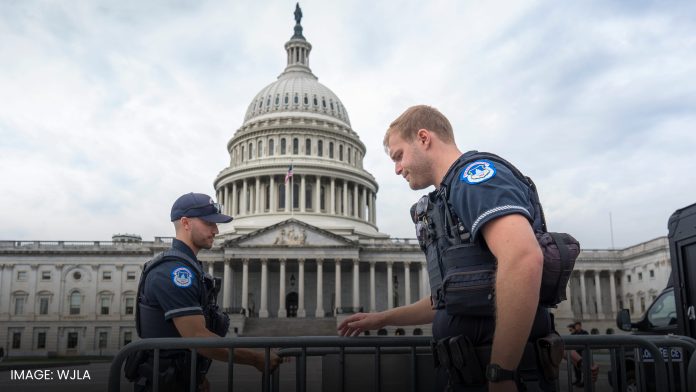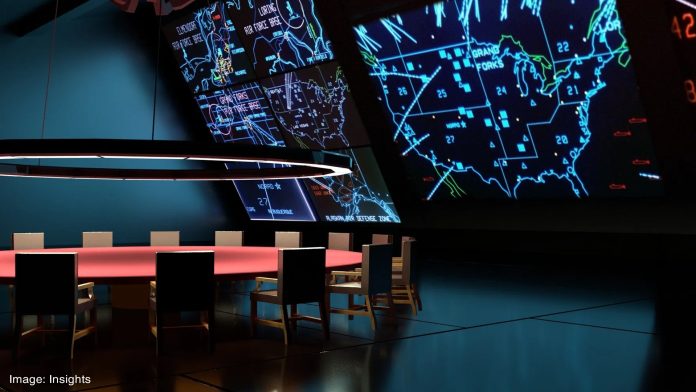
The 2026 U.S. Defense Strategy Says More Than Washington Intended
The 2026 U.S. National Defense Strategy reads less like a traditional military document and more like a declaration that America is entering a new era of global competition.
And hidden between its repeated calls for “peace through strength,” “burden-sharing,” and “strategic stability” lies a brutal geopolitical reality:
Washington still sees Iran as dangerous.
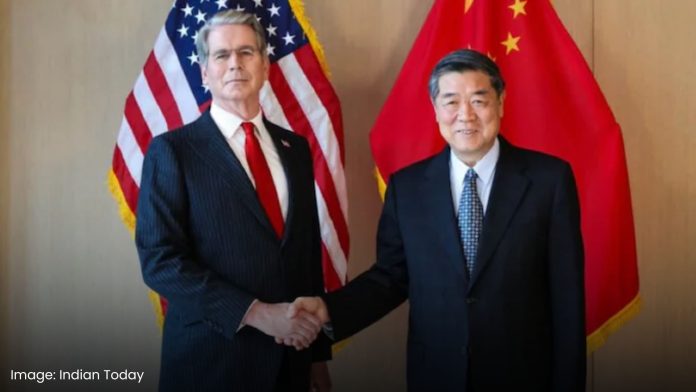
But China is now the real obsession.
The document makes this unmistakably clear. Iran is discussed as a destabilizing regional force that must be weakened, contained, and prevented from rebuilding its nuclear program. China, meanwhile, is described as the only power capable of fundamentally threatening America’s long-term position in the global order.
That difference changes everything.
Because the new strategy is no longer about fighting endless wars everywhere at once.
It is about preserving American power for the one confrontation Washington truly fears: the struggle with Beijing.
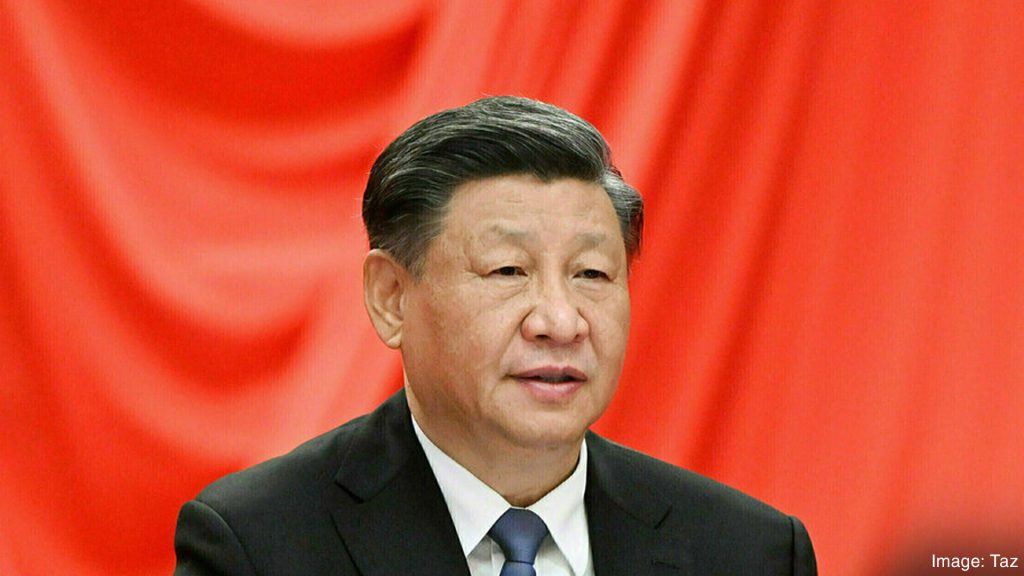
The U.S. Is Openly Reordering The World Around China
The first pages of the strategy reveal the new hierarchy of priorities:
- Defend the American homeland
- Deter China in the Indo-Pacific
- Force allies to carry more security burdens
- Rebuild the U.S. defense industrial base
The language around China is striking.
The document repeatedly describes the Indo-Pacific as the world’s economic center of gravity and warns that if China dominates the region, it could effectively control global economic access itself.
Washington openly admits its military strategy is now centered around preventing China from dominating Asia.
The Pentagon’s goal is not “regime change” in Beijing, nor direct confrontation for its own sake. Instead, it seeks what it calls a “decent peace” maintained through overwhelming military strength and a “denial defense” across the First Island Chain.
That means:
- strengthening military positioning around Taiwan
- reinforcing Pacific alliances
- modernizing naval power
- expanding industrial production
- preparing for long-term strategic competition
This is no longer the War on Terror era.
This is great-power competition doctrine.
Iran Is Still A Threat, But No Longer The Center Of The American Universe
This is where many people misunderstand the strategy.
The document does not downplay Iran.
In fact, the language about Tehran is aggressive, triumphant, and openly hostile.
The strategy celebrates:
Operation MIDNIGHT HAMMER allegedly “obliterating” Iran’s nuclear program
the weakening of Hezbollah and Hamas
U.S. strikes against the Houthis
restoring freedom of navigation in the Red Sea and Gulf routes
Israel’s military successes against Iranian aligned groups
The document openly states:
Iran has “American blood on its hands”
Iran still seeks Israel’s destruction
Iran’s proxies destabilize the region
Tehran may attempt to rebuild its military and nuclear capabilities again
That is not the language of a country that sees Iran as irrelevant.
But the scale of the threat is framed differently than China.
Iran is portrayed as a dangerous regional disruptor.
China is portrayed as the only power capable of reshaping the global balance itself.
That distinction is the entire story.
Washington Wants To Contain Iran Without Getting Consumed By It
The real shift in the strategy is not that America stopped fearing Iran.
It is that Washington no longer wants Iran to consume American strategy the way it did after 9/11.
The Iraq and Afghanistan wars profoundly changed U.S. strategic thinking. Trillions of dollars were spent. Decades of military attention disappeared into the Middle East.
During those same years:
China industrialized at massive scale
the PLA modernized rapidly
Beijing expanded technological influence
China embedded itself across global supply chains
the Indo-Pacific became the center of global economic gravity
American planners now fear overextension more than almost anything else.
Every carrier group tied down in the Gulf is one less available in the Pacific.
Every prolonged regional escalation drains:
- military readiness
- diplomatic bandwidth
- missile stockpiles
- industrial capacity
- political focus
That is why the strategy repeatedly emphasizes “burden-sharing.”
Washington wants:
- Israel defending itself with limited U.S. support
- Gulf states increasing their own military capacity
- NATO spending more
- Indo-Pacific allies strengthening deterrence locally
The message is blunt:
America wants to remain dominant without carrying the entire world on its back anymore.
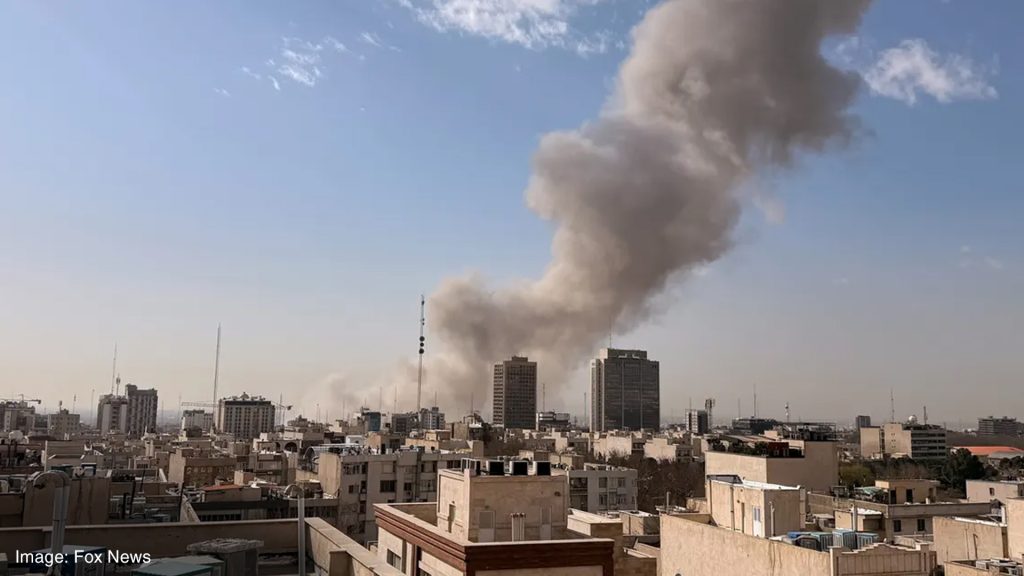
Tehran And Beijing Are Now Strategically Connected
Iran matters even more because of its growing relationship with China.
China remains Iran’s largest oil customer and one of its most important economic lifelines. Chinese entities have repeatedly been accused of helping Tehran evade sanctions, maintain oil exports, and access dual-use technologies.
At the same time, Beijing remains careful.
China wants:
discounted Iranian energy
influence against U.S. dominance
stronger BRICS and SCO alignment
But it also wants:
stable Gulf trade
good relations with Saudi Arabia and the UAE
uninterrupted energy routes
avoidance of direct military entanglement
This creates a complicated geopolitical triangle.
Iran sees China as protection against Western pressure.
China sees Iran as useful leverage against American influence.
The United States increasingly sees Iran as a regional threat that can repeatedly distract America from its central challenge: China.
That is why Tehran now sits at the crossroads of U.S.-China competition.
Taiwan Is The Shadow Hanging Over The Entire Strategy
The most important section of the document may actually be its discussion of the Indo-Pacific.
The strategy repeatedly stresses:
defending the First Island Chain
deterring Chinese expansion
maintaining balance in Asia
preventing domination of regional trade routes
Even when Taiwan is not constantly named directly, it is clearly central to the entire doctrine.
Washington understands something terrifying:
If a Taiwan crisis erupts while the U.S. is trapped in another major Middle Eastern confrontation, America’s military position could become dangerously overstretched.
That fear explains why the strategy is obsessed with:
- industrial expansion
- alliance restructuring
- naval readiness
- military modernization
- strategic prioritization
The United States is preparing for a future where it may not have the luxury of fighting everywhere at once.
The Real Fear In Washington Is Strategic Exhaustion
The deepest anxiety running through the 2026 strategy is not simply military defeat.
It is exhaustion.
The document reads like the mindset of a superpower trying to avoid repeating the mistakes that slowly drained previous empires.
Washington still wants dominance.
But now it wants controlled dominance.
Selective dominance.
Disciplined dominance.
And that means containing Iran firmly enough to prevent regional chaos while preserving enough American power to confront China in the decades ahead.
That balancing act may define the next era of global politics.
Because the question is no longer whether America sees Iran as a threat.
It clearly does.
The real question is whether Washington believes the greater danger is Tehran itself or the possibility that endless Middle Eastern crises could prevent the United States from focusing on Beijing before it is too late.
Sources: 2026 U.S. National Defense Strategy