Pakistan’s Silent Poisoning Crisis: Millions Of Children May Be Exposed To Lead
A toxic public health crisis may be unfolding quietly across Pakistan, and most people have no idea how serious it is.
A recent study conducted by Pakistan’s Ministry of National Health Services and UNICEF found that four in ten children aged between 12 and 36 months living in high-risk industrial zones had dangerous levels of lead in their blood.
The findings are alarming.
The study examined more than 2,100 children across industrial areas in:
Karachi, Lahore, Rawalpindi, Peshawar, Quetta, Islamabad, Haripur
Children in Hattar, Haripur were the worst affected, where nearly 88% showed dangerously high lead levels in their blood.
By comparison, Islamabad recorded around 1%.
Why Lead Poisoning Is So Dangerous
Lead is not just another pollutant.
It is a neurotoxin that can permanently damage a child’s developing brain and body.
According to health experts, lead exposure can lower IQ, damage memory, reduce attention span, weaken the immune system, stunt physical growth, increase behavioural and learning problems, cause anaemia and unlike many illnesses, the effects are often irreversible.
Children are particularly vulnerable because they absorb lead far more easily than adults, up to five times more. There is also no known “safe” level of lead exposure for children.
Where Is The Lead Coming From?
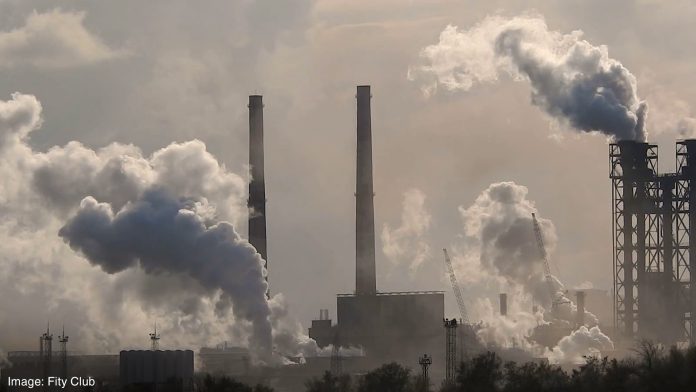
Researchers identified several likely sources behind the contamination crisis; industrial emissions, informal battery recycling, lead-based paints, contaminated, spices like turmeric, polluted groundwater, traditional cosmetics such as surma. Many of these risks continue because of weak regulation, poor enforcement, and low public awareness.
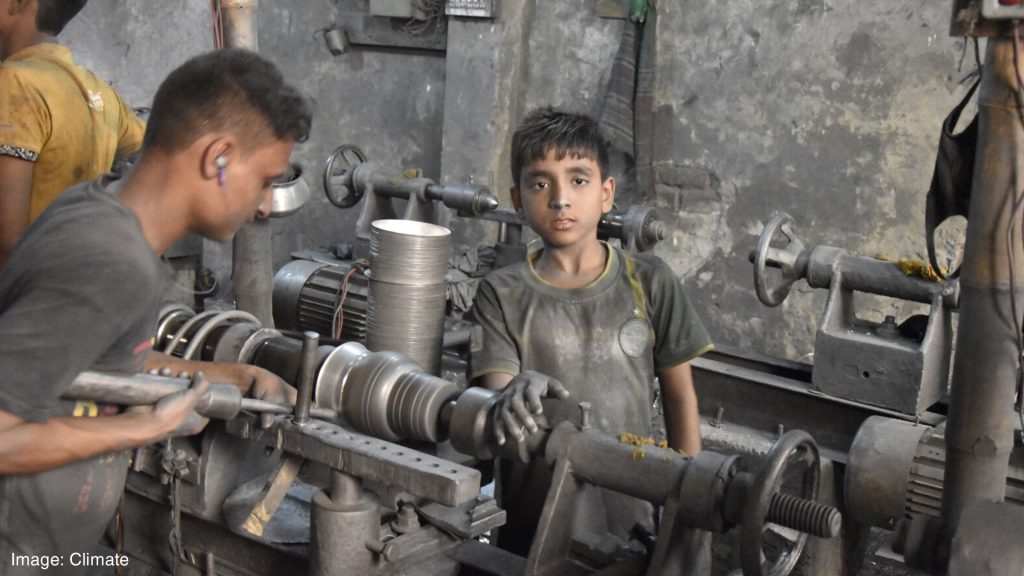
In industrial areas especially, children are often exposed daily without families realizing the danger.
The Economic Damage
This crisis is not only affecting health.
It may also be damaging Pakistan’s economy on a massive scale.
Experts estimate lead exposure could be costing Pakistan between 6–8% of its GDP annually, roughly $25–35 billion every year.
That includes reduced productivity, lower educational outcomes, long-term health costs, cognitive impairment affecting future workers.
Global estimates now suggest that up to 8 in 10 children in Pakistan may have unsafe levels of lead exposure, placing the country among the worst-affected globally.
A Crisis Nobody Talks About
Pakistan’s public discourse often focuses on politics, inflation, and security.
Meanwhile, millions of children may be growing up exposed to a toxin that permanently affects intelligence, learning ability, and development.
This is not a distant environmental issue.
It is a national emergency hiding in plain sight.
The government, UNICEF, and the Partnership for a Lead-Free Future say they are now pushing for stricter regulation, nationwide testing, better monitoring systems, public awareness campaigns, elimination of lead from dangerous products by 2040. But experts warn that action needs to happen urgently.
Because every year of delay means another generation exposed to irreversible damage.
Sources: · UNICEF Pakistan \ Dawn \ Ministry of National Health Services Pakistan \ Partnership for a Lead-Free Future