The Countries Most At Risk If WW3 Happens

Understanding Modern War Risk Mapping

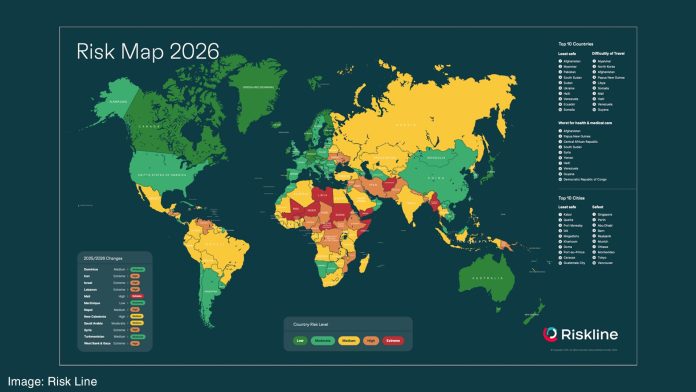
In contemporary geopolitics, discussions about a potential World War III are less about predicting a single battlefield and more about identifying high-risk zones of escalation. These are countries where existing military tensions, alliance structures, or nuclear capabilities could rapidly expand a regional conflict into a global one.

Based on commonly cited geopolitical analyses and risk discussions, several states consistently appear in these scenarios due to their strategic importance and involvement in ongoing conflicts.

Core Power Centers

The United States, Russia, and China are often described as the central pillars of global military balance.

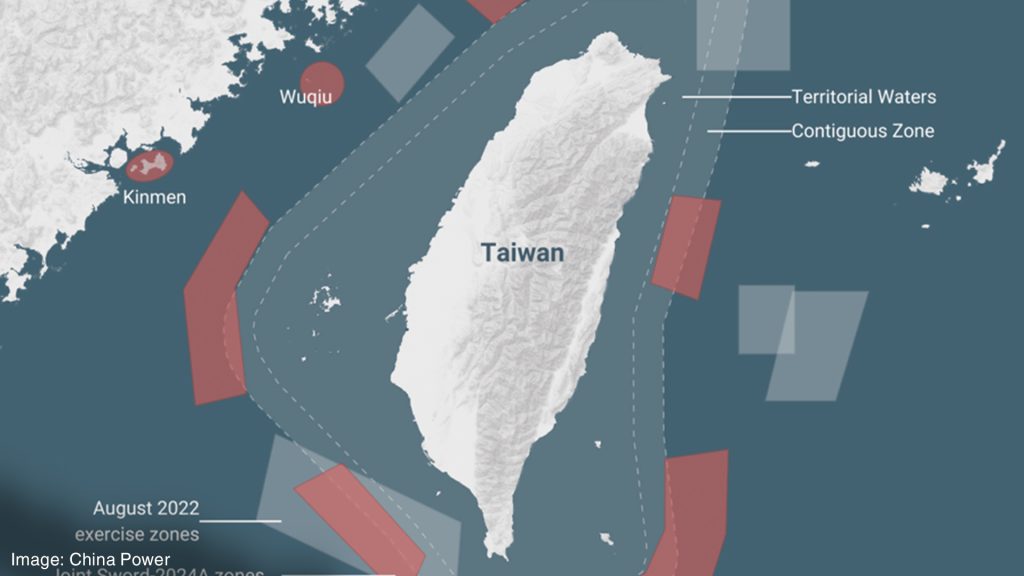
The United States is a global alliance hub with extensive military reach across Europe, the Middle East, and Asia. Russia remains in direct strategic confrontation with NATO, particularly due to the ongoing Ukraine conflict. China is a key actor in Asia-Pacific tensions, especially regarding Taiwan and South China Sea disputes.

These three powers form the backbone of most global escalation models because any direct confrontation between them would likely involve multiple allied states.
Regional Flashpoints

The Middle East remains one of the most volatile regions, with Iran and Israel frequently identified as a major conflict axis due to long-standing political and military tensions.

Ukraine continues to be a critical active war zone, with fears that escalation could extend beyond its borders through NATO involvement or broader regional spillover.

Frontline NATO States

Countries such as Poland, Estonia, Latvia, and Lithuania are often described as frontline states due to their geographic location and NATO membership. In the event of escalation between NATO and Russia, these countries could be among the first directly affected.

South Asian Risk Corridor

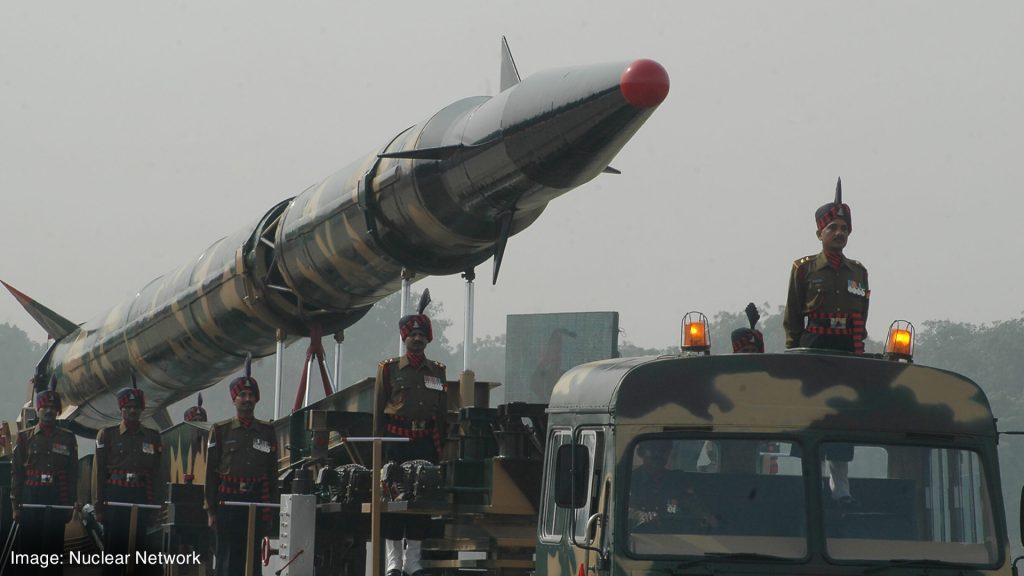
Pakistan is frequently included in escalation risk frameworks due to its nuclear capability and long-standing regional tensions with neighboring India. While not a global initiator in most models, its strategic position makes it significant in South Asian conflict scenarios.
Key Geopolitical Reality

Modern warfare is no longer limited to physical borders. Cyber warfare, energy dependency, global trade disruption, and alliance obligations mean that a regional conflict can quickly escalate into a global systemic shock.

This is why World War III discussions today focus less on “battlefields” and more on interconnected risk networks.

Sources: ·  Stockholm International Peace Research Institute (SIPRI) / Council on Foreign Relations (CFR) / NATO Official Website / United Nations
Understanding Modern War Risk Mapping

In contemporary geopolitics, discussions about a potential World War III are less about predicting a single battlefield and more about identifying high-risk zones of escalation. These are countries where existing military tensions, alliance structures, or nuclear capabilities could rapidly expand a regional conflict into a global one.

Based on commonly cited geopolitical analyses and risk discussions, several states consistently appear in these scenarios due to their strategic importance and involvement in ongoing conflicts.

Core Power Centers

The United States, Russia, and China are often described as the central pillars of global military balance.

The United States is a global alliance hub with extensive military reach across Europe, the Middle East, and Asia. Russia remains in direct strategic confrontation with NATO, particularly due to the ongoing Ukraine conflict. China is a key actor in Asia-Pacific tensions, especially regarding Taiwan and South China Sea disputes.

These three powers form the backbone of most global escalation models because any direct confrontation between them would likely involve multiple allied states.

Regional Flashpoints

The Middle East remains one of the most volatile regions, with Iran and Israel frequently identified as a major conflict axis due to long-standing political and military tensions.

Ukraine continues to be a critical active war zone, with fears that escalation could extend beyond its borders through NATO involvement or broader regional spillover.

Frontline NATO States

Countries such as Poland, Estonia, Latvia, and Lithuania are often described as frontline states due to their geographic location and NATO membership. In the event of escalation between NATO and Russia, these countries could be among the first directly affected.

South Asian Risk Corridor

Pakistan is frequently included in escalation risk frameworks due to its nuclear capability and long-standing regional tensions with neighboring India. While not a global initiator in most models, its strategic position makes it significant in South Asian conflict scenarios.

Key Geopolitical Reality

Modern warfare is no longer limited to physical borders. Cyber warfare, energy dependency, global trade disruption, and alliance obligations mean that a regional conflict can quickly escalate into a global systemic shock.

This is why World War III discussions today focus less on “battlefields” and more on interconnected risk networks.

Sources: ·  Stockholm International Peace Research Institute (SIPRI) / Council on Foreign Relations (CFR) / NATO Official Website / United Nations

spot_img

Explore more

spot_img
Global Affairs

Israel Faces Rare US Warning as Trump Administration Pushes Iran Deal...

Trump Called the Iran War a Win. Here Is What the...

Al Jazeera Cameraman Killed in Gaza Strike as Press Safety Concerns

US Italy diplomatic tensions

Natasha Doll Trend

US Iran diplomacy handshake

Drone attack threat

US Went to War and Then Chose Peace, Both on June...