IMF Warns: Pakistan’s biggest risk is its deep dependence on the Gulf

IMF Flags Pakistan’s Gulf Dependence as Major Economic Risk

Maryam Tariq

Pakistan’s Reliance on Gulf Economies Under Spotlight

The International Monetary Fund (IMF) has identified Pakistan’s dependence on Gulf economies as the country’s biggest external vulnerability. In its latest staff report released after approving a $1.1 billion tranche for Pakistan, the IMF warned that instability in the Gulf region could severely impact Pakistan’s economy.

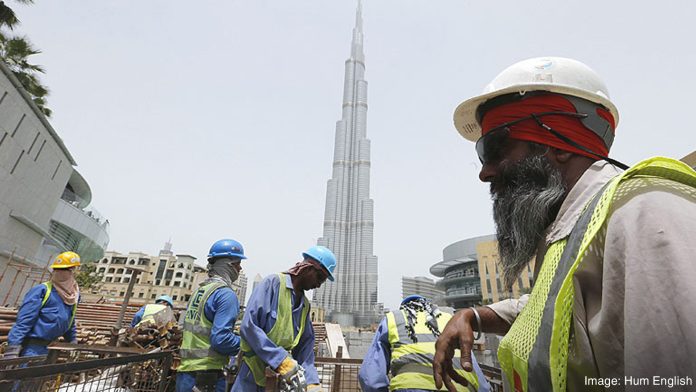
According to the report, nearly 81 percent of Pakistan’s fuel imports come from Gulf Cooperation Council (GCC) countries, while 55 percent of remittances are sent from the same region. These remittances make up a major share of Pakistan’s foreign exchange inflows and support millions of households across the country.

War and Regional Instability Add Pressure

The IMF noted that ongoing regional tensions, particularly the Iran conflict, have now been built into Pakistan’s economic projections. The lender expects slower GDP growth and higher inflation over the next two fiscal years due to rising global uncertainty and energy pressures.
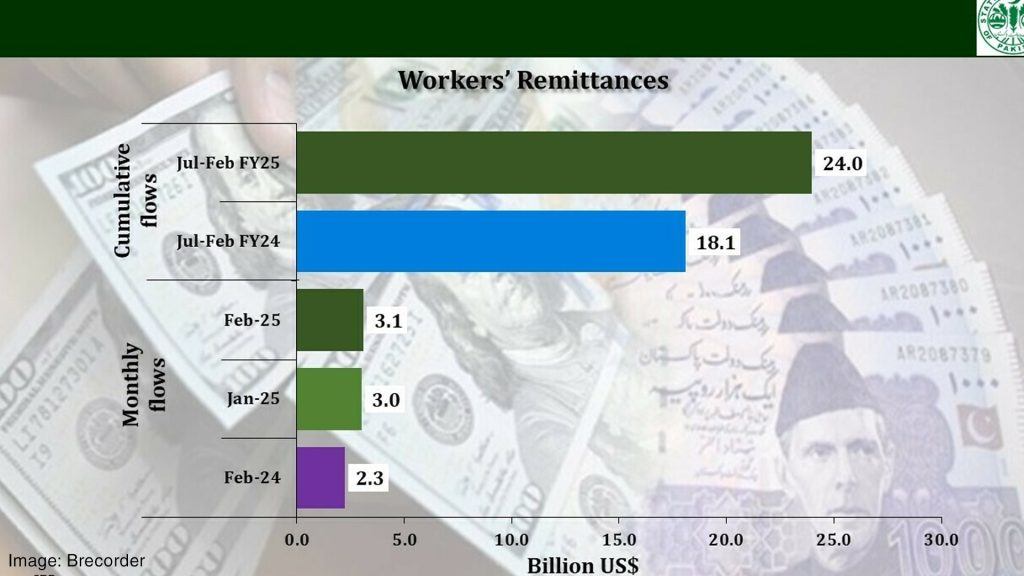
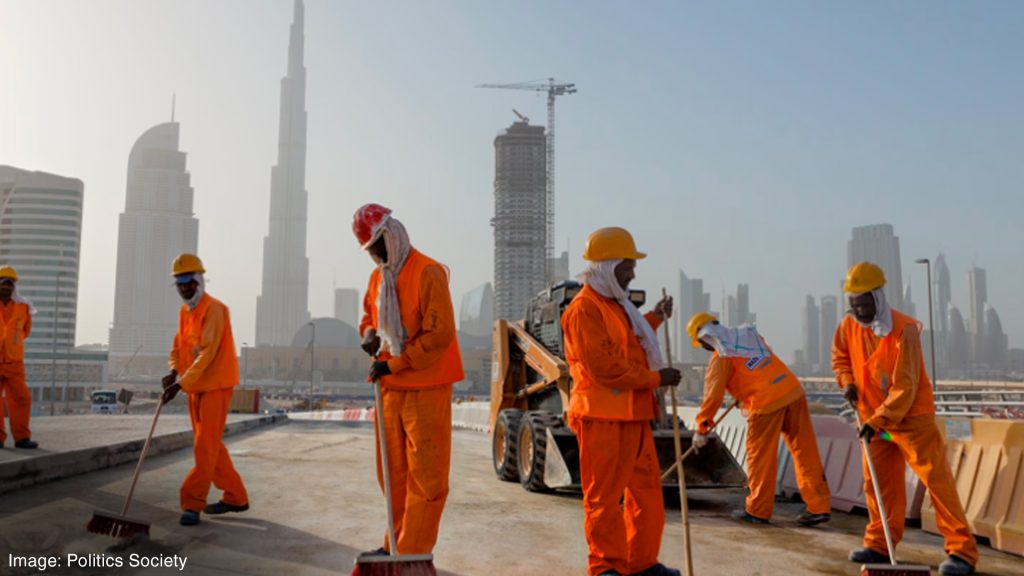
The report warned that any slowdown in Gulf economies, or a large-scale return of overseas Pakistani workers could weaken remittance flows and place additional strain on Pakistan’s balance of payments.

IMF Also Pushes Banking Reforms

The Fund also addressed Pakistan’s transition toward an interest-free banking system, asking the government to provide a clear roadmap for implementing a “riba-free” financial structure by June 2026.

Sources: Dawn / Reuters
IMF Flags Pakistan’s Gulf Dependence as Major Economic Risk

Maryam Tariq

Pakistan’s Reliance on Gulf Economies Under Spotlight

The International Monetary Fund (IMF) has identified Pakistan’s dependence on Gulf economies as the country’s biggest external vulnerability. In its latest staff report released after approving a $1.1 billion tranche for Pakistan, the IMF warned that instability in the Gulf region could severely impact Pakistan’s economy.

According to the report, nearly 81 percent of Pakistan’s fuel imports come from Gulf Cooperation Council (GCC) countries, while 55 percent of remittances are sent from the same region. These remittances make up a major share of Pakistan’s foreign exchange inflows and support millions of households across the country.

War and Regional Instability Add Pressure

The IMF noted that ongoing regional tensions, particularly the Iran conflict, have now been built into Pakistan’s economic projections. The lender expects slower GDP growth and higher inflation over the next two fiscal years due to rising global uncertainty and energy pressures.

The report warned that any slowdown in Gulf economies, or a large-scale return of overseas Pakistani workers could weaken remittance flows and place additional strain on Pakistan’s balance of payments.

IMF Also Pushes Banking Reforms

The Fund also addressed Pakistan’s transition toward an interest-free banking system, asking the government to provide a clear roadmap for implementing a “riba-free” financial structure by June 2026.

Sources: Dawn / Reuters
spot_img

Explore more

spot_img
Global Affairs

Israel Faces Rare US Warning as Trump Administration Pushes Iran Deal...

Trump Called the Iran War a Win. Here Is What the...

Al Jazeera Cameraman Killed in Gaza Strike as Press Safety Concerns

US Italy diplomatic tensions

Natasha Doll Trend

US Iran diplomacy handshake

Drone attack threat

US Went to War and Then Chose Peace, Both on June...