Strait of Hormuz: Sovereignty Move or Strategic Pressure Tool?

Strait of Hormuz: From Shipping Route to Strategic Power Zone

Maryam Tariq

Why the Strait Matters Globally

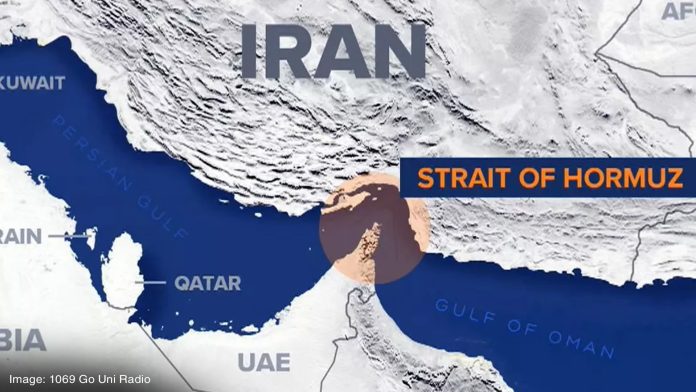
The Strait of Hormuz is one of the most critical energy corridors in the world, with roughly one-fifth of global oil and liquefied natural gas passing through it in normal conditions. Any disruption in this narrow waterway immediately impacts global energy prices, supply chains, and economic stability.

Because of its strategic importance, the Strait has long been at the centre of geopolitical tensions involving regional powers and global economies dependent on Gulf energy exports.

Iran’s New Administrative Move

Iran has now announced the formation of a new body under its top security framework to manage operations in the Strait of Hormuz. The proposed entity, referred to as the Persian Gulf Strait Authority (PGSA), is intended to oversee maritime traffic and provide real-time updates on operations in the waterway.

Officials linked to Iranian security institutions have described the mechanism as part of a broader effort to regulate and manage maritime movement through the strait under Iranian oversight.
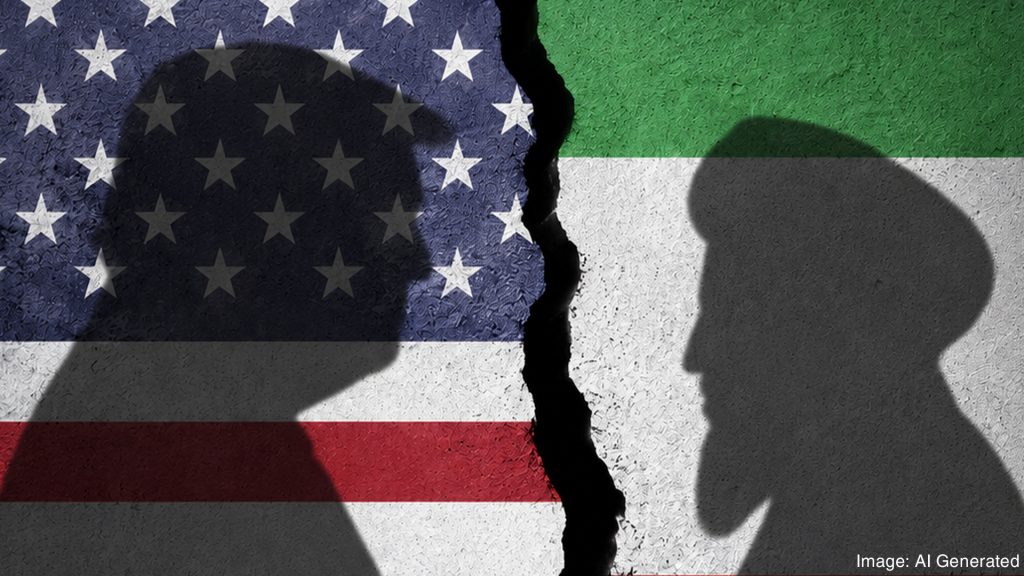
Sovereignty or Strategic Leverage?

The move raises a key analytical question: whether this is simply administrative coordination or a consolidation of strategic control over one of the world’s most important trade routes.

Because the Strait functions as a chokepoint for global energy, any regulatory authority over it carries implications far beyond national jurisdiction. It directly affects global markets, energy prices, and international shipping confidence.

A Chokepoint With Global Consequences

In geopolitics, chokepoints like the Strait of Hormuz transform geography into power. Control over them does not only mean sovereignty over territory — it also translates into leverage over global economic flows.
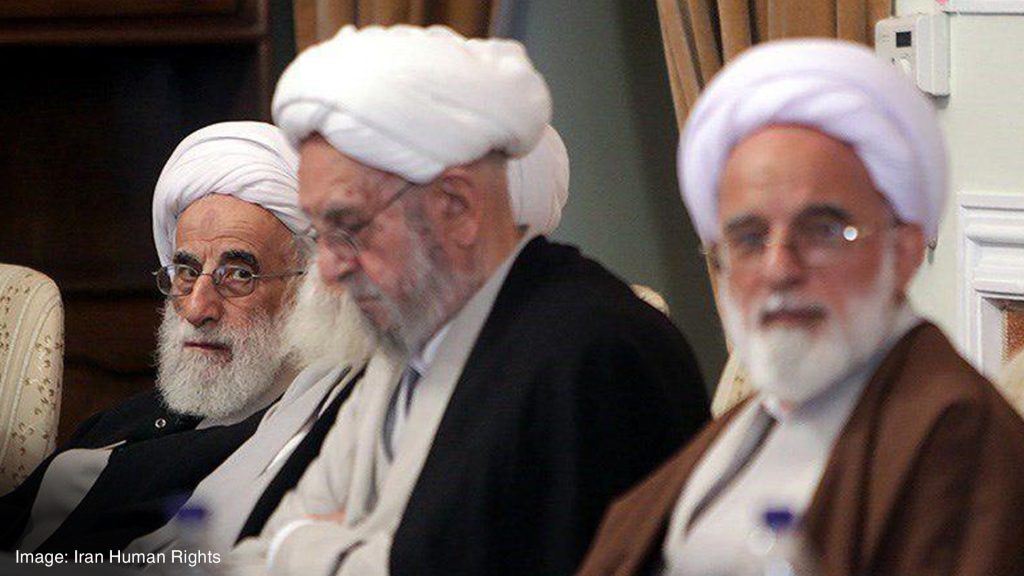
This is why even administrative changes in how such routes are managed are closely monitored internationally, as they can signal shifts in regional strategy and global energy security dynamics.

Sources: Reuters / Al Jazeera / Press TV / Associated Press
Strait of Hormuz: From Shipping Route to Strategic Power Zone

Maryam Tariq

Why the Strait Matters Globally

The Strait of Hormuz is one of the most critical energy corridors in the world, with roughly one-fifth of global oil and liquefied natural gas passing through it in normal conditions. Any disruption in this narrow waterway immediately impacts global energy prices, supply chains, and economic stability.

Because of its strategic importance, the Strait has long been at the centre of geopolitical tensions involving regional powers and global economies dependent on Gulf energy exports.

Iran’s New Administrative Move

Iran has now announced the formation of a new body under its top security framework to manage operations in the Strait of Hormuz. The proposed entity, referred to as the Persian Gulf Strait Authority (PGSA), is intended to oversee maritime traffic and provide real-time updates on operations in the waterway.

Officials linked to Iranian security institutions have described the mechanism as part of a broader effort to regulate and manage maritime movement through the strait under Iranian oversight.

Sovereignty or Strategic Leverage?

The move raises a key analytical question: whether this is simply administrative coordination or a consolidation of strategic control over one of the world’s most important trade routes.

Because the Strait functions as a chokepoint for global energy, any regulatory authority over it carries implications far beyond national jurisdiction. It directly affects global markets, energy prices, and international shipping confidence.

A Chokepoint With Global Consequences

In geopolitics, chokepoints like the Strait of Hormuz transform geography into power. Control over them does not only mean sovereignty over territory — it also translates into leverage over global economic flows.

This is why even administrative changes in how such routes are managed are closely monitored internationally, as they can signal shifts in regional strategy and global energy security dynamics.

Sources: Reuters / Al Jazeera / Press TV / Associated Press
spot_img

Explore more

spot_img
Global Affairs

Israel Faces Rare US Warning as Trump Administration Pushes Iran Deal...

Trump Called the Iran War a Win. Here Is What the...

Al Jazeera Cameraman Killed in Gaza Strike as Press Safety Concerns

US Italy diplomatic tensions

Natasha Doll Trend

US Iran diplomacy handshake

Drone attack threat

US Went to War and Then Chose Peace, Both on June...