The Strait of Hormuz Crisis Is Exposing the Fragility of the Global Economy
Maryam Tariq
A Regional Conflict With Global Consequences
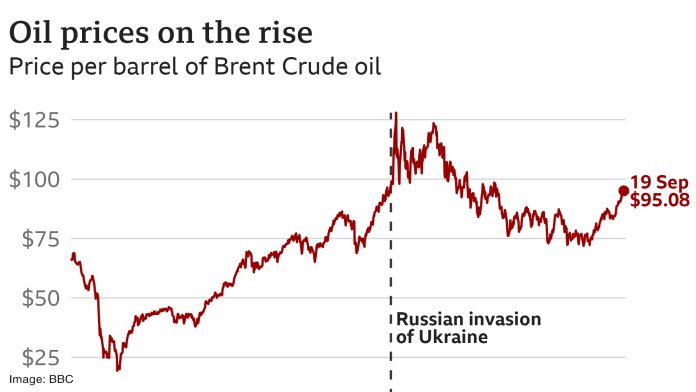
Global oil prices fell after Donald Trump announced he was pausing a planned military strike on Iran, raising hopes that negotiations could prevent further escalation in the Gulf.
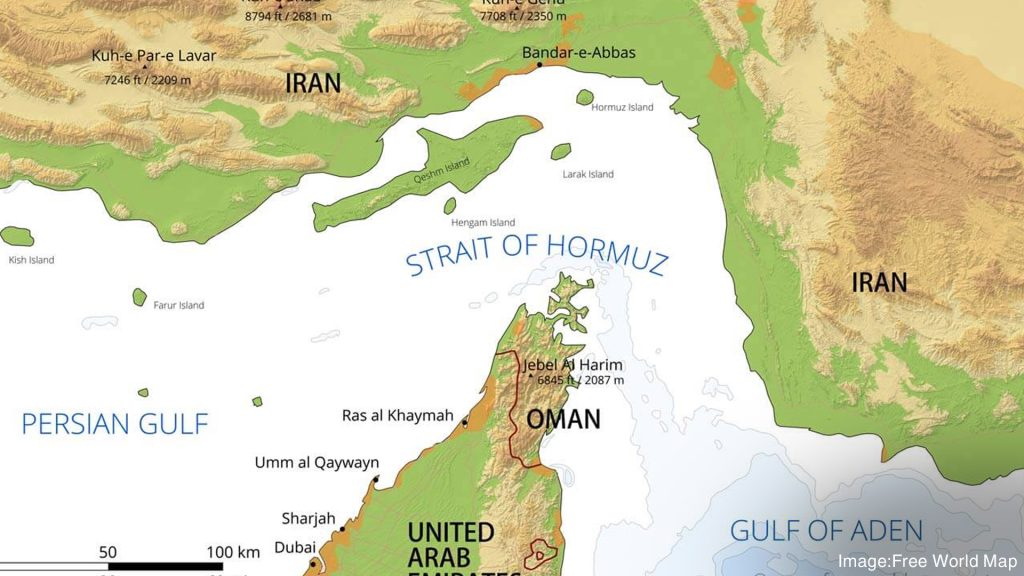
But the sharp market reaction highlights something much bigger than short-term oil fluctuations: how deeply the global economy depends on stability in one narrow waterway, the Strait of Hormuz.
Around 20% of the world’s oil and liquefied natural gas passes through the strait. Any threat to shipping there immediately impacts fuel prices, inflation expectations, supply chains, and financial markets worldwide.
Markets Are Trading on Geopolitical Fear
The recent swings in oil prices show how markets are increasingly driven by geopolitical uncertainty. Prices moved sharply not only because of military developments, but also because of political statements, negotiations, and social media announcements.
This reflects a broader reality in modern finance: markets now react instantly to perceptions of escalation or de-escalation.
In this case, fears over possible disruptions to the Strait of Hormuz caused oil prices and government borrowing costs to rise globally before easing after signs of diplomatic progress emerged.
The Economic Ripple Effects Are Expanding
The consequences are spreading beyond energy markets. Higher fuel costs are affecting airlines, transportation, manufacturing, and government finances.
Countries are also facing rising borrowing costs as investors worry that prolonged energy instability could push inflation higher and force central banks to keep interest rates elevated.
This is why a conflict centred in the Gulf quickly becomes a global economic issue.
A Reminder of Global Dependence
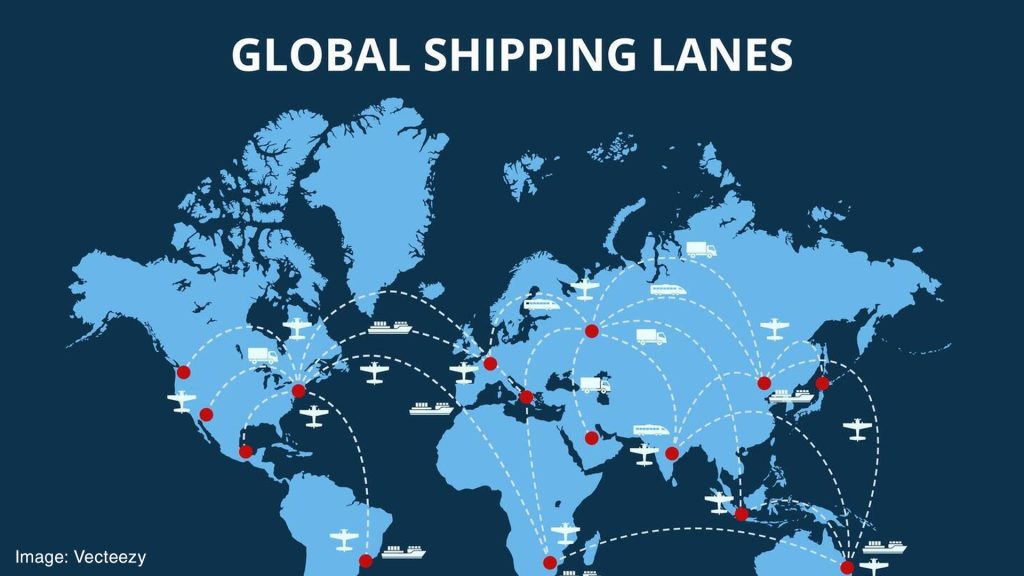
The crisis also exposes a deeper structural vulnerability: the modern global economy still relies heavily on narrow geographic chokepoints vulnerable to political conflict and military escalation.
Despite decades of economic integration and technological advancement, critical global systems remain highly exposed to instability in strategically important regions.
Sources: BBC News / Reuters / Axios / Rystad Energy