When Politics Starts Looking Like AI-Generated Science Fiction
Maryam Tariq
The Presidency as Internet Spectacle
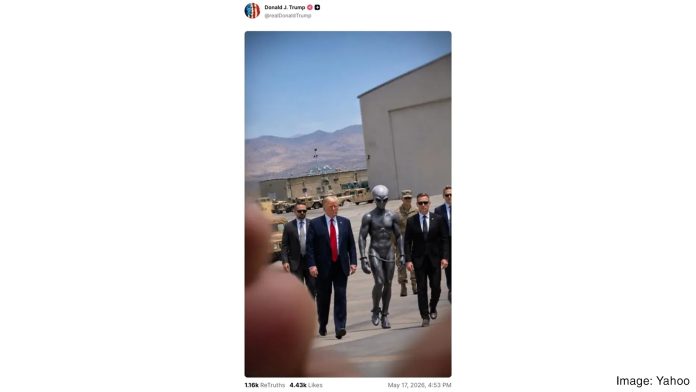
Donald Trump recently posted a series of AI-generated images showing himself alongside a shackled alien, controlling spacecraft, and overseeing cinematic space battles shortly after the Pentagon released UFO-related documents.
At first glance, the posts appear absurd or intentionally provocative. But the deeper significance lies in what they reveal about how political communication is evolving in the age of algorithms and AI-generated media.
Politics Is Becoming Performance Content
Modern politics increasingly operates according to the logic of internet platforms: attention, virality, emotional reaction, and spectacle.
Leaders are no longer competing only through policy decisions or speeches. They are also competing as content creators inside digital ecosystems where visibility often matters more than substance.
This is why AI-generated fantasy imagery, explosions, military dominance, aliens, heroic symbolism, becomes politically useful. It transforms leadership into entertainment that is instantly shareable and emotionally charged.
The Symbolism Is Not Accidental
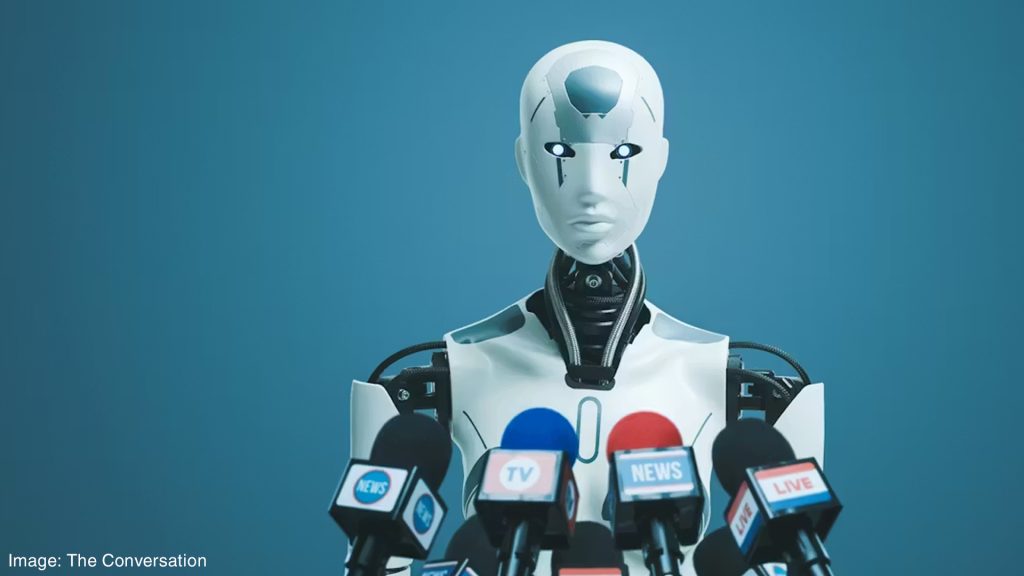
Even if the imagery is surreal, the themes remain familiar: control, conquest, militarism, nationalism, and exaggerated strength.
The alien itself is less important than the visual language surrounding it. The posts project an image of dominance and cinematic power while blending politics with science-fiction aesthetics designed for maximum online engagement.
Experts increasingly describe this style of communication as part of a broader shift toward “algorithmic politics,” where political messaging adapts itself to the emotional incentives of social media platforms.
When Reality Competes With Spectacle
The danger is not simply misinformation. It is the gradual collapse of boundaries between governance, propaganda, entertainment, and meme culture.
As AI-generated imagery becomes easier to produce and distribute, political identity itself risks becoming a continuous performance designed more for engagement than public understanding.
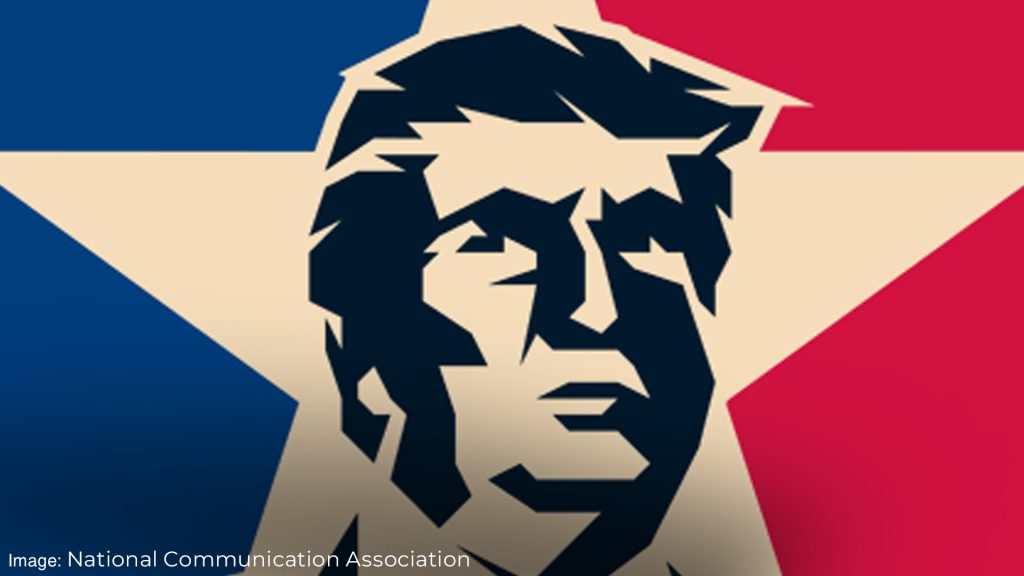
The result is a political environment where spectacle increasingly overshadows seriousness — even during moments of war, economic instability, and global crisis.
Sources
USA Today / Financial Times / The Independent