
Why Prison Reform Is a Public Safety Issue

Why Prison Reform Is a Public Safety Issue

Prisons are often seen as distant institutions meant only for punishment. In reality, they are deeply connected to how safe societies become. The conditions inside determine whether individuals return as reformed citizens or as people carrying unresolved trauma and limited opportunity.

Halden Prison and Rehabilitation Success

Halden Prison is widely regarded as one of the most humane maximum security prisons in the world. It reflects Norway’s broader correctional philosophy that punishment is the loss of liberty, not the loss of dignity.

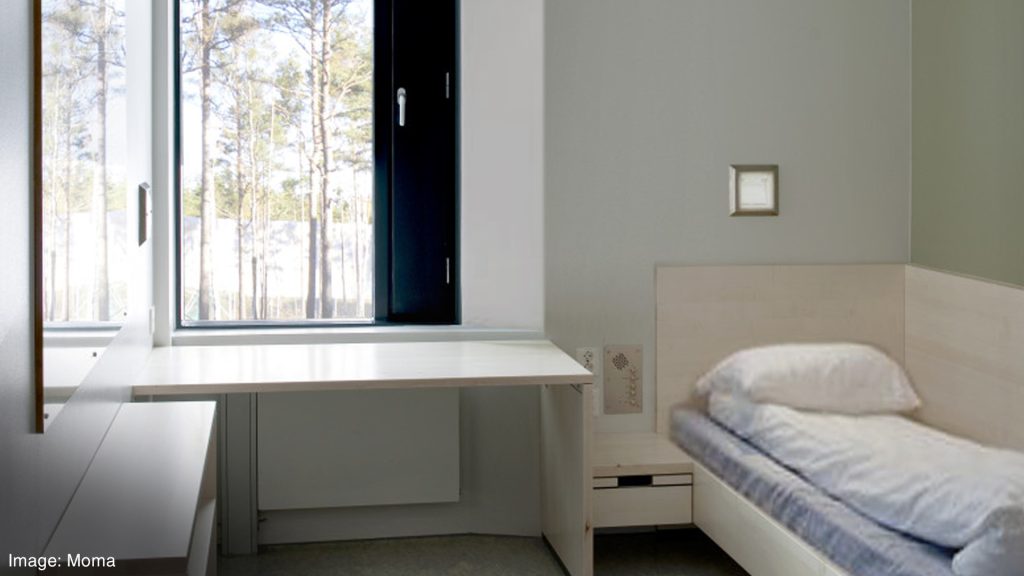
Inmates live in private rooms, have access to education, training, and mental health support, and interact with guards in a normalized, trust based environment. Studies show Norway’s reconviction rate is around 20% within two years, significantly lower than many punitive systems globally.

Overcrowding and System Breakdown

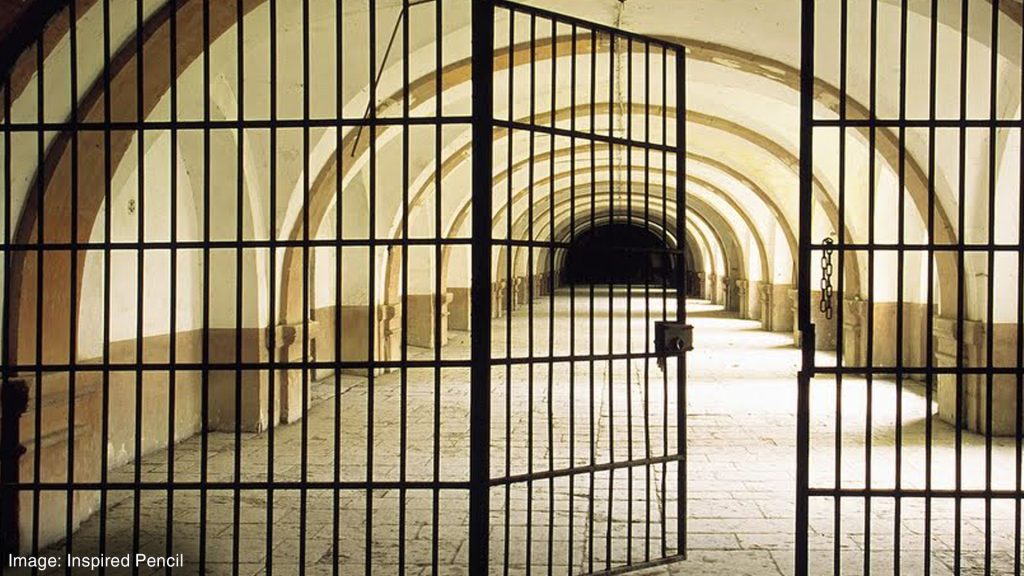
In contrast, prison systems in countries like Pakistan and India struggle with chronic overcrowding. Occupancy rates often exceed safe capacity, sometimes reaching 150% or more. A large proportion of inmates are undertrial prisoners who have not yet been convicted.

This overcrowding leads to poor sanitation, limited healthcare, and minimal access to rehabilitation programs, all of which increase psychological stress and reduce the chances of successful reintegration.
Mass Incarceration and Its Consequences

In the United States, nearly 2 million people are incarcerated at any given time. Issues such as solitary confinement, understaffing, and inadequate mental health care have been widely documented. Federal investigations into correctional systems continue due to ongoing concerns about safety and constitutional violations.

When large populations return to society without adequate support, the cycle of reoffending becomes harder to break.

Why Better Prisons Matter

The purpose of discussing prison conditions is not to ignore accountability but to improve outcomes. Since most incarcerated individuals eventually return to society, prison systems directly influence long term public safety.

Countries that invest in rehabilitation consistently show lower recidivism and safer reintegration outcomes. This suggests that the design of prisons is not just a moral issue, but a practical one.

Conclusion

Prisons reflect how societies define justice. If the goal is safety, stability, and reduced crime, then rehabilitation cannot be optional. It becomes the foundation.

Sources: World Prison Brief / Norwegian Correctional Service data / Brennan Center for Justice / Human Rights Watch


Why Prison Reform Is a Public Safety Issue

Prisons are often seen as distant institutions meant only for punishment. In reality, they are deeply connected to how safe societies become. The conditions inside determine whether individuals return as reformed citizens or as people carrying unresolved trauma and limited opportunity.

Halden Prison and Rehabilitation Success

Halden Prison is widely regarded as one of the most humane maximum security prisons in the world. It reflects Norway’s broader correctional philosophy that punishment is the loss of liberty, not the loss of dignity.

Inmates live in private rooms, have access to education, training, and mental health support, and interact with guards in a normalized, trust based environment. Studies show Norway’s reconviction rate is around 20% within two years, significantly lower than many punitive systems globally.

Overcrowding and System Breakdown

In contrast, prison systems in countries like Pakistan and India struggle with chronic overcrowding. Occupancy rates often exceed safe capacity, sometimes reaching 150% or more. A large proportion of inmates are undertrial prisoners who have not yet been convicted.

This overcrowding leads to poor sanitation, limited healthcare, and minimal access to rehabilitation programs, all of which increase psychological stress and reduce the chances of successful reintegration.

Mass Incarceration and Its Consequences

In the United States, nearly 2 million people are incarcerated at any given time. Issues such as solitary confinement, understaffing, and inadequate mental health care have been widely documented. Federal investigations into correctional systems continue due to ongoing concerns about safety and constitutional violations.

When large populations return to society without adequate support, the cycle of reoffending becomes harder to break.

Why Better Prisons Matter

The purpose of discussing prison conditions is not to ignore accountability but to improve outcomes. Since most incarcerated individuals eventually return to society, prison systems directly influence long term public safety.

Countries that invest in rehabilitation consistently show lower recidivism and safer reintegration outcomes. This suggests that the design of prisons is not just a moral issue, but a practical one.

Conclusion

Prisons reflect how societies define justice. If the goal is safety, stability, and reduced crime, then rehabilitation cannot be optional. It becomes the foundation.

Sources: World Prison Brief / Norwegian Correctional Service data / Brennan Center for Justice / Human Rights Watch

spot_img

Explore more

spot_img
Global Affairs

Israel Faces Rare US Warning as Trump Administration Pushes Iran Deal...

Trump Called the Iran War a Win. Here Is What the...

Al Jazeera Cameraman Killed in Gaza Strike as Press Safety Concerns

US Italy diplomatic tensions

Natasha Doll Trend

US Iran diplomacy handshake

Drone attack threat

US Went to War and Then Chose Peace, Both on June...