

Why Content Goes Viral According to Research
Maryam Tariq
Blsh
Jonah Berger Emotion Virality Research
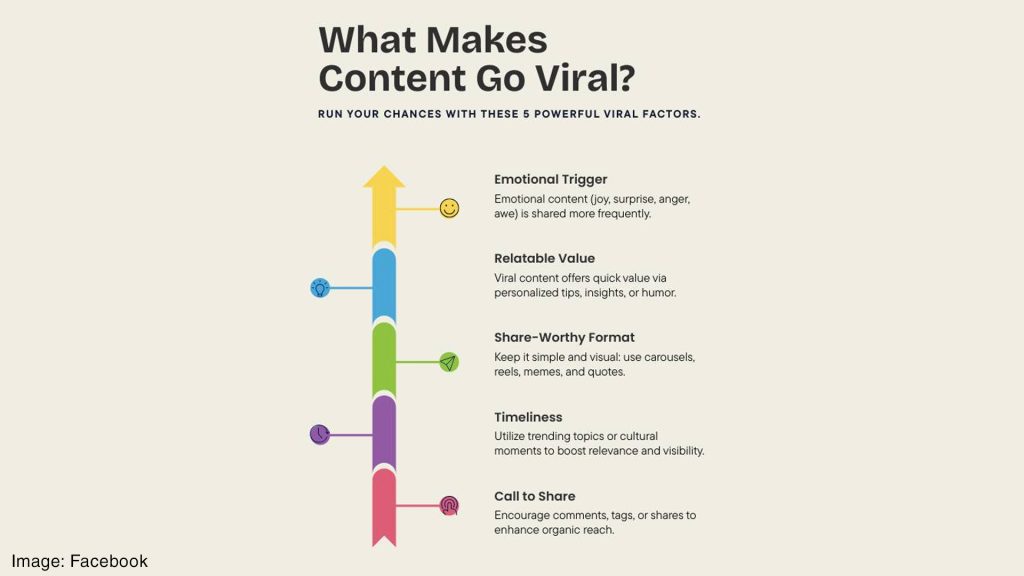
One of the most influential studies on virality was conducted by Jonah Berger and Katherine Milkman in the Journal of Marketing Research. Their analysis of thousands of New York Times articles found that content which triggers high arousal emotions such as awe anger or anxiety is significantly more likely to be shared.
In contrast content that triggers low arousal emotions like sadness tends to reduce sharing behavior even if the content is meaningful or important.
Marketing Research Emotional Intensity Findings
The same body of research shows that emotional intensity is a stronger predictor of virality than usefulness or informational value. This means people do not always share what is most accurate or useful but what creates the strongest emotional reaction.
Evolutionary Psychology of Virality 2025 Study
A 2025 meta analysis in Trends in Cognitive Sciences explains virality through evolutionary psychology. It argues that modern sharing behavior is rooted in ancient human traits such as gossip social bonding and identity signaling.
Social media platforms amplify these instincts by rewarding engagement based content.

Identity Based Sharing ResearchGate Findings
ResearchGate surveys show that users often share content not purely for information but for identity expression. Sharing becomes a form of social validation where users signal beliefs emotions and group belonging.
STEPPS Framework APA Jonah Berger
The STEPPS framework explains virality through six elements Social Currency Triggers Emotion Public Practical Value and Stories. These factors consistently appear in viral content across platforms and industries.
Sources: Journal of Marketing Research Berger and Milkman / Trends in Cognitive Sciences 2025 Meta Analysis / American Psychological Association STEPPS Framework / ResearchGate User Behavior Studies / ScienceDirect Academic Reviews