Gaza Is Everyone’s Cause. Nobody’s Responsibility.

Three ceasefires cover the Middle East right now. None of them fully covers Gaza.

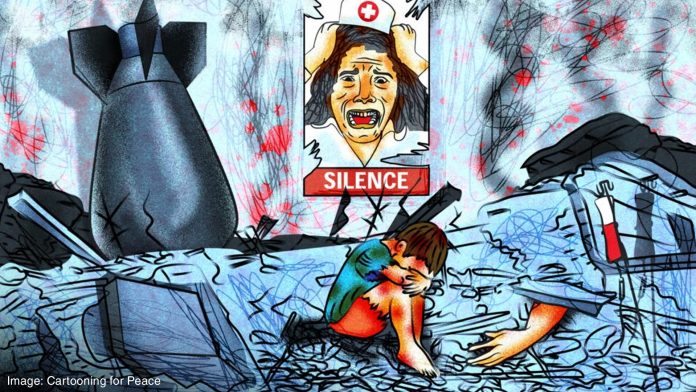
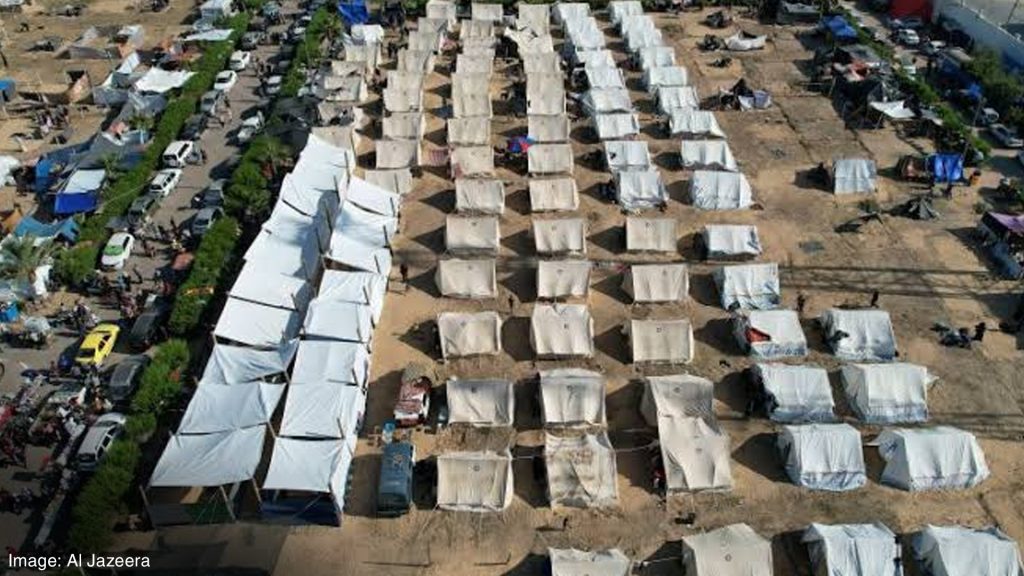
Iran and the US have had a ceasefire since April 8. Lebanon got one on April 16. Gaza has had one since October 10, 2025. Yet since that October ceasefire came into force, Israeli forces have killed at least 856 Palestinians, taken control of more than 50 percent of the Gaza Strip, and blocked the humanitarian aid volumes the agreement promised. The wound is open. The paperwork says otherwise.

That gap is the starting point for one of the most important analytical pieces circulating in Palestinian intellectual circles right now. Writing in Thinking Palestine, Palestinian-American journalist and editor Ramzy Baroud asks a question most coverage has avoided: why was Gaza not placed explicitly at the center of Iran’s ceasefire framework with the United States? His answer is structural, not conspiratorial. And it cuts deeper than the usual accusations of abandonment.
Why Lebanon Got Named and Gaza Didn’t

Iran’s 10-point peace plan, which Trump described as a “workable basis” for negotiations, included ending the war against all components of the Axis of Resistance, a broad formulation covering both Hezbollah and Hamas. But Lebanon appeared explicitly and repeatedly in Iran’s diplomatic language in a way Gaza did not. Iranian Foreign Minister Abbas Araghchi stated on June 1 that the ceasefire between Iran and the US was “unequivocally a ceasefire on all fronts, including Lebanon.” Gaza entered Iranian state media’s harder-line demands, with Tasnim reporting that “no dialogue will take place” until Isr*el stopped attacks in both Lebanon and Gaza, but not with the same institutional clarity.

Baroud’s argument explains why. Iran’s bond with Hezbollah is decades deep, doctrinal, and institutional. Iran can speak about Lebanon with direct political authority. Palestine is different. Gaza does not have a single coherent political command. It is divided between Hamas, the Palestinian Authority, Gaza-based leadership, exile politics, armed factions, and international frameworks that speak over Palestinians more than they speak with them.

The Moment the PA Chose Its Side

The fracture is not abstract. It happened in real time, on the first day of the war.

When US and Israeli strikes hit Iran on February 28, the Palestinian Authority issued an official statement strongly condemning Iranian attacks on Arab states including Saudi Arabia, Jordan, Qatar, Kuwait, Bahrain, the UAE, and Iraq. The PA affirmed its solidarity with those Arab nations and support for any measures they deemed appropriate. The entity whose cause Iran had invoked for four decades to justify every proxy war, every missile programme, every confrontation with Isr*el, sided with Iran’s enemies the moment Iranian missiles flew. The countries paying Palestinian governance salaries are the countries Iran was bombing. The calculation was arithmetic, and the symbolism was devastating.

Hamas’s Silence and Its Fracture

Hamas told a different story, but not a unified one. The movement went completely silent for the first three weeks of the Iran war. Those inside Hamas not aligned with Tehran maintained that silence deliberately. Then, on March 14, Hamas issued a statement affirming Iran’s right to defend itself while simultaneously calling on “our brothers in Iran to avoid targeting neighbouring countries.” It was solidarity with distance. Support with a limit. The military wing and Gaza-based leadership backed Iran. The political bureau in exile chose its words carefully, shaped by the reality that Hamas has survived across Damascus, Doha, Ankara, and Cairo, each capital offering shelter with one hand and conditions with the other.
The Davos Plan Nobody Asked Palestine About

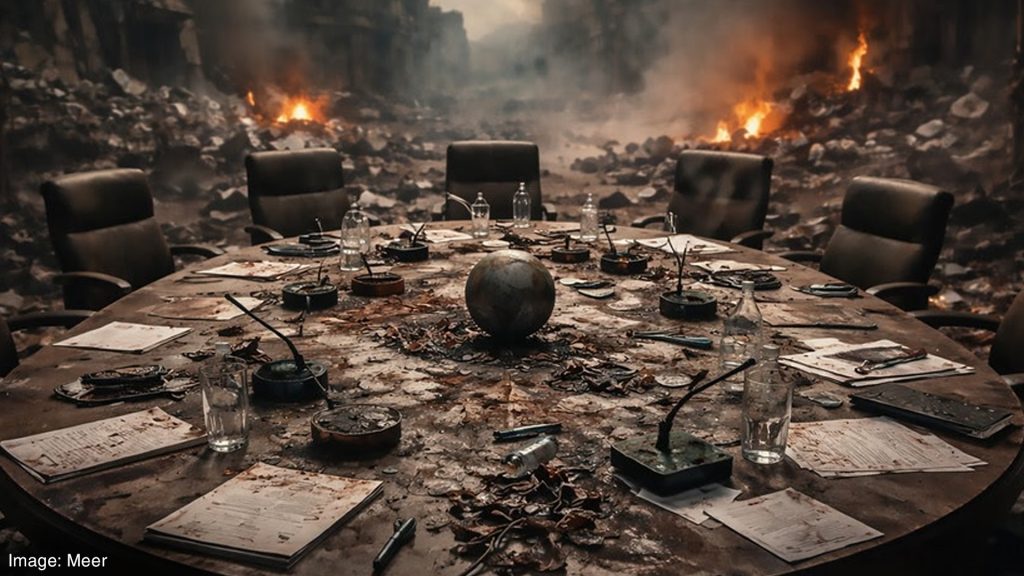
While Gaza burned and its political representatives fractured, Jared Kushner stood at Davos on January 22, 2026 and unveiled a $30 billion vision for postwar Gaza. Computer-generated images showed gleaming waterfront developments resembling Dubai and Doha. New Gaza. New Rafah. Skyscrapers. A port. A special economic zone. Amazing investment opportunities, Kushner said. Palestinian political representation on the Board of Peace overseeing all of this: effectively none. Critics including analyst Khalil Jahshan described the scheme as a real estate project lacking meaningful Palestinian participation. The future of Gaza was being designed, presented at a global economic forum, without Palestinians at the table.

The Consequence of Absence

Chatham House warned in May 2026 that the Iran war has pushed Gaza out of international priority view. With the world looking elsewhere, humanitarian conditions are deteriorating, political pathways are narrowing, and temporary borders and security measures risk becoming permanent. Neither Isr*el nor Hamas is under sufficient pressure to move the ceasefire forward. The room is closing.

Baroud’s hard conclusion stands: Iran did not abandon Palestine. But Palestine’s absence from the explicit center of ceasefire diplomacy is not only Iran’s failure. It is the consequence of a Palestinian political architecture so fragmented that even those who genuinely support the cause cannot fully speak for it without overstepping.

A war can be fought in Palestine’s name while Palestinians remain divided, represented by others, and excluded from the terms of their own future.

Gaza is the cause everyone invokes. The wound everyone points to.

And the question nobody has answered is this: who gave everyone else the right to speak for it?

By Shizza FarooquiSources: Reuters | Al Jazeera | CNN | NPR | Chatham House | Thinking Palestine / Ramzy Baroud | CNBC | Middle East Eye | The National | House of Commons Library

Three ceasefires cover the Middle East right now. None of them fully covers Gaza.

Iran and the US have had a ceasefire since April 8. Lebanon got one on April 16. Gaza has had one since October 10, 2025. Yet since that October ceasefire came into force, Israeli forces have killed at least 856 Palestinians, taken control of more than 50 percent of the Gaza Strip, and blocked the humanitarian aid volumes the agreement promised. The wound is open. The paperwork says otherwise.

That gap is the starting point for one of the most important analytical pieces circulating in Palestinian intellectual circles right now. Writing in Thinking Palestine, Palestinian-American journalist and editor Ramzy Baroud asks a question most coverage has avoided: why was Gaza not placed explicitly at the center of Iran’s ceasefire framework with the United States? His answer is structural, not conspiratorial. And it cuts deeper than the usual accusations of abandonment.

Why Lebanon Got Named and Gaza Didn’t

Iran’s 10-point peace plan, which Trump described as a “workable basis” for negotiations, included ending the war against all components of the Axis of Resistance, a broad formulation covering both Hezbollah and Hamas. But Lebanon appeared explicitly and repeatedly in Iran’s diplomatic language in a way Gaza did not. Iranian Foreign Minister Abbas Araghchi stated on June 1 that the ceasefire between Iran and the US was “unequivocally a ceasefire on all fronts, including Lebanon.” Gaza entered Iranian state media’s harder-line demands, with Tasnim reporting that “no dialogue will take place” until Isr*el stopped attacks in both Lebanon and Gaza, but not with the same institutional clarity.

Baroud’s argument explains why. Iran’s bond with Hezbollah is decades deep, doctrinal, and institutional. Iran can speak about Lebanon with direct political authority. Palestine is different. Gaza does not have a single coherent political command. It is divided between Hamas, the Palestinian Authority, Gaza-based leadership, exile politics, armed factions, and international frameworks that speak over Palestinians more than they speak with them.

The Moment the PA Chose Its Side

The fracture is not abstract. It happened in real time, on the first day of the war.

When US and Israeli strikes hit Iran on February 28, the Palestinian Authority issued an official statement strongly condemning Iranian attacks on Arab states including Saudi Arabia, Jordan, Qatar, Kuwait, Bahrain, the UAE, and Iraq. The PA affirmed its solidarity with those Arab nations and support for any measures they deemed appropriate. The entity whose cause Iran had invoked for four decades to justify every proxy war, every missile programme, every confrontation with Isr*el, sided with Iran’s enemies the moment Iranian missiles flew. The countries paying Palestinian governance salaries are the countries Iran was bombing. The calculation was arithmetic, and the symbolism was devastating.

Hamas’s Silence and Its Fracture

Hamas told a different story, but not a unified one. The movement went completely silent for the first three weeks of the Iran war. Those inside Hamas not aligned with Tehran maintained that silence deliberately. Then, on March 14, Hamas issued a statement affirming Iran’s right to defend itself while simultaneously calling on “our brothers in Iran to avoid targeting neighbouring countries.” It was solidarity with distance. Support with a limit. The military wing and Gaza-based leadership backed Iran. The political bureau in exile chose its words carefully, shaped by the reality that Hamas has survived across Damascus, Doha, Ankara, and Cairo, each capital offering shelter with one hand and conditions with the other.

The Davos Plan Nobody Asked Palestine About

While Gaza burned and its political representatives fractured, Jared Kushner stood at Davos on January 22, 2026 and unveiled a $30 billion vision for postwar Gaza. Computer-generated images showed gleaming waterfront developments resembling Dubai and Doha. New Gaza. New Rafah. Skyscrapers. A port. A special economic zone. Amazing investment opportunities, Kushner said. Palestinian political representation on the Board of Peace overseeing all of this: effectively none. Critics including analyst Khalil Jahshan described the scheme as a real estate project lacking meaningful Palestinian participation. The future of Gaza was being designed, presented at a global economic forum, without Palestinians at the table.

The Consequence of Absence

Chatham House warned in May 2026 that the Iran war has pushed Gaza out of international priority view. With the world looking elsewhere, humanitarian conditions are deteriorating, political pathways are narrowing, and temporary borders and security measures risk becoming permanent. Neither Isr*el nor Hamas is under sufficient pressure to move the ceasefire forward. The room is closing.

Baroud’s hard conclusion stands: Iran did not abandon Palestine. But Palestine’s absence from the explicit center of ceasefire diplomacy is not only Iran’s failure. It is the consequence of a Palestinian political architecture so fragmented that even those who genuinely support the cause cannot fully speak for it without overstepping.

A war can be fought in Palestine’s name while Palestinians remain divided, represented by others, and excluded from the terms of their own future.

Gaza is the cause everyone invokes. The wound everyone points to.

And the question nobody has answered is this: who gave everyone else the right to speak for it?

By Shizza FarooquiSources: Reuters | Al Jazeera | CNN | NPR | Chatham House | Thinking Palestine / Ramzy Baroud | CNBC | Middle East Eye | The National | House of Commons Library

spot_img

Explore more

spot_img
Global Affairs

Isr*el Is Burning Lebanon From The Sky

Saudi Arabia Just Dug Up The Words Of Islam’s Second Caliph,...

The Most Hostile World Cup Ever

The Ceasefire Died Near Hormuz Last Night.

Your Closest Ally Is Spying On You.

AJK Is At A Crossroads. What Happens Next?

Pakistan’s Next Flood Is Already Forming.