
Bodies Of Evidence: The Explosive Al Jazeera Film Exposing Horrors Inside Isr*eli Custody

What Is Bodies Of Evidence?

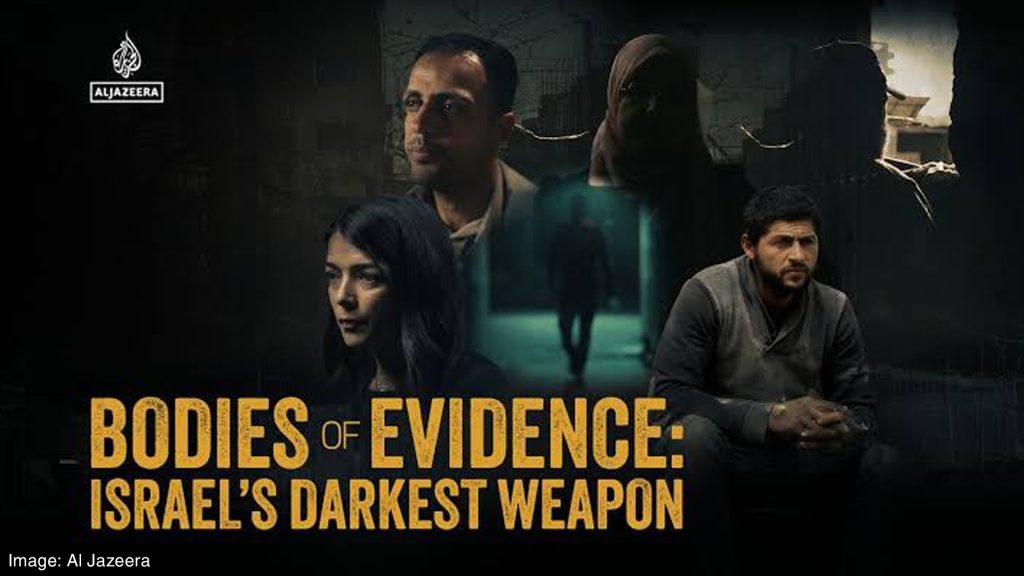
Al Jazeera’s investigative documentary, Bodies of Evidence: Isr*el’s Darkest Weapon, examines testimonies from former Palestinian detainees who say they were beaten, stripped, filmed, sexually abused, tortured, and attacked with dogs while held inside Isr*eli custody. The film does not present these accounts as one isolated incident. It places them inside a much larger detention system that Palestinian survivors, lawyers, rights groups, and United Nations experts have warned about for years. The documentary’s central argument is devastating: when prisons are closed to independent monitors, when detainees are afraid to speak, and when evidence remains inside the hands of the institutions accused of abuse, the bodies of survivors may become the only evidence left.
Palestinian Detainee Abuse Allegations

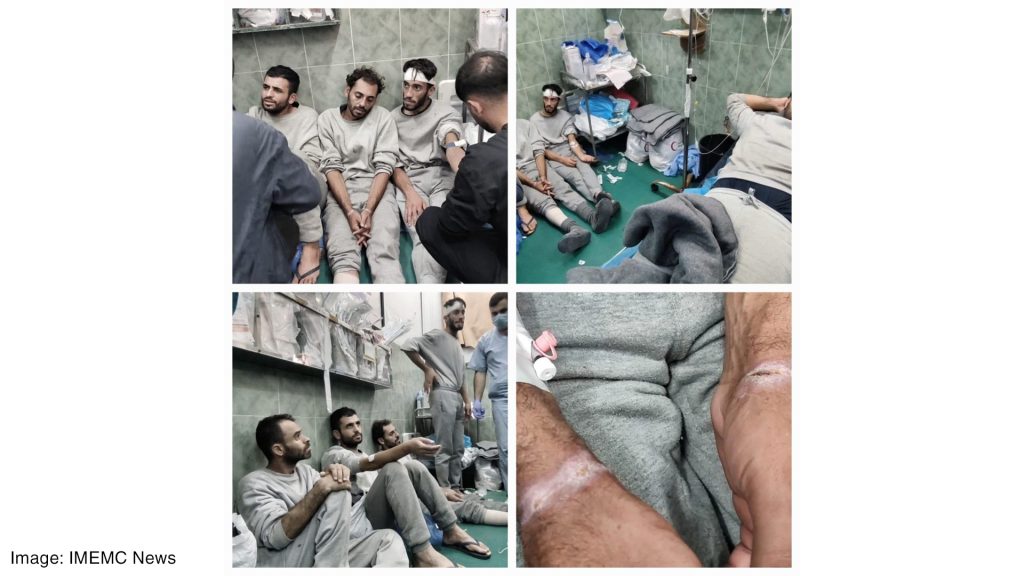
The testimonies described in Bodies of Evidence are graphic and deeply disturbing. Former Palestinian detainees tell Al Jazeera they were subjected to beatings, forced stripping, humiliation, filming, sexual abuse, dog violence, and torture.

Mohammed Zaki al-Bakri, a Gaza civil servant from Khan Younis, remembers the exact date of his rape. It was April 10, 2024, the Eid al-Fitr holiday. He had already been beaten, tortured, bound and forced to soil himself for weeks since his arrest. He was held for 20 months and moved through five Isr*eli prisons. Al Jazeera reports he was stripped, restrained, blindfolded, and raped by a dog while Isr*eli soldiers laughed and filmed.

Al-Bakri’s testimony is not the only one. Other former detainees described dogs used not only as instruments of fear but as part of a ritual of sexualised humiliation. Prisoners were stripped, blindfolded, handcuffed, forced onto their stomachs, beaten, threatened, filmed, and attacked. Two other former detainees are also named in the documentary’s reporting: Adnan Hassan, a former child detainee from Jenin in the occupied West Bank who says he was arrested at 17 and held for five months, and Mays Abu Ghosh, a former detainee from Jerusalem, who describes the prison as a place where humiliation became routine.

Their testimonies, Al Jazeera says, do not describe one prison, one guard, or one isolated act. They describe a system.

What Is Sde Teiman?

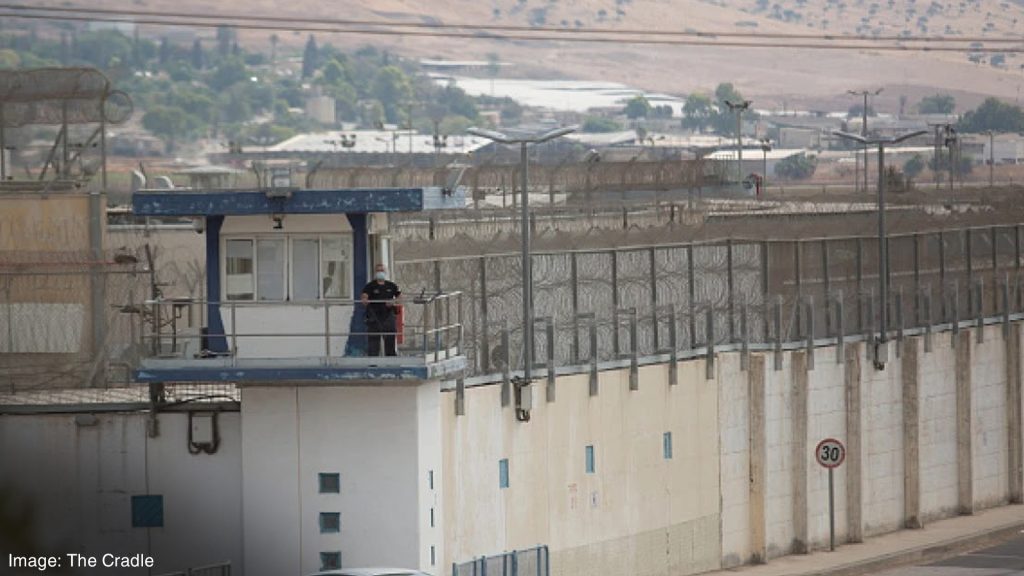
A major focus of the documentary is Sde Teiman, an Isr*eli military detention facility in the Negev desert. The site became notorious after reports of blindfolded and shackled Palestinian detainees, medical neglect, torture allegations, and sexual abuse. In March 2026, Isr*el dropped charges against five soldiers accused in one abuse case, a decision that drew international condemnation. For Al Jazeera, Sde Teiman is not an exception. It is a symbol of a much wider detention system.
The Knesset Moment

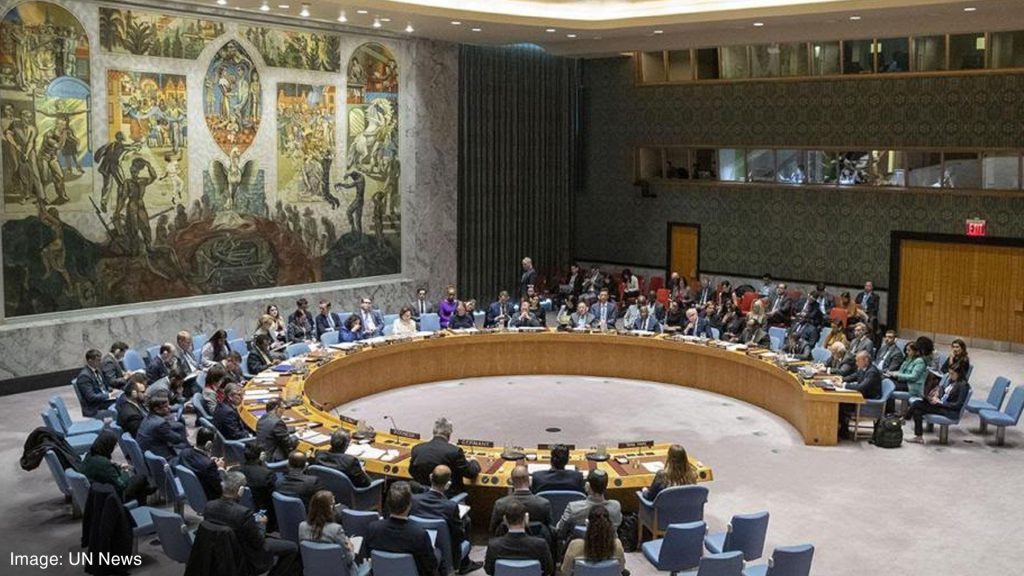
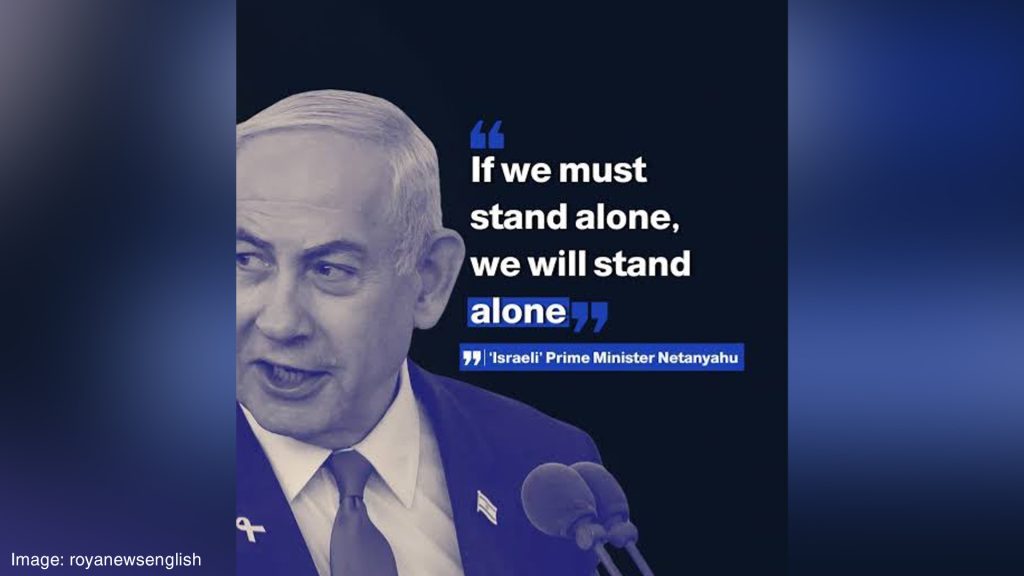
In July 2024, Knesset member Hanoch Milwidsky of Netanyahu’s Likud party was asked directly in Isr*el’s parliament about violence against a prisoner. He responded: “Everything is legitimate to do! Everything!”

UN Blacklist And Conflict-Related Sexual Violence

The allegations have now reached the highest international level. The United Nations added Isr*eli armed and security forces to its conflict-related sexual violence blacklist, a formal monitoring process, not a media label, linked to credible concerns over patterns of rape and sexual violence in conflict. Isr*el strongly rejected the decision and called it political.

Since 1967, Palestinian official sources estimate that more than 750,000 Palestinians have been detained by Isr*el, while a UN-cited figure says more than 800,000 Palestinians were imprisoned between 1967 and 2006. The scale of the detention system is itself part of the story.

Isr*el’s Denial

Isr*el rejects allegations that abuse of Palestinian detainees reflects a systematic policy. Isr*eli prison authorities have said detainees are held according to law and under oversight, and that complaints of unlawful conduct should be submitted through proper investigative channels. But former detainees, lawyers, and rights groups argue that official channels have repeatedly failed Palestinians in custody.

The Economic Cost Of Impunity

The United States provides Isr*el with approximately $3.8 billion in military aid annually under a 10-year security assistance agreement. The European Union remains Isr*el’s largest trading partner, with EU-Isr*el trade in goods reaching €43.3 billion in 2025. The broader Isr*eli military and detention system exists inside economic relationships that Western governments have chosen to maintain despite mounting evidence of abuse allegations and human rights concerns. The question of accountability is therefore inseparable from the question of who funds and sustains the system.
The Accountability Question

The most important question raised by Bodies of Evidence is not only what happened inside Isr*eli custody. It is whether the world will demand accountability for it.

If former detainees say abuse happened behind prison walls, if the UN says the allegations are serious enough for a conflict-related sexual violence blacklist, if a member of Isr*el’s own parliament defended extreme violence against prisoners, and if prosecutions remain rare, then the story is far bigger than one documentary. It becomes a question of impunity: how much has already surfaced, how much more may still be hidden, and who is willing to do anything about it.

By Verity Quill

Sources

Al Jazeera: Shackled, bleeding, raped: Palestinians describe abuse in Isr*el’s prisons  |  Al Jazeera: Bodies of Evidence / New film on Isr*el’s use of rape and sexual abuse in jails  |  Reuters: UN places Isr*el and Russia on sexual violence blacklist  |  AP: Isr*eli military drops charges against soldiers accused of sexually assaulting Palestinian detainee


What Is Bodies Of Evidence?

Al Jazeera’s investigative documentary, Bodies of Evidence: Isr*el’s Darkest Weapon, examines testimonies from former Palestinian detainees who say they were beaten, stripped, filmed, sexually abused, tortured, and attacked with dogs while held inside Isr*eli custody. The film does not present these accounts as one isolated incident. It places them inside a much larger detention system that Palestinian survivors, lawyers, rights groups, and United Nations experts have warned about for years. The documentary’s central argument is devastating: when prisons are closed to independent monitors, when detainees are afraid to speak, and when evidence remains inside the hands of the institutions accused of abuse, the bodies of survivors may become the only evidence left.

Palestinian Detainee Abuse Allegations

The testimonies described in Bodies of Evidence are graphic and deeply disturbing. Former Palestinian detainees tell Al Jazeera they were subjected to beatings, forced stripping, humiliation, filming, sexual abuse, dog violence, and torture.

Mohammed Zaki al-Bakri, a Gaza civil servant from Khan Younis, remembers the exact date of his rape. It was April 10, 2024, the Eid al-Fitr holiday. He had already been beaten, tortured, bound and forced to soil himself for weeks since his arrest. He was held for 20 months and moved through five Isr*eli prisons. Al Jazeera reports he was stripped, restrained, blindfolded, and raped by a dog while Isr*eli soldiers laughed and filmed.

Al-Bakri’s testimony is not the only one. Other former detainees described dogs used not only as instruments of fear but as part of a ritual of sexualised humiliation. Prisoners were stripped, blindfolded, handcuffed, forced onto their stomachs, beaten, threatened, filmed, and attacked. Two other former detainees are also named in the documentary’s reporting: Adnan Hassan, a former child detainee from Jenin in the occupied West Bank who says he was arrested at 17 and held for five months, and Mays Abu Ghosh, a former detainee from Jerusalem, who describes the prison as a place where humiliation became routine.

Their testimonies, Al Jazeera says, do not describe one prison, one guard, or one isolated act. They describe a system.

What Is Sde Teiman?

A major focus of the documentary is Sde Teiman, an Isr*eli military detention facility in the Negev desert. The site became notorious after reports of blindfolded and shackled Palestinian detainees, medical neglect, torture allegations, and sexual abuse. In March 2026, Isr*el dropped charges against five soldiers accused in one abuse case, a decision that drew international condemnation. For Al Jazeera, Sde Teiman is not an exception. It is a symbol of a much wider detention system.

The Knesset Moment

In July 2024, Knesset member Hanoch Milwidsky of Netanyahu’s Likud party was asked directly in Isr*el’s parliament about violence against a prisoner. He responded: “Everything is legitimate to do! Everything!”

UN Blacklist And Conflict-Related Sexual Violence

The allegations have now reached the highest international level. The United Nations added Isr*eli armed and security forces to its conflict-related sexual violence blacklist, a formal monitoring process, not a media label, linked to credible concerns over patterns of rape and sexual violence in conflict. Isr*el strongly rejected the decision and called it political.

Since 1967, Palestinian official sources estimate that more than 750,000 Palestinians have been detained by Isr*el, while a UN-cited figure says more than 800,000 Palestinians were imprisoned between 1967 and 2006. The scale of the detention system is itself part of the story.

Isr*el’s Denial

Isr*el rejects allegations that abuse of Palestinian detainees reflects a systematic policy. Isr*eli prison authorities have said detainees are held according to law and under oversight, and that complaints of unlawful conduct should be submitted through proper investigative channels. But former detainees, lawyers, and rights groups argue that official channels have repeatedly failed Palestinians in custody.

The Economic Cost Of Impunity

The United States provides Isr*el with approximately $3.8 billion in military aid annually under a 10-year security assistance agreement. The European Union remains Isr*el’s largest trading partner, with EU-Isr*el trade in goods reaching €43.3 billion in 2025. The broader Isr*eli military and detention system exists inside economic relationships that Western governments have chosen to maintain despite mounting evidence of abuse allegations and human rights concerns. The question of accountability is therefore inseparable from the question of who funds and sustains the system.

The Accountability Question

The most important question raised by Bodies of Evidence is not only what happened inside Isr*eli custody. It is whether the world will demand accountability for it.

If former detainees say abuse happened behind prison walls, if the UN says the allegations are serious enough for a conflict-related sexual violence blacklist, if a member of Isr*el’s own parliament defended extreme violence against prisoners, and if prosecutions remain rare, then the story is far bigger than one documentary. It becomes a question of impunity: how much has already surfaced, how much more may still be hidden, and who is willing to do anything about it.

By Verity Quill

Sources

Al Jazeera: Shackled, bleeding, raped: Palestinians describe abuse in Isr*el’s prisons  |  Al Jazeera: Bodies of Evidence / New film on Isr*el’s use of rape and sexual abuse in jails  |  Reuters: UN places Isr*el and Russia on sexual violence blacklist  |  AP: Isr*eli military drops charges against soldiers accused of sexually assaulting Palestinian detainee

spot_img

Explore more

spot_img
Global Affairs

Hope Returned To The Middle East. So Did The Fear.

Trump Cut Off Cuba’s Oil. Now Its People Are Preparing For...

A French Company Paid Terrorists To Keep A Factory Running. Now...

They Were Burned Alive In Their Sleep. Police Say Their Classmates...

Musk Amplified The Rage. AI Made The Hitlist. Belfast Burned.

Five Days. Three Mosques Demolished. One Question India Still Won’t Answer.

From Settlement Sales To Celebrity Ads: The Business Of Selling Israeli...

Isr*el Is Burning Lebanon From The Sky