When Hate Reaches the Front Door: Why Islamophobia Must Be Taken Seriously
Maryam Tariq
Islamophobia Is More Than Online Abuse
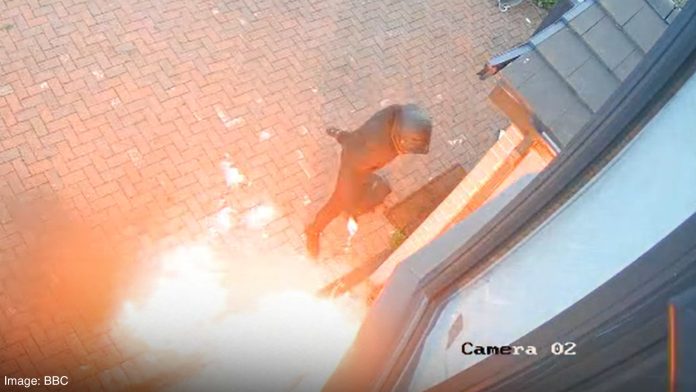
The recent firebomb attack on the family home of an imam in Bolton is a disturbing reminder that Islamophobia is not limited to social media comments or political rhetoric. When a family’s home becomes the target of violence, it exposes the dangerous consequences of hatred that has been allowed to grow unchecked.
A home is meant to be a place of safety. Yet seven people, including four children, found themselves at the center of a terrifying attack that could have ended in tragedy.
Hate Crime Does Not Appear Overnight
Violence rarely begins with violence.
It often starts with stereotypes, misinformation, discrimination, and narratives that portray entire communities as outsiders. Over time, these attitudes can become normalized. When prejudice is repeated often enough, some individuals begin to see hostility as acceptable.
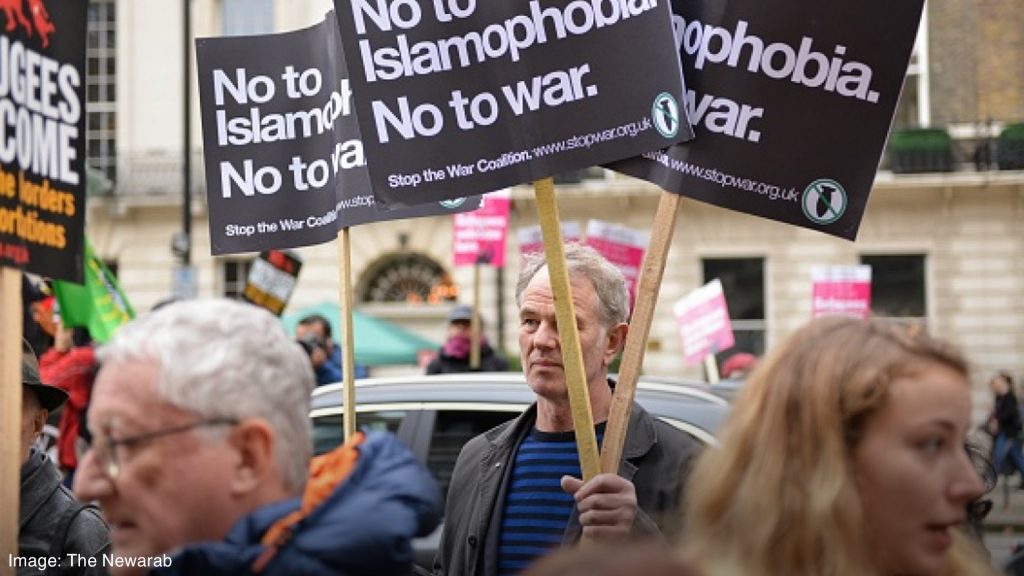
This is why Islamophobia cannot be dismissed as merely offensive language or political disagreement. It creates an environment where Muslim families may feel unsafe in their schools, workplaces, places of worship, and even their own homes.
The Human Cost Of Anti Muslim Hatred
The consequences of Islamophobia are not measured only through crime statistics.
They are measured through fear.
Parents worrying about their children’s safety.
Families feeling unwelcome in their communities.
Young Muslims growing up believing they will always be viewed with suspicion.
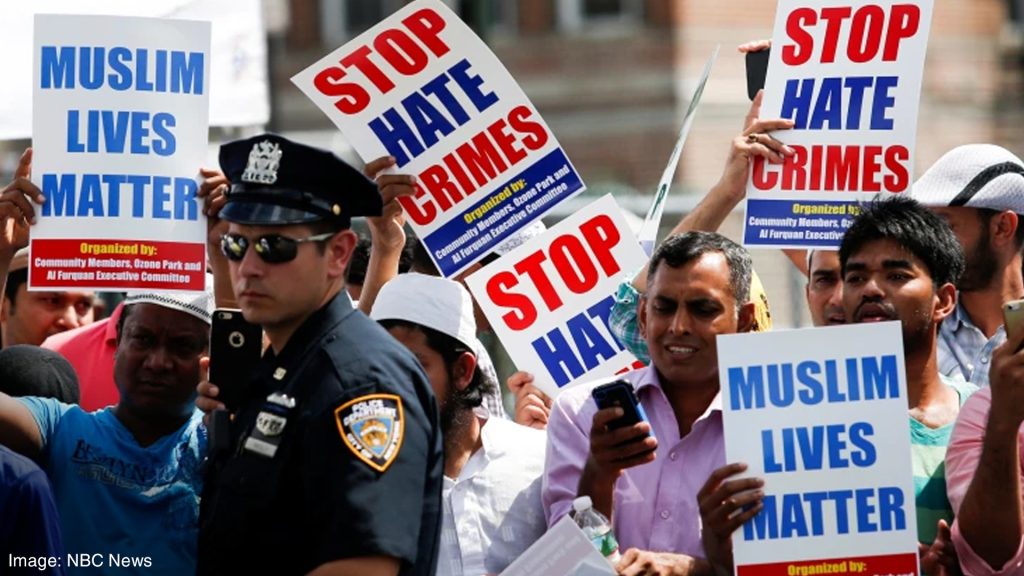
Every hate crime sends a message not only to the victim but to an entire community. The goal is often intimidation. The effect is isolation and anxiety.
Protecting Religious Freedom Means Protecting Everyone
Defending Muslim communities from hatred is not about giving special treatment to one group. It is about protecting the basic principle that every individual deserves equal rights, dignity, and security.
The same values that protect Muslims today protect every religious and ethnic community tomorrow.
When society tolerates hatred against one group, it weakens protections for everyone.
Challenging Islamophobia Is A Shared Responsibility
Governments, media organizations, educators, and community leaders all have a role to play in challenging anti Muslim prejudice.
Condemning violence after it occurs is important, but prevention requires addressing the attitudes that allow hatred to flourish in the first place.
The response to Islamophobia must be consistent, principled, and unapologetic.
No family should fear going to sleep because of their faith.
No child should feel unsafe because of their identity.
And no community should have to wonder whether hatred against them will be taken seriously.
The attack in Bolton is a reminder that Islamophobia is not an abstract issue. It has real victims, real consequences, and real dangers.
The choice facing society is simple: confront hatred before it escalates, or continue witnessing the damage it leaves behind.
Sources:
Inanc
BBC News — Firebomb thrown at imam’s home in ‘targeted’ attack
Tell MAMA UK — Anti Muslim Hate Crime Statistics and Monitoring
United Nations Human Rights Office — Freedom of Religion and Belief
European Commission Against Racism and Intolerance Reports
https://www.coe.int/en/web/european-commission-against-racism-and-intolerance
Amnesty International — Discrimination Against Muslimshttps://www.amnesty.org/en/topics/discrimination/