FIFA 2026 and the Border Question: When Security Meets the Spirit of Sport
Maryam Tariq
A Tournament Already Surrounded by Controversy
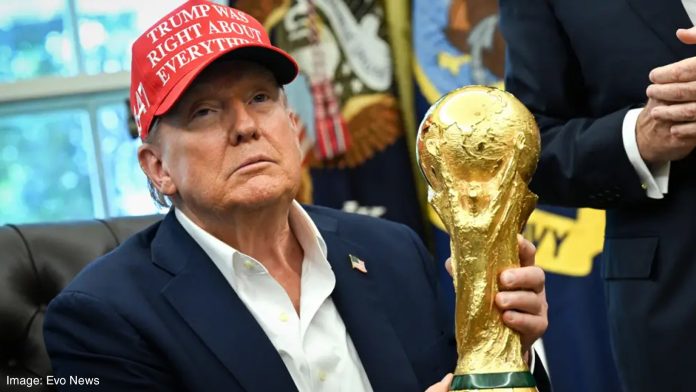
The FIFA World Cup is meant to represent unity, competition, and global connection. But ahead of the 2026 tournament in the United States, immigration and border enforcement policies are already shaping a different narrative.
Reports of detained players, delayed officials, and denied entry for international sports figures have sparked concerns that political and security procedures are beginning to overshadow the sporting event itself.
The Case of Omar Abdulkadir Artan
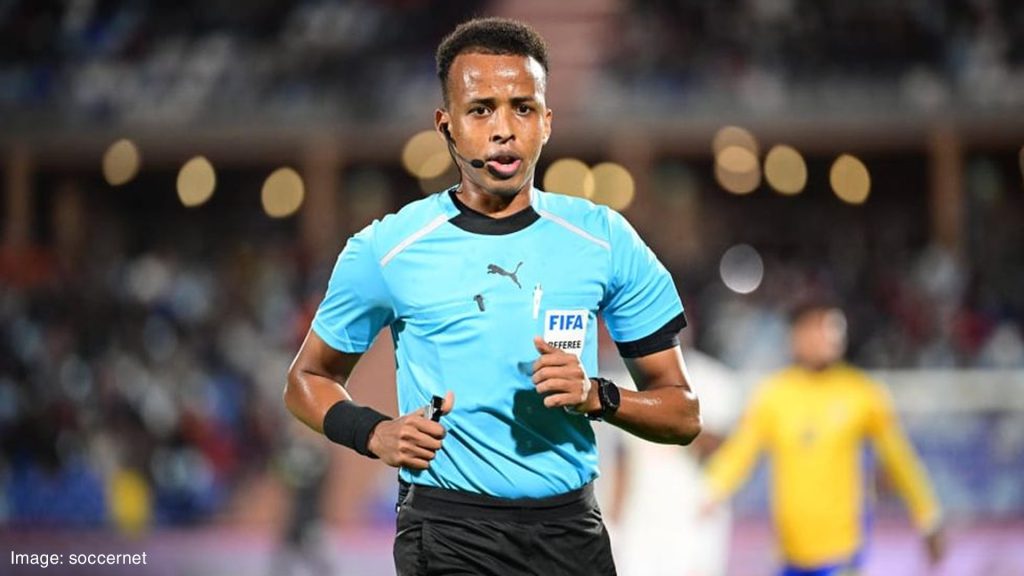
One of the most widely discussed incidents involves Somali referee Omar Abdulkadir Artan, who was reportedly denied entry into the United States despite holding a valid visa.
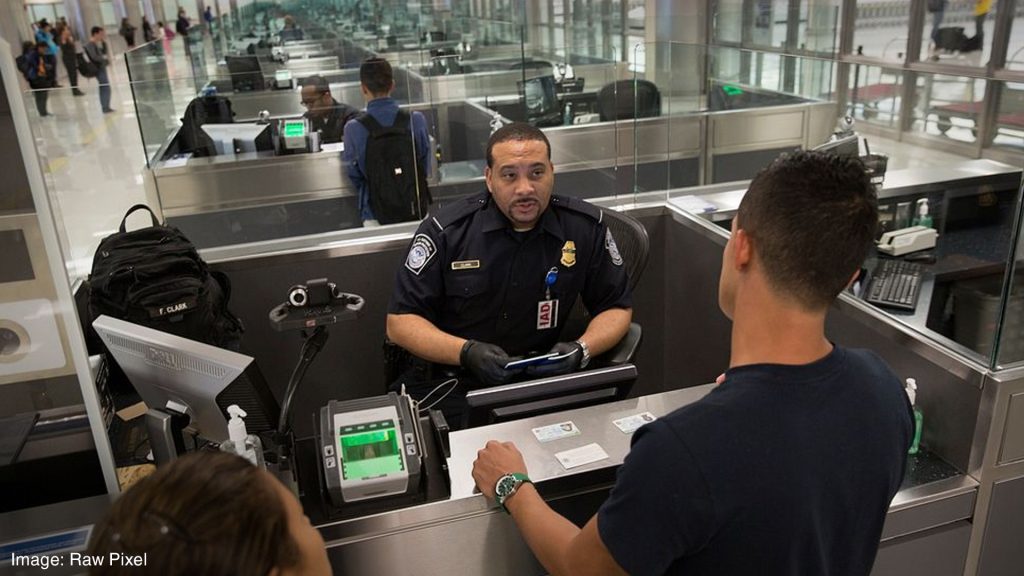
Artan, recognized as Africa’s best men’s referee last year, was stopped at Miami International Airport and deemed inadmissible due to vetting concerns. He was subsequently sent back to Somalia.
For many observers, this case has become symbolic of a broader issue. If a highly respected international official can be turned away under unclear circumstances, what does that mean for the hundreds of players, staff, and journalists arriving for the tournament?
Beyond One Incident: A Pattern of Scrutiny
Artan is not alone. Reports indicate that multiple players, team officials, and journalists have experienced heightened scrutiny, including extended questioning, secondary inspections, and visa complications.
While border enforcement is a sovereign right of any nation, critics argue that the scale and intensity of checks risk creating an environment of uncertainty and inconsistency.
For athletes and officials who travel globally as part of their profession, unpredictability at borders can directly affect preparation, mental focus, and participation.
When Sport Becomes Political Space
International tournaments have always existed at the intersection of politics and sport. However, the World Cup is designed to rise above political divisions and bring nations together on equal footing.
When access itself becomes controversial, it risks undermining that principle.
Critics argue that the perception of unequal treatment or excessive scrutiny can damage the credibility of the event and shift attention away from the sport itself.
The Need for Clarity and Fairness
Security is essential for any major international event, especially one as large as the FIFA World Cup. But so is clarity, consistency, and transparency in how rules are applied.
Athletes, officials, and journalists should not be left uncertain about whether they will be allowed to participate after years of preparation.
If global sport is meant to symbolize openness and unity, then the systems surrounding it must reflect those same values.
Conclusion: Protecting the Game Beyond Politics
The World Cup should not become a battleground for immigration disputes or geopolitical tension.
It should remain what it has always been at its best: a space where sport brings the world together.
The challenge now is ensuring that security does not unintentionally silence the very global participation the tournament depends on.
Sources:
Reuters — US border enforcement and World Cup visa scrutiny
BBC Sport — FIFA World Cup 2026 preparations and travel concerns
FIFA Official Updates — Tournament logistics and participation guidelines
CNN Sports — Immigration and sports event controversieshttps://edition.cnn.com/sport