Religion And Power In The Modern World
For decades, many scholars predicted that religion would gradually lose its influence as societies became more modern and secular. Yet events across the world tell a different story. Religion and politics remain closely connected, influencing elections, public policy, national identity, and international relations.
A recent academic study titled The Politics of Faith and the Strategic Use of Religious Discourse in Modern Power Relations argues that religious discourse continues to be one of the most powerful tools in shaping modern power structures.
Gaza Conflict And Religious Narratives
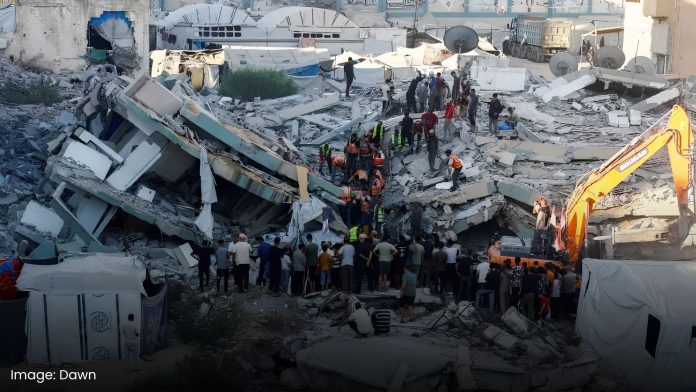
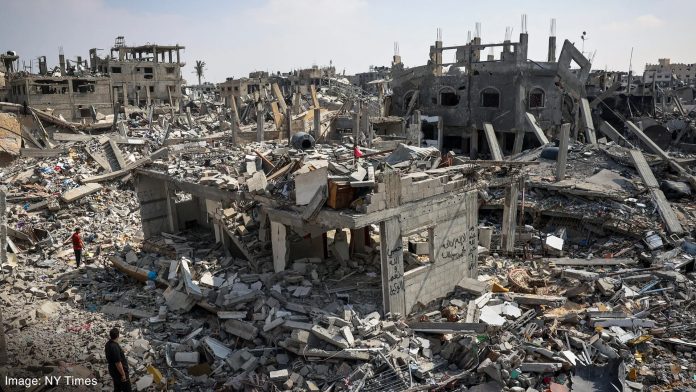
The Gaza conflict demonstrates how religion and politics often intersect. Political leaders, activists, and communities frequently invoke sacred history, religious identity, and faith based narratives when discussing the conflict.
While the conflict involves political, territorial, and humanitarian dimensions, religious discourse continues to influence how people understand the struggle, mobilize support, and define collective identity. This illustrates how faith can become a strategic resource in modern conflicts.
Ukraine War And Faith Based Messaging
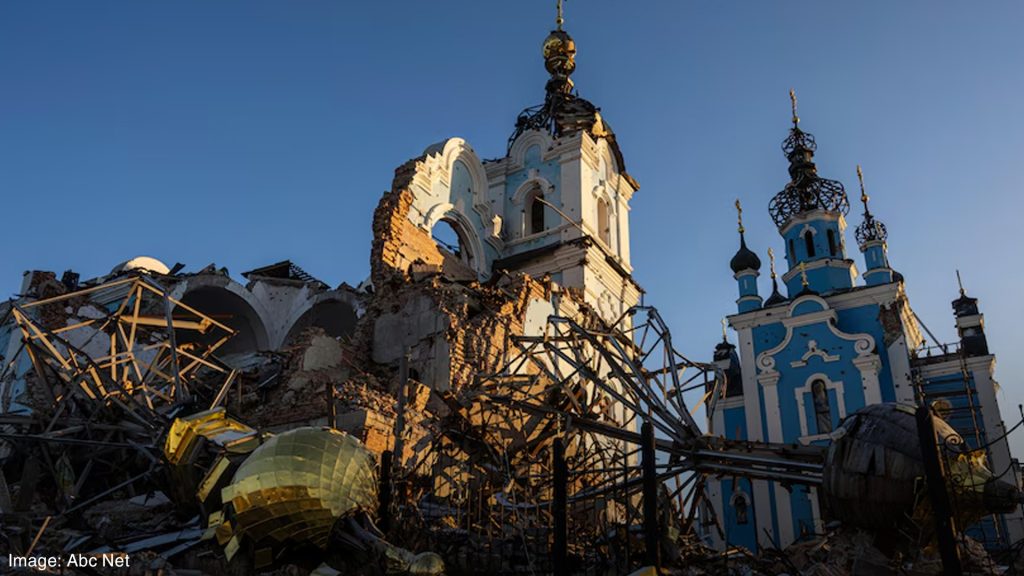
The Russia Ukraine war provides another example of religion and power in action. Religious language has been used by various actors to frame national missions, justify political positions, and strengthen public support.
Faith based narratives have helped shape public perceptions of the conflict, showing how religion remains relevant even in contemporary geopolitical disputes.
National Identity And Religious Discourse
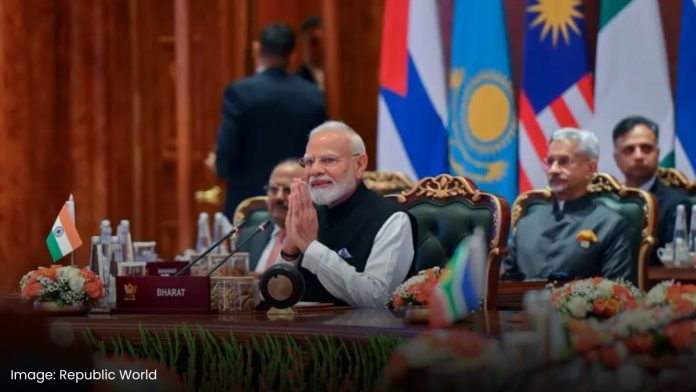
The study highlights how governments often use religious discourse to strengthen national identity. Examples include Hindu nationalism in India, Islamic constitutionalism in Pakistan, and evangelical influence in United States politics.
Religious symbolism can provide moral legitimacy, strengthen social cohesion, and create a sense of shared purpose among citizens. However, critics argue that such strategies may also marginalize minority groups and increase social polarization.
Digital Media And The Politics Of Faith
Social media has transformed how religious narratives spread. The study points to examples ranging from extremist digital propaganda to interfaith campaigns promoting peace and dialogue.
Today, religious discourse travels instantly across borders, allowing movements to mobilize supporters on a global scale. This digital transformation has increased both the positive and negative impact of faith based messaging.
Why Understanding Faith And Politics Matters
The relationship between religion and politics remains one of the defining issues of the twenty first century. Faith can inspire peace, justice, and resistance against oppression, but it can also be used to legitimize authority and deepen divisions. Understanding how religious discourse shapes power is essential for understanding modern conflicts, global politics, and the future of international relations.