A French Company Paid Terrorists To Keep A Factory Running. Now Its CEO Is Going To Prison.

Lafarge ISIS Payments: A CEO Was Sentenced To Prison, Not Just Fined

For decades, corporate harm usually ended the same way: a fine, a settlement, a statement of regret, and executives walking away.

Lafarge is different.

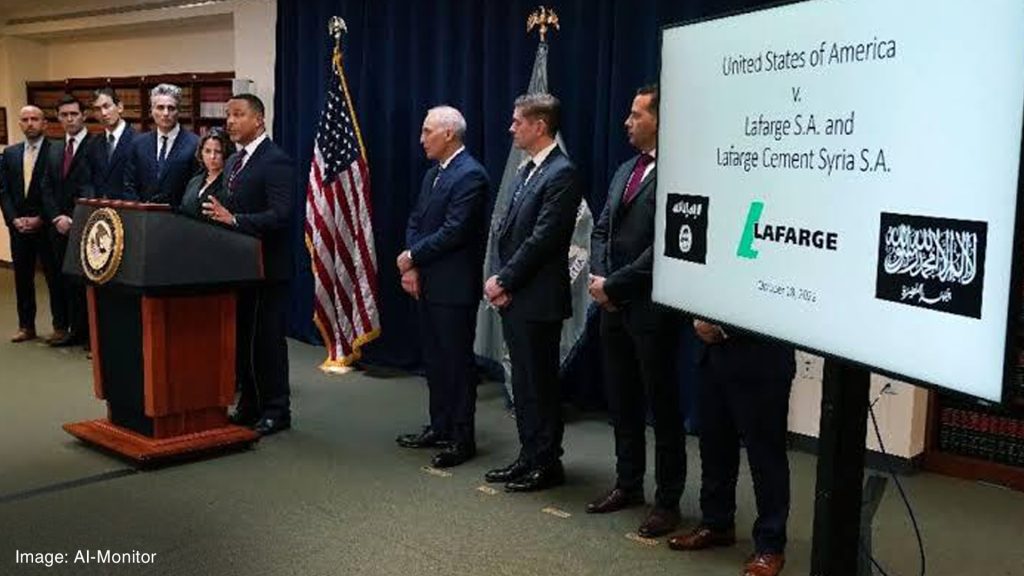
On April 13, 2026, a Paris court convicted French cement giant Lafarge and eight former executives of financing terrorism and breaching EU sanctions over payments made in Syria. Former CEO Bruno Lafont was sentenced to six years in prison and fined €225,000, while former deputy COO Christian Herrault received five years. Lafont was arrested in court after the verdict, though his lawyer said he will appeal. The company itself received the maximum corporate fine of €1.125 million, and the court ordered €30 million in assets confiscated. Reuters reported that this was the first time a company had been tried in France for financing terrorism.

Lafarge Paid ISIS To Keep A Syrian Cement Plant Running

Between 2013 and 2014, as Syria collapsed into civil war, Lafarge paid roughly €5.5 million to ISIS and Al-Nusra Front, both designated terrorist organisations, so its cement plant in Jalabiya, northern Syria could keep operating. The Guardian reported that the payments helped secure movement through armed-group territory, access to raw materials, and continued operation while other multinationals had already left Syria.

That is the core of the case. Lafarge did not simply get caught in a war zone. The court found it built a system that allowed business to continue by paying the groups controlling the roads around its factory. Judge Isabelle Prevost-Desprez called the conduct “stunningly cynical,” according to OCCRP.
What The Executives Said In Court

The defence offered in the courtroom was remarkable for what it admitted.

Bruno Lafont, when asked why he had not acted on the emails documenting the payments, said he had not read them. His exact words: “I’m not a child of the internet.”

His former deputy, Christian Herrault, was more direct. He acknowledged in court that the groups receiving the payments had been described in writing as “hard-core terrorists.” He kept authorising the payments anyway. When Judge Prevost-Desprez pressed him, asking whether the choice was between the worst option and the less bad one, Herrault said: “Exactly.”

Translated plainly: the executives chose to fund designated terrorist organisations because it was less expensive than shutting the factory down.

Syrian Workers Paid The Human Price

The human cost sat below the corporate strategy. European staff were evacuated, but Syrian workers kept going to work inside an active war zone. They crossed checkpoints, faced kidnapping risk, and moved through territory controlled or threatened by armed groups so the cement plant could keep running.
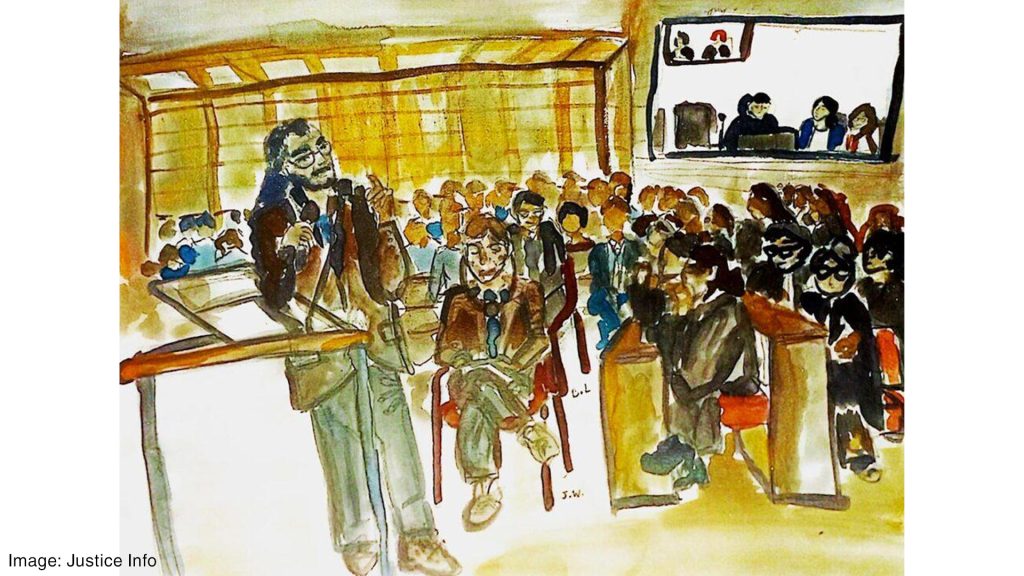
ECCHR has described the Syrian worker angle as central to the case against the company. One former employee said Lafarge put workers’ lives at risk “simply for their own profits.”

Yazidi Survivors Say Lafarge Helped Finance Terror

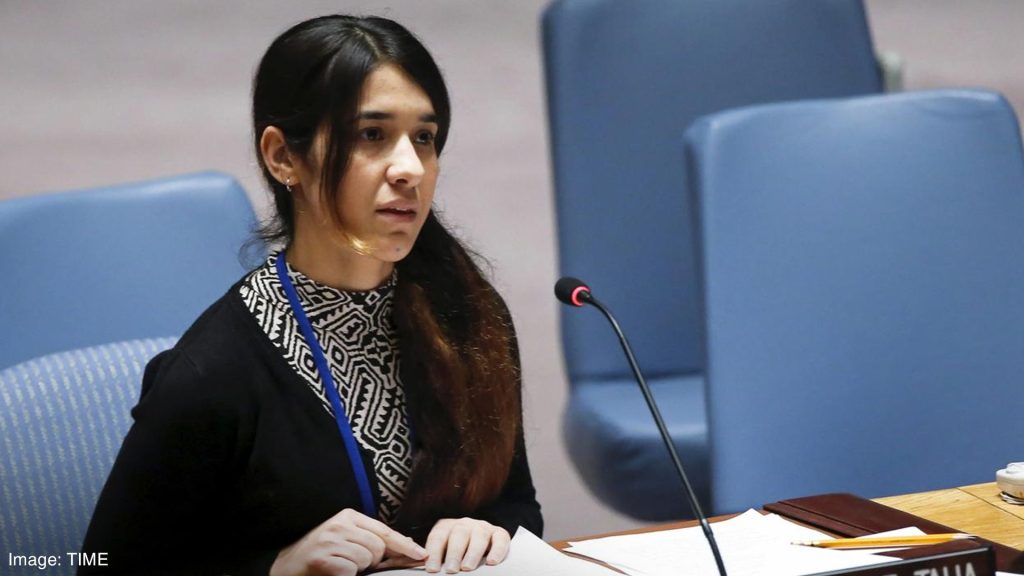
The case also reached survivors of ISIS’s genocide against the Yazidis. Nadia Murad, a Nobel Peace Prize laureate and Yazidi survivor, is the lead plaintiff in a US civil lawsuit against Lafarge. Nadia’s Initiative said the lawsuit was brought by hundreds of Yazidi-Americans accusing Lafarge of conspiring to provide material support to ISIS’s campaign of terror against the Yazidi people.

The lawsuit alleges Lafarge’s support helped ISIS carry out atrocities including killings, abductions and sexual slavery. Al Jazeera reported that the lawsuit also accused the company of aiding ISIS through supplies connected to tunnels and prisons. That allegation remains part of the civil case, separate from the French terrorism-financing verdict.

Why This Has Not Happened For Nearly 80 Years

The last time corporate executives faced criminal accountability for enabling mass violence through their business decisions was the Nuremberg trials in 1947, when executives of I.G. Farben, the German chemical company whose products were used in Nazi concentration camps, stood before a court. Most were acquitted. The few who were convicted had their sentences quietly commuted shortly after.

The legal principle that corporate leaders could be criminally accountable for the violence their decisions enabled was established at Nuremberg and then left almost entirely unused for eight decades.

Lafarge does not end corporate impunity. But it cracks the assumption that executives can always stay safely above what their companies do in war zones.

Corporate Accountability After Lafarge

The Lafarge case did not begin in France alone. In 2022, Lafarge pleaded guilty in a US federal court to conspiring to provide material support to ISIS and Al-Nusra, agreeing to pay about $778 million in fines and forfeiture. The DOJ described it as the first corporate material-support-for-terrorism prosecution in American history. Executives walked away from that deal without prison time. That is the gap the French verdict closes.
Lafarge still faces possible proceedings over complicity in crimes against humanity, a separate and even more serious charge relating specifically to ISIS’s genocide of the Yazidi people. That case is still moving through the French courts.

Europe is also moving toward stronger accountability more broadly. The EU Corporate Sustainability Due Diligence Directive will require large companies to identify and address human rights and environmental harms across their supply chains, with actual consequences for failure.

For corporate power, this is the terrifying part: the people at the top may finally be personally on the line.

By Verity Quill | verumnetwork.com

SOURCES

Reuters | The Guardian | DOJ | ECCHR | Nadia HYPERLINK “https://www.nadiasinitiative.org/news/nadia-murad-is-lead-plaintiff-in-lawsuit-in-us-court-against-lafarge-sa”‘ HYPERLINK “https://www.nadiasinitiative.org/news/nadia-murad-is-lead-plaintiff-in-lawsuit-in-us-court-against-lafarge-sa”s Initiative | Al Jazeera | OCCRP | European Commission
Lafarge ISIS Payments: A CEO Was Sentenced To Prison, Not Just Fined

For decades, corporate harm usually ended the same way: a fine, a settlement, a statement of regret, and executives walking away.

Lafarge is different.

On April 13, 2026, a Paris court convicted French cement giant Lafarge and eight former executives of financing terrorism and breaching EU sanctions over payments made in Syria. Former CEO Bruno Lafont was sentenced to six years in prison and fined €225,000, while former deputy COO Christian Herrault received five years. Lafont was arrested in court after the verdict, though his lawyer said he will appeal. The company itself received the maximum corporate fine of €1.125 million, and the court ordered €30 million in assets confiscated. Reuters reported that this was the first time a company had been tried in France for financing terrorism.

Lafarge Paid ISIS To Keep A Syrian Cement Plant Running

Between 2013 and 2014, as Syria collapsed into civil war, Lafarge paid roughly €5.5 million to ISIS and Al-Nusra Front, both designated terrorist organisations, so its cement plant in Jalabiya, northern Syria could keep operating. The Guardian reported that the payments helped secure movement through armed-group territory, access to raw materials, and continued operation while other multinationals had already left Syria.

That is the core of the case. Lafarge did not simply get caught in a war zone. The court found it built a system that allowed business to continue by paying the groups controlling the roads around its factory. Judge Isabelle Prevost-Desprez called the conduct “stunningly cynical,” according to OCCRP.

What The Executives Said In Court

The defence offered in the courtroom was remarkable for what it admitted.

Bruno Lafont, when asked why he had not acted on the emails documenting the payments, said he had not read them. His exact words: “I’m not a child of the internet.”

His former deputy, Christian Herrault, was more direct. He acknowledged in court that the groups receiving the payments had been described in writing as “hard-core terrorists.” He kept authorising the payments anyway. When Judge Prevost-Desprez pressed him, asking whether the choice was between the worst option and the less bad one, Herrault said: “Exactly.”

Translated plainly: the executives chose to fund designated terrorist organisations because it was less expensive than shutting the factory down.

Syrian Workers Paid The Human Price

The human cost sat below the corporate strategy. European staff were evacuated, but Syrian workers kept going to work inside an active war zone. They crossed checkpoints, faced kidnapping risk, and moved through territory controlled or threatened by armed groups so the cement plant could keep running.

ECCHR has described the Syrian worker angle as central to the case against the company. One former employee said Lafarge put workers’ lives at risk “simply for their own profits.”

Yazidi Survivors Say Lafarge Helped Finance Terror

The case also reached survivors of ISIS’s genocide against the Yazidis. Nadia Murad, a Nobel Peace Prize laureate and Yazidi survivor, is the lead plaintiff in a US civil lawsuit against Lafarge. Nadia’s Initiative said the lawsuit was brought by hundreds of Yazidi-Americans accusing Lafarge of conspiring to provide material support to ISIS’s campaign of terror against the Yazidi people.

The lawsuit alleges Lafarge’s support helped ISIS carry out atrocities including killings, abductions and sexual slavery. Al Jazeera reported that the lawsuit also accused the company of aiding ISIS through supplies connected to tunnels and prisons. That allegation remains part of the civil case, separate from the French terrorism-financing verdict.

Why This Has Not Happened For Nearly 80 Years

The last time corporate executives faced criminal accountability for enabling mass violence through their business decisions was the Nuremberg trials in 1947, when executives of I.G. Farben, the German chemical company whose products were used in Nazi concentration camps, stood before a court. Most were acquitted. The few who were convicted had their sentences quietly commuted shortly after.

The legal principle that corporate leaders could be criminally accountable for the violence their decisions enabled was established at Nuremberg and then left almost entirely unused for eight decades.

Lafarge does not end corporate impunity. But it cracks the assumption that executives can always stay safely above what their companies do in war zones.

Corporate Accountability After Lafarge

The Lafarge case did not begin in France alone. In 2022, Lafarge pleaded guilty in a US federal court to conspiring to provide material support to ISIS and Al-Nusra, agreeing to pay about $778 million in fines and forfeiture. The DOJ described it as the first corporate material-support-for-terrorism prosecution in American history. Executives walked away from that deal without prison time. That is the gap the French verdict closes.

Lafarge still faces possible proceedings over complicity in crimes against humanity, a separate and even more serious charge relating specifically to ISIS’s genocide of the Yazidi people. That case is still moving through the French courts.

Europe is also moving toward stronger accountability more broadly. The EU Corporate Sustainability Due Diligence Directive will require large companies to identify and address human rights and environmental harms across their supply chains, with actual consequences for failure.

For corporate power, this is the terrifying part: the people at the top may finally be personally on the line.

By Verity Quill | verumnetwork.com

SOURCES

Reuters | The Guardian | DOJ | ECCHR | Nadia HYPERLINK “https://www.nadiasinitiative.org/news/nadia-murad-is-lead-plaintiff-in-lawsuit-in-us-court-against-lafarge-sa”‘ HYPERLINK “https://www.nadiasinitiative.org/news/nadia-murad-is-lead-plaintiff-in-lawsuit-in-us-court-against-lafarge-sa”s Initiative | Al Jazeera | OCCRP | European Commission

spot_img

Explore more

spot_img
Global Affairs

Hope Returned To The Middle East. So Did The Fear.

Trump Cut Off Cuba’s Oil. Now Its People Are Preparing For...

They Were Burned Alive In Their Sleep. Police Say Their Classmates...

Musk Amplified The Rage. AI Made The Hitlist. Belfast Burned.

Five Days. Three Mosques Demolished. One Question India Still Won’t Answer.

From Settlement Sales To Celebrity Ads: The Business Of Selling Israeli...

Bodies Of Evidence: The Explosive Al Jazeera Film Exposing Horrors Inside...

Isr*el Is Burning Lebanon From The Sky