Germany Conditions Strait of Hormuz Mine Clearing Mission on Consent and Legal Mandate
Maryam Tariq
Strait of Hormuz Deployment Conditions Set by Germany
Germany has made clear that any involvement in a mine clearing mission in the Strait of Hormuz would depend on strict political and legal conditions, reflecting ongoing sensitivity around maritime security in the region.
Foreign Minister Johann Wadephul said Berlin is prepared to contribute naval support if required, but only under circumstances where both the United States and Iran agree to the operation. The statement highlights how even defensive maritime missions remain deeply tied to geopolitical consent in the Gulf.
Germany’s position comes at a time when discussions around securing the Strait of Hormuz have intensified due to concerns over maritime safety and regional stability.
German Naval Assets Already in Position
Germany has indicated that its naval resources are already partially deployed in preparation for potential operations.
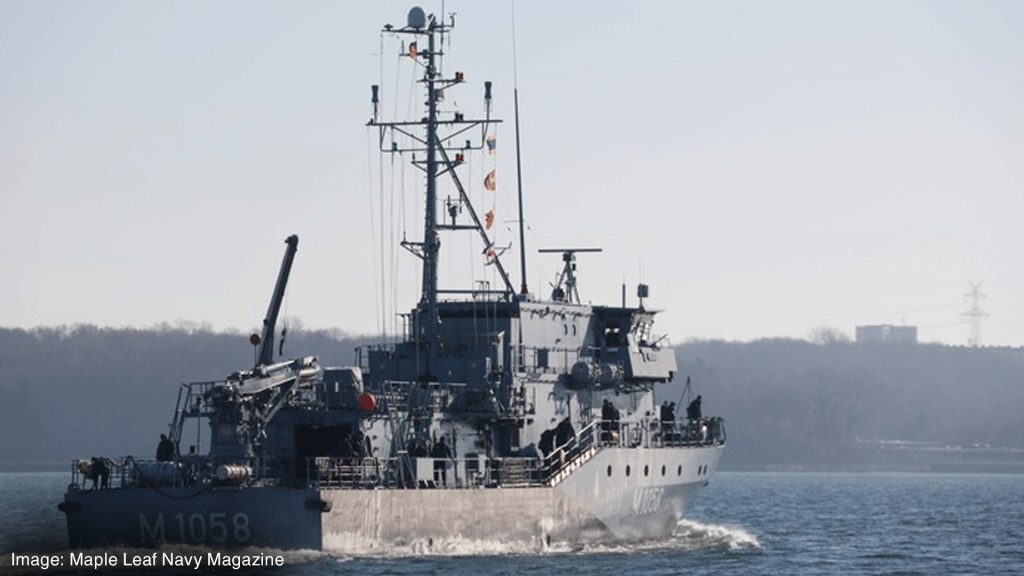
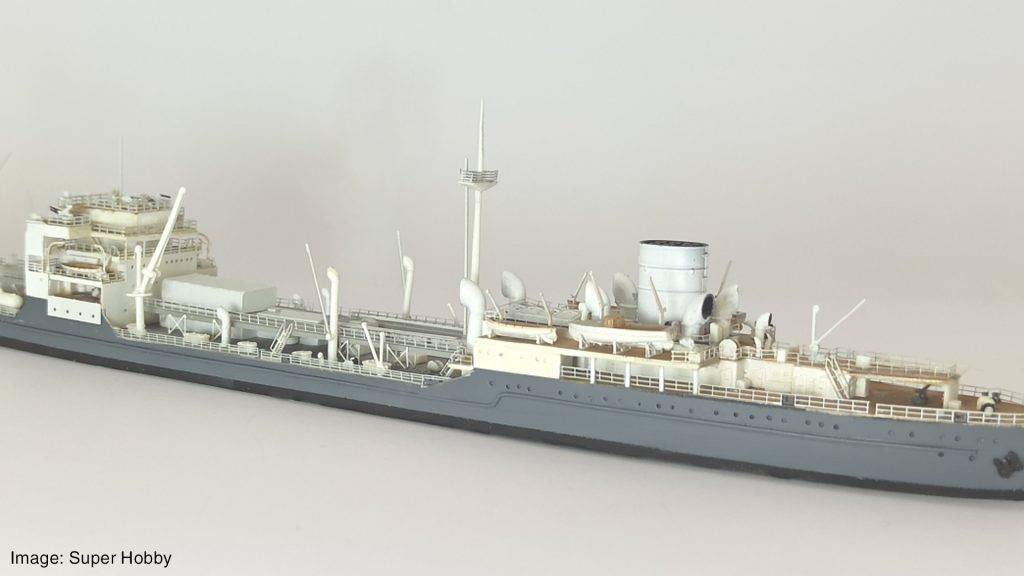
The minesweeper Fulda and supply ship Mosel are currently stationed in the Eastern Mediterranean. These vessels could be redirected toward the Strait of Hormuz if the necessary diplomatic and legal conditions are fulfilled.
Mine clearing missions are generally considered essential for ensuring safe passage for commercial shipping, especially in high risk maritime corridors. The Strait of Hormuz is one of the world’s most strategically important shipping routes, carrying a significant share of global energy exports.
US Iran Consent Requirement Shapes Mission Feasibility
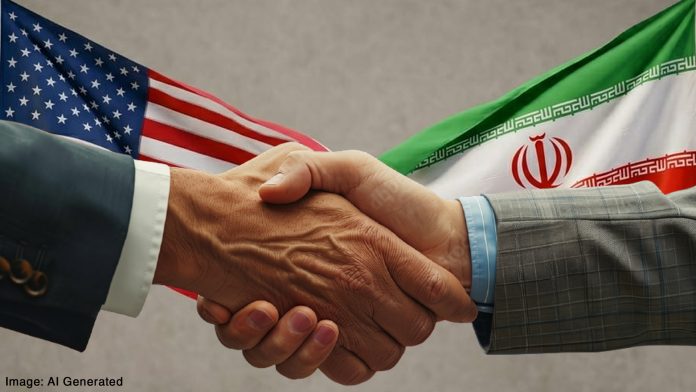
A key aspect of Germany’s stance is the requirement that both the United States and Iran must approve any deployment.
This condition underscores the reality that security arrangements in the Gulf cannot be separated from broader geopolitical relationships. Even with ongoing diplomatic engagement between Washington and Tehran, Germany is signaling that consent from both sides remains essential to avoid escalation.
Foreign Minister Wadephul warned that operating in the region without Iranian agreement could create direct security risks for deployed forces.
Legal Framework and Parliamentary Approval
Germany has also emphasized that any mission must be grounded in international law.
Berlin would require either a United Nations resolution or a formal European Union decision before participating in a mine clearing operation. In addition, the German parliament would need to approve the deployment.
This multi layer approval process reflects Germany’s consistent approach to military engagement abroad, where legal legitimacy and democratic oversight are central requirements.
By insisting on these conditions, Germany is ensuring that any involvement in the Strait of Hormuz would be framed as a collective international effort rather than unilateral action.
Strategic Importance of the Strait of Hormuz
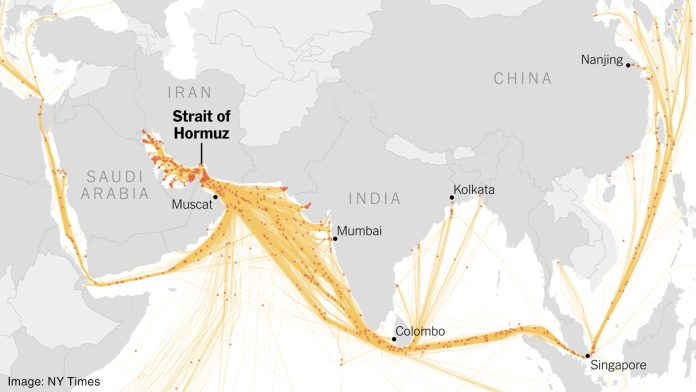
The Strait of Hormuz remains one of the most critical maritime chokepoints in the world. A large portion of global oil and energy shipments pass through this narrow waterway, making it highly sensitive to disruptions.
Mine clearing operations are considered vital for maintaining safe navigation for commercial vessels. However, the political environment surrounding the Strait means that even humanitarian or safety focused missions require careful coordination between major global actors.
Germany’s cautious approach reflects awareness of both the strategic importance and the geopolitical risks associated with operating in the region.
Germany Balances Security and Caution
Germany’s position highlights a broader European approach to crisis management in the Gulf, where support for maritime security is balanced against concerns over escalation and legal legitimacy.
By linking its participation to consent from both the United States and Iran, as well as international authorization, Berlin is signaling that it prioritizes diplomacy and stability over rapid military deployment.
The statement illustrates how complex modern maritime security has become, where even limited mine clearing operations are shaped by global political negotiations and regional power dynamics.
Sources:
1. Germany says Hormuz mine clearing mission depends on US Iran consent
Anadolu Agency via Middle East Monitor
2. Original reporting wire (quoted source in the article)
Anadolu Agency Official Website
3. Context on Strait of Hormuz maritime security and naval missions
Reuters Middle East Security Coverage