Trump Called the Iran War a Win. Here Is What the United States Actually Got.
Isla Montclair
The White House is presenting three major achievements from Operation Epic Fury and the Islamabad MOU. Bipartisan critics are presenting a different accounting of what the war cost, what it resolved, and what it handed to Tehran on the way out.
How Trump Is Framing the Iran War Outcome
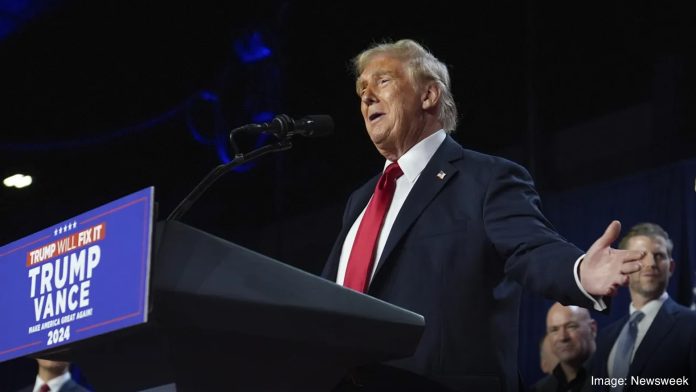
Since the signing of the Islamabad Memorandum of Understanding in June 2026, the Trump administration has worked to frame the conclusion of its Iran war as a historic victory. The stated achievements are specific: the Strait of Hormuz has been reopened, Iran’s military capabilities have been significantly degraded, and Tehran has signed a written commitment to not pursue nuclear weapons within a 60 day framework for a permanent deal.
Trump has positioned himself as a peacemaker who averted what he described as a total economic catastrophe. The White House has released statements citing decisive success against the Iranian regime. Domestically, gas prices falling below $4 a gallon have been pointed to as tangible proof of the deal’s benefits for American households.
The bipartisan backlash to that framing is fierce, detailed and growing.
The Strait of Hormuz Was Already Open Before Operation Epic Fury
The administration’s most prominent economic talking point is the reopening of the Strait of Hormuz and the subsequent drop in gas prices. Critics are pointing out a fundamental problem with that framing. The Strait of Hormuz was already fully open and global energy prices were already lower before Trump launched Operation Epic Fury on February 28, 2026, the date the United States initiated military operations against Iran.
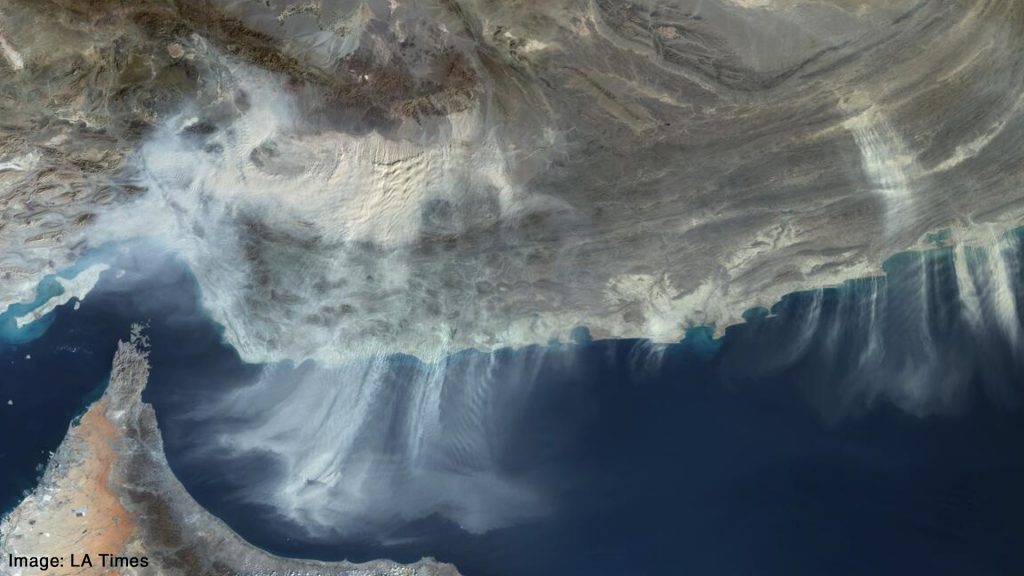
According to analysis from the Council on Foreign Relations and Britannica’s documentation of the 2026 Iran war, the closure of the Strait occurred as a consequence of the conflict itself. The administration is therefore claiming credit for restoring conditions that existed before the war it started. Opponents across both parties argue the White House is presenting the resolution of a self-created crisis as a strategic achievement.
Degrading Iran’s Military Cost the US Its Own Weapons Readiness
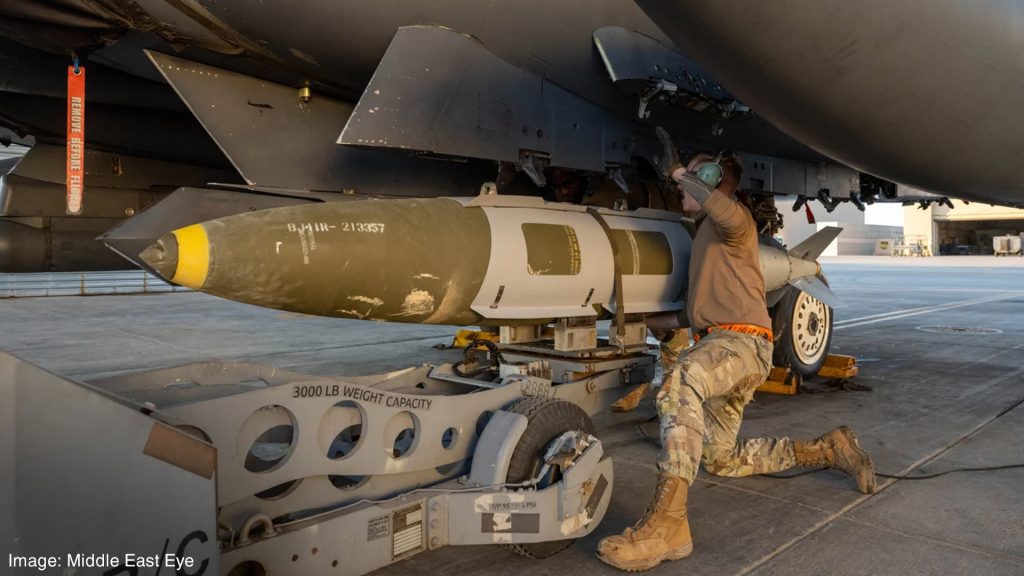
The second claimed win is the military degradation of Iran. The initial joint US-Israeli surprise airstrikes that opened Operation Epic Fury successfully targeted major Iranian military infrastructure and obliterated key portions of Iran’s ballistic missile arsenal, according to White House releases. Iranian leadership was disrupted in the conflict’s early phase.
Policy experts and defence analysts quoted in Washington Post opinion coverage and by CFR have raised a pointed counter-argument: achieving those military results required the United States to burn through vast stockpiles of critical long-range precision munitions. Those stockpile deficits, the experts argue, will take years to rebuild and leave the United States significantly less equipped to deter major global adversaries, specifically Russia and China, during the recovery period. The military capability that was degraded most meaningfully in the Iran war, these analysts argue, was ultimately America’s own long-term deterrence posture.
The Nuclear Commitment Came with a $300 Billion Price Tag
The third and most significant claimed win is the nuclear dimension of the Islamabad MOU. Under the agreement, Iran reaffirmed that it will not procure or develop nuclear weapons. A 60 day window has been opened to negotiate a permanent final deal. Trump has framed this as securing Iran’s nuclear commitment through strength and decisive diplomacy.
Lawmakers on both sides of the aisle have responded with a precise counter-argument. Iran’s actual stockpile of highly enriched uranium remains in place and its disposition is still to be negotiated. Iran’s extensive regional proxy network is entirely unaddressed in the MOU. The core strategic objectives of the Iran war, the permanent dismantlement of Iran’s nuclear program and the neutralisation of its regional influence, remain unresolved and have been transferred to a 60 day negotiating window.
What was given away to reach that window is what critics find most striking. To bring Iran to the table, the United States lifted its naval blockade of Iran, issued immediate oil export waivers covering crude oil, petroleum products and all associated banking and insurance services, and committed to a $300 billion regional reconstruction and development fund for Tehran. These concessions were made upfront, before the 60 day negotiations have produced a single binding final agreement.
NPR, the BBC and the New York Times have all reported that lawmakers from both parties are pointing out that the Obama era Iran nuclear agreement, which Trump spent years condemning as the worst deal ever made, offered Tehran significantly fewer economic concessions than the Islamabad MOU does.
Bipartisan Backlash and What Americans Actually Think
The domestic political cost of the Iran war is accumulating. Democrats have focused their criticism on American lives lost, the inflation that the conflict drove across the US economy, and the strategic unpredictability of a foreign policy approach that escalated to full military engagement and then concluded with a deal critics say primarily benefits the country the war was launched against.
Some Republican allies have expressed frustration at a different level, arguing that if the strategic objective was to permanently end Iran’s nuclear ambitions, the MOU has not achieved that. It has instead delayed the resolution of those issues by 60 days while surrendering financial leverage the US held.
Public polling taken during the conflict showed majorities of Americans disapproving of US military involvement in the regional conflict, including the joint operations conducted with Israel. The Stimson Center analysis of the deal’s conclusion notes that Trump has leveraged the agreement to project a peacemaker image but that domestic critics view the conflict as an unnecessary war that concluded with concessions exceeding anything previously offered Iran.
The 60 day clock to negotiate a permanent final deal is now running. What the United States will have to show for Operation Epic Fury at the end of that window is the question both parties are watching.
Sources:
Trump Takes the Deal and Claims Victory in the Iran War, Stimson Center: https://www.stimson.org/2026/trump-takes-the-deal-and-claims-victory-in-the-iran-war/
Trump Faces Bipartisan Backlash Over Iran Agreement, Mid-Day: https://www.mid-day.com/news/world-news/article/donald-trump-faces-bipartisan-backlash-over-iran-agreement-23636247
Trump’s Iran War Failure Offers Three Important Lessons, Washington Post: https://www.washingtonpost.com/opinions/2026/06/19/trumps-iran-war-failure-offers-three-important-lessons/
US Iran Agreement Explained, NPR: https://www.npr.org/2026/06/19/nx-s1-5863544/trump-us-iran-agreement
Iran War 2026, Britannica: https://www.britannica.com/event/2026-Iran-war
Confrontation Between United States and Iran, CFR Global Conflict Tracker: https://www.cfr.org/global-conflict-tracker/conflict/confrontation-between-united-states-and-iran
President Trump’s Clear and Unchanging Objectives Drive Decisive Success Against Iranian Regime, White House: https://www.whitehouse.gov/releases/2026/04/president-trumps-clear-and-unchanging-objectives-drive-decisive-success-against-iranian-regime/
Iran War Ceasefire Coverage, BBC News: https://www.bbc.com/news/articles/c932yqz8lggo