West Bank Violence Is Surging as Israel Heads Toward October Elections

Maryam Tariq

Israeli forces arrested at least 23 Palestinians and demolished multiple homes across the occupied West Bank this week, as the United Nations warned the territory has reached a breaking point. While the individual incidents, arrests, demolitions, settler raids, might read as routine entries in a long running conflict, UN officials and regional analysts increasingly argue they form a single, accelerating pattern tied directly to Israel’s approaching parliamentary election.

What Happened This Week

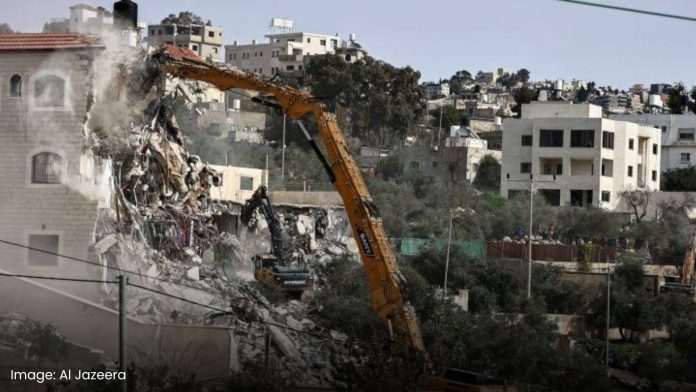
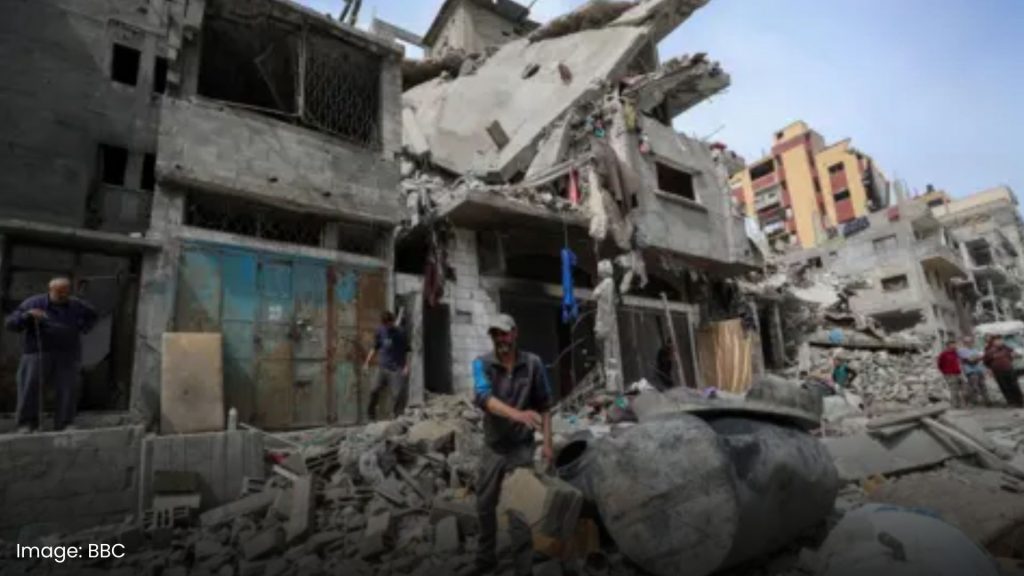
Tuesday’s operations included the arrest of two children, one with a disability, and a man detained while grazing livestock in the northern Jordan Valley. In the village of Tal, near Nablus, Israeli forces demolished the home of Farouq Ramadan, one of four Palestinians killed in a confrontation with Israeli settlers on July 24 that also killed two Israelis, a practice human rights groups have long condemned as collective punishment. Separately, dozens of settlers attacked Palestinians plowing their land in Al-Mughayyir, wounding six people including three children, while other settlers destroyed part of a water pipeline in Khirbet ar-Ras al-Ahmar, cutting off supplies to 30 herding families.
The Scale, in the UN’s Own Numbers

Addressing the UN Security Council this week, Deputy Special Coordinator Ramiz Alakbarov said Israeli forces and settlers have killed 76 Palestinians, including 18 children, so far this year, while roughly 3,800 Palestinians, nearly half of them children, have been displaced by settler violence, demolitions and evictions. The UN has documented more than 1,430 settler attacks resulting in casualties or property damage across roughly 260 Palestinian communities in 2026, a rate exceeding six attacks a day, described by OCHA as the highest since systematic monitoring began around two decades ago. Since January 2023, 127 Palestinian communities have been fully or partially displaced, with 47 completely uprooted.

Why the October Election Is Central to This Story

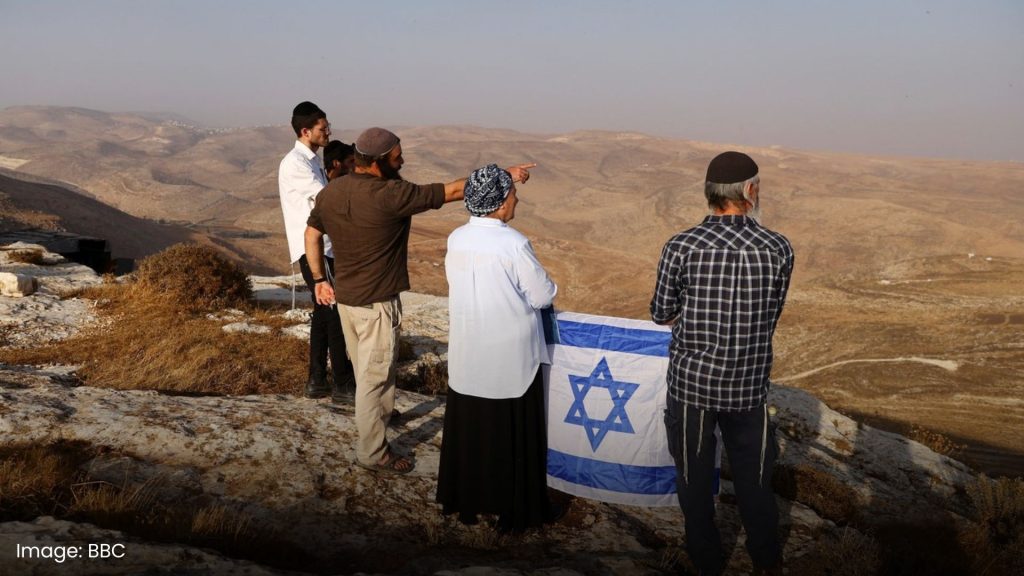
Israel is set to hold parliamentary elections by late October, and analysts say that timeline is directly shaping the pace of what’s happening on the ground. Political analyst Ahmad Rafiq Awad has described settler violence as being driven by a race to create facts on the ground before the vote could shift the balance of power, pointing to four specific hotspots, the Jordan Valley, southern Hebron, east Ramallah and southern Nablus, where daily attacks now combine with settlement growth, bypass roads and control of water sources to push Palestinians out.

The Political Figure at the Center of the Rush

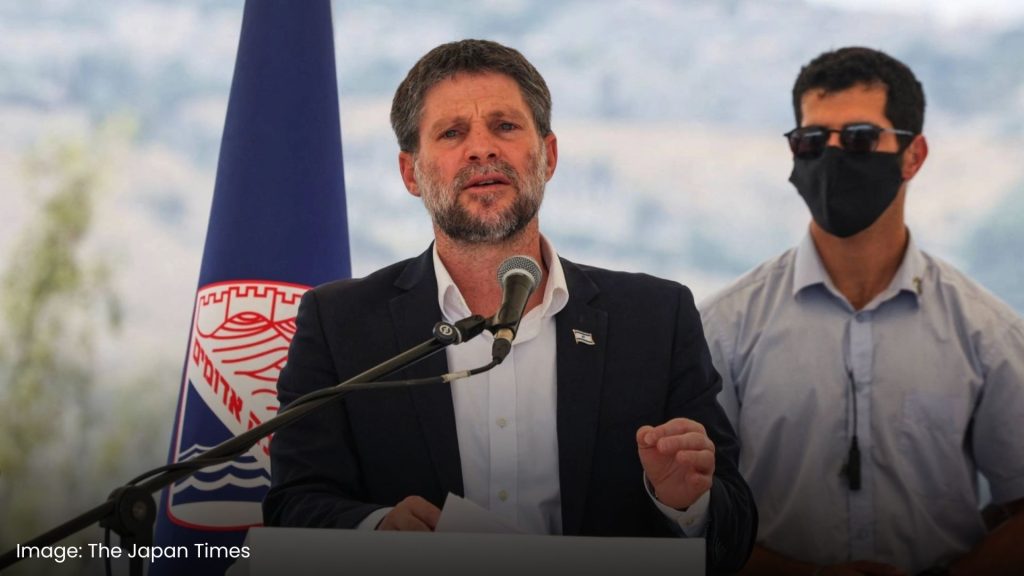
A key detail driving this urgency involves Finance Minister Bezalel Smotrich, the politician most closely associated with pushing the settler project into the center of Israeli politics. Multiple opinion polls suggest Smotrich’s Religious Zionist Party may not even clear the electoral threshold needed to win Knesset seats in the coming vote. Analysts describe this as prompting a scramble to promote the settlement mission and consolidate the settler minority’s support before the election, with Israel’s Defence Minister Israel Katz boasting in late July that the government had approved 104 illegal settlements under Smotrich’s supervision.

The Line That’s Moving

According to Alakbarov, settler attacks that were once concentrated mainly in Area C, where Israel holds full civil and security control, are increasingly spreading into Areas A and B, territories meant to remain under Palestinian civil administration following the Oslo Accords. Israeli authorities have also advanced or approved roughly 12,360 new settlement housing units this year, including 5,160 in occupied East Jerusalem.

What the UN Is Calling This

Alakbarov was direct in his assessment, describing settlement expansion, settler violence and demolitions as interconnected steps, not isolated developments, warning they are reshaping the West Bank, weakening Palestinian governance and advancing what he termed de facto annexation. Israel has not formally annexed the West Bank, but a February 2026 decision by Israel’s security cabinet to transfer administrative powers from the military to civilian government ministries has already moved that process a step closer to being formalized on paper, even without an official declaration.

What Comes Next

With the election still weeks away and settlement approvals, demolitions and settler attacks all continuing to climb, the central question raised by UN officials and regional analysts alike is not simply whether Israel will formally annex the West Bank, but whether that outcome has effectively already been happening in practice, driven in part by the incentives of an approaching vote.

Sources:

·  Israeli raids, arrests continue as UN warns West Bank at breaking point — Al Jazeera: https://www.aljazeera.com/news/2026/8/12/israeli-raids-arrests-continue-as-un-warns-west-bank-at-breaking-point

·  Israel election pressure fuels settlement push as West Bank violence surges — Al Jazeera: https://www.aljazeera.com/news/2026/8/4/israel-election-pressure-fuels-settlement-push-as-west-bank-violence-surges

·  How Israel’s election is driving a surge in settler violence — The New Arab: https://www.newarab.com/analysis/how-israels-election-driving-surge-settler-violence

·  Israel’s accelerating de facto annexation of the West Bank has dangerous implications — Chatham House: https://www.chathamhouse.org/2026/04/israels-accelerating-de-facto-annexation-west-bank-has-dangerous-implications

Maryam Tariq

Israeli forces arrested at least 23 Palestinians and demolished multiple homes across the occupied West Bank this week, as the United Nations warned the territory has reached a breaking point. While the individual incidents, arrests, demolitions, settler raids, might read as routine entries in a long running conflict, UN officials and regional analysts increasingly argue they form a single, accelerating pattern tied directly to Israel’s approaching parliamentary election.

What Happened This Week

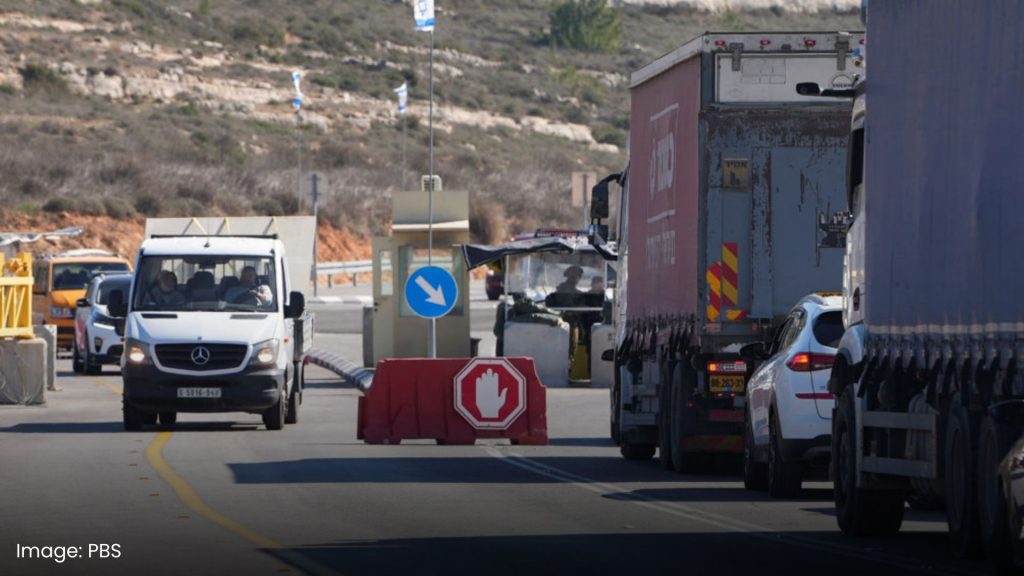
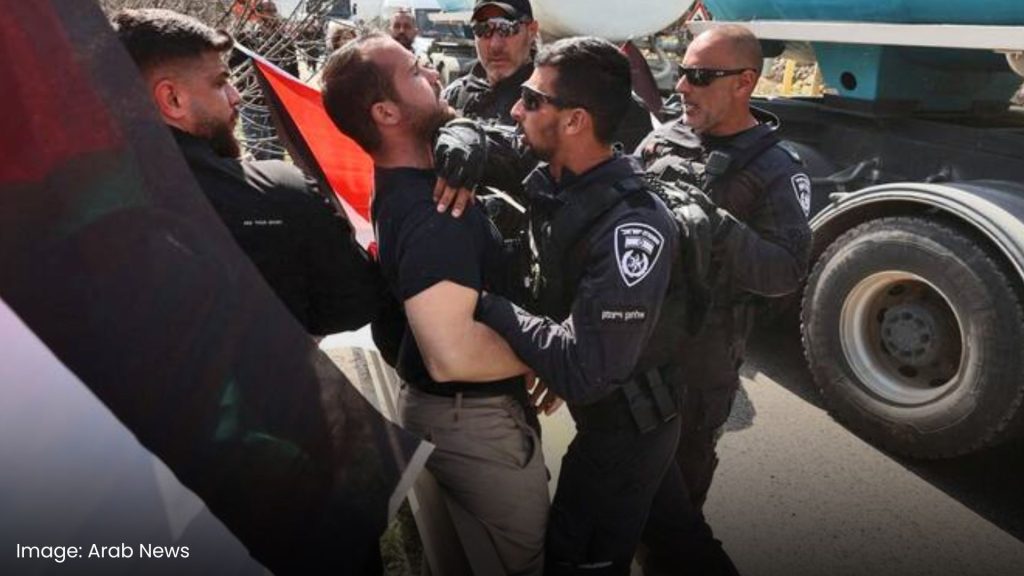
Tuesday’s operations included the arrest of two children, one with a disability, and a man detained while grazing livestock in the northern Jordan Valley. In the village of Tal, near Nablus, Israeli forces demolished the home of Farouq Ramadan, one of four Palestinians killed in a confrontation with Israeli settlers on July 24 that also killed two Israelis, a practice human rights groups have long condemned as collective punishment. Separately, dozens of settlers attacked Palestinians plowing their land in Al-Mughayyir, wounding six people including three children, while other settlers destroyed part of a water pipeline in Khirbet ar-Ras al-Ahmar, cutting off supplies to 30 herding families.
The Scale, in the UN’s Own Numbers

Addressing the UN Security Council this week, Deputy Special Coordinator Ramiz Alakbarov said Israeli forces and settlers have killed 76 Palestinians, including 18 children, so far this year, while roughly 3,800 Palestinians, nearly half of them children, have been displaced by settler violence, demolitions and evictions. The UN has documented more than 1,430 settler attacks resulting in casualties or property damage across roughly 260 Palestinian communities in 2026, a rate exceeding six attacks a day, described by OCHA as the highest since systematic monitoring began around two decades ago. Since January 2023, 127 Palestinian communities have been fully or partially displaced, with 47 completely uprooted.

Why the October Election Is Central to This Story

Israel is set to hold parliamentary elections by late October, and analysts say that timeline is directly shaping the pace of what’s happening on the ground. Political analyst Ahmad Rafiq Awad has described settler violence as being driven by a race to create facts on the ground before the vote could shift the balance of power, pointing to four specific hotspots, the Jordan Valley, southern Hebron, east Ramallah and southern Nablus, where daily attacks now combine with settlement growth, bypass roads and control of water sources to push Palestinians out.

The Political Figure at the Center of the Rush

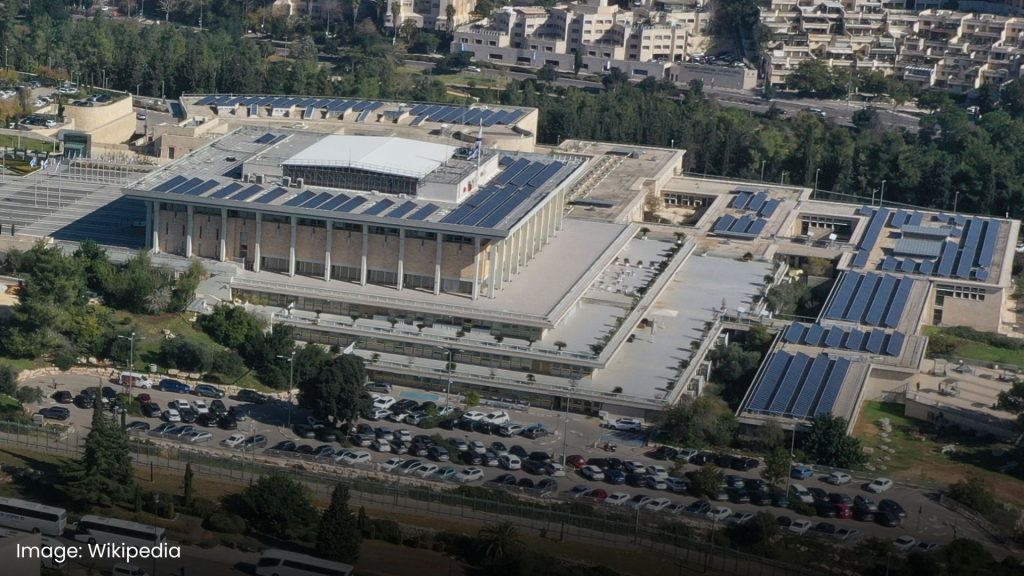
A key detail driving this urgency involves Finance Minister Bezalel Smotrich, the politician most closely associated with pushing the settler project into the center of Israeli politics. Multiple opinion polls suggest Smotrich’s Religious Zionist Party may not even clear the electoral threshold needed to win Knesset seats in the coming vote. Analysts describe this as prompting a scramble to promote the settlement mission and consolidate the settler minority’s support before the election, with Israel’s Defence Minister Israel Katz boasting in late July that the government had approved 104 illegal settlements under Smotrich’s supervision.
The Line That’s Moving

According to Alakbarov, settler attacks that were once concentrated mainly in Area C, where Israel holds full civil and security control, are increasingly spreading into Areas A and B, territories meant to remain under Palestinian civil administration following the Oslo Accords. Israeli authorities have also advanced or approved roughly 12,360 new settlement housing units this year, including 5,160 in occupied East Jerusalem.

What the UN Is Calling This

Alakbarov was direct in his assessment, describing settlement expansion, settler violence and demolitions as interconnected steps, not isolated developments, warning they are reshaping the West Bank, weakening Palestinian governance and advancing what he termed de facto annexation. Israel has not formally annexed the West Bank, but a February 2026 decision by Israel’s security cabinet to transfer administrative powers from the military to civilian government ministries has already moved that process a step closer to being formalized on paper, even without an official declaration.

What Comes Next
With the election still weeks away and settlement approvals, demolitions and settler attacks all continuing to climb, the central question raised by UN officials and regional analysts alike is not simply whether Israel will formally annex the West Bank, but whether that outcome has effectively already been happening in practice, driven in part by the incentives of an approaching vote.

Sources:

·  Israeli raids, arrests continue as UN warns West Bank at breaking point — Al Jazeera: https://www.aljazeera.com/news/2026/8/12/israeli-raids-arrests-continue-as-un-warns-west-bank-at-breaking-point

·  Israel election pressure fuels settlement push as West Bank violence surges — Al Jazeera: https://www.aljazeera.com/news/2026/8/4/israel-election-pressure-fuels-settlement-push-as-west-bank-violence-surges

·  How Israel’s election is driving a surge in settler violence — The New Arab: https://www.newarab.com/analysis/how-israels-election-driving-surge-settler-violence

·  Israel’s accelerating de facto annexation of the West Bank has dangerous implications — Chatham House: https://www.chathamhouse.org/2026/04/israels-accelerating-de-facto-annexation-west-bank-has-dangerous-implications

spot_img

Explore more

spot_img
Global Affairs

From Deterrence to Normalisation: The New Front in Space Security

Gaza’s Dead Are Still Being Found. But How Long Can Justice...

The Far Right Lost Ground in Sweden? But has its Politics...

The New Delhi Declaration: Can BRICS Bridge Its Own Fault Lines?

Political Terrorism Is Rising Fast in the US, and the Country...

25 Years After 9/11, DHS Declares Itself Permanently at W*r

US Stopped Tracking Famine Risk in Afghanistan, Somalia and Yemen

Europe’s “Toughest Ever” Migration Crackdown Is Arriving