

The Far Right Lost Ground in Sweden? But has its Politics Really Faded?

Beyond the Ballot Box: How Sweden’s Far Right Changed the Political Debate

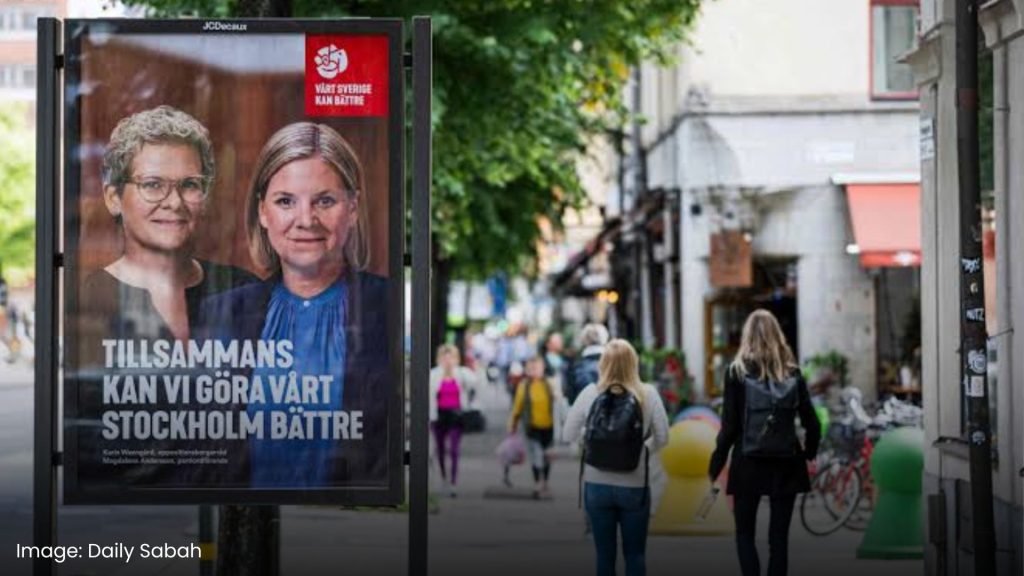
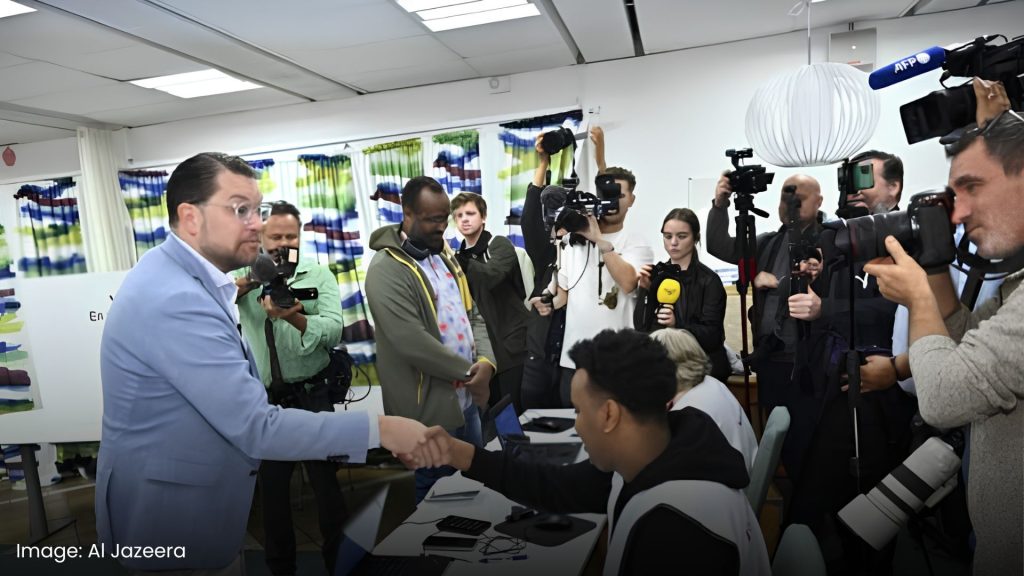
Sweden’s 2026 election produced a result that appeared, at first glance, to signal a reversal of Europe’s rightward political trend. The Sweden Democrats, the country’s leading far-right party, suffered their first electoral setback since entering parliament in 2010. Their vote share fell to approximately 17.6%, and they dropped from second to third place. Meanwhile, the centre-left bloc secured a narrow preliminary lead.

Yet interpreting the election simply as a rejection of the far right risks missing the more important development. Over the past decade, the Sweden Democrats have helped transform the terms of Sweden’s political debate. Immigration, integration, crime and national identity have moved increasingly toward the centre of political competition, while mainstream parties have adopted positions that would once have been considered significantly harder-line.
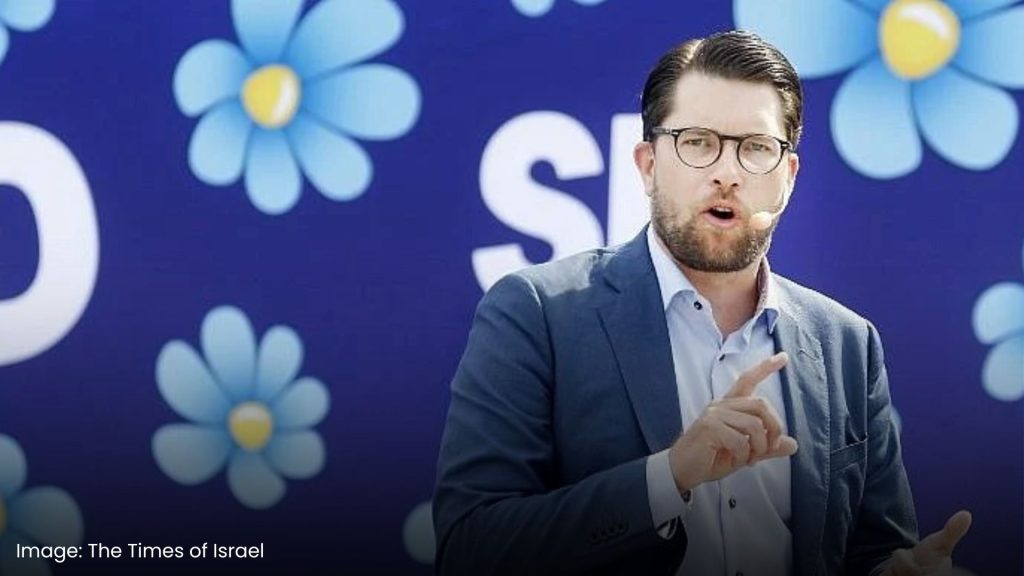
The party’s rhetoric has also extended beyond immigration policy into questions surrounding Islam and Swedish identity. Its campaign included proposals for larger-scale deportations, an end to multiculturalism and restrictions on traditional Islamic dress. Critics have argued that such politics can turn immigrants and Muslims into symbols of broader anxieties about crime, social cohesion and national identity.

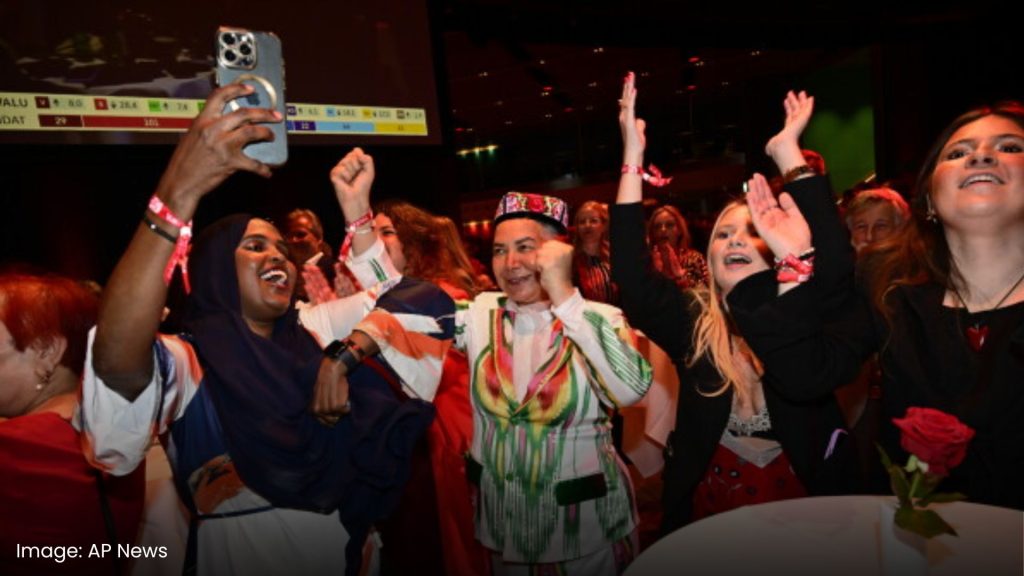
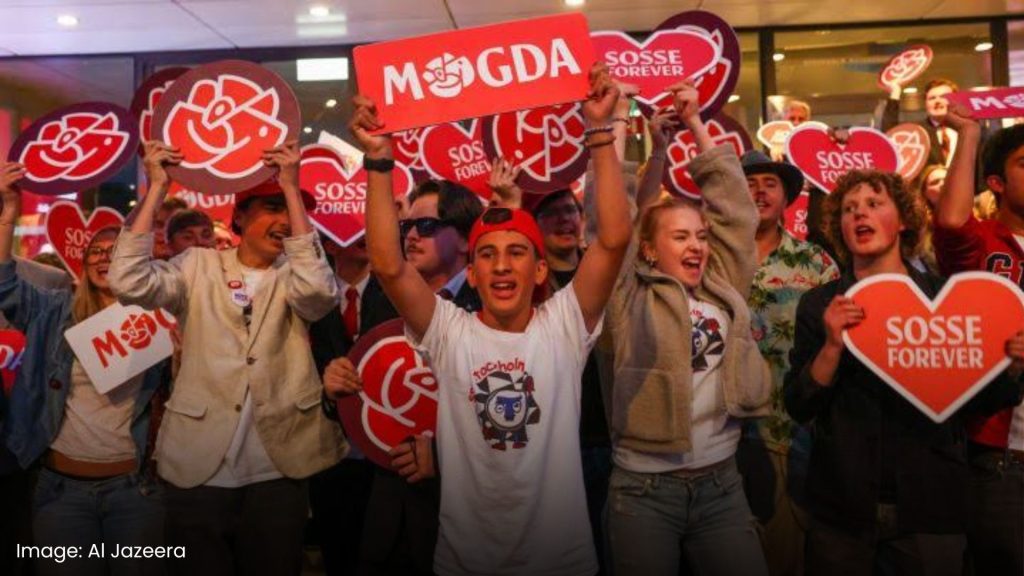
This is where the 2026 election becomes particularly significant. The Sweden Democrats’ decline suggests that there are limits to the electoral appeal of increasingly hard-line rhetoric. In immigrant-heavy areas such as Rinkeby, the centre-left received overwhelming support, with 94% of the vote reported for the bloc. Some integration advocates argued that proposals targeting immigrants and already-granted residence rights had helped mobilize opposition to the party.
But electoral defeat does not automatically erase ideological influence.

The Sweden Democrats spent the previous four years supporting the centre-right government from outside the cabinet. That arrangement gave them considerable leverage over migration and integration policy. Their influence also coincided with a broader shift among mainstream parties, including the Social Democrats, toward more restrictive approaches to immigration and crime.

This creates the central paradox of the Swedish election: the far right can lose an election while still winning part of the political argument.

Their success has never depended solely on taking ministerial positions. By forcing other parties to respond to their framing of immigration, crime and national identity, they have altered the boundaries of political debate. Even a future centre-left government would face pressure to operate within a political environment that is considerably more restrictive on migration than Sweden’s earlier reputation would suggest.

The election therefore marks a setback, but not necessarily a reversal. Sweden’s voters have weakened the electoral momentum of the Sweden Democrats. What remains uncertain is whether they have also rejected the broader political transformation that accompanied the party’s rise.

The far right may have lost ground at the ballot box. The harder question is whether its politics have already moved into the mainstream.
 References

https://www.reuters.com/world/europe/swedish-centre-left-opposition-pole-position-take-power-after-tight-election-2026-09-14
https://www.france24.com/en/swedish-far-right-eyes-role-in-government

https://www.theguardian.com/commentisfree/2026/sep/15/sweden-far-right-left-centre-progressive-agenda https://www.aljazeera.com/features/2026/6/18/how-swedens-far-right-went-from-political-pariah-to-powerbroker

Beyond the Ballot Box: How Sweden’s Far Right Changed the Political Debate

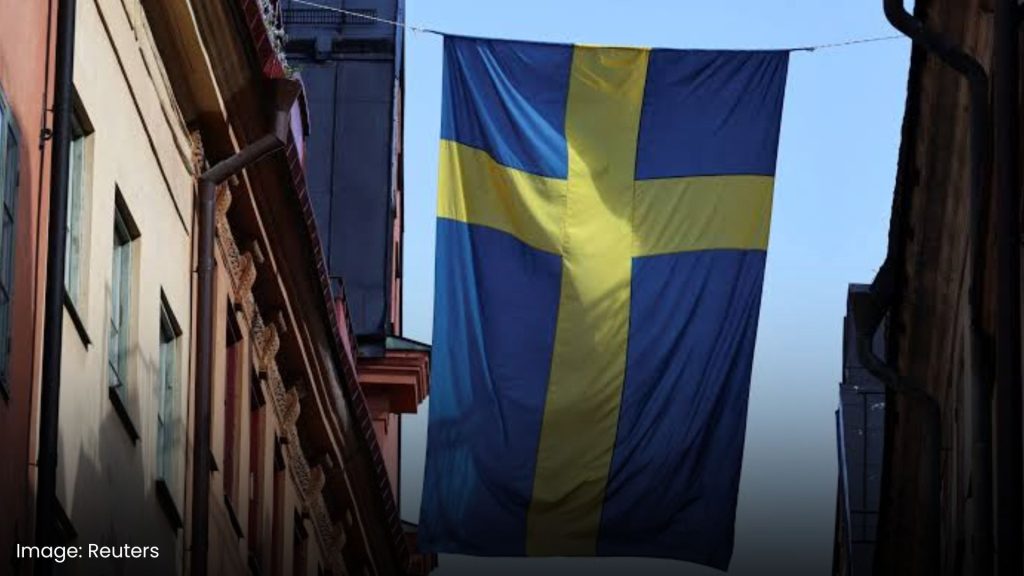
Sweden’s 2026 election produced a result that appeared, at first glance, to signal a reversal of Europe’s rightward political trend. The Sweden Democrats, the country’s leading far-right party, suffered their first electoral setback since entering parliament in 2010. Their vote share fell to approximately 17.6%, and they dropped from second to third place. Meanwhile, the centre-left bloc secured a narrow preliminary lead.

Yet interpreting the election simply as a rejection of the far right risks missing the more important development. Over the past decade, the Sweden Democrats have helped transform the terms of Sweden’s political debate. Immigration, integration, crime and national identity have moved increasingly toward the centre of political competition, while mainstream parties have adopted positions that would once have been considered significantly harder-line.

The party’s rhetoric has also extended beyond immigration policy into questions surrounding Islam and Swedish identity. Its campaign included proposals for larger-scale deportations, an end to multiculturalism and restrictions on traditional Islamic dress. Critics have argued that such politics can turn immigrants and Muslims into symbols of broader anxieties about crime, social cohesion and national identity.

This is where the 2026 election becomes particularly significant. The Sweden Democrats’ decline suggests that there are limits to the electoral appeal of increasingly hard-line rhetoric. In immigrant-heavy areas such as Rinkeby, the centre-left received overwhelming support, with 94% of the vote reported for the bloc. Some integration advocates argued that proposals targeting immigrants and already-granted residence rights had helped mobilize opposition to the party.

But electoral defeat does not automatically erase ideological influence.

The Sweden Democrats spent the previous four years supporting the centre-right government from outside the cabinet. That arrangement gave them considerable leverage over migration and integration policy. Their influence also coincided with a broader shift among mainstream parties, including the Social Democrats, toward more restrictive approaches to immigration and crime.

This creates the central paradox of the Swedish election: the far right can lose an election while still winning part of the political argument.

Their success has never depended solely on taking ministerial positions. By forcing other parties to respond to their framing of immigration, crime and national identity, they have altered the boundaries of political debate. Even a future centre-left government would face pressure to operate within a political environment that is considerably more restrictive on migration than Sweden’s earlier reputation would suggest.

The election therefore marks a setback, but not necessarily a reversal. Sweden’s voters have weakened the electoral momentum of the Sweden Democrats. What remains uncertain is whether they have also rejected the broader political transformation that accompanied the party’s rise.

The far right may have lost ground at the ballot box. The harder question is whether its politics have already moved into the mainstream.
 References

https://www.reuters.com/world/europe/swedish-centre-left-opposition-pole-position-take-power-after-tight-election-2026-09-14
https://www.france24.com/en/swedish-far-right-eyes-role-in-government

https://www.theguardian.com/commentisfree/2026/sep/15/sweden-far-right-left-centre-progressive-agenda https://www.aljazeera.com/features/2026/6/18/how-swedens-far-right-went-from-political-pariah-to-powerbroker

spot_img

Explore more

spot_img
Global Affairs

The New Delhi Declaration: Can BRICS Bridge Its Own Fault Lines?

Political Terrorism Is Rising Fast in the US, and the Country...

25 Years After 9/11, DHS Declares Itself Permanently at W*r

US Stopped Tracking Famine Risk in Afghanistan, Somalia and Yemen

Europe’s “Toughest Ever” Migration Crackdown Is Arriving

Another Trump Post, Another Diplomatic Backlash

Who Was Ratko Mladić OR Why Are Thousands Celebrating a Convicted...

A French MP Used AI to Strip a Real Woman’s Hijab...