
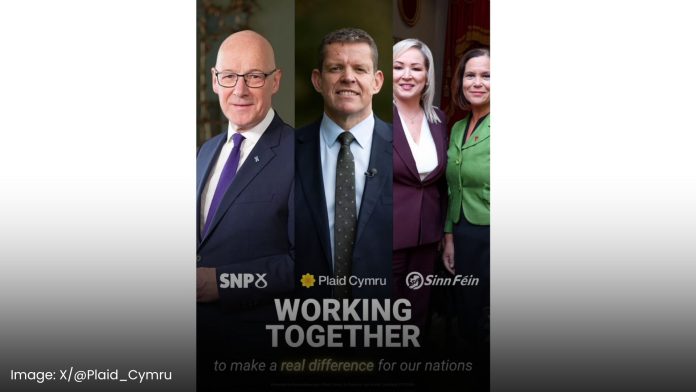
For the first time in the history of British devolution, nationalist parties simultaneously lead the governments of Scotland, Wales and Northern Ireland. Now their leaders are taking an unprecedented step together.
In Cardiff on September 14, SNP leader John Swinney, Plaid Cymru leader Rhun ap Iorwerth and Sinn Féin vice president Michelle O’Neill are meeting to sign a memorandum of understanding calling for their nations to have the right to determine their constitutional futures. They are participating in their capacities as party leaders rather than signing on behalf of their governments. Sinn Féin president Mary Lou McDonald is also expected to attend, according to the Telegraph’s original report on the summit. The wire coverage of the three signatories doesn’t independently confirm this detail.
Three Movements, Three Different Destinations
The three projects are not identical.
The SNP wants an independent Scotland. Plaid Cymru advocates Welsh independence. Sinn Féin’s objective is fundamentally different: Irish reunification, under which Northern Ireland would leave the UK and become part of a united Ireland.
Their European destinations also overlap. Scotland envisages an independent future inside the European Union, while Welsh nationalists advocate an independent Wales returning to the EU. Irish reunification offers a different route because the Republic of Ireland is already an EU member.
This is therefore not three governments announcing Britain’s dissolution. It is three nationalist parties coordinating around the principle that their populations should ultimately be able to determine their own constitutional futures.
Then Andy Burnham Opened the Door
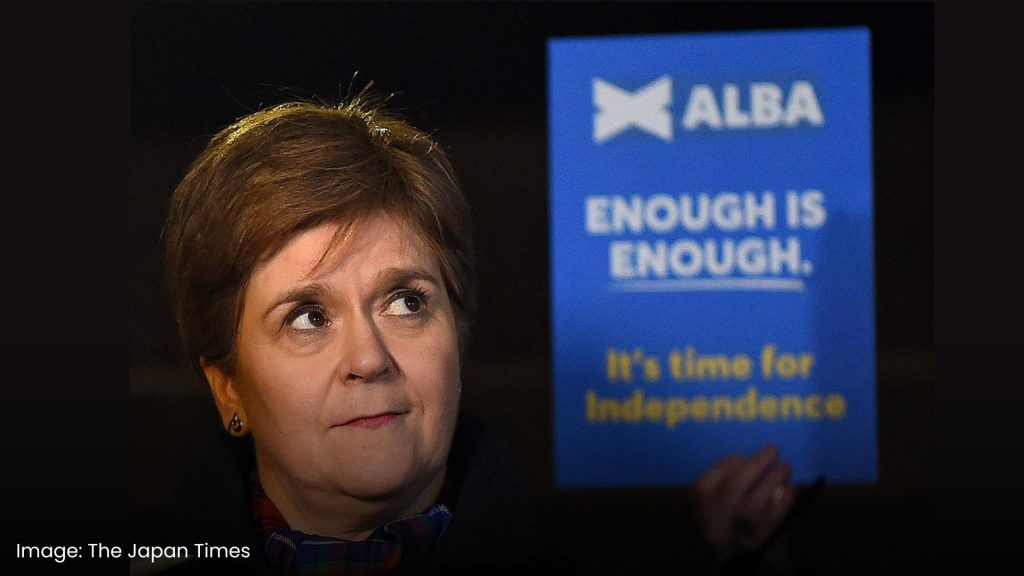
The Cardiff summit comes immediately after Prime Minister Andy Burnham handed Scottish nationalists an unexpected argument. Discussing the constitutional question, Burnham indicated another Scottish independence referendum could become possible where there was a “clear consensus.” Swinney seized on that opening and pushed for an agreed legal route through which Scotland could hold another vote.
Days later, however, Burnham told Swinney that another independence referendum remained “off limits.”
The reversal creates an awkward constitutional question for Westminster: if Scottish public opinion changes decisively, who ultimately determines whether Scotland is allowed to vote on leaving?
And it raises an even more provocative hypothetical: if nationalist movements continue advancing simultaneously, could Andy Burnham eventually become the last prime minister of a United Kingdom containing all four of its current constituent nations?
There is no evidence that such a breakup is imminent. But Britain has never before confronted this precise alignment of nationalist political power.
What If All Three Movements Eventually Won?
The consequences would extend far beyond changing flags.
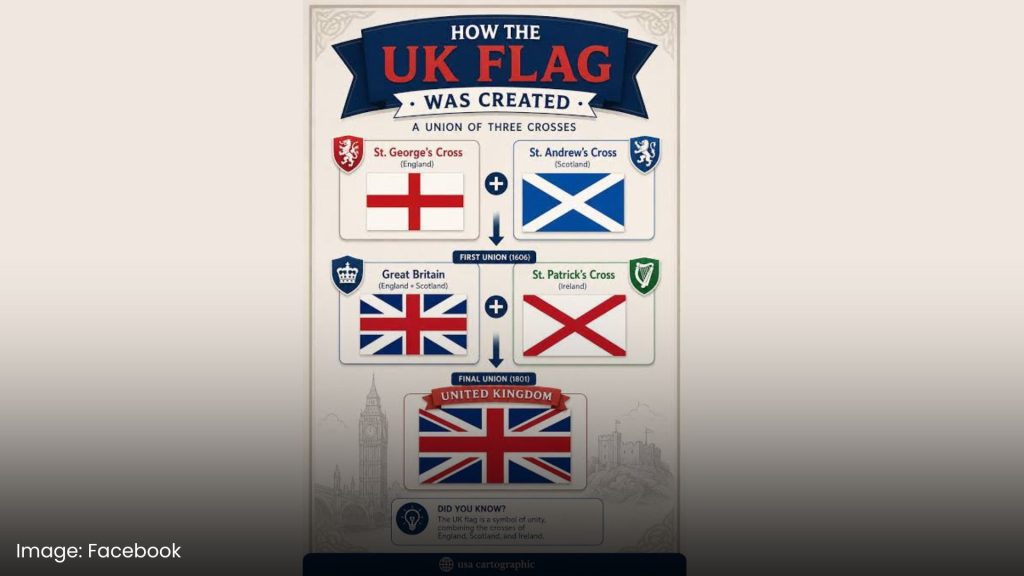
If Scotland and Wales became independent while Northern Ireland reunited with Ireland, England would be the only one of today’s four UK constituent countries remaining within the existing union structure.
Borders, citizenship, currencies, public debt, state assets, energy infrastructure, pensions, trade and defence arrangements would require extensive negotiations.
Scotland creates one particularly significant strategic question. Britain’s nuclear deterrent is based at HM Naval Base Clyde at Faslane in Scotland. The Scottish government’s published independence policy says an independent Scotland would seek NATO membership while also pursuing the safe and rapid removal of nuclear weapons from Scottish territory.
Scottish independence could therefore force London to confront an extraordinary defence question: what happens to the physical home of Britain’s nuclear deterrent if it suddenly sits inside another sovereign country?
That does not mean Britain would automatically lose its nuclear deterrent. Nor would Scottish independence necessarily remove Scotland from NATO’s North Atlantic security architecture. Scotland’s stated policy is NATO membership combined with removing nuclear weapons from Scottish territory.

Northern Ireland Has Something Scotland Doesn’t
Northern Ireland exposes another fundamental difference in Britain’s constitutional arrangements.
The Good Friday Agreement already provides a recognised mechanism for Irish reunification. Under the Northern Ireland Act, the Secretary of State must order a border poll where it appears likely that a majority would vote for Northern Ireland to cease being part of the UK and form part of a united Ireland.
Scotland has no equivalent automatic mechanism.
That distinction gives Scottish nationalists a powerful political comparison: if one part of the United Kingdom possesses a recognised democratic route for leaving, why should another be denied a route to reconsider its membership?
The constitutional and legal histories are different. Politically, however, the comparison is increasingly difficult for Westminster to ignore.
Trump Just Made the Timing Even Stranger
The Cardiff meeting also follows an extraordinary intervention from US President Donald Trump.
During his visit to Dublin, Trump said he would “love” to see a united Ireland “sooner rather than later,” calling it one of the “naturals of all time.” Asked about Scottish independence during the same trip, he said only that he wouldn’t talk about it “yet.”
That does not alter British constitutional law. But an American president openly discussing the potential reunification of Ireland immediately before three nationalist leaders coordinate in Cardiff adds another layer to an already remarkable political moment.
Is This Also About the Middle East?
There’s a version of this story that has nothing to do with Cardiff at all.
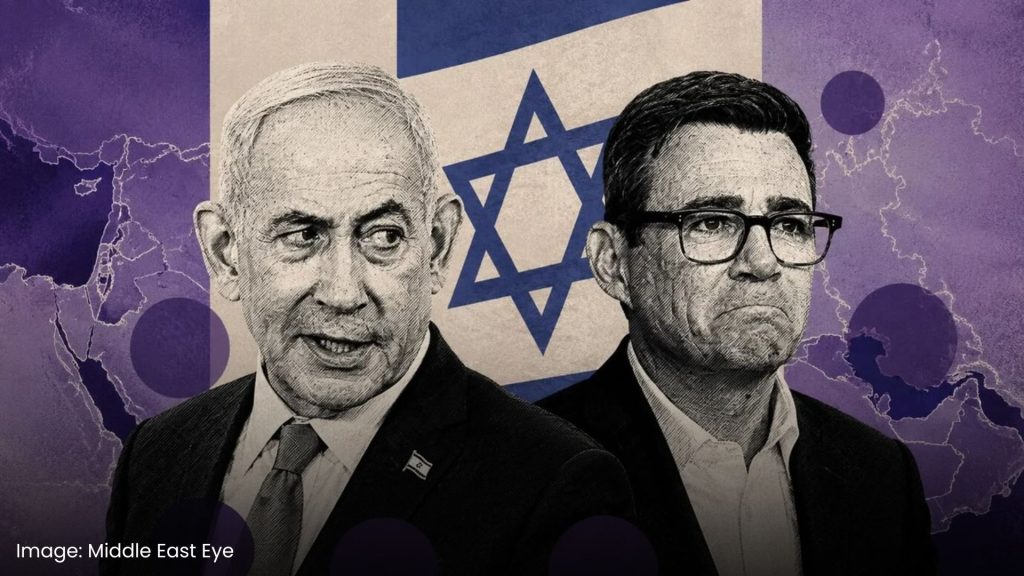
Five days before Trump’s Ireland comments, Britain announced a ban on trade in goods from Israeli settlements in the occupied West Bank, alongside sanctions on individuals and companies tied to settlement-building and tougher restrictions on arms sales to Israel. The move followed new Israeli tenders for more than 1,200 housing units in the E1 settlement project east of Jerusalem, and Burnham defended it directly, writing in the Guardian that the project would “cut a swathe through the heart of the West Bank.”
The backlash was immediate. US ambassador to Israel Mike Huckabee told the BBC the move amounted to “discrimination against the Jewish people,” questioning why Britain wasn’t instead sanctioning North Korea, China or Russia. But the picture is more complicated than a straightforward US-UK rift: the same reporting says Burnham briefed Trump on the sanctions before they were announced, that Trump didn’t push back, and that the White House explicitly distanced itself from Huckabee’s comments, saying they weren’t coordinated with the administration.
This isn’t the first Trump-Burnham friction point over the Middle East either. In March, Trump publicly dismissed a possible UK naval deployment to support the Iran war effort, posting that Washington “will remember” Britain’s hesitation.
None of this has been officially connected to Trump’s Ireland remarks by anyone in either government. But the sequence, a major UK-Israel diplomatic rupture just five days before an American president starts talking up the breakup of the United Kingdom, invites the question anyway.
There’s no evidence for that beyond the timing itself. It’s worth raising, not worth stating as fact.
Is Britain Actually Breaking Apart?
Not yet.
Polling reported around the summit places support for Scottish independence at about 47%, Irish reunification in Northern Ireland at 36%, and Welsh independence at 32%. None of those figures establishes simultaneous majority support for all three constitutional projects.
Nor does the Cardiff agreement itself create referendums.
What has changed is the politics.
For the first time, all three devolved governments are led by parties whose long-term constitutional ambitions involve leaving the United Kingdom in its present form. Their leaders are now cooperating rather than pursuing those ambitions entirely separately.
Westminster can continue refusing referendums where it retains the legal authority to do so.
The harder question may be political rather than legal: does repeatedly denying a route to another vote preserve the United Kingdom, or eventually strengthen the movements trying to leave it?
By Shizza Umer
Sources
The Telegraph, original report
Yahoo News / Investing.com, Trump-UK Iran rift
Al Jazeera, UK bans Israeli settlement goods
Al Jazeera, E1 settlement tenders
Axios, Trump did not oppose UK sanctions
Scottish Government published independence policy (defence/NATO) — cited in original draft; exact document URL not independently located.