Mosques. Homes. Water. Madrasas. How far will BJP go against India’s Muslims?

Mosques, Homes, Water, Madrasas: How Far Will BJP Go Against India’s Muslims?

West Bengal’s First BJP Government Orders 252 Madrasas Closed

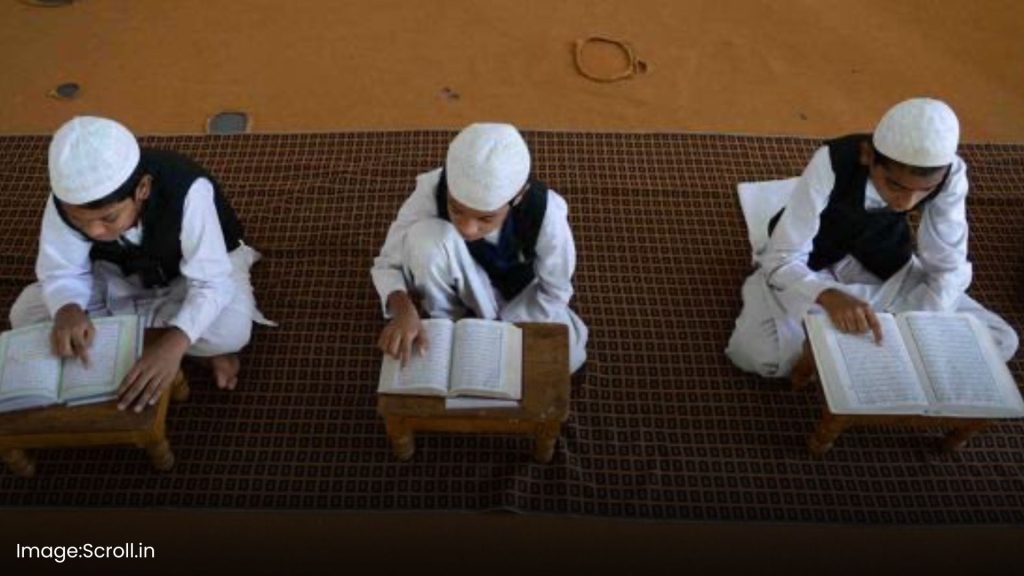
Just months after the Bharatiya Janata Party took power in West Bengal for the first time in the state’s history, its government has ordered 252 madrasas to close and issued show-cause notices to roughly 100 more.

The action followed a statewide survey of madrasas ordered by Chief Minister Suvendu Adhikari’s government in June 2026.

Minority Affairs and Madrasah Education Minister Kshudiram Tudu said the institutions being closed failed to meet requirements concerning authorization, infrastructure and other regulatory standards.

But the investigation produced another figure that could prove far more consequential.

According to reporting on the government survey, 2,132 madrasas were found to have proper approval, while 2,396 were operating without required authorization.

There is currently no order closing all 2,396 institutions. That distinction matters.

But with 252 already ordered closed and around 100 more under notice, the obvious question is what happens to the remaining institutions now under government scrutiny.
From Regulation to “Anti-National Activities”

The official explanation centres on regulation. But the political rhetoric surrounding the investigation has gone considerably further.

BJP minister Dilip Ghosh defended scrutiny of the institutions by alleging there had been cases of people carrying out “anti-national activities” from seminaries.

Opposition politicians have challenged that framing. Trinamool Congress figures have argued that individual allegations should not be used to portray madrasa education as a whole as suspicious.

That distinction is important. There is no evidence establishing that all, most, or a specified number of the 252 madrasas ordered closed were involved in extremist or “anti-national” activity.

What is established is that regulatory enforcement against madrasas is occurring alongside increasingly confrontational political rhetoric about Muslim institutions.

This Did Not Begin With Madrasas

The controversy is unfolding within a much broader debate over the treatment of Muslims in India.

Across different states, authorities have faced criticism over the demolition of Muslim homes and businesses, including the use of bulldozers following communal disturbances or alleged legal violations.

India’s Supreme Court intervened in the wider practice in 2024, ruling that governments cannot demolish somebody’s property merely because they are accused of an offence and establishing procedural safeguards for demolitions.

Mosques and other Muslim religious structures have also become the subject of demolition actions and legal disputes.

Separate controversies involving Muslims and access to water have further intensified concerns about religious discrimination.

These cases are not identical, and they involve different governments, laws and stated justifications. But together they have fuelled a larger argument over whether pressure on Muslim communities and institutions is becoming normalized within Indian public life.

98% of Documented Minority Hate-Speech Events Targeted Muslims

The political environment surrounding those controversies is measurable.

According to India Hate Lab’s 2025 monitoring report, the organization documented 1,318 hate-speech events targeting religious minorities during the year.

That compares with 1,165 in 2024 and 668 in 2023, representing an increase of approximately 97% in two years.

Muslims were targeted, either exclusively or alongside Christians, in 98% of the documented events.

India Hate Lab further reported that 88% occurred in BJP-governed states, states governed by BJP coalitions, or BJP-administered Union Territories.

The organization documented 308 speeches containing explicit calls for violence, while 276 events included calls for the removal or destruction of places of worship, including mosques, shrines and churches.

These figures come from an independent monitoring organization rather than official Indian government statistics and should be understood as such.

The BJP and Prime Minister Narendra Modi have rejected allegations that their governments discriminate against Muslims, arguing that government programmes and development policies benefit Indians irrespective of religion.
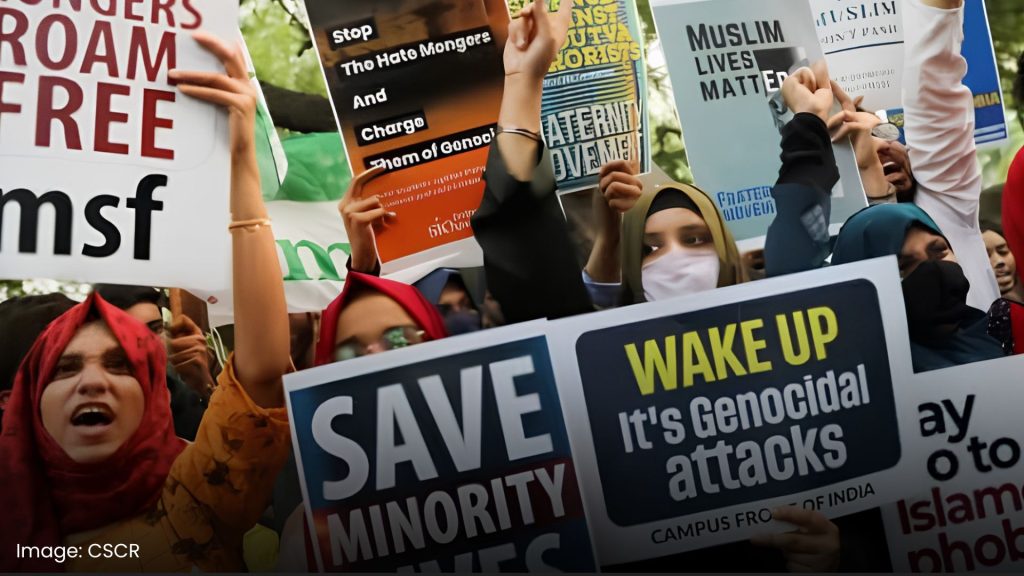
West Bengal Changes the Political Equation

West Bengal makes the latest development particularly significant.

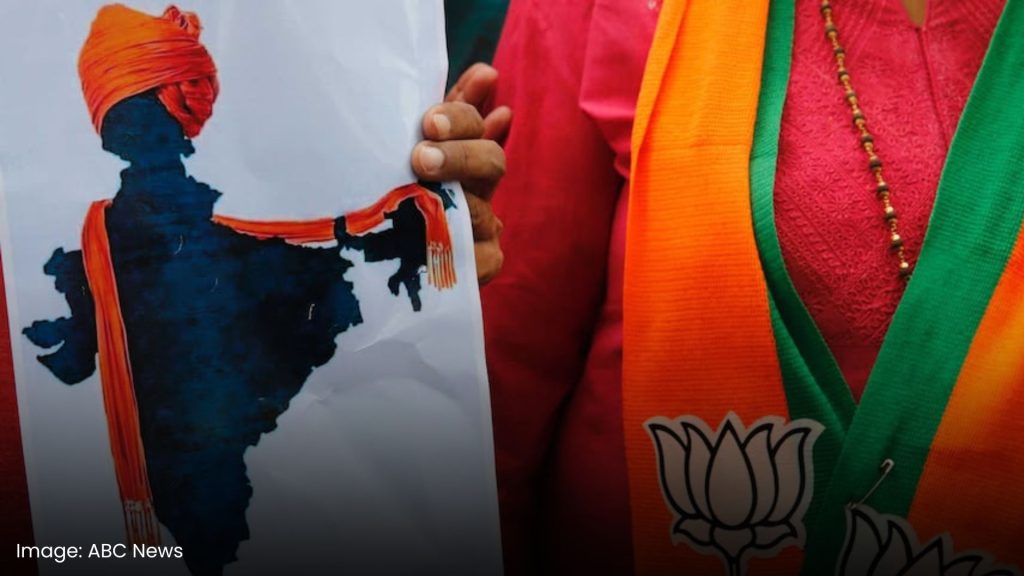
For approximately 15 years, the state was governed by Mamata Banerjee’s Trinamool Congress. That changed in 2026 when the BJP won the state election and Suvendu Adhikari became West Bengal’s first BJP chief minister.

Within months, his administration launched the statewide madrasa survey that has now resulted in the first 252 closure orders.

The government maintains that properly authorized institutions have nothing to fear.

But the numbers leave an unresolved question.

252 madrasas are being closed. Around 100 more have been put on notice. And 2,396 were identified as operating without required approval.

Against a national backdrop of rising documented anti-Muslim hate speech, controversies surrounding mosque demolitions, bulldozed Muslim properties and disputes affecting Muslim communities, what happens in West Bengal may become a much larger test of how India treats its Muslim institutions.

Mosques. Homes. Water. Madrasas. What comes next?

By Shizza Umer

Sources

PTI, via ThePrint

NewsBytesApp

Reuters, via India Hate Lab

Center for the Study of Organized Hate

Jurist

The Quint

Mosques, Homes, Water, Madrasas: How Far Will BJP Go Against India’s Muslims?

West Bengal’s First BJP Government Orders 252 Madrasas Closed

Just months after the Bharatiya Janata Party took power in West Bengal for the first time in the state’s history, its government has ordered 252 madrasas to close and issued show-cause notices to roughly 100 more.

The action followed a statewide survey of madrasas ordered by Chief Minister Suvendu Adhikari’s government in June 2026.

Minority Affairs and Madrasah Education Minister Kshudiram Tudu said the institutions being closed failed to meet requirements concerning authorization, infrastructure and other regulatory standards.

But the investigation produced another figure that could prove far more consequential.

According to reporting on the government survey, 2,132 madrasas were found to have proper approval, while 2,396 were operating without required authorization.

There is currently no order closing all 2,396 institutions. That distinction matters.

But with 252 already ordered closed and around 100 more under notice, the obvious question is what happens to the remaining institutions now under government scrutiny.

From Regulation to “Anti-National Activities”

The official explanation centres on regulation. But the political rhetoric surrounding the investigation has gone considerably further.

BJP minister Dilip Ghosh defended scrutiny of the institutions by alleging there had been cases of people carrying out “anti-national activities” from seminaries.

Opposition politicians have challenged that framing. Trinamool Congress figures have argued that individual allegations should not be used to portray madrasa education as a whole as suspicious.

That distinction is important. There is no evidence establishing that all, most, or a specified number of the 252 madrasas ordered closed were involved in extremist or “anti-national” activity.

What is established is that regulatory enforcement against madrasas is occurring alongside increasingly confrontational political rhetoric about Muslim institutions.

This Did Not Begin With Madrasas

The controversy is unfolding within a much broader debate over the treatment of Muslims in India.

Across different states, authorities have faced criticism over the demolition of Muslim homes and businesses, including the use of bulldozers following communal disturbances or alleged legal violations.

India’s Supreme Court intervened in the wider practice in 2024, ruling that governments cannot demolish somebody’s property merely because they are accused of an offence and establishing procedural safeguards for demolitions.

Mosques and other Muslim religious structures have also become the subject of demolition actions and legal disputes.

Separate controversies involving Muslims and access to water have further intensified concerns about religious discrimination.

These cases are not identical, and they involve different governments, laws and stated justifications. But together they have fuelled a larger argument over whether pressure on Muslim communities and institutions is becoming normalized within Indian public life.

98% of Documented Minority Hate-Speech Events Targeted Muslims

The political environment surrounding those controversies is measurable.

According to India Hate Lab’s 2025 monitoring report, the organization documented 1,318 hate-speech events targeting religious minorities during the year.

That compares with 1,165 in 2024 and 668 in 2023, representing an increase of approximately 97% in two years.

Muslims were targeted, either exclusively or alongside Christians, in 98% of the documented events.

India Hate Lab further reported that 88% occurred in BJP-governed states, states governed by BJP coalitions, or BJP-administered Union Territories.

The organization documented 308 speeches containing explicit calls for violence, while 276 events included calls for the removal or destruction of places of worship, including mosques, shrines and churches.

These figures come from an independent monitoring organization rather than official Indian government statistics and should be understood as such.

The BJP and Prime Minister Narendra Modi have rejected allegations that their governments discriminate against Muslims, arguing that government programmes and development policies benefit Indians irrespective of religion.

West Bengal Changes the Political Equation

West Bengal makes the latest development particularly significant.

For approximately 15 years, the state was governed by Mamata Banerjee’s Trinamool Congress. That changed in 2026 when the BJP won the state election and Suvendu Adhikari became West Bengal’s first BJP chief minister.

Within months, his administration launched the statewide madrasa survey that has now resulted in the first 252 closure orders.

The government maintains that properly authorized institutions have nothing to fear.

But the numbers leave an unresolved question.

252 madrasas are being closed. Around 100 more have been put on notice. And 2,396 were identified as operating without required approval.

Against a national backdrop of rising documented anti-Muslim hate speech, controversies surrounding mosque demolitions, bulldozed Muslim properties and disputes affecting Muslim communities, what happens in West Bengal may become a much larger test of how India treats its Muslim institutions.

Mosques. Homes. Water. Madrasas. What comes next?

By Shizza Umer

Sources

PTI, via ThePrint

NewsBytesApp

Reuters, via India Hate Lab

Center for the Study of Organized Hate

Jurist

The Quint

spot_img

Explore more

spot_img
Global Affairs

Fuel prices jumped 40%. Now Syria is erupting. Is Sharaa the...

China Is Pulling Ahead. Is the West Getting Dumber?

Algeria vs UAE: Why now?

The Houthis just reignited this w*r.

Did Netanyahu know about October 7 before it happened?

Britain Bans Settlement Goods. Isr*el Retaliates Immediately.

Your receding hairline may be Wall Street’s next goldmine.

Jews then. Muslims now? Germany’s far right is rising again.