Trump’s “Tough Talk, Soft Landing?” — Inside the U.S.-China Power Game
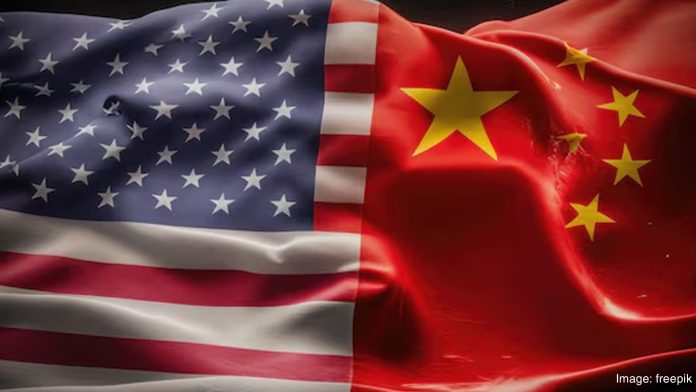
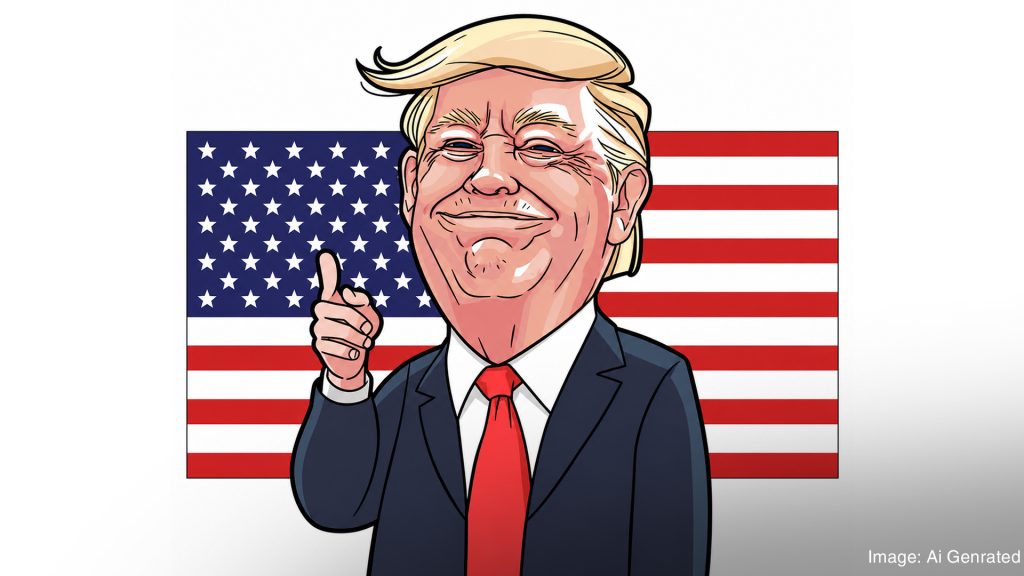
The viral “Trump chickened out” narrative exploding across Chinese social media didn’t appear out of nowhere—it taps into a deeper reality shaping U.S.-China relations under Donald Trump’s second term.
According to analysis from China Briefing, Trump 2.0 is defined by a mix of aggression and unpredictability—a strategy that swings between hardline economic pressure and sudden de-escalation.
A Strategy Built on Pressure… and Reversals
Trump’s return to power signaled a continuation—and escalation—of trade tensions. His administration pushed steep tariffs and economic pressure tactics, aiming to force concessions and reduce reliance on China.
But here’s where things get messy:
Policies often shift quickly, making the overall strategy hard to read
Economic pressure is frequently followed by partial rollbacks or negotiations
The result? A pattern critics describe as “maximum threat, minimum follow-through”
This exact pattern is what fuels viral trends like #TrumpChickenedOut—because online narratives thrive on visible contradictions.
China Isn’t Playing Defense Anymore
One key shift highlighted in the report: China is far more prepared this time.
Beijing has:
- Expanded its retaliatory toolkit beyond tariffs
- Strengthened control over critical supply chains (like rare earth minerals)
- Focused on self-reliance and diversifying trade partners
Instead of reacting, China is now strategically absorbing pressure while waiting out U.S. inconsistency.
Economic Fallout: Decoupling in Motion
The trade war isn’t just political theater, it’s reshaping global economics.
- Chinese exports to the U.S. have dropped sharply (nearly 20% in 2025)
- Supply chains are shifting away from both countries
- Even when tariffs are reduced, trade doesn’t bounce back immediately
In other words: once disrupted, global trade doesn’t just “reset.”
Unpredictability = Weakness or Strategy?
Experts are split.
Some argue Trump’s unpredictability is intentional—a negotiation tactic designed to keep rivals off balance.
Others say it’s undermining U.S. credibility, making allies uneasy and giving China the upper hand in perception.
Recent reporting even suggests policy inconsistency and reversals have created confusion inside the U.S. government itself, weakening a coherent long-term China strategy.
Why the Internet Is Dragging Him
The “Trump chickened out” trend is less about one decision—and more about a pattern the internet can easily meme:
- Big threats (tariffs, military action)
- Sudden softening (truce, rollback, ceasefire)
- Repeat
For Chinese audiences, it reinforces a powerful narrative:
the U.S. escalates loudly—but retreats when pressure hits.
The Bigger Picture
Behind the memes and hashtags lies a serious reality:
This isn’t just a trade war anymore.
It’s a long-term rivalry shaping global power, supply chains, and diplomacy.
And right now, the perception battle matters almost as much as the policy itself.
Because in 2026, geopolitics isn’t just fought in boardrooms and summits—
it’s fought on timelines, hashtags, and viral memes.
Sources: China Briefing, CNN, Reuters, APCO Worldwide