What’s happening
You can feel where this started to break.
The jury didn’t just resign out of frustration. They made a call first. No awards for countries whose leaders are accused of war crimes, especially those under scrutiny at the International Criminal Court.
That’s a clean line.
The problem is, the system wasn’t built to hold it.
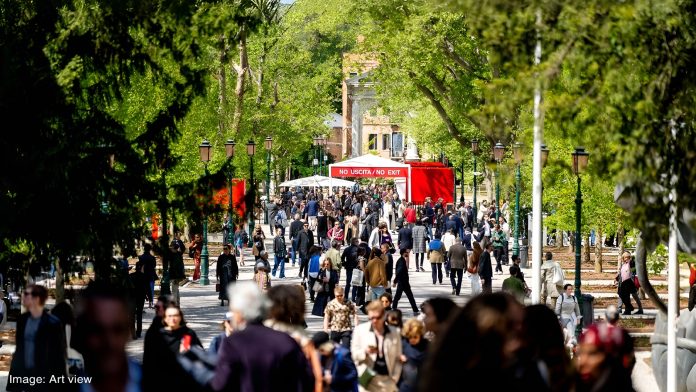
Instead of backing that position, the Biennale shifted around it. Awards were scrapped. Public voting stepped in. And the jury walked.
At the same time, Russia was allowed back in. After being out since the Ukraine war, its pavilion returned under the argument that technically, all rules had been followed.
That word matters. Technically.
Because in reality, it didn’t sit clean. The pavilion wasn’t fully open like others. It landed somewhere in between. Not banned. Not fully embraced.
And everything around it reacted.
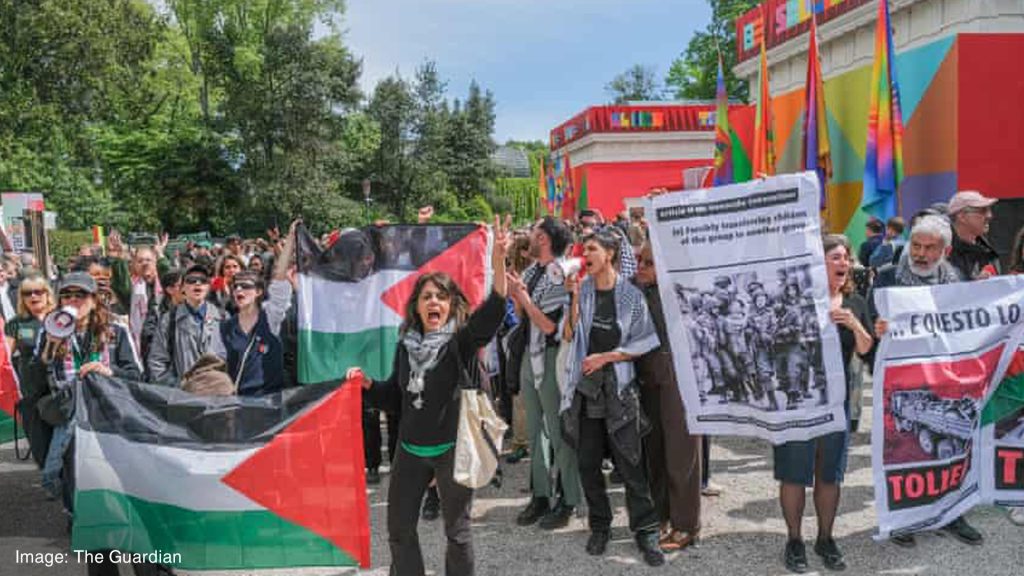
Italy’s culture minister refused to attend. Over 200 artists signed a letter pushing to remove Israel’s pavilion. Behind the scenes, there were warnings that European Union funding could be affected by how this was handled.
Then Iran stepped out completely.
No pavilion. No participation. At a time when tensions involving Iran are already high globally, that absence lands louder than presence.
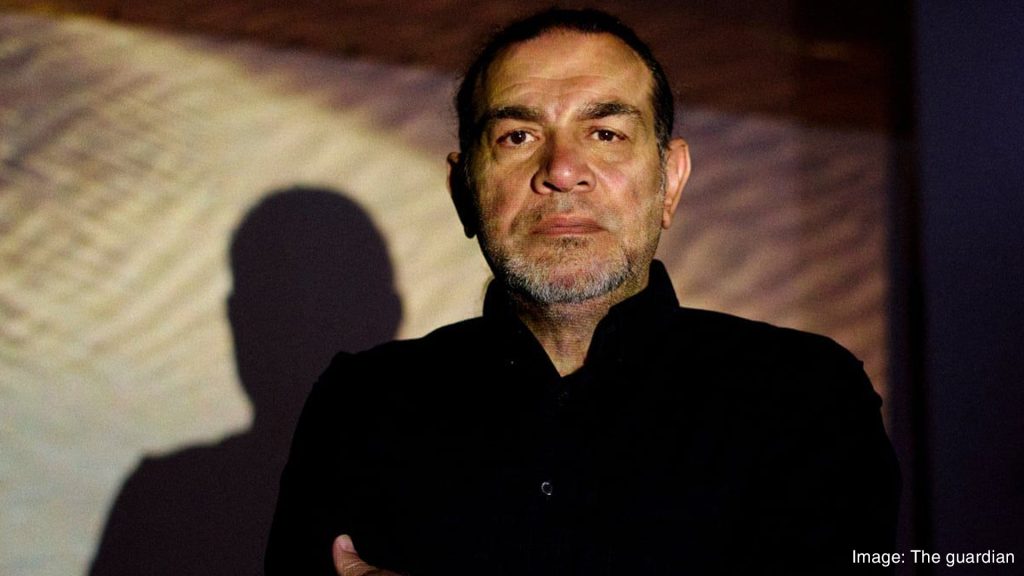
And in the middle of all this, Australia reversed itself and reinstated Khaled Sabsabi after pulling him earlier. One decision, then another. That alone tells you how unstable the ground is.
Why it matters
For years, the Biennale ran on a quiet belief.
That art could sit above politics.
That belief didn’t survive this year.
What you’re seeing now is what happens when different forces pull in different directions at the same time. A jury trying to apply a moral standard. An institution trying to stay neutral. Governments stepping in. Artists pushing back. Funding sitting in the background influencing everything.
None of it lines up.
And when it doesn’t line up, something breaks.
This time it wasn’t just a decision or a protest. It was the structure itself. No jury. No real awards. No clear position.
Just a system trying to hold everything at once and failing to do it cleanly.
Bigger picture
This isn’t really about art anymore.
You’ve seen this pattern already.
Spaces that were supposed to stay neutral don’t stay neutral once the pressure builds high enough. Sports bodies, tech platforms, global companies. Same story, different stage.
You either take a position and deal with the fallout.
Or you try to stay neutral and lose control anyway.
The Biennale tried to sit in the middle.
That’s why it feels unstable.
Even the Sabsabi situation fits that pattern. It wasn’t just about one artist. It showed how quickly decisions flip when politics gets involved. One call gets made. Then reversed. Then debated again.
At that point, it stops being about the work.
It becomes about what the work represents.
What next
This doesn’t settle quickly.
More pressure is coming. More reactions. Possibly more withdrawals.
And the bigger question isn’t going anywhere.
Can something like this still exist as neutral ground?
Or is that idea already gone?
Because right now, what you’re watching isn’t just an art exhibition under stress.
It’s a system being tested in real time.
And not holding together the way it used to.
Sources: Reuters | BBC | CNN | AP | The Guardian | Al Jazeera | Artnet News | La Biennale di Venezia
#VeniceBiennale #ArtWorld #Geopolitics #Iran #Russia #Israel #CulturalCrisis #GlobalTensions #ArtAndPolitics #Verum